

Chinese National Arrested in Kenya With 2,000 Live Queen Ants at Nairobi Airport
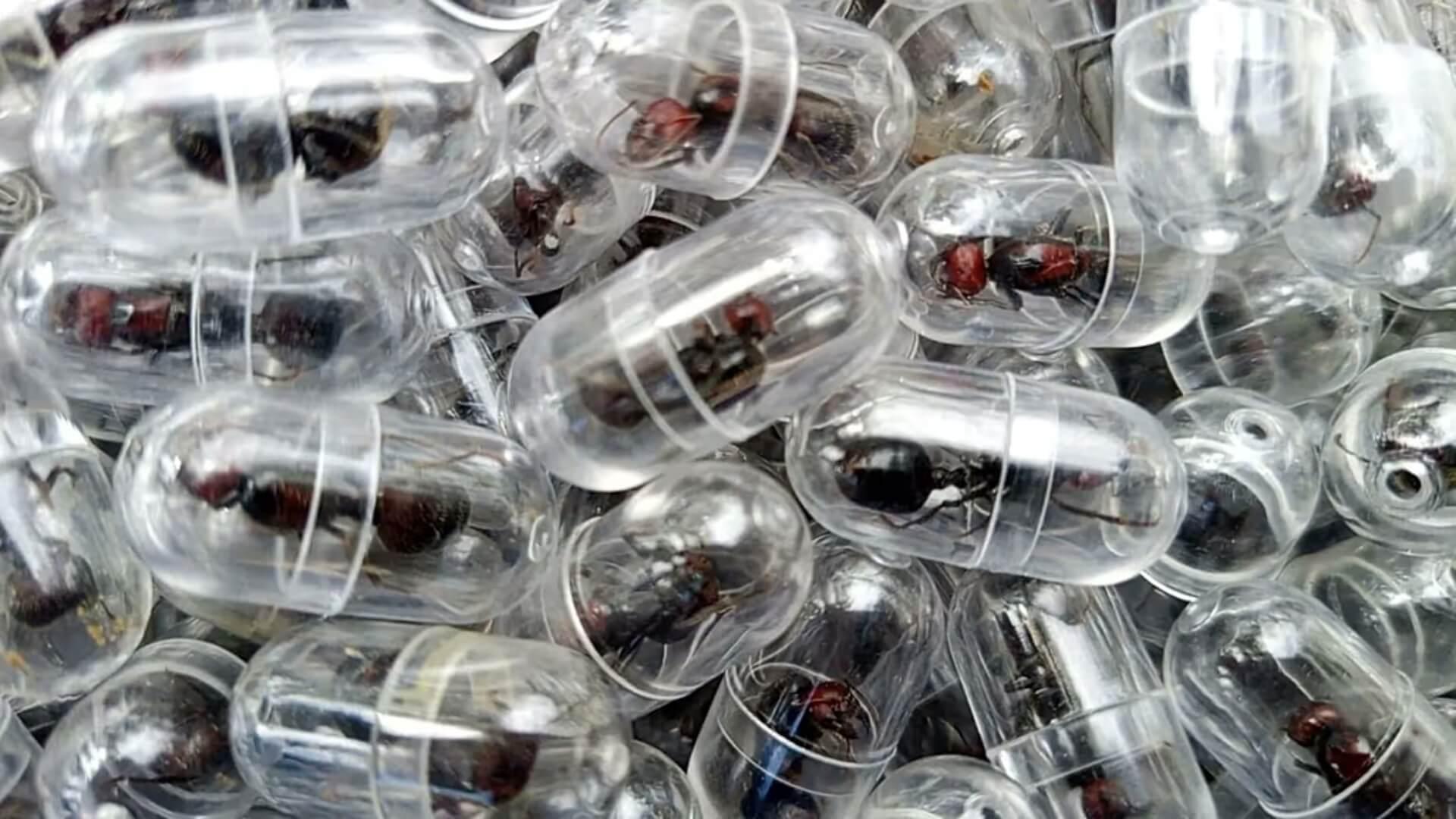
A wildlife trafficking investigation has begun in Kenya after authorities intercepted thousands of live queen ants at Nairobi’s main airport and detained a foreign suspect.
NAIROBI, Kenya — March 12, 2026
Updated: March 12, 2026, 16:05 GMT
Kenyan authorities have arrested a Chinese national identified as Zhang Kequn after security officers discovered about 2,000 live queen ants concealed in luggage during screening at Jomo Kenyatta International Airport, according to the Kenya Wildlife Service and reporting by Reuters and the BBC.
The wildlife agency said the ants were discovered during a routine inspection conducted by airport security and wildlife officers. Officials reported that the insects were packed in specially prepared containers designed to keep them alive during transport.
The Kenya Wildlife Service said the suspect, identified as Zhang Kequn, was taken into custody for suspected violations of Kenya’s wildlife conservation and trafficking laws. Authorities stated that the consignment consisted primarily of queen ants, which are essential for establishing new colonies.
Reuters reported that the scale of the seizure suggested the insects were intended for illegal export as part of the international wildlife trade. Officials said investigations are ongoing to determine whether the case is linked to a broader trafficking network.
Wildlife officers transferred the seized ants to conservation specialists for examination and containment while authorities continue their investigation, the Kenya Wildlife Service said. The agency added that the case will proceed under Kenya’s wildlife protection laws.
Kenya has strengthened airport monitoring in recent years to prevent the illegal export of protected wildlife and biological specimens. Authorities say traffickers increasingly attempt to move smaller and less visible species through international transport hubs.
Across Africa, wildlife trafficking enforcement has expanded to include insects and other invertebrates that are traded globally for research, exotic pet markets, and collectors. Conservation authorities say the Nairobi interception underscores growing concern among African regulators about the illegal trade in biodiversity resources and the need for stronger cross-border enforcement cooperation.
Staff
Contributing writer at Topping Africa.
0 Comments
No comments yet. Be the first to share your thoughts!