Africa’s New Wave of Creator-Led Startups: How Influencers Are Building Media Empires

African influencers are no longer just chasing brand deals. Across Nigeria, Kenya, South Africa, Ghana and Francophone Africa, content creators are launching fashion labels, tech tools, media studios and creator academies. Here’s how they are turning audiences into full-fledged startups reshaping Africa’s digital economy.
African content creators building startups are rewriting the rules of media
African content creators building startups are no longer a side story in the tech ecosystem. They sit at the center of a new digital economy where influence, code, and culture meet. Today, you are not just scrolling through content; you are watching full-blown media empires being built in real time.
Moreover, this shift reaches far beyond brand deals or viral videos. Across Nigeria, Kenya, South Africa, Ghana, and Francophone Africa, influencers now launch fashion labels, production studios, creator tools, and training academies. Consequently, they move from influencer culture to long-term startup ownership.
Furthermore, you also see investors, brands, and even governments take note. From Lagos to Nairobi, creator-led businesses are hiring teams, raising capital, and exporting African culture to the world. If you care about African tech startups, the most exciting founders on the continent might be the creators already on your timeline.
Why African content creators are turning into startup founders
Notably, the rise of African content creators building startups follows clear drivers. First, smartphone adoption and cheaper data across the continent give creators direct access to millions of viewers. Platforms like YouTube, TikTok, Instagram, and Snapchat turn niche talent into regional celebrities almost overnight.
Secondly, brand deals alone rarely offer stability. As a result, many top creators shift from one-off campaigns to building assets they control. These include direct-to-consumer brands, digital products, and full media companies that outlive any algorithm change.
Additionally, the broader African startup scene now orbits around the attention economy. Reports from platforms like YouTube Creators and X for Business highlight how creators globally turn communities into companies. African influencers simply adapt these playbooks to local markets, local languages, and local culture.
Importantly, African creators already understand storytelling, audience trust, and culture better than most traditional companies. Therefore, when they launch a fintech tool, a fashion line, or a production house, they bring a built-in audience and a strong brand story. That is a serious competitive edge in any market.
From follower count to founder mindset
For many emerging African influencers, the key shift is mental. Instead of asking, "How do I get more views?", they ask, "How do I build a business my audience needs?" This simple change unlocks new revenue streams and new opportunities.
Moreover, research on creator business models shows that creators who think like entrepreneurs design offers, products, and memberships that solve clear problems for their audiences. According to one study on the business of content creation, many creators now treat their channels as startup launchpads, testing new products before scaling them[8].
Consequently, you see more African creators building funnels: free content on social media, paid digital products or workshops, then full-fledged companies and platforms. This layered approach keeps their communities engaged at every stage of the journey.
Monetization playbooks: How African creators turn audiences into startups
When you look across the continent, you notice a few repeatable monetization models. These strategies help African content creators building startups move beyond sponsorships and build durable businesses.
Furthermore, these playbooks blend media, technology, culture, and community. As you read them, you can map them onto your own niche, whether you create content around tech, fashion, music, comedy, or education.
1. Brand partnerships that fund long-term ventures
Brand deals still play an important role. However, the smartest African creators treat them as fuel, not the final destination. They use long-term partnerships with telecoms, banks, FMCG brands, and global tech platforms to fund their own products.
For instance, many influencers now negotiate equity, revenue share, or joint ventures instead of flat fees. Moreover, they reinvest campaign earnings into in-house studios, merch lines, or apps. According to analyses of influencer business models, this shift from "paid posts" to "strategic capital" is a core evolution in the creator economy[1][8].
Ultimately, this approach turns visibility into ownership. You are not just endorsing a brand; you are building one.
2. Fashion labels, beauty brands, and physical products
Across Africa, style drives culture. Therefore, it makes sense that fashion and beauty are some of the first sectors where creators build startups. Influencers convert their signature looks into clothing lines, streetwear drops, make-up brands, and fragrance collections.
Additionally, creators often launch limited drops first. They test demand with their core fans on Instagram or TikTok, refine the product, then scale. This lean, community-led path mirrors how many African tech startups validate ideas with pilot users before raising big rounds.
As a result, you now see serious fashion businesses born from creator brands, competing with legacy labels while staying rooted in African aesthetics. If you follow Fashion on Topping Africa, you will notice how often these creator-led labels now headline major features.
3. Digital products, courses, and creator academies
Notably, one of the most scalable creator business models is education. African influencers with proven skills in video editing, storytelling, comedy, music production, or business now package that expertise into paid courses and creator academies.
Furthermore, this model fits African markets where many young people want clear, practical paths into the digital economy. Courses on content strategy, brand deals, or growth on YouTube create income for the creator and unlock new careers for their students.
According to broader research on digital skills in Africa, demand for creator education continues to rise as more youth see content creation as a viable profession[5]. Therefore, you can expect more formalized academies, bootcamps, and even accredited programs built around creator-led training.
4. Media companies and production studios
As channels grow, many creators realize they are running mini media companies already. Consequently, they formalize operations: they hire producers, editors, marketers, and sales teams. Over time, a one-person channel evolves into a multi-show media brand.
Moreover, these creator-led studios produce series for TV, streamers, and brands. They license formats, create spin-off shows, and build IP they can monetize across platforms. This is where influencer culture fully merges with African entertainment and tech.
If you explore Entertainment and Technology on Topping Africa, you will see how many breakout shows, podcasts, and web series now originate from creator-founded studios.
5. Tech tools, SaaS platforms, and creator economy startups
Finally, a newer but powerful trend is creators launching full tech startups. These tools solve problems they faced firsthand: payment delays, brand deal tracking, analytics, or community management.
Additionally, because they understand user pain points deeply, these creators often build more intuitive solutions than traditional software companies. They frequently partner with engineers and product builders, merging influence with technical expertise.
As a result, you see more African creator economy platforms, marketplaces, and fintech products designed specifically for local creators. Reports from global research firms like Influencer Marketing Hub show that creator tools are one of the fastest-growing segments of the global creator economy. African founders are carving their share of that growth.
Profiles: African content creators building startups across the continent
To understand this new wave, you need to look at specific builders. Below are standout examples of African content creators building startups, each representing a different region and playbook. Their journeys show what is possible when you turn attention into infrastructure.
Nigeria: How Tayo Aina turned storytelling into a media and tech engine
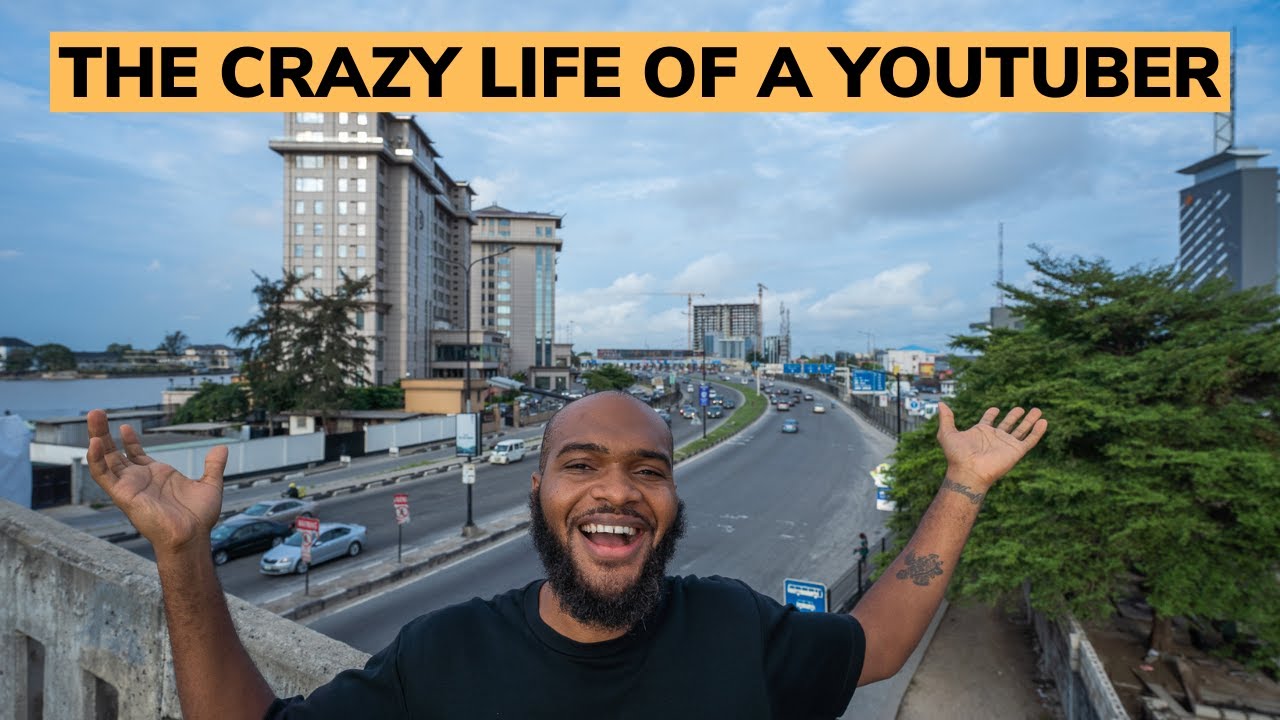
Tayo Aina built his name as a Nigerian YouTuber creating cinematic travel, lifestyle, and business documentaries across Africa. Over time, he shifted from vlogger to ecosystem builder, spotlighting African founders, cities, and tourism opportunities.
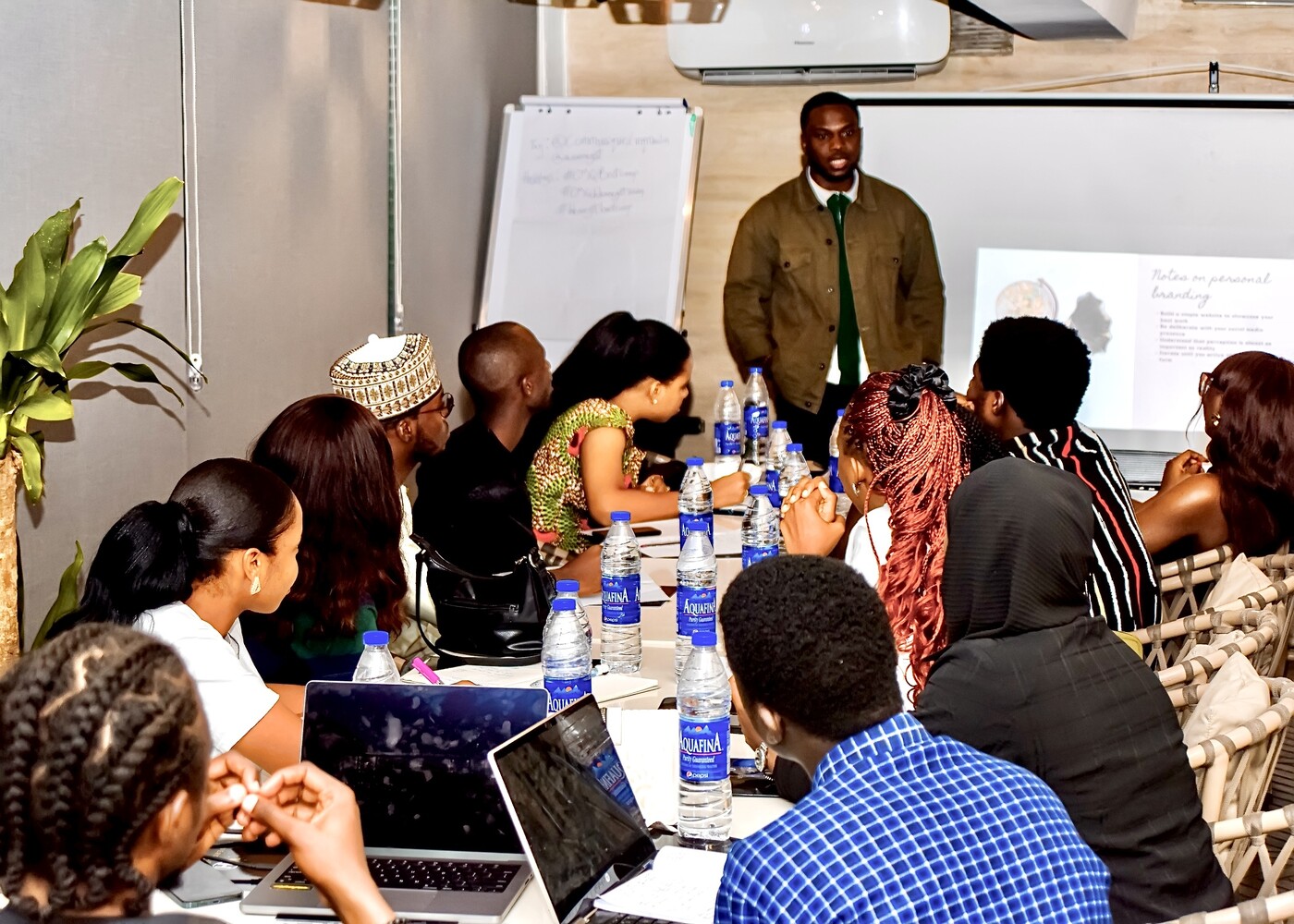
Moreover, as his audience grew, he moved into the startup space. He launched ventures and collaborations that support creators and entrepreneurs, including media projects that position Africa’s cities as global investment hubs. His channel now functions as a discovery engine for African startups, travel destinations, and real estate opportunities.
Consequently, Tayo’s model blends content, tourism, and investment storytelling. You are not just watching his videos; you are watching a soft-power engine that attracts capital and curiosity to African markets. His work mirrors the wider shift where creators become key distribution channels for African innovation.
Kenya: Elsa Majimbo and the business of brand-building beyond memes
During the global lockdowns, Kenyan comedian Elsa Majimbo became a worldwide sensation with low-fi, snack-filled comedy videos. However, she quickly turned that visibility into a serious brand platform. She signed deals with global giants like FENTY and Valentino and later co-created projects in fashion and media.
Furthermore, Elsa invested in building a distinct, luxury-leaning personal brand, positioning herself at the intersection of comedy, fashion, and high culture. She moved beyond being "the girl with the crisps" into a figure with long-term commercial value.
Importantly, her story shows how African creators can design brands that travel. As global media watches African youth culture more closely, creators like Elsa prove that you can start in Nairobi and end up on the front rows of global fashion weeks, while still building your own ventures behind the scenes.
South Africa: Lasizwe Dambuza’s journey from skits to media entrepreneur
South African creator Lasizwe Dambuza first exploded through humorous sketches about everyday South African life. His sharp character work made him one of the most recognizable digital comedians in the country.
Additionally, he leveraged his popularity into television hosting, brand partnerships, and scripted shows. Over time, he expanded into presenting and production, effectively turning his channel into a creative studio that collaborates with brands and networks.
As a result, Lasizwe’s path demonstrates how consistent digital content can become a gateway into a broader media empire. When you build a strong on-screen persona and own your audience, you can branch into production, IP ownership, and even tech-enabled fan engagement tools.
Ghana: Wode Maya and the pan-African storytelling startup
Wode Maya, originally from Ghana, built one of the most influential African YouTube channels by documenting stories of entrepreneurs, everyday people, and hidden opportunities across the continent. He often highlights African-owned businesses, real estate projects, and industrial ventures.
Moreover, his channel evolved into a platform that drives real economic outcomes. Many featured founders report increased sales, new investors, and international partnerships after appearing in his videos. In practice, Wode Maya runs a pan-African business discovery engine.
Consequently, his venture sits at the intersection of media, tourism, and business development. By turning a personal channel into a structured brand that employs teams and collaborates with governments and private sector players, he shows how a creator can function almost like an investment promotion agency.
Francophone Africa: Jackie Appiah and the power of cross-border brand building
Ghanaian-Canadian actress Jackie Appiah, who commands a massive following across Anglophone and Francophone Africa, offers another angle on creator-led startups. While known for her Nollywood and Ghallywood roles, her digital presence turned her into a lifestyle and beauty tastemaker across borders.
Furthermore, with influence spanning Ghana, Nigeria, and Francophone markets, she has built a strong foundation for brand collaborations, fashion ventures, and lifestyle platforms. Her social feeds showcase luxury, philanthropy, and fashion in a way that easily translates into future product lines or media projects.
In particular, Jackie’s cross-border presence reveals how Francophone and Anglophone markets are converging in the digital era. Creators who can bridge languages, cultures, and regions are best positioned to launch pan-African brands with serious scale potential.
Inside the playbook: What these creator-founders have in common
Although their niches differ, many leading African content creators building startups share a similar blueprint. If you want to move from influencer to founder, you can apply the same principles.
1. Clear niche and strong story
First, top creators define a clear niche and a sharp story. Whether it is comedy, travel, tech, business, or beauty, they specialize. They understand exactly why their audience follows them.
Additionally, they build a brand narrative: where they come from, what they stand for, and where they are taking their community. Strategy experts on African digital brands stress that a strong story helps both personal brands and startups attract loyal supporters[2].
Therefore, before you launch a product, you need to ask: what problem does my story and skills allow me to solve better than anyone else?
2. Community first, products second
Secondly, creator-founders treat community as the core asset. They answer DMs, read comments, run polls, and test ideas directly with their audience. They do not guess; they listen.
Moreover, this feedback loop drives product decisions. Many creators report that their best-selling products came from repeated follower questions and requests. For instance, if people keep asking about your editing style, that might be your signal to build a course or a preset pack.
Ultimately, community-first creators launch products that feel obvious, not forced. Their audiences almost pull the product into existence.
3. Multi-channel distribution and data-driven decisions
In addition, serious creator-led startups do not rely on one platform. They might start on YouTube, but they expand into TikTok, Instagram Reels, newsletters, and sometimes podcasts.
Furthermore, they track analytics closely: watch time, click-through rates, audience demographics, and traffic sources. According to influencer marketing guides, understanding your audience data is critical if you want to grow long-term partnerships and monetize your influence effectively[1][3].
Therefore, think of every post as both content and market research. Each video or tweet gives you data that can shape your next product or campaign.
4. Formal business structures and teams
Once revenue becomes consistent, the top African creator-founders formalize their operations. They register companies, hire accountants, and sign contracts through their businesses rather than as individuals.
Moreover, they begin to build teams: video editors, social media managers, operations leads, and sales reps. This frees them to focus on content and high-level strategy while the company runs daily operations.
As a result, their brands survive burnout, algorithm changes, or platform shifts. They become scalable businesses, not just personalities. If you want to follow their path, exploring stories under Business & Economy and Culture & Lifestyle will give you rich case studies.
How this wave is reshaping Africa’s digital economy
Creator-led startups are not just personal wins. They transform how money, culture, and opportunity move across Africa’s digital landscape. When you zoom out, several big shifts become clear.

1. New jobs and skills for African youth
Firstly, creator businesses hire. They build teams of videographers, designers, writers, community managers, and developers. For many young Africans, these roles are their first step into the tech and media industries.
Additionally, creator academies and digital courses train a new generation of editors, strategists, and digital marketers. This contributes to broader digital skills development across the continent, which many economic analyses call a key growth driver.
Consequently, the creator economy helps absorb some of Africa’s growing youth population into meaningful, future-ready work.
2. New routes to market for brands and startups
Secondly, brands now rely heavily on creators to reach consumers. SMEs and startups often skip traditional advertising and partner directly with trusted influencers.
Moreover, research on influencer marketing indicates that audiences often see creator recommendations as more authentic than classic ads[9]. This trust gives creators real negotiating power in the wider business landscape.
Therefore, when a Nigerian fintech, a Kenyan fashion brand, or a South African streaming service wants fast traction, partnering with creator-founders becomes a key strategy. It is not just marketing; it is co-building distribution.
3. Stronger global visibility for African creativity
Thirdly, creator-led startups export African culture at scale. Comedians, vloggers, fashion creators, and music influencers all beam African stories directly into global feeds.
Additionally, this visibility changes how the world perceives African cities, products, and people. Instead of waiting for foreign media coverage, African creators act as their own global broadcasters.
As a result, when you watch a Lagos-based creator launch a skincare line or a Nairobi comedian unveil a podcast, you are also watching a new narrative of African innovation unfold.
4. Blurring lines between tech, media, and culture
Finally, the new wave of African content creators building startups shows that the old silos between "media", "tech", and "culture" no longer apply. A single creator can run a YouTube channel, a SaaS tool, a streetwear label, and a training academy—powered by one community.
Furthermore, investors and ecosystem players now recognize creators as serious founders. You increasingly see creators on startup panels, accelerator programs targeting creator-led ventures, and collaborations between tech hubs and popular influencers.
Ultimately, this convergence means the next big African unicorn might not look like a traditional startup at all. It might start as a YouTube channel, a TikTok account, or a podcast.
How you can join Africa’s new wave of creator-led startups
If you are a current or aspiring creator, this shift opens a clear path for you. You do not need millions of followers to start; you need a sharp strategy and a real understanding of your audience.
Step-by-step roadmap to evolve from creator to founder
- Clarify your niche and promise: Define who you serve and why they follow you.
- Study your audience: Track comments, DMs, and analytics to see what problems they repeat.
- Test small offers: Launch a simple digital product, workshop, or merch drop to validate demand.
- Formalize your business: Register a company, open a business account, and track your finances.
- Invest in a team: Start with part-time editors or assistants, then grow as revenue increases.
Moreover, you should treat every launch as a test, not a final verdict on your potential. Successful creator-founders iterate quickly, keep their communities involved, and pivot when something does not resonate.
If you want more inspiration, explore creator and startup stories in Africa News and Opinion & Editorial. You will discover how other Africans turned small channels into scalable companies.
Mindsets that separate casual influencers from startup builders
In addition to tactics, mindset makes a major difference. The creators building real businesses think long-term, track their numbers, and protect their brand.
- Ownership over virality: They prefer owning an email list, a brand, or a product, not just views.
- Systems over chaos: They use content calendars, launch processes, and clear roles for their teams.
- Partnership over dependency: They treat brands, investors, and platforms as partners, not lifelines.
Furthermore, they know when to say no. Not every deal, app, or trend fits their long-term brand. Protecting trust with their audience remains more valuable than quick cash.
Explore more on Topping Africa
If this deep dive on African content creators building startups sparked ideas, do not stop here. Explore more, discover new voices, and follow the next wave of builder-creators shaping the continent.
- Technology: Stories on African tech startups, creator tools, and digital platforms transforming the continent.
- Entertainment: Profiles of comedians, vloggers, actors, and musicians turning fame into business.
- Business & Economy: Analysis of how new media empires reshape Africa’s economic landscape.
Additionally, read more about rising creators from your region, and share your thoughts on which influencers are quietly building the next great African media companies. Your comment might spotlight the next breakout founder.
Where Africa’s creator-led startup wave goes next
As you look ahead, one thing is clear: African content creators building startups will only grow more important. They control culture, distribution, and trust—three currencies every brand and platform now competes for.
Moreover, as payment rails improve, mobile money deepens, and broadband spreads, creators will find it easier to sell directly to fans at scale. Expect more subscription communities, member-only drops, and co-owned projects between creators and their audiences.
Ultimately, this moment belongs to the builders who can blend creativity with business discipline. If you are ready to move from creator to founder, Africa’s digital economy is wide open. Subscribe to your ambition, study the playbooks of today’s creator-founders, and start building the media empire only you can create.

Staff
Contributing writer at Topping Africa.
0 Comments
No comments yet. Be the first to share your thoughts!