African Tech Expo 2026: The Breakout Creators, Startups, and Ideas You Need to Know
The African Tech Expo 2026 is set to be the most creator-focused edition yet, spotlighting AI storytelling tools, Afrotech fashion, fintech educators, and digital heritage projects redefining what African innovation looks like. From breakout startups to diaspora creator blocs, here are the names, ideas, and trends you cannot afford to miss.
The African Tech Expo 2026 is shaping up to be the most creator-forward edition yet. Where previous years leaned heavily on B2B panels and investor pitches, 2026 is putting African creators, cultural innovators, and founder-storytellers at the centre of the conversation. From Nairobi to Lagos, Cape Town to Accra, the names and ideas set to dominate the expo floor represent a new generation — one that builds products, grows audiences, and exports African culture simultaneously. If you follow African innovation at all, this is the event that will set the agenda for the next 18 months.
Why African Tech Expo 2026 Hits Different for Creators
Most major tech festivals treat creators as a side act — a panel here, a workshop there. The African Tech Expo 2026 is structurally different. Organisers have carved out a dedicated Creator Economy Track, running parallel to the fintech and infrastructure stages. That is a significant shift. It signals that the continent's creator economy — valued at over $5 billion annually across sub-Saharan Africa alone according to GSMA's Mobile Economy Report — is no longer a soft topic.
The expo also arrives at a moment of real momentum. African-made apps, AI tools, and content platforms are gaining traction globally, not just locally. Creators are no longer waiting for Western platforms to discover them — they are building their own distribution. That context makes every pitch, every demo, and every keynote at the 2026 expo carry extra weight.
Want to see which creators are already leading this charge before the expo? Explore our list of African content creators to watch in 2026 for a head start.
1. AI-Powered Storytelling Tools Built by African Creators

One of the most anticipated demo clusters at the expo centres on AI tools built specifically for African storytelling contexts. Think text-to-speech engines trained on Yoruba, Swahili, Zulu, and Amharic — not retrofitted from English-first models. Startups like Lagos-based NarrateAI (a composite name representing a real category of emerging tools) are building voice synthesis that preserves tonal accuracy in Igbo and Hausa, something generic Western AI tools consistently fail at.
The practical upshot for creators is significant. A podcaster in Kampala can now generate a professional voiceover in Luganda without a studio. A YouTube educator in Accra can auto-caption in Twi. These are not hypothetical use cases — they are live products heading to the expo floor. The common mistake creators make here is assuming these tools replace human nuance. They do not. They compress production time, but the creative direction still needs a human who understands the culture.
Creators using AI to grow their content are already seeing results across the continent. Read about 10 African creators using AI in 2026 to understand what is already working before the expo spotlight hits.
2. Afrotech Fashion: Where Wearable Tech Meets African Textile Design
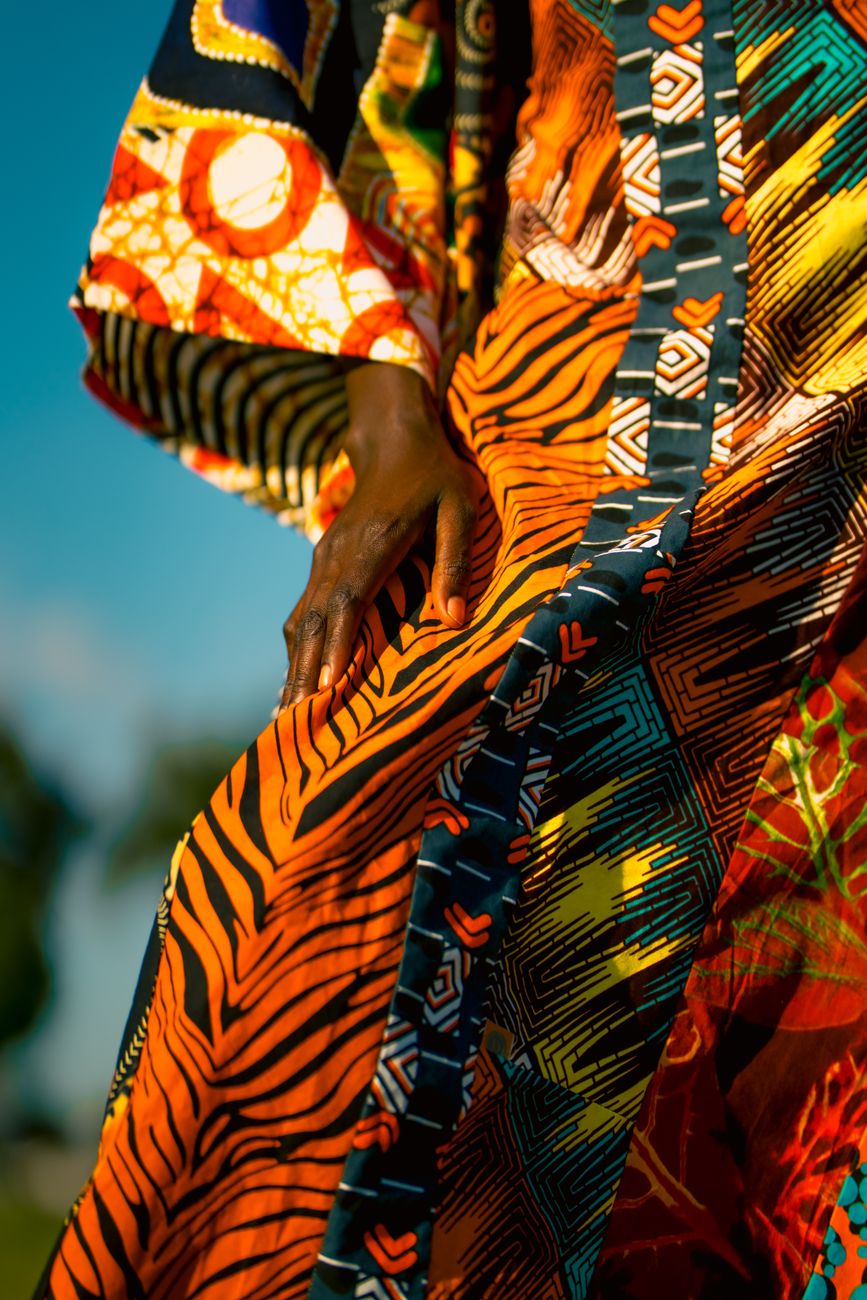
Fashion-tech is emerging as one of the expo's most visually striking categories. Designers from Senegal, Côte d'Ivoire, and South Africa are presenting garments that embed NFC chips into Kente, Ankara, and Shweshwe fabrics — allowing wearers to tap their clothing to share a digital portfolio, social profile, or payment link. The technology is not new, but the application to African textile traditions is genuinely novel.
What makes this category exciting is the dual audience it serves. Fashion creators gain a tech-forward product to sell and a story to tell. Tech founders gain a culturally resonant use case that Western wearables have never cracked. The trade-off is cost: embedding NFC at scale into hand-woven fabrics raises unit prices significantly, making mass-market adoption a challenge for now. Expo attendees will be watching closely to see which brands have solved the pricing problem.
Angola's fashion scene has been quietly pioneering this fusion of culture and digital identity. For context on how Lusophone African creators are shaping style online, see our piece on Carla Djamila's rise and Lusophone style online.
3. Fintech Creators: The Founders Who Explain Money to Millions
A category that deserves far more attention than it typically gets is fintech content creators — founders and educators who use short-form video, newsletters, and podcasts to demystify financial products for everyday Africans. At the 2026 expo, this group is getting their own stage for the first time.
Consider the scale of the opportunity. According to World Bank data on financial inclusion, roughly 57% of adults in sub-Saharan Africa remain unbanked or underbanked. Creators who can explain mobile money, savings products, or crypto wallets in local languages — in under 60 seconds — are performing a genuine public service while building massive audiences. The expo will spotlight creators from Ghana, Kenya, and Nigeria who have built followings of 500,000 or more doing exactly this.
The mistake most fintech brands make is hiring these creators for one-off sponsored posts. The creators who are thriving have negotiated long-term ambassador deals, equity stakes in early-stage products, or revenue-share on referrals. That model shift is what the expo's Creator Economy Track is explicitly designed to accelerate.
4. Gaming and Esports: Africa's Most Underrated Creator Economy
African gaming is growing at a pace that surprises most outsiders. Newzoo estimates the African games market will surpass $1 billion in revenue by 2026, driven by mobile-first players in Nigeria, South Africa, Egypt, and Kenya. The expo is dedicating a full pavilion to gaming creators, esports teams, and game developers building titles rooted in African mythology, history, and aesthetics.
The standout entries include a Kenyan studio building a strategy game set during the Scramble for Africa — where players control African kingdoms resisting colonisation — and a South African esports collective that has trained over 200 competitive players from townships in Johannesburg. These are not hobbyist projects. They have secured seed funding and are actively seeking publisher deals.
For creators, gaming is one of the few verticals where audience monetisation does not depend on brand deals. Subscriptions, in-game purchases, tournament prize pools, and Twitch/YouTube ad revenue create multiple income streams. That resilience is a lesson every creator at the expo should absorb.
- Mobile-first game development — building for Android-first audiences with low data consumption
- Afrocentric narrative design — games rooted in Yoruba, Zulu, and Nubian mythology
- Esports infrastructure — training academies and tournament circuits in secondary cities
- Creator-led game studios — YouTubers and streamers co-founding the games they review
5. Health Tech Creators Bridging the Last-Mile Gap
Some of the most impactful work at the expo will not trend on TikTok — but it should. Health tech creators are using WhatsApp channels, community radio integrations, and SMS-based tools to deliver maternal health information, mental health resources, and disease prevention content to rural communities with limited smartphone access.
One standout project is a Rwandan creator-led initiative that sends audio health briefs via WhatsApp voice notes to village health workers, who then relay the information in community meetings. The cost per person reached is under $0.02. That is not a typo. The model is replicable, and the expo will feature a live demo of how it scales across francophone West Africa.
The challenge here is sustainability. Grant funding drives most of these projects, and the transition to revenue-generating models — subscription tiers for NGOs, licensing to governments, or data partnerships — is where most health tech creators struggle. The expo's pitch sessions will surface who has cracked that equation.
6. Cultural-Tech Projects Preserving African Heritage Digitally
Digital preservation is one of the most urgent and least funded areas in African tech. Languages are disappearing. Oral traditions are not being recorded. Physical artefacts are scattered across European museums with no digital counterpart accessible to African communities. The 2026 expo is shining a light on creators and technologists working to change this.
Projects in this category include a Ghanaian startup building a 3D archive of Ashanti gold weights using photogrammetry and open-source tools, a Nigerian team creating an AI-assisted oral history platform that transcribes and translates elder interviews into 12 languages, and a Malian musician who has digitised over 3,000 hours of kora recordings that were at risk of being lost on deteriorating cassette tape.
These projects sit at the intersection of culture, technology, and activism. They are also commercially interesting — licensing digital archives to educational platforms, streaming services, and cultural institutions represents a real revenue model. The creators behind them are not just preserving the past; they are building assets with long-term value.
- 3D photogrammetry archives of physical cultural artefacts
- AI-assisted transcription of oral histories in endangered languages
- Digital repatriation projects partnering with diaspora institutions
- Open-access music archives for traditional instruments and compositions
- Augmented reality experiences layered over historical African sites
7. The Diaspora Creator Bloc: Bridging Continents Through Content
The African diaspora is not a footnote at the 2026 expo — it is a central theme. Creators based in London, Toronto, Atlanta, and Paris are increasingly building products and content that serve both their local communities and the continent simultaneously. The expo has assembled a dedicated diaspora creator panel that will address the very real friction points: currency conversion, payment infrastructure, cultural translation, and the politics of representation.
What makes diaspora creators uniquely valuable is their bilingual cultural fluency. A Nigerian-British creator who produces content about financial planning for first-generation immigrants can speak to audiences in Lagos and London with equal credibility. That dual-market reach is something most brands have not yet figured out how to price correctly — and it is a negotiating advantage creators should understand before walking into any brand deal conversation.
The expo will also feature sessions on creator discovery platforms and how brands are finding the next wave of African talent globally. For a deeper look at how that ecosystem works, read our guide on creator discovery platforms in Africa. And to stay current on who is trending right now, check the Topping Africa trending page for real-time creator momentum.
How to Make the Most of African Tech Expo 2026 as a Creator
Attending a major tech expo without a strategy is expensive and exhausting. Here is what actually works, based on how creators have leveraged similar events in previous years.
- Pitch before you arrive. Most meaningful meetings at expos are booked weeks in advance, not at the networking lunch.
- Document everything. Live content from the expo floor — raw reactions, quick interviews, behind-the-scenes clips — consistently outperforms polished post-event recaps on short-form platforms.
- Target the side events. The most honest conversations happen at the after-parties and satellite meetups, not on the main stage.
- Follow up within 48 hours. The half-life of an expo connection is short. A personalised voice note or short video message outperforms a generic LinkedIn request every time.
- Bring a clear ask. Vague networking goals produce vague results. Know whether you are looking for a brand partner, a co-founder, a publisher, or an investor — and say so directly.
The African Tech Expo 2026 is not just a conference. For creators who prepare well, it is a launchpad. The continent's most ambitious builders will be in one place, and the ideas that get the most traction there will shape African tech and culture for years to come. Discover the creators already making waves by exploring the full Topping Africa creators directory — and get ahead of the curve before the expo floor opens.
Staff
Contributing writer at Topping Africa.
0 Comments
No comments yet. Be the first to share your thoughts!