
African Diaspora Goods: How Black Creators Are Redefining Global African Culture and Fashion
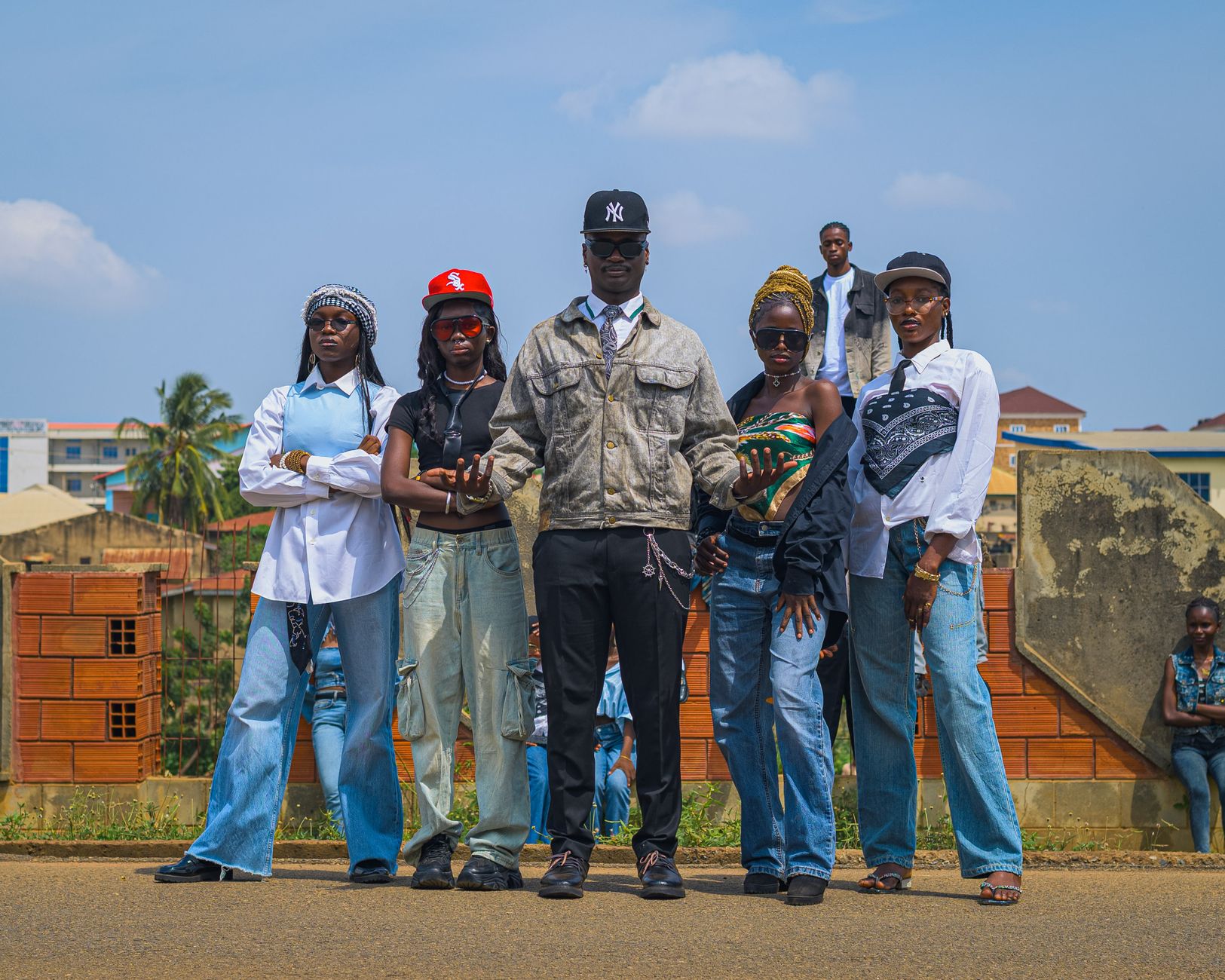
African diaspora goods are reshaping global fashion, art, and lifestyle — driven by creators who blend precise cultural heritage with digital-era commerce. From Denim Tears to independent Etsy artisans, this is the story of how Black creators are building a new global cultural economy. Discover the brands, the strategies, and the platforms making it happen.
African Diaspora Goods Are Having a Cultural Moment — And It's Not Accidental
The global appetite for African diaspora goods has never been stronger. From Denim Tears' cotton-wreath hoodies selling out in minutes on SSENSE, to a Ghanaian-British ceramicist shipping hand-thrown kente-glazed bowls to buyers in Tokyo and Toronto, a quiet economic and cultural revolution is underway. This is not a trend built on novelty. It is the result of decades of creative labour, cultural pride, and a digital infrastructure that finally allows African creators to sell directly to a global audience — on their own terms.
What makes this moment different from past "Africa is rising" narratives is specificity. Creators are not producing vague "African-inspired" aesthetics for Western approval. They are building brands rooted in precise cultural references — Yoruba adire resist-dyeing, Congolese sapeur tailoring, Ethiopian tibeb weaving — and finding that global audiences are hungry for exactly that depth. The result is a new category of commerce that sits at the intersection of identity, craft, and digital entrepreneurship.

From Denim Tears to Depop Sellers: The Full Spectrum of the Market
Tremaine Emory's Denim Tears is the most visible tip of this iceberg. His 2020 Levi's collaboration — white denim embroidered with cotton wreaths as a symbol of enslaved Black labour — sold out globally and was covered by Vogue as a landmark moment in fashion activism. But Emory is one name in a sprawling ecosystem. Below him, and arguably more economically significant in aggregate, are thousands of independent African and diaspora creators building micro-brands with real revenue.
Consider the numbers. McKinsey's research on African consumer markets projects that Africa's consumer spending will reach $2.1 trillion by 2025, with fashion and lifestyle goods among the fastest-growing categories. Diaspora creators are capturing a slice of that from both ends — selling to Africans on the continent and to the African diaspora abroad, who collectively number over 200 million people globally.
The platforms enabling this are diverse. Etsy hosts thousands of African-owned shops selling everything from Ankara print laptop bags to hand-carved Malian wood sculptures. Shopify powers independent storefronts for labels like Lagos-based Fruche or London-based Maki Oh. Instagram and TikTok serve as both discovery engines and direct sales channels. The infrastructure exists. The question is who knows how to use it.
The Three Tiers of Diaspora Brand Building
Not every African diaspora creator operates at the same level, and conflating them leads to bad strategy. The market breaks down into roughly three tiers:
- Heritage craft sellers — artisans on the continent selling directly via Etsy, WhatsApp commerce, or Instagram DMs. Average order values of $30–$120. High authenticity, low brand infrastructure.
- Diaspora micro-brands — second-generation African creators in the UK, US, France, or Canada building label identities around specific cultural references. Revenue typically $50K–$500K annually. Strong social media presence, growing wholesale interest.
- Crossover luxury labels — designers like Maximilian Davis (now at Ferragamo), Grace Wales Bonner, or Kenneth Ize, who blend African textile heritage with high-fashion positioning. These brands operate at $500+ price points and show at Paris or London Fashion Week.
Each tier has different needs, different obstacles, and different opportunities for collaboration. Treating them as one monolith is the most common mistake brands and platforms make when trying to "support African creators."
What African Diaspora Goods Actually Look Like in 2025
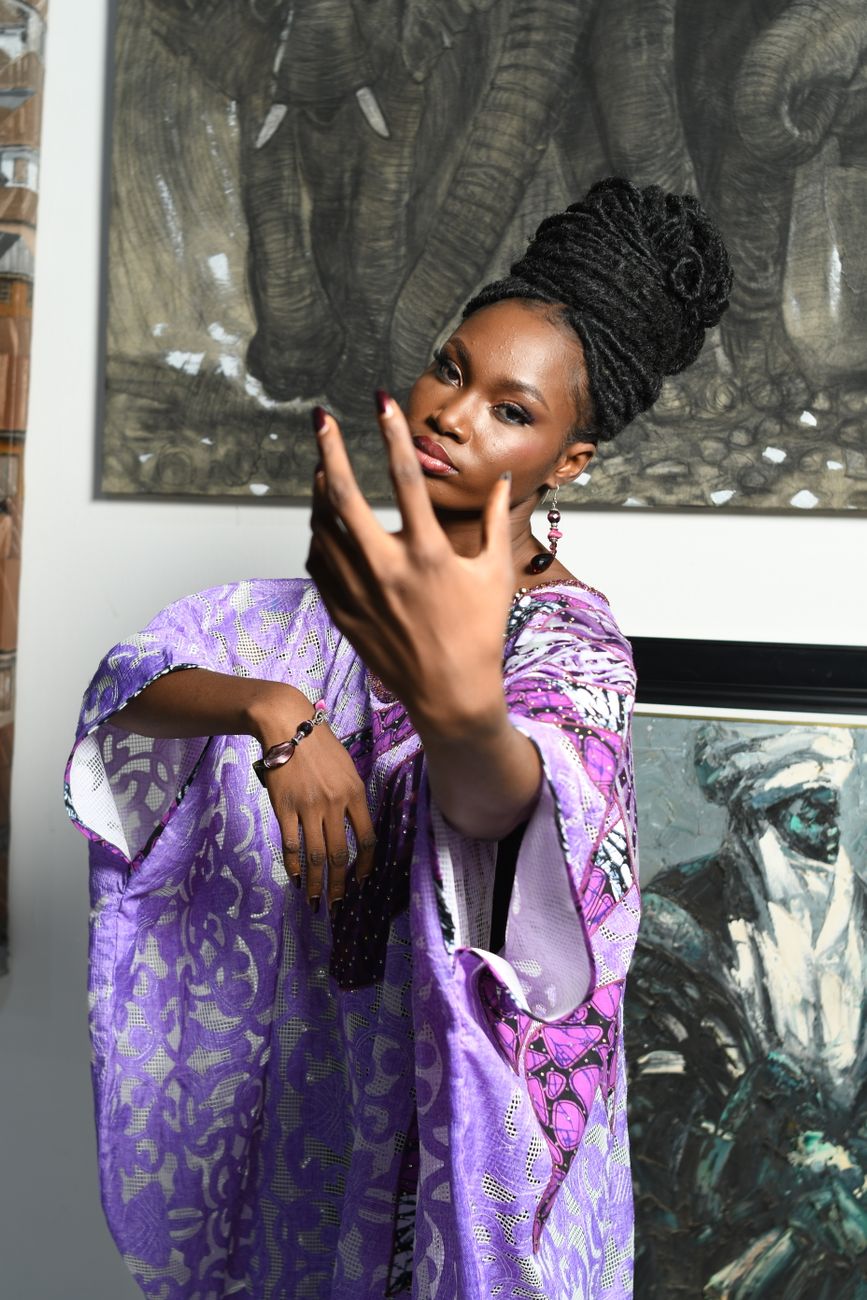
The category is far broader than fashion. African diaspora goods now encompasses:
- Streetwear and ready-to-wear — labels using Ankara, kente, mudcloth, and adire in contemporary silhouettes
- Homeware and interiors — hand-woven baskets, ceramic pieces, printed textiles for cushions and throws, often blending West African pattern systems with Scandinavian minimalism
- Beauty and wellness — shea butter formulations, black soap bars, and hair care lines rooted in African botanical traditions (think Hanahana Beauty or Bolden skincare)
- Art prints and digital goods — Afrofuturist illustration, photography celebrating everyday African life, and NFT collections by creators like Osinachi
- Food and drink — suya spice kits, jollof rice seasonings, and fermented locust bean condiments finding shelf space in UK supermarkets
The common thread is not aesthetics — it is provenance and intentionality. Buyers of these goods are increasingly sophisticated. They want to know the maker's name, the specific region a textile tradition comes from, and whether the creator is fairly compensated. This is not just ethical consumerism; it is a form of cultural participation.
Discover more creators shaping this space on Topping Africa's creator directory, where diaspora-led brands are featured alongside continent-based innovators.
Cross-Border Collaboration: The Real Growth Lever
The most exciting — and underreported — opportunity in African diaspora goods is not individual brand growth. It is cross-border collaboration between diaspora creators and continent-based artisans. When a Brooklyn-based Senegalese designer partners with a cooperative of weavers in Thiès, both parties win. The designer gets authentic materials and a story. The cooperative gets consistent orders, fair pricing, and global exposure.
This model is already working. London label Maki Oh sources hand-adired fabrics from Nigerian artisans. Accra-based Christie Brown has collaborated with diaspora stylists to reach new markets in the US. These are not charity partnerships — they are supply chain relationships built on mutual commercial interest.
The friction points are real, though. Currency volatility, unreliable shipping infrastructure, and payment processing barriers (many African artisans cannot receive PayPal) create genuine operational headaches. Creators who navigate these successfully tend to use a combination of Flutterwave or Paystack for Africa-side payments, Wise for international transfers, and DHL or Aramex for logistics. Knowing which tools to use — and when they break down — is the practical knowledge that separates sustainable businesses from one-hit wonders.
For a closer look at how one creator built a cross-continental fashion identity, read our profile on Carla Djamila's rise in Angola fashion and Lusophone style.
Common Mistakes Diaspora Brands Make (And How to Avoid Them)
Building a diaspora goods brand looks straightforward from the outside. In practice, several predictable errors derail promising labels:
- Vague cultural attribution — saying "African-inspired" without specifying the ethnic group, region, or craft tradition. This reads as appropriative even when it isn't, and it fails to connect with the buyers who would pay a premium for specificity.
- Underpricing heritage craft — hand-woven kente takes days to produce. Pricing it at fast-fashion rates destroys the artisan's margin and devalues the category for everyone. A baseline: if your landed cost is $40, your retail price should be at least $120–$160.
- Ignoring the continent as a market — diaspora creators often build entirely for Western buyers and miss the growing middle class in Lagos, Nairobi, Accra, and Johannesburg. Africa's e-commerce sector is growing at roughly 17% annually. That is a market worth entering.
- One-platform dependency — building a business entirely on Instagram is a single point of failure. Algorithm changes in 2023 and 2024 wiped out the organic reach of hundreds of small African fashion accounts overnight.
How Digital Platforms Are Amplifying African Creator Voices
The digital shift has been the single biggest structural change for African diaspora goods. Ten years ago, a Lagos-based jewellery maker's market was limited by geography. Today, a well-shot Instagram Reel of her work can reach a buyer in Paris within 48 hours of posting. That compression of distance is genuinely revolutionary.
TikTok has been particularly powerful for discovery. Creators who document their making process — showing the hands weaving, the dye vats, the pattern-cutting — consistently outperform those who only post finished product shots. The algorithm rewards process content because it holds attention longer. This is a concrete, actionable insight: show the work, not just the result.
Meta's creator programmes are also opening new doors. As we covered in our piece on how Meta's creator discovery programme is changing the game for African creators, structured visibility tools are now helping smaller brands reach audiences they could never have accessed through paid advertising alone.

The rise of AI-powered e-commerce tools is the next frontier. Automated product tagging, AI-generated size guides, and smart inventory forecasting are no longer exclusive to large retailers. Shopify's AI commerce suite now puts these tools within reach of independent sellers — including diaspora creators with limited technical teams.
What This Means for African Entrepreneurs Right Now
The opportunity is real, but it rewards preparation. Here is what African entrepreneurs entering the diaspora goods space should prioritise in 2025:
- Document your cultural specificity. Write down the exact ethnic tradition, craft technique, or regional aesthetic your work draws from. This is your brand story and your SEO content simultaneously.
- Build an email list from day one. Social platforms are rented land. An email list of 2,000 engaged buyers is worth more than 50,000 passive Instagram followers.
- Price for sustainability, not for speed. Underpricing to compete with mass-market alternatives is a race you cannot win. Compete on provenance, craft, and story instead.
- Explore wholesale alongside direct-to-consumer. Getting one stockist — a boutique in Berlin, a concept store in New York — validates your brand and provides working capital while you grow your own channel.
- Collaborate before you scale. Partner with a diaspora creator in a complementary category. A homeware brand and a fashion label sharing an audience have everything to gain from a joint campaign and nothing to lose.
The creators who are winning in this space share one trait: they treat cultural knowledge as a competitive asset, not a background detail. The specificity is the product.
Topping Africa as the Discovery Layer for Diaspora Brands
Finding these creators — across 54 countries, dozens of diasporic communities, and hundreds of craft traditions — is genuinely hard. That is the problem Topping Africa is built to solve. The platform functions as a discovery hub for African and diaspora-led brands, connecting audiences with creators they would never find through a standard Google search or Instagram scroll.
The trending section on Topping Africa surfaces creators gaining momentum right now — whether that is a Rwandan fashion photographer breaking through on TikTok or a Nigerian ceramicist whose work just landed in a London gallery. This kind of curated, culturally literate discovery is what the market has been missing.
For buyers, collaborators, and investors looking to engage with African diaspora goods authentically, the platform offers a starting point that goes beyond surface-level representation. Explore the full creator directory at Topping Africa Explore and discover the brands shaping the next chapter of global African culture.
The boom in African diaspora goods is not a moment. It is a structural shift in how African culture moves through the global economy — carried by creators who know exactly what they are making, why it matters, and who it is for. The infrastructure is here. The audience is ready. The only question is which creators will build the brands that define this generation.
Staff
Contributing writer at Topping Africa.
0 Comments
No comments yet. Be the first to share your thoughts!