
African Culture Clothing 2.0: How Heritage Attire Is Becoming a Global Fashion Force
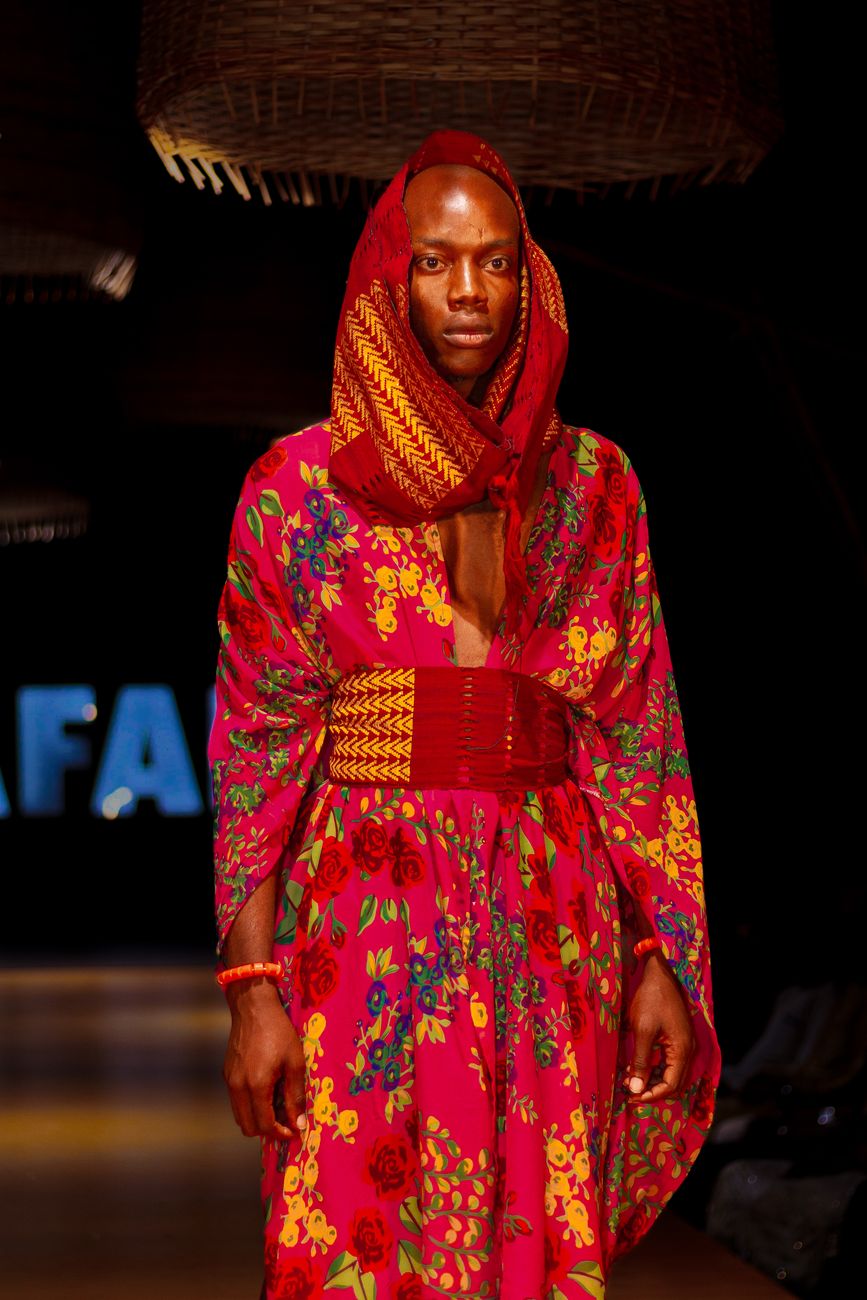
African culture clothing is evolving from heritage attire into a global fashion force — powered by creator-entrepreneurs, diaspora designers, and social-first brands. This deep-dive explores 8 defining movements reshaping African fashion, from Ankara direct-to-consumer labels to digital NFT wearables, with the business logic and trade-offs behind each one.
African culture clothing is no longer a niche conversation held within the continent's borders. It is a multi-billion-dollar global movement, driven by a new generation of creator-entrepreneurs who are taking Kente cloth, Ankara prints, Kaftans, and head wraps from community markets to the runways of Paris, London, and New York. This is not simply a fashion story — it is a business and innovation story, one where identity, craft, and creator economy tools are colliding to produce brands with genuine global reach.
The numbers back this up. The African fashion industry is projected to reach $31 billion by 2030, according to Statista. Yet the most exciting growth is not happening inside legacy fashion houses — it is happening through independent designers, social-first brands, and creator-led labels that are using Instagram, TikTok, and Shopify to bypass traditional gatekeepers entirely. To understand how African culture attire is being modernized into globally appealing brands, you need to look at the specific designers, strategies, and creative decisions behind the looks.
Below are 8 defining trends and creator-led movements reshaping African fashion right now — with the business logic, trade-offs, and actionable insights behind each one.
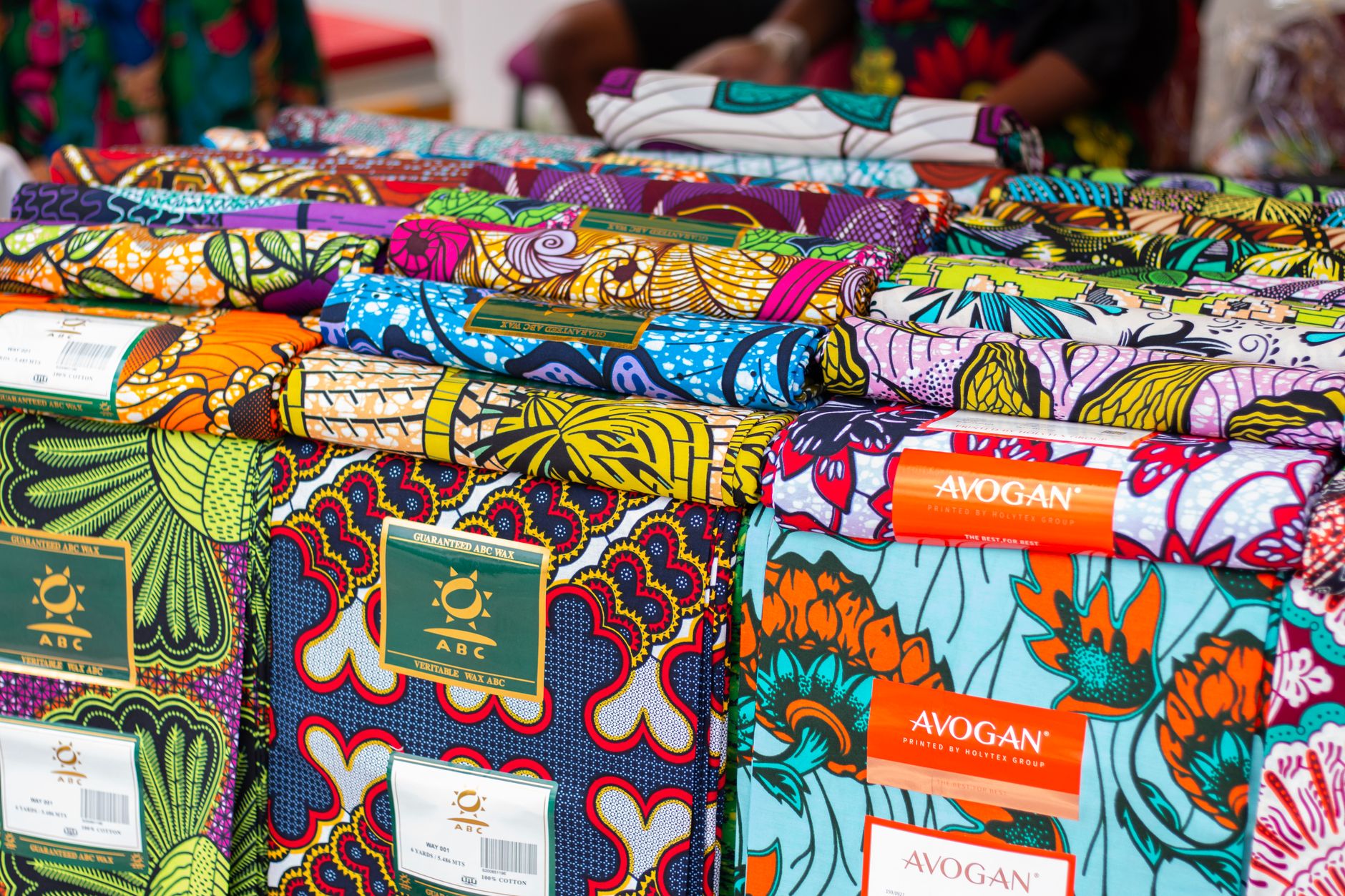
1. Ankara Print Goes Direct-to-Consumer — and Designers Are Winning Big
For decades, Ankara fabric — the bold, wax-printed cotton synonymous with West African culture clothing — was sold through middlemen and physical markets. Designers like Lisa Folawiyo of Jewel by Lisa (Lagos) changed that playbook by moving Ankara into premium, direct-to-consumer territory. Her embellished Ankara pieces retail between $300 and $800 and have appeared on international celebrities, generating press that no ad budget could have bought.
The key business move? Folawiyo treated Ankara not as a commodity fabric but as a signature material — the way a French house treats silk. She added hand-embroidery and bespoke tailoring, which justified the price point and created scarcity. Designers who try to compete on cheap Ankara production alone get squeezed by fast-fashion copycats. The ones who win add a layer of craft that is genuinely hard to replicate at scale.
- Lesson: Differentiate on craft and story, not just pattern.
- Common mistake: Launching with too many SKUs — the most successful Ankara brands start with 3-5 hero pieces and build outward.
- Platform of choice: Instagram and a Shopify store with international shipping from day one.
2. Head Wraps Get a Creator Economy Rebrand — From Tradition to Trademark
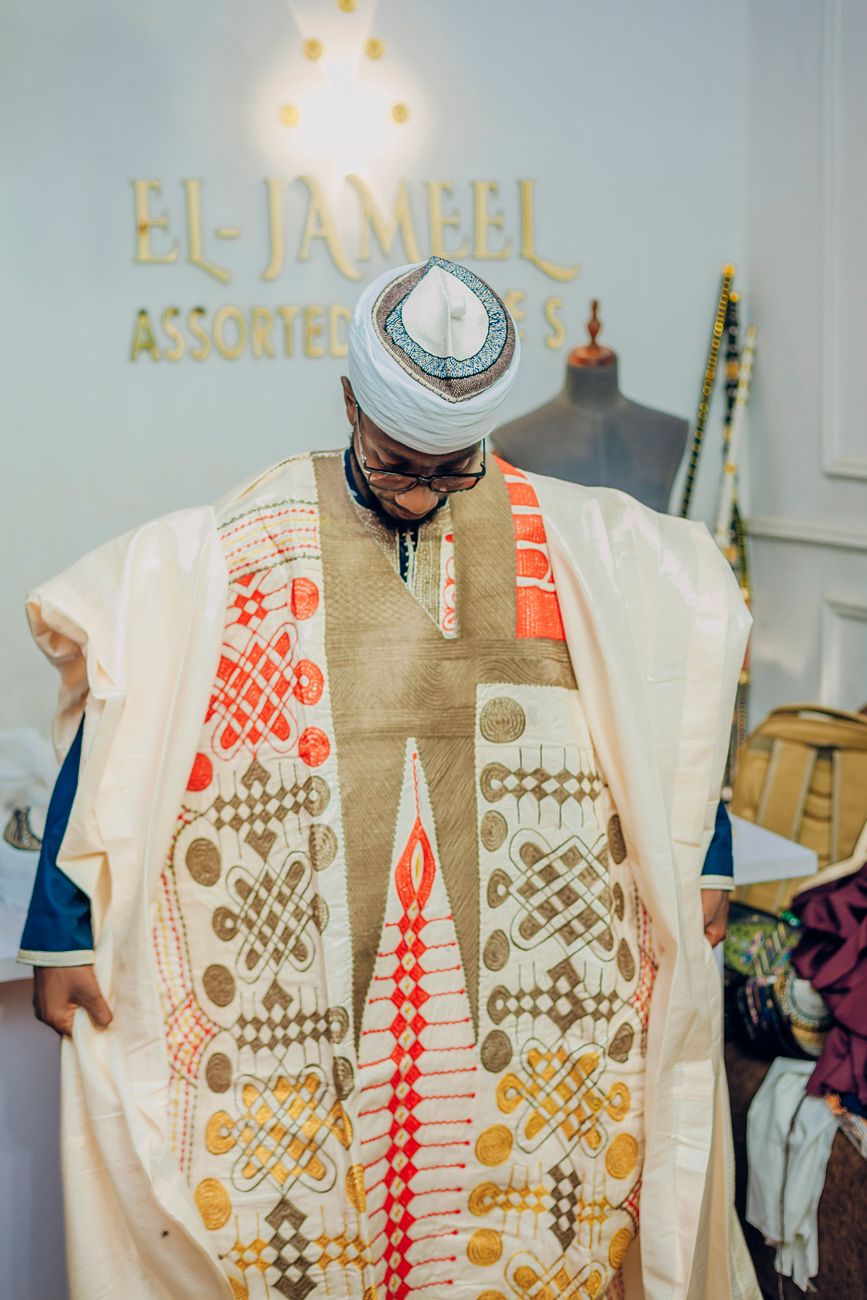
The African head wrap — known as gele in Yoruba culture, duku in Ghana, and dhuku in Zimbabwe — carries centuries of cultural meaning. Now, a wave of creator-entrepreneurs is turning it into a product category with its own brand identity, tutorials, and community. Tying the Knot with Nnenna, a content creator based between Lagos and London, grew a YouTube channel around gele tutorials to over 400,000 subscribers, then launched a pre-tied gele product line that sold out its first run in 72 hours.
This is a textbook creator-to-commerce pipeline: build an audience around a skill, then monetize through a product that solves a real problem (many diaspora women love gele but struggle with the tying technique). The pre-tied format removed the friction. Critically, she kept the cultural narrative front and center — every product description references the Yoruba tradition behind the style, which resonates deeply with the diaspora market.
The trade-off here is authenticity versus scalability. Once a head wrap brand starts manufacturing at volume, quality control and cultural sensitivity both require active management. Brands that outsource production to non-African factories without proper oversight have faced public backlash from their own communities — a reputational risk that can unravel years of trust-building overnight.
3. Kente Cloth Crosses Over — Without Losing Its Roots
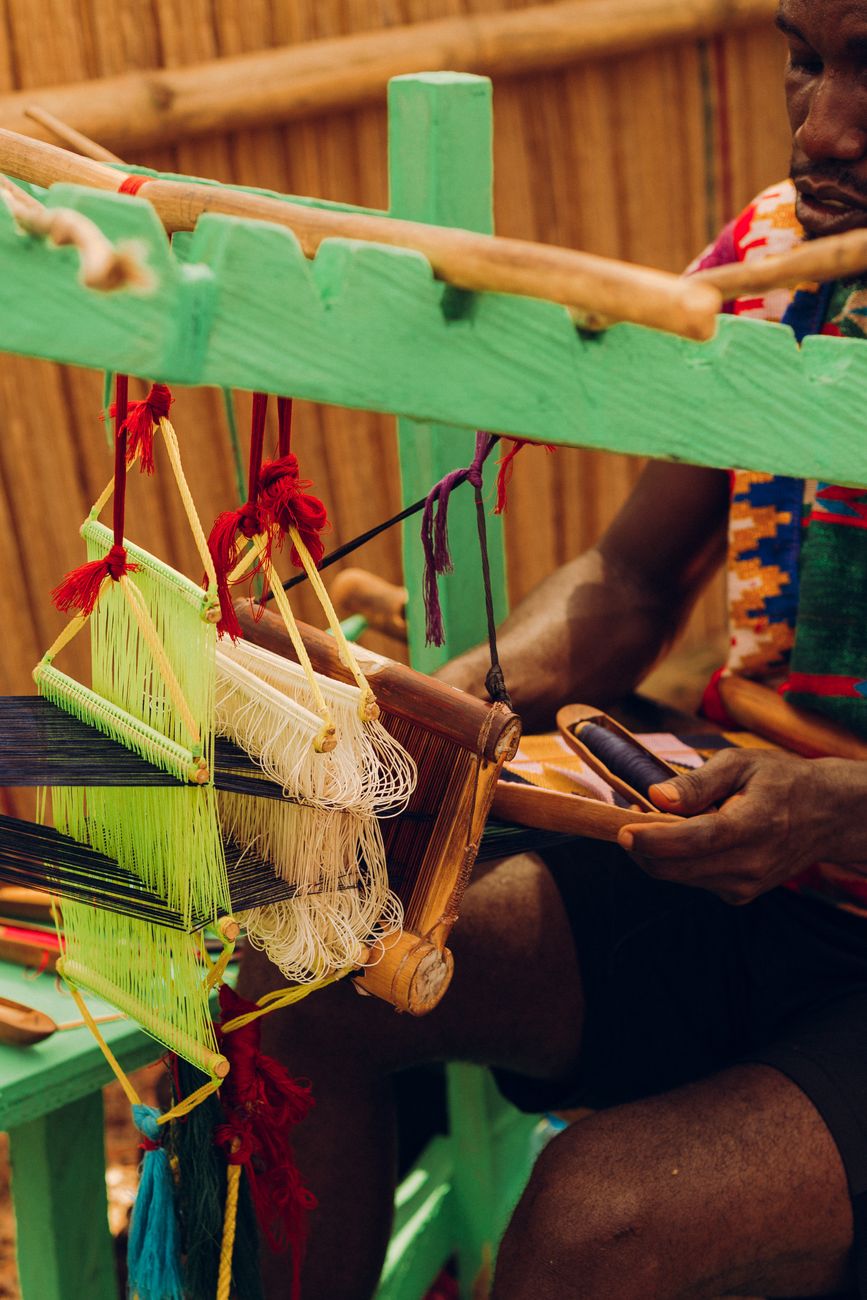
Kente, the hand-woven silk and cotton cloth from Ghana's Ashanti Kingdom, is arguably the most globally recognized piece of African culture attire. Its crossover into mainstream Western fashion — think Beyoncé's Black Is King visual album or the Congressional Black Caucus's Kente stoles — has created both opportunity and risk for Ghanaian designers. The opportunity: massive global demand. The risk: mass-produced imitation Kente flooding the market from Chinese factories.
Christie Brown, one of Ghana's most celebrated designers, has navigated this by positioning her brand firmly in the luxury segment and partnering directly with Ashanti weavers. She co-designs with artisans, credits them publicly, and uses their names in her marketing. This is not just ethical — it is smart brand-building. Consumers who care about provenance (and they are a growing segment) pay a premium for verified craft origin.
- Verified artisan partnerships create defensible brand stories.
- Blockchain-based provenance tools (like Sourcemap) are emerging as a way to certify African textile origins — an edge early adopters can use.
- Designers who ignore imitation risk losing their price positioning within 18-24 months of going viral.
4. African Culture Clothing Meets Streetwear — A Gen Z Power Move
Streetwear and African heritage attire might seem like an unlikely pairing. In practice, it is one of the most commercially potent fusions in global fashion right now. Maxivive (Nigeria) and Thebe Magugu (South Africa) — the latter a winner of the LVMH Prize — are leading examples of designers who are pulling traditional silhouettes, patterns, and symbolism into contemporary, youth-facing cuts.
Thebe Magugu's approach is particularly instructive. He uses South African iconography — from apartheid-era protest aesthetics to indigenous beadwork — and translates them into ready-to-wear pieces that retail at accessible luxury price points (roughly $200–$600). His brand has been stocked by Net-a-Porter and Ssense, giving it distribution that most African designers never reach. The secret is not just design talent — it is editorial storytelling. Every Thebe Magugu collection comes with a written narrative that gives international buyers and press a clear entry point into the cultural references.
For creators looking to enter this space, the lesson is clear: context is a product feature. A garment without a story is just fabric. A garment with a well-told story is a cultural artifact — and people pay very differently for those two things.
5. The Diaspora Designer — Building Brands Between Two Worlds
Some of the most commercially successful African fashion brands are being built by diaspora creators who straddle two cultural contexts by design. Tongoro Studio, founded by Senegalese designer Sarah Diouf and based in Dakar, ships globally and counts Beyoncé among its high-profile customers. Diouf built her brand almost entirely through Instagram, using the platform's visual format to communicate both the aesthetic and the cultural depth of her pieces.
The diaspora designer has a structural advantage: fluency in both African heritage and Western consumer expectations. They know which cultural references will translate, which need explanation, and which should be kept sacred and kept out of commercial packaging. This cultural bilingualism is genuinely hard to replicate and is a moat that purely Western brands cannot easily cross.
Discover more about how African creators are bridging culture and commerce on the Topping Africa Creators page — a growing directory of the continent's most innovative voices.
6. Creator-Led Fashion Labels Are Replacing Traditional Fashion Weeks
Lagos Fashion Week and Dakar Fashion Week remain important showcases. But a growing number of African fashion creators are bypassing the runway entirely, using TikTok drops, Instagram Lives, and WhatsApp pre-orders to launch collections directly to their audiences. This is not a workaround — it is a deliberate strategic choice that cuts out sample costs, showroom fees, and buyer gatekeepers.
The economics are compelling. A traditional fashion week debut can cost a Lagos-based designer $15,000–$40,000 in production, logistics, and PR. A well-executed TikTok drop, by contrast, can cost under $500 and reach a larger, more targeted audience. The trade-off is that you lose the prestige signal that a major fashion week provides — which still matters for wholesale buyers and luxury positioning. Smart brands use both: a social-first launch to build hype, then a curated fashion week appearance to signal credibility.
- TikTok: Best for viral reach and Gen Z acquisition.
- Instagram: Best for community building and direct sales.
- WhatsApp broadcast lists: Underrated — high open rates, deeply personal, ideal for limited drops.
For a deeper look at how African creators are monetizing their platforms, read our analysis on how African content creators make money on Facebook, TikTok, and X in 2026.
7. Sustainable African Fashion — Heritage Craft as an Eco-Advantage
Here is an angle that is chronically underreported: traditional African textile production is inherently more sustainable than fast fashion. Hand-woven fabrics like Kente, Aso-oke, and Bogolan (mud cloth from Mali) are produced in small batches, use natural dyes, and generate minimal waste. In a global market increasingly driven by sustainability demand, this is not just a cultural selling point — it is a competitive advantage.
Brands like Studio 189, co-founded by actress Rosario Dawson and Abrima Erwiah, have built their entire positioning around this intersection of African craft and sustainability. They work directly with artisans in Ghana and produce in limited runs, which both preserves craft traditions and commands premium pricing. Their pieces have been featured in Vogue and stocked in major US retailers.
The mistake many designers make is treating sustainability as a marketing add-on rather than a core operational commitment. Consumers — especially in the $100+ price bracket — are increasingly sophisticated at detecting greenwashing. If your supply chain does not actually support artisan livelihoods and low-waste production, the story will collapse under scrutiny.
8. African Culture Clothing Goes Digital — NFTs, Virtual Fashion, and the Metaverse Opportunity
The frontier of African fashion is not just physical. A small but growing cohort of African designers is experimenting with digital fashion — NFT wearables, virtual garments for gaming avatars, and AR try-on experiences that let global consumers "wear" African attire without a physical product. Nigerian digital artist and designer Osinachi has been a pioneer in this space, creating digital artworks that incorporate traditional Nigerian textile motifs and selling them as NFTs for significant sums.
This is early-stage territory with real risk — the NFT market has been volatile, and virtual fashion adoption outside of gaming communities remains limited. But the strategic logic is sound: digital fashion removes manufacturing costs, eliminates shipping barriers, and allows African designers to reach global audiences with zero inventory risk. For creators who already have a strong visual brand and an engaged online community, it is worth experimenting with now rather than waiting for the market to mature.
The broader creator economy around African culture and traditions is evolving fast. Explore how creators are reimagining African identity in the digital space in this in-depth piece on how African creators are reimagining African culture and traditions in the digital age.
What Every African Fashion Creator Should Know Before Scaling
Across all eight of these movements, a few hard-won lessons repeat themselves. First, cultural specificity beats generic "African" branding every time. Saying your brand is "African" is like saying a wine is "European" — it tells a buyer almost nothing. Naming the specific people, region, and tradition behind your work is what creates genuine differentiation and commands a real price premium.
Second, distribution is the bottleneck most designers underestimate. A viral moment on TikTok means nothing if your Shopify store crashes, your shipping costs eat your margin, or your sizing runs are too limited to fulfill demand. Build your operational infrastructure before you chase reach.
Third — and most importantly — the creators who are winning in global African fashion are not just designers. They are storytellers, community builders, and business strategists operating simultaneously. The garment is the product; the story is the brand; the community is the moat.
Ready to discover the African fashion creators and innovators shaping this movement? Explore the full creator directory at Topping Africa and find the voices behind the looks that are changing global fashion — one stitch, one story, and one drop at a time.
Staff
Contributing writer at Topping Africa.
0 Comments
No comments yet. Be the first to share your thoughts!