
How African Creators Are Reimagining African Culture and Traditions in the Digital Age
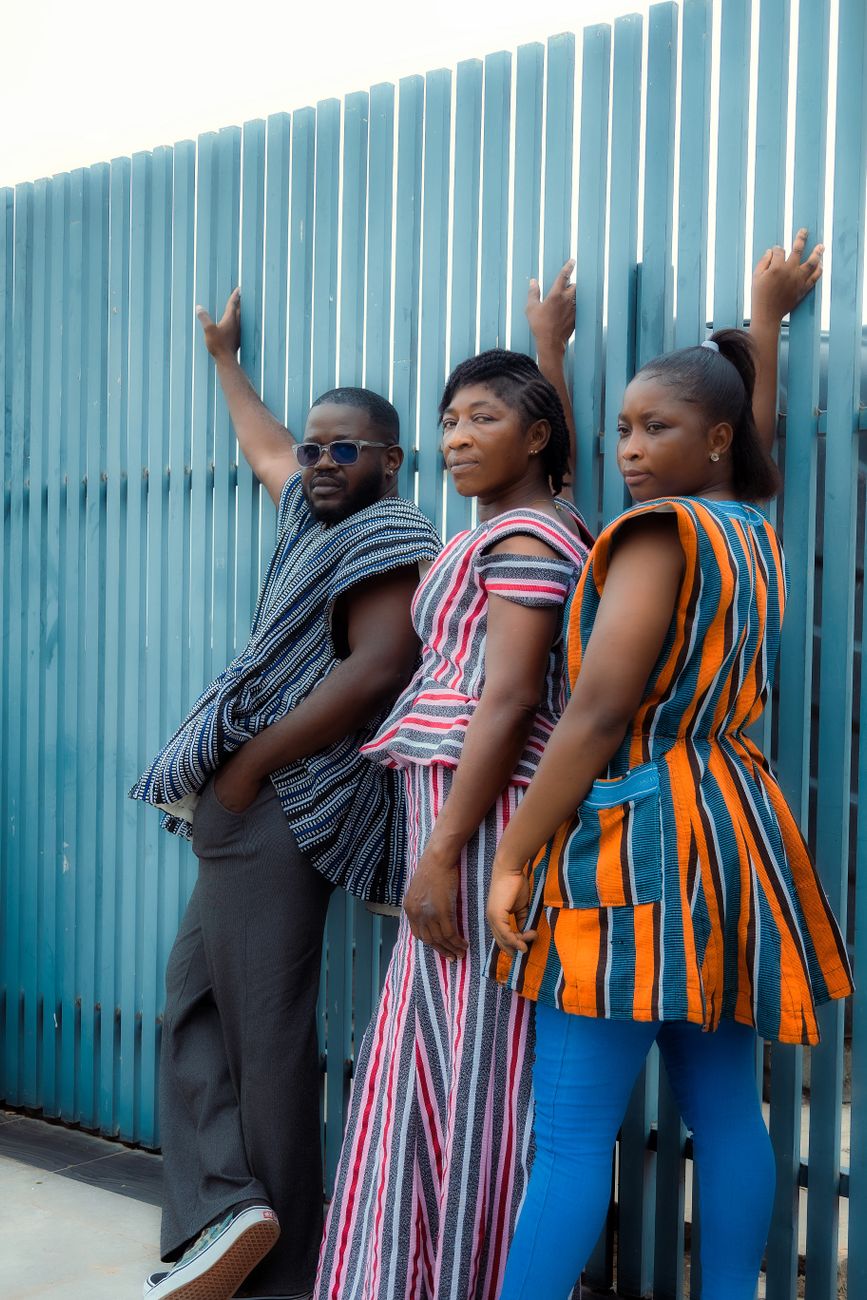
A new generation of African creators is turning traditional clothing, food, music, masks, and colour systems into digital-first products and global audiences. This is not nostalgia — it is a deliberate, revenue-generating movement reshaping the African creative economy. Here is exactly how they are doing it.
African Culture and Traditions Are Having a Digital Renaissance
Something remarkable is happening across the continent and its diaspora. African culture and traditions — once boxed into museum exhibits or academic textbooks — are being picked up, remixed, and broadcast to global audiences by a new generation of creators who understand both their heritage and the algorithm. This is not a nostalgia project. It is a deliberate, revenue-generating movement reshaping the African creative economy from Lagos to Nairobi, from Accra to London.
The numbers back this up. Deloitte's African Digital Media Trends report estimates the continent's creative economy will surpass $20 billion by 2030, with digital content as the fastest-growing segment. Creators are not waiting for that ceiling — they are building it, one culturally rooted post, product, and platform at a time.
This article is not a survey of African culture facts. It is a close look at the specific strategies creators are using to turn cultural assets — clothing, food, music, masks, colour systems — into digital-first products that earn real money and build real audiences.
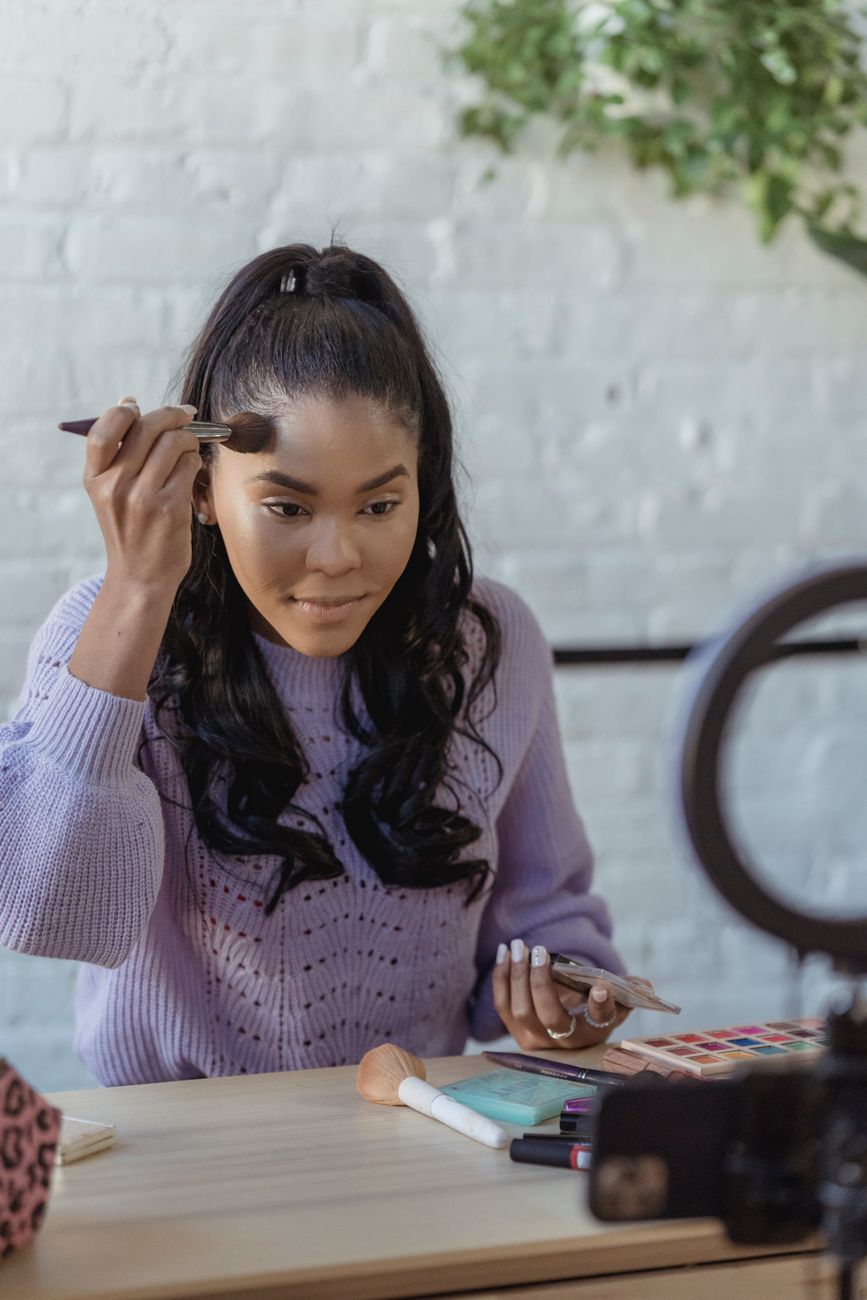
Fashion as a Digital Product: Turning Fabric Into Followers and Revenue
Ankara, Kente, Adire, Aso-oke — these are not just fabrics. In the hands of digital-native designers and stylists, they become content pillars. Nigerian stylist and creator Veekee James built a bridal fashion empire that now commands millions of Instagram followers, with individual reel posts routinely hitting 10 million views. Her formula is precise: showcase the garment, tell the cultural story behind the textile, then close with a direct booking link.
The mistake most aspiring fashion creators make is treating the outfit as the product. The smarter play — and the one that converts — is treating the cultural context as the hook. When a creator explains that the Kente strip pattern signals a specific Ghanaian royal lineage, the garment stops being fashion and becomes an artefact. That artefact commands a premium price and a loyal audience.
Ghanaian designer Christie Brown took this further by launching digital lookbooks and behind-the-scenes content that documented the artisan process — from loom to runway. The result was a 40% increase in international wholesale inquiries within a single quarter, driven almost entirely by organic social reach.
- Tactic: Pair every garment post with a 30-second cultural explainer in the caption or voiceover.
- Tactic: Use Pinterest boards to catalogue textile origins — Pinterest drives longer purchase consideration cycles than Instagram.
- Tactic: Offer digital pattern files or styling guides as low-ticket digital products to monetise audience interest before they buy a garment.
Discover the creators doing this best on Topping Africa's creator directory — a growing index of African creators across fashion, food, music, and more.
Food Content and African Culture and Traditions: The Most Undermonetised Vertical
African food content is exploding on YouTube and TikTok, yet most creators in this space are leaving serious money on the table. The average African food creator earns primarily from AdSense — a low-margin play. The creators breaking out are the ones treating food as a cultural gateway, not a recipe catalogue.
Consider Zeelicious Foods, the Nigerian food creator with over 1.5 million YouTube subscribers. Her edge is not just technique — it is context. Videos that explain why a dish is prepared for a specific ceremony, what the spice combination signals about a region's trade history, or how a cooking method survived colonisation perform 3x better in watch time than straight recipe videos. Longer watch time means higher ad revenue and stronger algorithm placement.
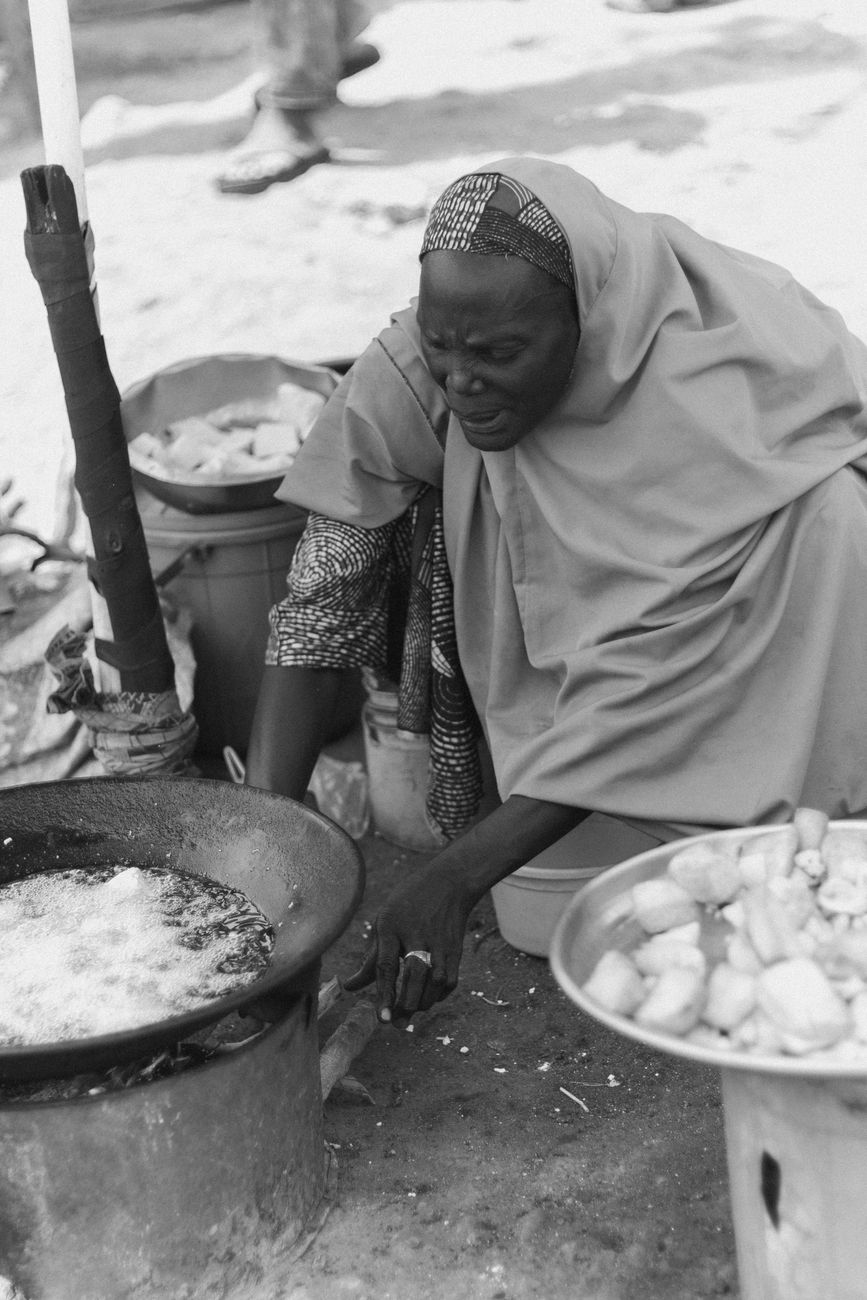
The digital product opportunity here is significant and largely untapped:
- Digital cookbooks bundled with cultural storytelling — priced at $15–$25, sold via Gumroad or Selar.
- Online cooking classes focused on a specific cuisine region — Swahili coast, West African forest belt, North African Maghreb.
- Brand partnerships with diaspora grocery platforms like Afrobasket or Motherland Groceries that pay commission on referred sales.
The trade-off is real: cultural depth requires research and slows production speed. A creator churning out three recipe videos a week cannot easily layer in historical context. The solution most successful food creators use is batching — spending one day a month on deep research, then scripting cultural context into multiple videos at once. Efficiency and authenticity are not mutually exclusive.
Music, Masks, and the Visual Language of African Identity Online
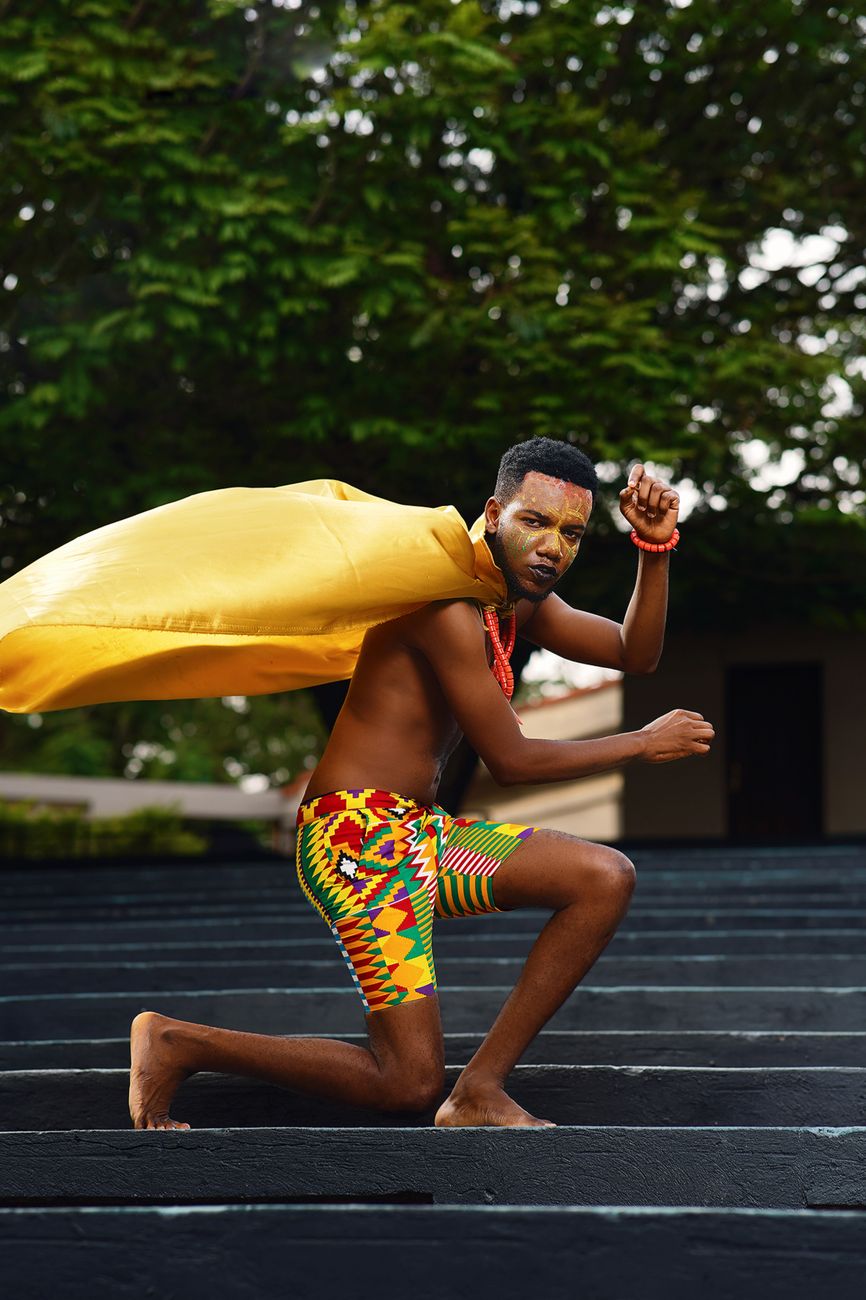
Afrobeats went global. That is not news. What is less discussed is how the visual and ceremonial language surrounding African music — the masks, body paint, adornment systems, and performance rituals — is becoming its own content category, entirely separate from the music itself.
Creators like Laolu Senbanjo, the Nigerian-American visual artist whose body paint work appeared on Beyoncé's Lemonade, have demonstrated that traditional Yoruba sacred art can command global attention and premium brand partnerships when framed correctly for digital audiences. His Instagram feed functions as a living gallery — each post a mix of finished work, process video, and cultural annotation.
The mask and masquerade tradition is particularly rich territory. Creators documenting the Egungun masquerades of the Yoruba, the Gelede festivals, or the Makishi masquerades of Zambia are building niche audiences that are intensely engaged. Niche, engaged audiences convert at higher rates than large, passive ones — a fact that brand managers increasingly understand.
For music creators specifically, the opportunity lies in bridging the sonic and the visual. African music videos that dominated in 2025 consistently used traditional visual codes — specific colour palettes, ceremonial staging, ancestral costuming — to signal cultural authenticity in a market saturated with generic production value. That signal is not decoration. It is differentiation.
According to IFPI's Global Music Report, streaming revenue from Sub-Saharan Africa grew by 24% in 2023 — the fastest regional growth rate globally. Creators who anchor their music content in specific cultural traditions are riding that growth curve with a defensible identity that generic pop content cannot replicate.
Colour, Pattern, and the Semiotics of African Visual Content
Every African visual tradition carries a colour system with meaning. Kente's gold signals wealth and royalty. The red ochre of Maasai warriors signals warrior status and community belonging. Ndebele geometric patterns encode messages about life stages. These are not decorative choices — they are communication systems with thousands of years of development behind them.
Smart creators are turning this into a content strategy. A creator who builds their visual brand around a specific regional colour palette is doing two things simultaneously: creating instant cultural recognition and reducing their content production complexity. When your colour system is culturally grounded, you never have to guess what to post — the tradition guides the aesthetic.
Kenyan digital artist Wangechi Mutu and South African illustrator Karabo Poppy have both demonstrated how African visual language translates into premium brand collaborations. Poppy's work with Nike and Coca-Cola used Pan-African colour codes and geometric patterns drawn from Southern African traditions. The campaigns performed above benchmark engagement rates precisely because the visual language was specific, not generic.
- Practical step: Research the colour symbolism of your specific cultural background — not "African colours" in general, but your ethnic or regional tradition specifically.
- Practical step: Build a content mood board using those specific codes and apply them consistently across thumbnails, carousels, and profile aesthetics.
- Practical step: Annotate your visual choices in captions — "this indigo shade references the Tuareg textile tradition of the Sahel" — to turn aesthetic into education and education into engagement.
The Creator Economy Infrastructure Enabling This Shift
None of this happens without tools. The African creator economy is no longer dependent on Western platforms alone. Platforms like Selar (Nigeria-based digital product marketplace), Paystack for payment processing, and Audiomack for music distribution are giving creators continent-native infrastructure that understands local payment rails, currency challenges, and audience behaviour.
The monetisation stack a serious African culture creator should consider looks like this: Instagram and TikTok for discovery, YouTube for long-form depth and AdSense revenue, Selar or Gumroad for digital products, and a WhatsApp Community or Substack for direct audience relationships that no algorithm can interrupt.
The common mistake is building entirely on rented land — a creator with 500,000 TikTok followers and no email list or direct channel is one algorithm update away from losing their business. The most resilient creators in this space treat social platforms as top-of-funnel and own their audience downstream.
For a deeper look at how the broader creator economy is evolving across the continent, this breakdown of Africa's creator economy boom covers the tools and platforms reshaping how content gets made and monetised.
East African creators are particularly worth watching in this space. Rising East African creators transforming lifestyle and culture online are setting new benchmarks for how cultural specificity translates into digital reach — from Swahili-language content that outperforms English equivalents in engagement, to Maasai-inspired fashion content reaching audiences in Tokyo and São Paulo.
What Brands and Collaborators Get Wrong About African Cultural Creators
Brands entering this space consistently make the same error: they treat African cultural content as a trend to tap, not a tradition to respect. The result is campaigns that feel extractive — and audiences notice immediately.
The creators who build sustainable brand partnerships are the ones who come with clear terms. They specify which cultural elements are available for commercial use and which are sacred. They insist on creative control over how traditions are represented. They price their work to reflect the intellectual and cultural capital they bring, not just the follower count.
This is not just an ethical position — it is a business one. Harvard Business Review research on authenticity consistently shows that audiences can detect performative cultural engagement and punish brands for it with disengagement. A creator who protects their cultural integrity protects their audience's trust — and that trust is the most valuable asset in the creator economy.
The trade-off is that this stance loses some brand deals. Creators who hold firm on cultural integrity will turn down briefs that require compromise. In the short term, that costs revenue. Over a two-to-three year horizon, it builds a reputation that attracts better-aligned, higher-paying partners.
Start Discovering African Creators Reshaping Culture Right Now
The transformation of African culture and traditions into digital-first creative products is not a future trend — it is happening now, at scale, across every content category. The creators leading this movement are not waiting for permission or infrastructure. They are building both simultaneously.
The opportunity for audiences, brands, and fellow creators is to engage with this work intentionally. Not as consumers of exotic content, but as participants in a cultural economy that is rewriting the rules of what global creativity looks like.
Ready to find the creators at the forefront of this movement? Explore the full range of African creators on Topping Africa and discover the voices shaping culture, tech, business, and innovation across the continent and beyond. The next wave of cultural entrepreneurs is already here — go find them.
Staff
Contributing writer at Topping Africa.
0 Comments
No comments yet. Be the first to share your thoughts!