8 Most Profitable Businesses in Africa for Digital Creators (With Real Numbers)

Wondering what the most profitable business in Africa is for digital creators? This breakdown covers 8 proven online business models — from Afrobeats licensing to diaspora e-commerce — with real revenue figures, platform recommendations, and the mistakes to avoid.
Every week, someone searches "what is the most profitable business in Africa" and lands on a list of mining companies and telecoms they can't touch. This post is different. It's built for African creators, solo digital entrepreneurs, and small teams who want to build real revenue — online, from anywhere — using African culture, knowledge, and community as their competitive edge. These are not theoretical ideas. Each model below has verifiable traction, real earning benchmarks, and specific pitfalls to avoid.

1. Online Courses Built Around African Expertise
The global e-learning market is projected to hit $400 billion by 2026, and African educators are barely 2% of that pie — which means the upside is enormous. A creator who teaches Yoruba language, African drumming theory, or how to navigate Nigerian fintech as a diaspora professional has a near-zero-competition niche with a hungry global audience.
The mechanics are straightforward: build a course on Teachable, Selar, or Thinkific, price it between $47 and $197, and drive traffic through short-form video. Selar is particularly worth noting — it's a Nigerian-built platform that handles African payment methods like Flutterwave and Paystack natively, cutting the friction that kills conversions when creators use Gumroad.
A common mistake is building a 40-hour mega-course before validating demand. Instead, sell a $27 "mini-course" or workshop first. If 30 people buy, build the full product. If they don't, you've lost a weekend, not six months.
- Realistic monthly revenue: $2,000–$15,000 once an evergreen funnel is live
- Best niches: African languages, Afrobeats production, African business law basics, diaspora financial literacy
- Platform recommendation: Selar for African-market sales; Teachable for global reach
2. Cultural Merchandise — Where Identity Becomes Inventory
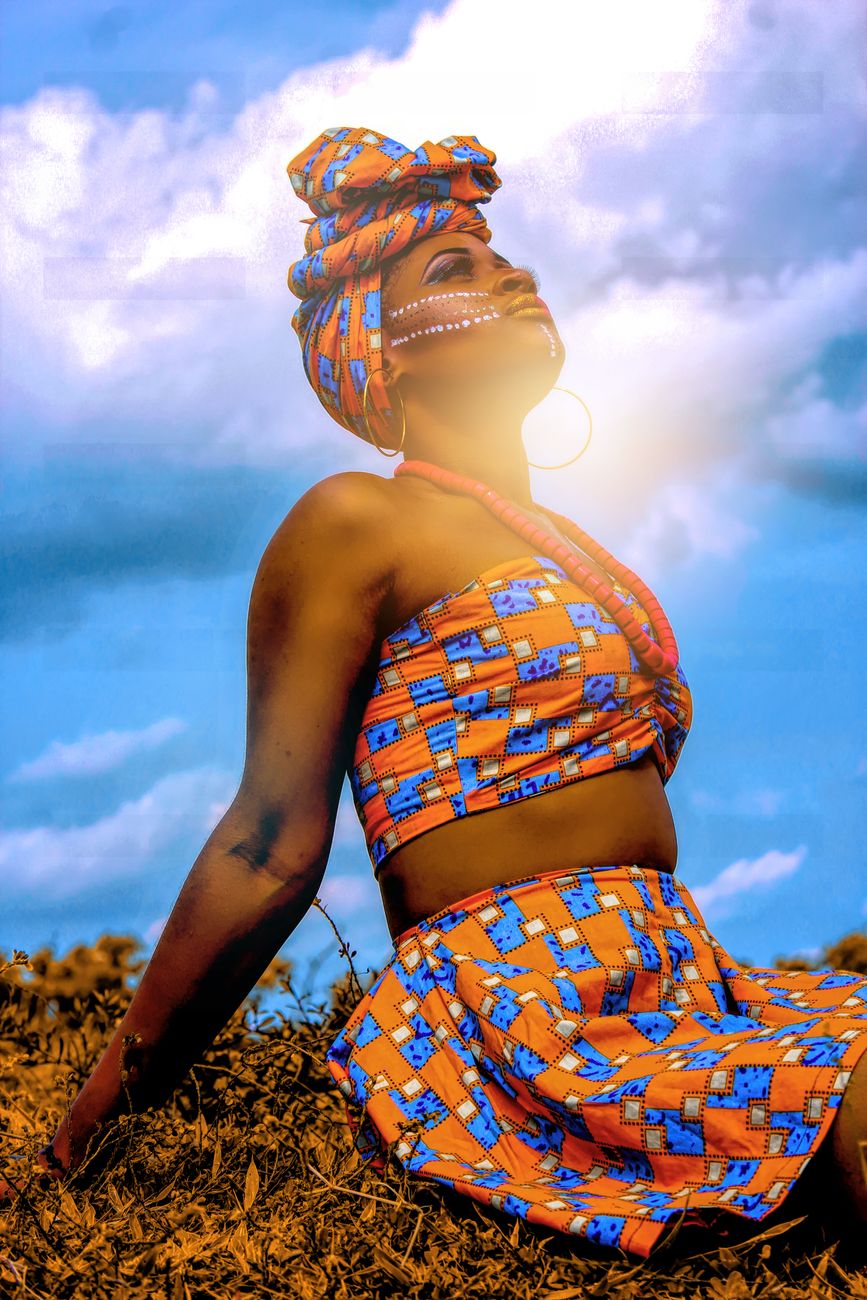
Cultural merch is arguably the fastest path to profit for a creator with an existing audience. The model is simple: design products that reflect African identity — Ankara-print hoodies, Adinkra-symbol phone cases, continent-shaped jewellery — and sell them through a print-on-demand supplier or a small batch manufacturer.
Print-on-demand removes inventory risk entirely. Platforms like Printful or Gelato (which has fulfilment centres in South Africa) let you sell globally without holding stock. Margins run 25–40% per unit. A creator with 20,000 engaged Instagram followers launching a limited capsule collection can realistically clear $5,000–$12,000 in the first two weeks — especially if the drop is timed to a cultural moment like African Liberation Day or a major Afrobeats release.
The trade-off: print-on-demand margins are thinner than bulk manufacturing. Once you're selling 200+ units per month of a single design, switching to a local manufacturer in Lagos, Accra, or Nairobi typically cuts your unit cost by 40–60% and dramatically improves quality control. Don't stay on print-on-demand forever — it's a launch pad, not a long-term margin strategy.
For inspiration on how African creators are already monetising identity, check out our deep-dive on Carla Djamila's rise in Angola fashion and Lusophone style online.
3. Paid Communities and Membership Platforms
A paid community is one of the most overlooked high-margin businesses for African creators. The overhead is near zero. You need a platform — Circle, Skool, or WhatsApp Business for smaller groups — a clear value proposition, and consistent delivery. That's it.
The value proposition that works best in African creator spaces is access and accountability: access to a network of peers, mentors, or deal flow, and accountability to actually execute. A Nigerian creator running a $25/month community for 500 African freelancers earns $12,500 per month in recurring revenue. That's more predictable than brand deals and more scalable than 1-on-1 coaching.
Where creators go wrong: they launch a community before they have a content reputation. The community is downstream of trust. Build 6–12 months of consistent, valuable public content first, then monetise the inner circle. Launching a paid community to a cold audience is like opening a restaurant before anyone's tasted your food.
- Pricing sweet spot: $15–$50/month for general communities; $100–$300/month for high-access industry groups
- Churn risk: High if you don't deliver weekly value — schedule a recurring live session or AMA
- Tools: Circle (best UX), Skool (gamification), Nas.io (built for creator communities)
4. Afrobeats and African Music Licensing
Music licensing is a sleeper hit for African producers and musicians. IFPI's 2024 Global Music Report confirmed that Africa is the fastest-growing music market globally, with streaming revenues up 24% year-on-year. That growth is pulling international brands, film studios, and content platforms toward African sound — and they need licensed tracks.
A producer who uploads beats to Artlist, Musicbed, or Pond5 earns passive royalties every time a brand or filmmaker licenses the track. A single exclusive license can sell for $300–$2,000. Non-exclusive licenses stack: one beat licensed 50 times at $30 each is $1,500 with zero additional work.
The smarter play is to combine licensing with sync pitching — actively submitting tracks to music supervisors for TV, ads, and streaming originals. African sound is in demand for global productions right now, and most African producers aren't pitching. That gap is an opportunity. Discover more about the African music landscape on our top African music videos that dominated March 2025.
5. Nollywood and African Film Content Creation
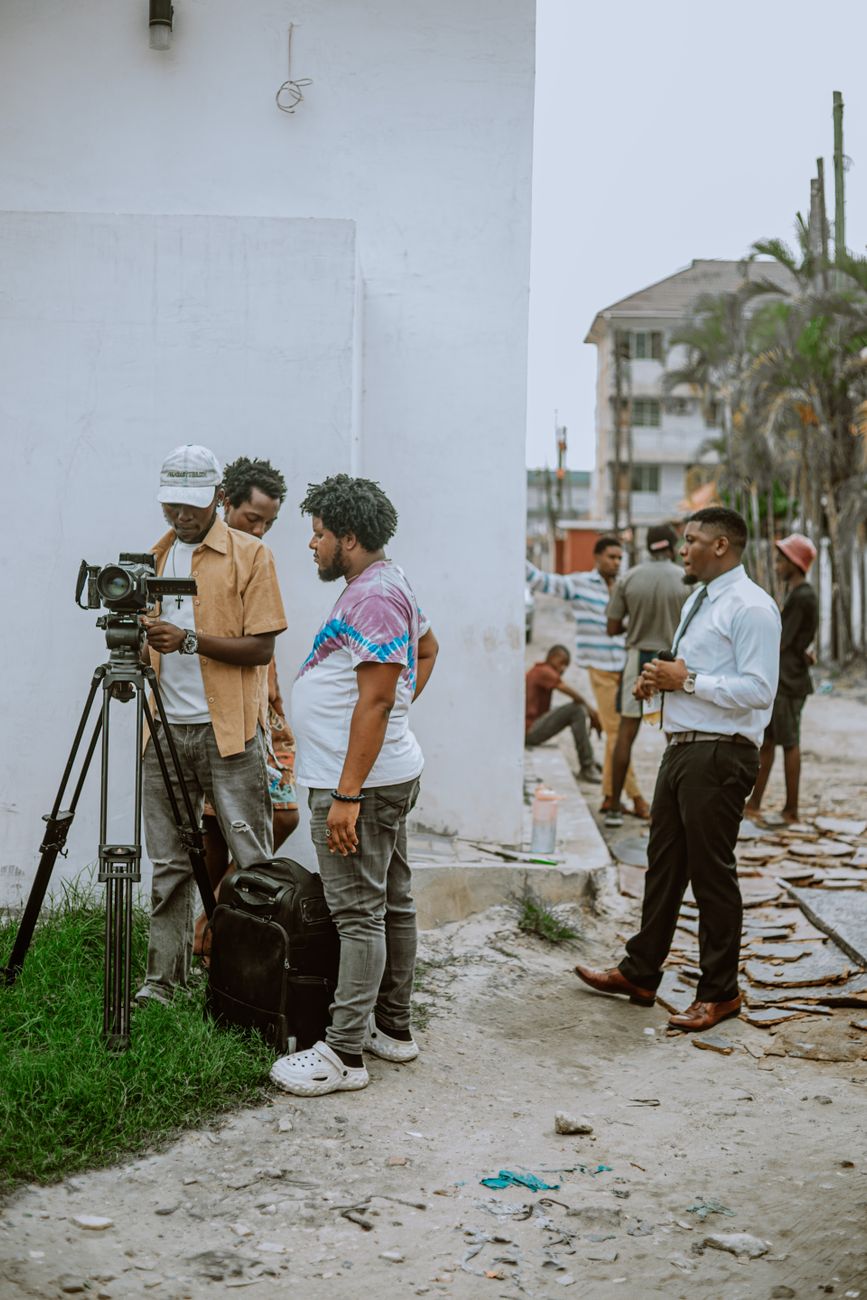
Nollywood is the second-largest film industry in the world by volume, and it's going digital fast. YouTube channels, Netflix Africa, and Showmax are all actively commissioning African content — and they're paying. A well-produced short film or web series can earn $15,000–$80,000 in a licensing deal with a streaming platform, depending on production quality and exclusivity terms.
For creators who don't want to pitch to platforms, YouTube monetisation on African film content is legitimate. Channels focused on Nollywood reviews, African film commentary, or original short drama consistently hit 1M+ views per month in the diaspora market. At a $3–$5 RPM (revenue per 1,000 views), that's $3,000–$5,000 per month from AdSense alone — before sponsorships.
The mistake most creators make is underestimating production value. Streaming platforms won't license content shot on a phone with bad audio. A $2,000–$5,000 production budget for a 20-minute short, spent wisely on a good camera, a boom mic, and basic lighting, is the minimum bar for platform consideration. Read more about what's winning at the box office in our coverage of Nollywood at the AMVCA 2025 nominations.
- Revenue streams: Platform licensing, YouTube AdSense, brand integrations, film festival prizes
- Fastest growing sub-niche: African diaspora drama — stories that bridge home and abroad
- Key platforms: Netflix Africa, Showmax, Amazon Prime Video Africa, YouTube
6. African Tech Consulting and SaaS Micro-Tools
Africa's tech ecosystem is growing at a pace that leaves most businesses behind their own digital needs. Disrupt Africa reported over $3.2 billion in African tech startup funding in recent years, and the companies receiving that funding desperately need digital strategy, content, and tooling. That's where creator-consultants come in.
A creator with expertise in social media growth, SEO, or community building can package that knowledge as a consulting retainer. Rates of $1,500–$5,000/month per client are achievable for African-market specialists who understand local platforms, languages, and audience behaviour — knowledge that generic Western agencies simply don't have.
The higher-ceiling play is building a micro-SaaS tool. Think: a scheduling tool built for African time zones and local platforms, a payment link generator for African freelancers, or an analytics dashboard for Afrobeats artists. These are small, focused products. A $29/month tool with 500 subscribers earns $14,500/month in recurring revenue. You don't need to be a developer — tools like Bubble, Glide, or Softr let non-coders build functional web apps. Explore the creators already using technology creatively on our 10 African creators using AI to grow their content in 2026.
7. Brand Deals and Creator Sponsorships in African Niches
Brand sponsorships remain one of the highest-earning models for African creators — but only when positioned correctly. A creator with 50,000 highly engaged followers in a specific African niche (say, East African travel, West African food, or South African streetwear) commands more per post than a generic lifestyle creator with 500,000 followers and low engagement.
The rates: micro-influencers (10K–100K followers) in Africa earn $200–$2,000 per sponsored post. Creators with 100K–1M followers in premium niches charge $2,000–$15,000. The key lever is engagement rate — brands increasingly care more about a 6% engagement rate than a 1% rate on a bigger account.
To land brand deals without an agent, build a media kit that shows your audience demographics (especially diaspora breakdown), your engagement rate, and past brand results. Pitch brands directly via LinkedIn or email rather than waiting for inbound. African brands expanding globally — think Jumia, Flutterwave, or Kuda — actively seek creators who speak to their target markets authentically. To see who's already making waves, explore our directory of African creators.
8. African Diaspora E-Commerce — Selling Culture Across Borders
The African diaspora spends billions annually on products that connect them to home — food, beauty, fashion, art, and home décor. A creator who builds a store around this emotional need taps into a market that is both underserved and deeply loyal. Diaspora customers in the UK, US, and Canada actively seek out African-owned businesses and pay premium prices for authenticity.
The model: source products from African artisans or small manufacturers, sell via Shopify or Etsy, and drive traffic through your existing content. A creator with a YouTube channel about Nigerian cooking who sells imported spice bundles or handmade clay pots is a natural fit. The content builds trust; the store converts it into revenue. Margins on artisan goods run 50–150% when sourced directly.
The biggest operational risk is customs and shipping. Build a clear shipping policy, use a freight forwarder for bulk imports, and be transparent with customers about delivery timelines. One bad shipping experience shared publicly can undo months of trust-building. Start with digital-physical hybrids — a recipe e-book paired with a spice kit — to test demand before scaling inventory.
- Top diaspora markets: UK, USA, Canada, France, Germany
- High-margin categories: Handmade jewellery, African skincare, artisan food products, cultural art prints
- Platform recommendation: Etsy for discovery; Shopify for brand control at scale
Putting It All Together: Which Model Is Right for You?
The most profitable business in Africa for a digital creator is not a single answer — it's the intersection of your existing audience, your content niche, and your operational capacity. A creator with 10,000 YouTube subscribers and deep expertise in African history should start with an online course. A creator with 50,000 Instagram followers and a strong aesthetic should test cultural merch. A music producer should be on licensing platforms yesterday.
The common thread across every model above: African identity is a competitive moat, not a limitation. The specificity of your cultural knowledge, language fluency, and community trust is exactly what global platforms, brands, and audiences are willing to pay for. Generic content competes with everyone. Rooted, specific African content competes with almost no one.
Start with one model. Validate it. Then layer a second revenue stream. The creators earning $10,000+ per month from African-focused digital businesses almost always have two or three of these models running in parallel — not ten.
Ready to get discovered and grow your reach? Explore the full community of African creators building these businesses right now at Topping Africa — Explore, and check out our trending creators to see who's already winning.
Staff
Contributing writer at Topping Africa.
0 Comments
No comments yet. Be the first to share your thoughts!