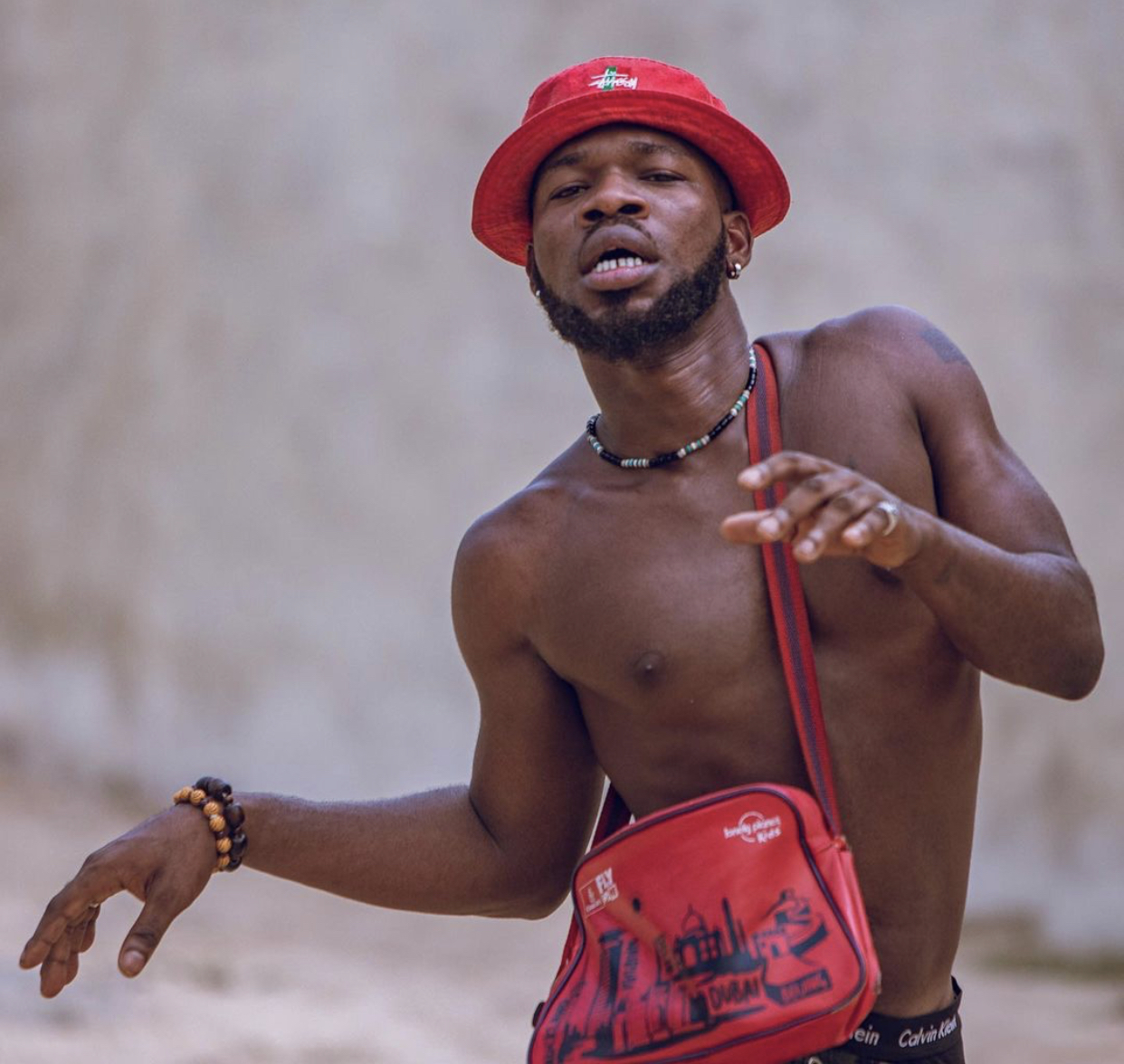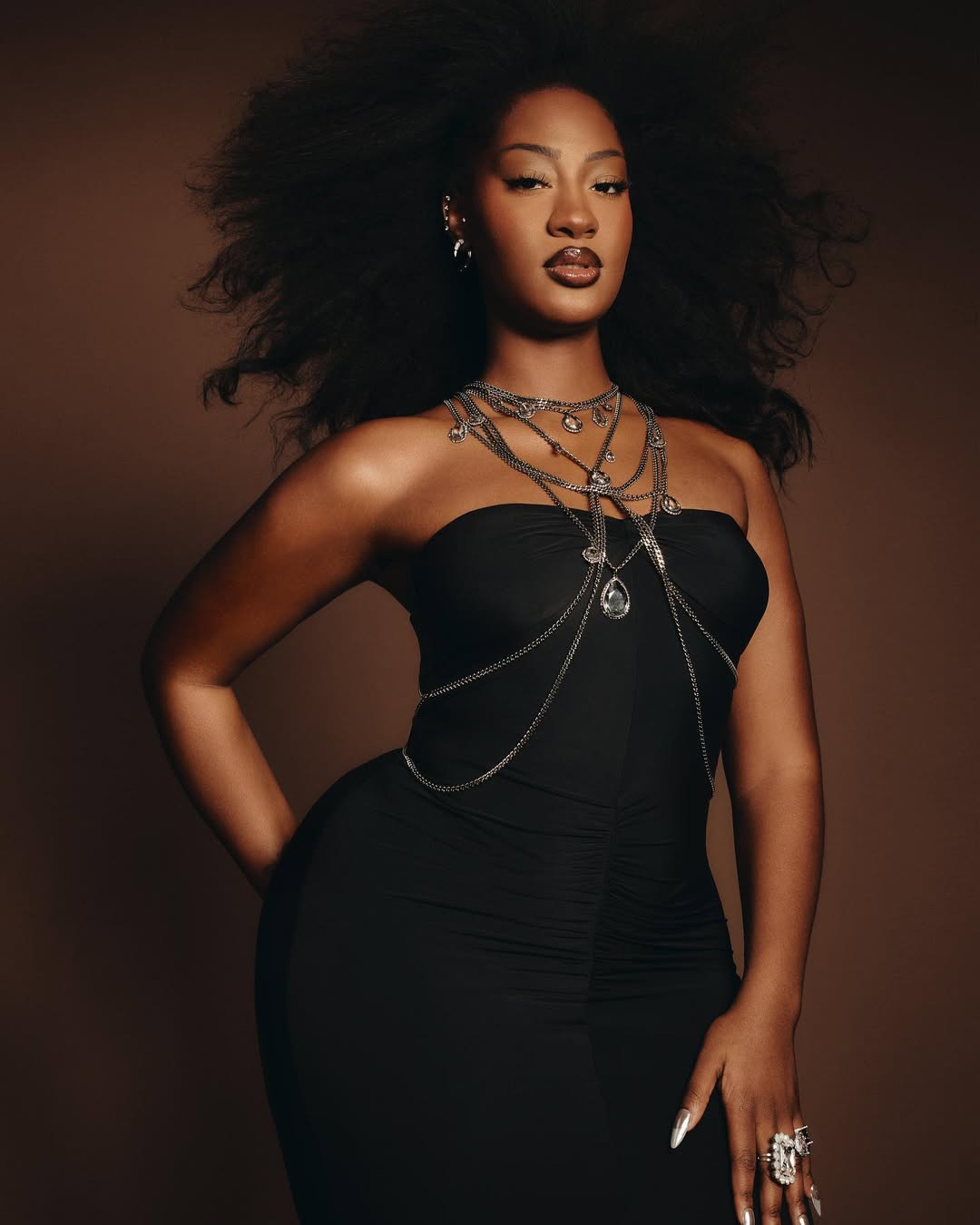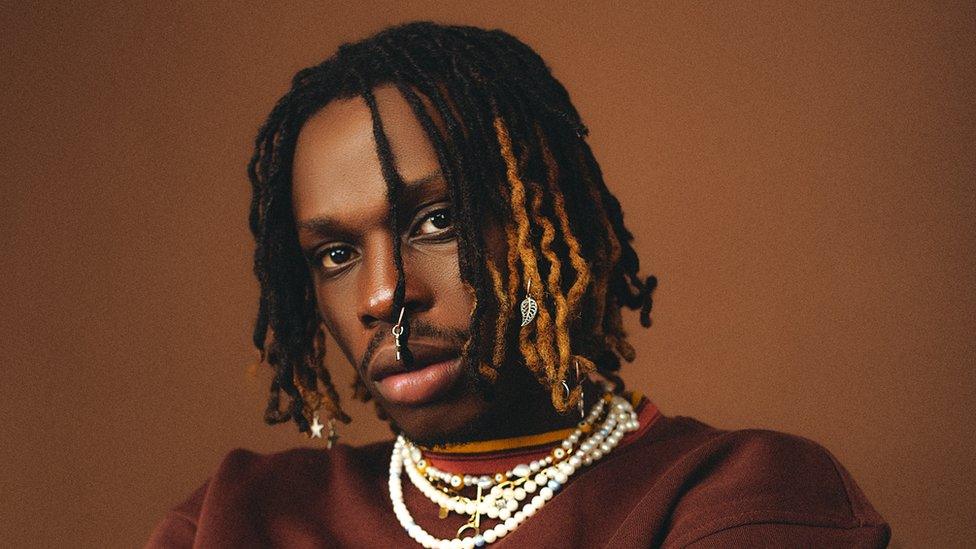
7 East African Content Creators Turning Local Culture into Global Business

A new wave of East African content creators is turning local culture into serious global business. Discover seven standout creators reshaping travel, fashion, comedy and business education across the region.
Introduction: How east african content creators Turn Culture into Cash
Across Nairobi, Dar es Salaam, Kampala and Kigali, a new wave of east african content creators is turning local stories into global business. These creators mix culture, comedy, travel, fashion and business education, then package it for TikTok, YouTube, Instagram and podcasts. Moreover, they are not just chasing views; they are building serious revenue streams through brand deals, merch, digital products and strategic partnerships. Consequently, their growth feeds local jobs, from videographers and editors to tour guides and tailors. If you care about African innovation, influencer culture and the creator economy, you need to understand how these seven East African stars operate as brands, not just personalities.

Furthermore, global brands now look to East Africa for authentic voices who can speak to Gen Z and young professionals. Many of these creators also collaborate with startups, tourism boards and fashion labels, helping shift global perception of the region. In addition, they show you a real playbook: how to turn a phone camera, a strong point of view and a deep love for home into sustainable income. As you read, think about how their strategies might apply to your own work, startup or creative hustle. Ultimately, these are not just influencers; they are founders of media companies in everything but name.
Why East African Content Creators Are Winning Right Now
Today, the creator economy in Africa is growing fast as data gets cheaper and platforms invest more in the continent.UNCTAD Many east african content creators now publish across YouTube, Instagram, TikTok and podcasts, building multi-platform brands. Additionally, countries like Kenya, Tanzania and Uganda boast young, urban populations hungry for relatable digital entertainment.World Bank As a result, creators who speak Swahili, Sheng or Luganda while tapping into global trends enjoy powerful network effects.
Importantly, monetization no longer relies only on AdSense or TikTok payouts. Instead, creators stack revenue streams: they sell courses, launch clothing lines, host paid trips, and close sponsorships with fintechs, telcos and travel brands. Similarly, their success feeds into wider ecosystems, from Technology startups building creator tools to agencies managing influencer campaigns. If you want to explore how culture and business intersect in East Africa, these seven creators offer clear case studies. Let’s dive into how each one turns local flavor into scalable income.
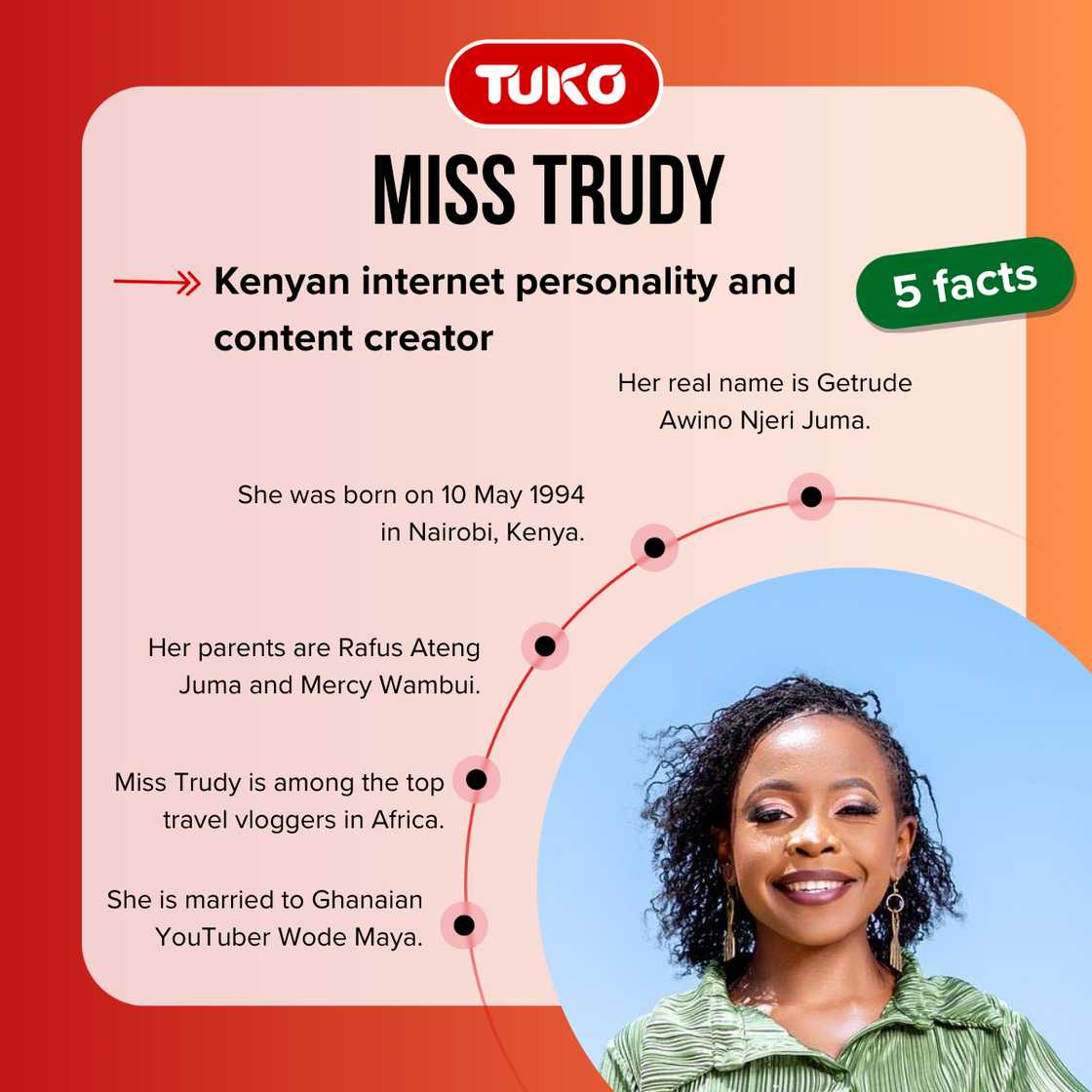
1. Miss Trudy – Turning East African Travel into a Lifestyle Business
Kenyan YouTuber Miss Trudy has become one of the most visible travel storytellers on the continent, documenting journeys across East and West Africa.[4] Additionally, she showcases hotels, airlines, local food spots and hidden city corners, often highlighting small businesses along the way. Her channel reaches a global diaspora audience that wants to reconnect with the region’s cities and coastlines.[4] Consequently, tourism boards and travel brands see real value in her ability to influence travel decisions.
Moreover, Miss Trudy monetizes beyond YouTube AdSense through sponsored trips, hotel features and long-term brand partnerships.[4] She often collaborates with airlines, local tour companies and hospitality brands that want to reach young African travelers. In addition, affiliate links and discounted travel codes help her convert views into measurable sales. This mix of income streams gives her brand durability during algorithm changes or seasonal dips.
On the ground, her work boosts local economies in very direct ways. For instance, when she features a coastal guesthouse or a family-run restaurant, bookings can spike right after the video drops. Many small businesses gain their first international customers through such exposure. If you run a travel startup or hospitality brand, you can study how she structures storytelling, call-to-actions and cross-platform promotion.
Business Playbook: How Miss Trudy Built a Travel Brand
- Niche clarity: She focuses on African travel and lifestyle, not generic destination content.[4]
- Story-led videos: She centers local people and real experiences, which deepens viewer trust.
- Brand partnerships: She aligns with airlines, hotels and tourism bodies seeking African and diaspora markets.[4]
- Diversified income: She leverages AdSense, sponsorships and possible affiliate travel deals.
If you want to build a similar brand, start by defining your niche and target audience sharply. Then, consistently show how your content drives real-world action, whether it’s bookings, sign-ups or product sales. Ultimately, this makes it easier to negotiate better rates and long-term deals with partners.
2. Mungai Eve – Documenting Nairobi’s Street Culture for Global Viewers
Mungai Eve is one of Kenya’s most successful young YouTube creators, known for her street interviews and culture-focused storytelling.[4] Her content dives into Nairobi’s music scene, hustlers, creatives and everyday citizens in a candid, unfiltered style.[4] Furthermore, she offers a rare window into how youth navigate work, entertainment and relationships in urban Kenya. As a result, her channel draws both local fans and international viewers curious about real city life.
In business terms, Mungai Eve operates as a media startup anchored on her personality. She earns from YouTube AdSense, sponsored interviews, branded segments and influencer campaigns with consumer brands. Additionally, she collaborates with local musicians, event promoters and lifestyle products that need organic visibility. This blend of brand deals and platform revenue lets her invest in better production and a growing team.
Notably, her interviews amplify small creators, underground artists and micro-business owners who rarely appear on mainstream TV. When she features a young fashion designer or a new music act, she often triggers follow-on sales and bookings for them. Therefore, her channel also functions as a grassroots PR engine for Nairobi’s creative economy. If you are a brand, you can tap into that trust and authenticity to reach hard-to-access audiences.
Key Lessons from Mungai Eve’s Brand
- Local slang, global reach: She uses Sheng and street language without losing international viewers.
- High-frequency uploads: She posts often, keeping the channel top-of-mind and algorithm-friendly.
- Community focus: She positions herself as a platform for upcoming talent, not just a solo star.
- Urban storytelling: She builds compelling, short-form narratives that fit social media attention spans.
If you are building a channel around interviews or culture, you can study her pacing, question style and use of trending topics. Additionally, think about how you can spotlight other people while still protecting your own brand equity.
3. Crazy Kennar – Comedy, Characters and Commercial Deals
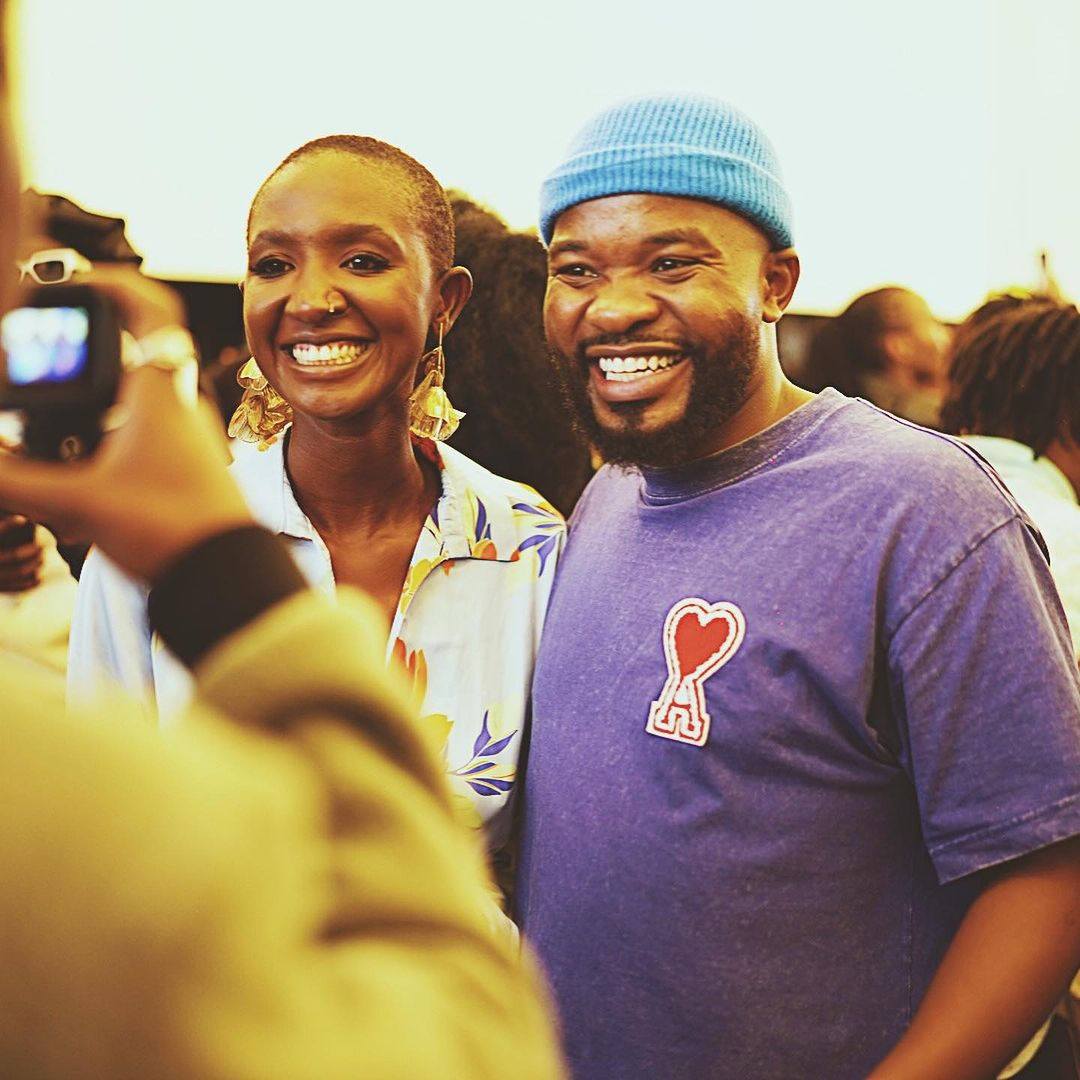
Kenyan comedian Crazy Kennar has become a central figure in East Africa’s digital comedy scene, with viral skits that riff on campus life, relationships and Kenyan social habits.[3] Importantly, he treats his work like a studio, building recurring characters and storylines that fans follow over time. Moreover, his sketches travel well across borders because they use physical comedy and clear setups that do not rely only on language. Consequently, he attracts viewers from across Africa and the diaspora.
On the business side, Crazy Kennar partners with banks, telcos and consumer brands for integrated comedy campaigns. He often places products directly into skits instead of pausing the joke for an ad. Additionally, branded live shows, merchandise and event hosting add extra revenue layers. This hybrid of online reach and offline events mirrors how many comedians in Nigeria and South Africa grow into mainstream celebrities.
For local economies, his work creates jobs for writers, actors, camera crews and editors who support frequent content output. He also draws crowds to venues when he hosts shows or appears at festivals. If you run a fintech or consumer startup, you can learn from how he keeps brand messages fun yet clear. Ultimately, it shows that comedy, when executed as a business, can sit at the center of serious marketing budgets.
How Crazy Kennar Monetizes His Comedy
- Platform revenue: Earnings from YouTube, TikTok and other platform payouts.
- Brand integrations: Skits built around telco, bank and FMCG campaigns.
- Live events: Comedy shows, hosting gigs and appearances at festivals.
- Merch and IP: Potential to license characters and catchphrases for products.
If you are a creator, consider how you can own characters, formats and phrases that you can later license or expand. Additionally, think about how to move fans from short-form content into ticket sales or premium experiences.
4. Wode Maya Meets East Africa – Cross-Regional Collaboration and Investment Stories
Although Ghanaian, Wode Maya works extensively in East Africa, spotlighting tech startups, tourism gems and investment opportunities across Kenya, Rwanda and Ethiopia.[4] He built his YouTube channel around travel and development stories, often interviewing founders and policymakers across the continent. Furthermore, his videos on Nairobi’s startup scene and Kigali’s transformation attract investors, diaspora professionals and young entrepreneurs. As a result, he has become an informal ambassador for African business optimism.

Monetization for Wode Maya spans YouTube revenue, sponsored content, tourism partnerships and deals with brands that want pan-African reach.[4] Additionally, he sometimes collaborates with investment platforms and development organizations that need credible storytellers. Because he highlights lesser-known towns and projects, local hotels, tour operators and SMEs benefit from increased visibility. This is especially powerful in secondary cities that rarely appear in global media.
For East African creators, his model proves that you can build a pan-African business while staying rooted in local culture. If you run a tech startup or impact venture in the region, appearing on his channel can act like a major PR moment. Moreover, his success shows why high-quality, research-driven storytelling wins when you target an audience of investors and professionals. You can study his interview style and how he frames Africa as opportunity, not crisis.
What Wode Maya Teaches East African Content Creators
- Pan-African focus: He covers multiple countries, broadening his market and sponsorship appeal.[4]
- Business storytelling: He makes complex investment topics easy to follow.
- Partnership depth: He works with tourism boards and development bodies, not only consumer brands.
- Community impact: He drives attention to regions and founders often ignored by mainstream media.
If you want to attract a more professional audience, you can adopt his mix of data, personal stories and visuals. Additionally, consider how you might collaborate across borders to share audiences with other African creators.
5. Nancie Mwai – East African Fashion as a Scalable Brand
Kenyan fashion and lifestyle creator Nancie Mwai has evolved from blogger to full-scale digital entrepreneur, using her platform to showcase styling, beauty and Nairobi living.[9] She built an early audience around outfit posts and fashion tips, then expanded into YouTube, Instagram and brand collaborations.[9] Furthermore, she has launched her own fashion and beauty ventures, turning influence into ownership. Consequently, she stands as a strong example of how East African style can compete globally.
Her revenue streams include sponsored posts with beauty, fashion and lifestyle brands, affiliate sales and her own product lines.[9] Additionally, she collaborates with local designers, make-up artists and photographers, keeping value circulating in Nairobi’s creative economy. When she highlights Kenyan labels or African-owned boutiques, sales often spike thanks to her engaged community. This positions her as both a tastemaker and a growth partner for emerging brands.
For you as a reader, Nancie’s journey shows how to move from creator to founder. She uses content as always-on marketing for her own brands, not just for external partners. Moreover, she proves that you can build a premium image while still staying relatable to everyday audiences. If you are in fashion, you should study how she balances aspirational content with accessible styling ideas.
Fashion Business Lessons from Nancie Mwai
- Platform evolution: She moved from blog to multi-platform creator, following where her audience spends time.[9]
- Brand ownership: She uses her reach to launch products she controls.
- Local partnerships: She regularly features Kenyan brands, keeping money in local fashion ecosystems.
- Visual consistency: She maintains a strong aesthetic across feeds, which attracts premium sponsors.
If you run an e-commerce or fashion startup, consider long-term partnerships with such creators rather than one-off posts. Additionally, explore ways to co-create capsule collections or limited drops that tap into their community loyalty.
6. Tayo Aina – Cinematic Storytelling for Travel, Real Estate and Business
Nigerian creator Tayo Aina features East Africa often, with polished documentaries on Nairobi developments, Tanzanian resorts and local entrepreneurs.[4] His channel focuses on African travel, real estate and business, using cinematic shots and clear narration.[4] Moreover, he appeals to an audience that cares about lifestyle upgrades, relocation and investment. Consequently, his content influences both tourism decisions and property interest across the region.
From a business angle, Tayo earns through YouTube, high-ticket brand collaborations and commissioned documentaries for companies and tourism boards.[4] Additionally, he sells digital products and courses that teach filming, storytelling and creator business skills. This turns his influence into scalable income that does not depend only on one platform. When he shoots in East Africa, he usually hires local crews, guides and fixers, feeding money into local service industries.
For East African founders and creators, working with Tayo can bring global attention in one polished video. His audience trusts his reviews and recommendations because he shows both pros and cons. Furthermore, his career shows the power of technical excellence in video, from color grading to sound design. If you want to level up your content, you can learn from his focus on craft as a competitive edge.
How Tayo Aina Turns Storytelling into a Business Engine
- Premium positioning: He charges more by delivering high production value and strategy.[4]
- Educational products: He sells courses and guides to upcoming creators.
- Commissioned work: He creates documentaries and branded films for institutions.
- Regional coverage: He constantly features new African cities, expanding his addressable market.
If you are serious about content, invest in basic production skills and a clear visual identity. Additionally, think beyond views and ask how each video can drive leads, clients or partnerships.
7. Emerging East African Business Educators on TikTok and YouTube
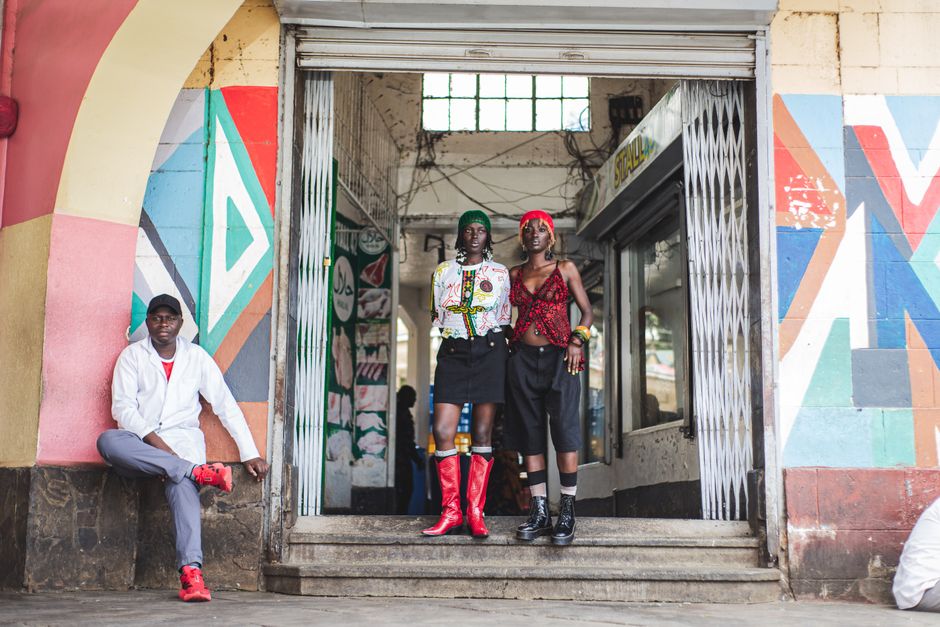
Beyond big names, a new generation of east african content creators focuses on business education, money management and career growth.[2] From Kenya to Rwanda, they share bite-sized lessons on starting side hustles, pitching investors and building digital skills.[2] Furthermore, many use local examples like boda boda financing, mitumba reselling or agribusiness, making content more relatable. As a result, they help demystify entrepreneurship for students and early-career professionals.
These creators usually monetize through digital products, coaching and partnerships with fintechs, edtech platforms and coworking spaces. Additionally, they may earn from live workshops, paid communities and affiliate deals with tools like accounting apps. Because their content is practical, brands see high conversion potential when they collaborate. Over time, some of these educators evolve into full-scale consultants and startup advisors.
On the ecosystem level, their impact can be huge. For instance, clear, simple TikTok videos on savings or mobile money can shift how thousands of young people handle cash. When paired with the rise of African fintech and online learning, this content helps close the skills gap.African Development Bank If you want to discover fresh voices, search for creators who mix local language with clear visuals and case studies.
Typical Revenue Streams for Business Educator Creators
- Online courses: Pre-recorded classes on side hustles, marketing or investing.
- One-on-one coaching: Personalized strategy sessions for entrepreneurs.
- Brand partnerships: Collaborations with banks, fintechs and learning platforms.
- Speaking gigs: Paid talks at events, accelerators and universities.
If you are building a startup, consider how you can partner with these creators to reach your ideal customer. Additionally, you can study their content to sharpen your own pitch and storytelling skills.
The Business Model Behind East African Content Creation
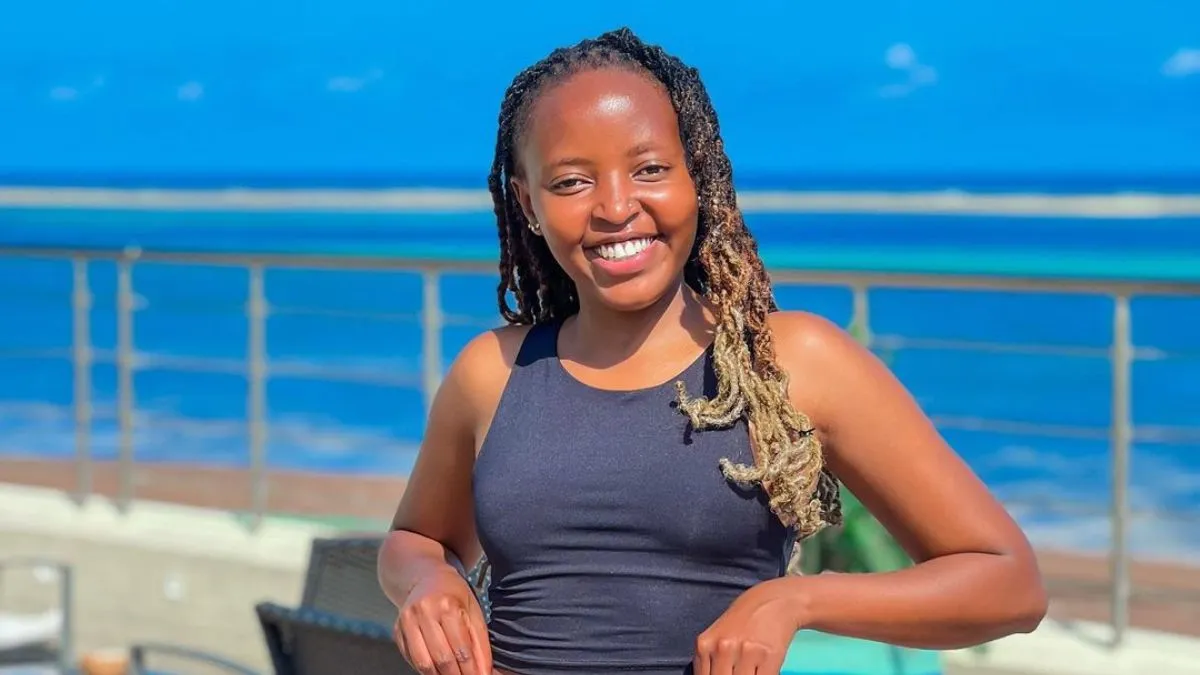
Across these seven examples, you can see clear patterns in how East African creators turn influence into income. Most combine several monetization methods rather than betting everything on one platform. Additionally, they treat their work like a company: they plan content calendars, negotiate deals and build small teams. This professional approach helps them win bigger contracts and stay consistent through trends.
Common revenue streams include:
- Ad and platform revenue from YouTube, TikTok and Instagram bonuses.
- Brand partnerships with telcos, banks, fashion labels, travel brands and tech startups.
- Products and services like merch, courses, coaching and digital downloads.
- Offline income from events, speaking gigs and appearances.
Furthermore, these creators often reinvest earnings into better equipment, staff and sometimes even startups they love. Some take equity in companies they promote, turning campaigns into longer-term upside. If you are serious about entering this space, you should think beyond followers and focus on assets you can own. Ultimately, that is how you turn a viral moment into a sustainable media business.
How East African Content Creators Support Local Economies
When you zoom out, the impact of east african content creators is bigger than personal success. They build micro-economies around their brands, hiring editors, photographers, graphic designers and managers. Additionally, they regularly feature local businesses, from small lodges to fashion vendors, which turns exposure into sales. According to recent research, digital platforms already contribute a rising share to Africa’s creative industries.UNESCO
Moreover, the visibility they generate makes it easier for cities like Nairobi, Kigali and Dar es Salaam to attract tourists, conferences and investors. When a travel vlogger showcases a Tanzanian island or a Rwandan café, viewers often add it to their bucket lists. For fashion and lifestyle creators, promoting African brands keeps spending on the continent instead of only importing foreign labels. Consequently, the creator economy aligns closely with goals of local value creation and youth employment.
If you are a policymaker or ecosystem builder, you should see creators as partners, not just entertainers. They can help you market innovation hubs, tourism circuits and cultural festivals across Africa. Additionally, by supporting better infrastructure, training and fair contracts, you strengthen an entire generation of digital entrepreneurs.
Explore More on Topping Africa
If you want to discover more stories about African innovation, tech and culture, you can explore other sections on Topping Africa. Additionally, you can use these hubs to track how content creators, startups and artists shape the continent’s future. Read more, share your thoughts and subscribe to stay ahead of the trends.

- Business & Economy – Deep dives on African startups, investments and the growing creator economy.
- Entertainment – Updates on African celebrities, digital comedy, music and film.
- Culture & Lifestyle – Stories on fashion, travel, photography and everyday African life.
Furthermore, you can explore Technology for coverage on African tech startups building tools for creators and influencers. If sports and live events excite you, you can also discover more in the Sports section. Ultimately, the more you read and share, the more these stories reach the global stage.
Conclusion: Your Next Move in the East African Creator Economy
East Africa’s creators are no longer side characters in global media; they are central players shaping trends, travel choices and brand strategies. From Miss Trudy’s travel diaries to Crazy Kennar’s skits and Nancie Mwai’s fashion empire, each shows a different route from culture to commerce. Furthermore, they prove that you can build a real business while staying authentic to your language, humor and street style. If you are a creator, founder or marketer, now is the time to learn from their playbooks.
You can start by mapping which voices best align with your values and audience, then reach out for thoughtful, long-term partnerships. Additionally, you can subscribe to their channels, buy their products and share their content to support their growth. As you do, you join a wider movement that keeps African stories, jobs and value on the continent. Explore more, leave a comment on Topping Africa, and keep discovering the next generation of East African digital leaders.

Staff
Contributing writer at Topping Africa.
0 Comments
No comments yet. Be the first to share your thoughts!