7 Creator Discovery Settings Every African Content Creator Should Optimize Right Now
Most African content creators focus on posting frequency while ignoring the creator discovery settings that actually control algorithmic reach. This guide breaks down 7 concrete, platform-specific settings — from profile SEO to collaboration toggles — that determine whether new audiences find you or never see you at all.
Most African content creators obsess over posting schedules and trending audio — but the real gatekeepers are the creator discovery settings buried inside platform dashboards. These toggles, fields, and category selectors quietly determine whether the algorithm surfaces your content to new audiences or buries it entirely. In July 2026, with platform SEO maturing faster than organic reach, getting these settings right is no longer optional. It is the difference between building a sustainable audience and shouting into a void.
This guide takes a direct stance: strategy beats virality. The seven settings below are concrete, platform-specific, and actionable today. Work through them in order — each one compounds the next.
1. Profile SEO: Treat Your Bio Like a Search Result, Not a Tagline
Every major platform — TikTok, Instagram, YouTube, and LinkedIn — indexes profile text. That means your name field, username, and bio are crawlable by both the platform's internal search and Google. Most African creators waste this real estate on vague phrases like "content creator | lover of life." That is not a discovery setting — it is a missed keyword slot.
The fix is deliberate. On TikTok, your name field (separate from your username) accepts up to 30 characters and is heavily weighted in search. Put your niche and region there: "Lagos Food Creator | Nigerian Cuisine" outperforms "Tunde 🍜" every single time. On YouTube, the channel description's first 100 characters appear in Google search snippets — front-load your primary keyword before any personal story.
On Instagram, the Name field (not the username) is the only part of your bio that the platform's search algorithm indexes for keywords. Use it. A travel creator based in Nairobi should write "Nairobi Travel & East Africa Adventures" — not just their first name. This one change alone can lift profile appearances in search by a measurable margin within 30 days.
- TikTok: Use the Name field for niche + location keywords (30-character limit)
- Instagram: Keyword-load the Name field, not just the bio paragraph
- YouTube: First 100 characters of channel description = Google snippet
- LinkedIn: Headline is indexed — include your creator niche explicitly
2. Category and Niche Selection: Stop Leaving the Algorithm Guessing
YouTube requires every channel to select a Category under Settings → Advanced Settings. Shocking numbers of creators skip this or leave it on the default "People & Blogs." That default is a catch-all graveyard. If you make tech content, select "Science & Technology." If you cover African fashion, "Howto & Style" is the right home. The category signals to YouTube's recommendation engine which viewer clusters to test your content against.
TikTok's equivalent is the Content Interests setting in your Creator Account profile. When you set this accurately, TikTok's For You Page algorithm gets a cleaner prior on where to seed your videos. This matters most for new videos in the first 90 minutes — the window when TikTok decides whether to push content to a broader cold audience.
Facebook's Creator Studio has a Page Category setting that directly influences which ad audiences and organic recommendation pools your page enters. Creators running pages under "Personal Blog" instead of "Video Creator" or "Artist" are effectively opting out of creator-specific distribution features. Changing this takes under two minutes and unlocks monetization eligibility checks that the platform withholds from non-categorized pages.
For African creators specifically, accurate categorization also helps platforms route content to diaspora audiences who follow region-specific categories. Africa's creator economy boom is being driven partly by diaspora engagement — and correct categories are how that audience finds you.
3. Language and Region Settings: Unlock the Multilingual Discovery Layer
Platform language settings are one of the most under-used creator discovery settings across the African creator space. YouTube's Studio allows you to set both a Channel Language and a Country of Origin. These two fields influence which regional trending pages your content is eligible for and which language-specific recommendation clusters it enters.
A Swahili-language creator who has set their channel language to English is invisible to Swahili search queries on YouTube. The fix is simple: set Channel Language to your primary production language. If you produce bilingual content — say, Pidgin English and standard English — use the Video Language setting at the individual video level to tag each video accurately.
On TikTok, the Content Language preference (found under Settings → Content Preferences) tells the algorithm which language communities to prioritise in your distribution. Creators who add both English and their local language — Amharic, Yoruba, Zulu, French — consistently report broader reach into both local and diaspora segments. TikTok's Creator Portal confirms that content language is a primary signal for audience matching.
- Set YouTube Channel Language to your actual production language
- Use per-video language tags for bilingual or multilingual content
- Add multiple content languages on TikTok to reach diaspora communities
- Set Country of Origin accurately — it gates regional trending eligibility
4. Tagging Architecture: Build a Keyword Ecosystem, Not a Hashtag Dump
Hashtags are not dead — but random hashtag dumps are. The distinction that matters in 2026 is tagging architecture: a deliberate three-tier structure that signals topic relevance at different audience sizes simultaneously. Tier one is your niche-specific tag (small, targeted: #NairobiFoodie). Tier two is your regional tag (mid-size: #EastAfricaFood). Tier three is your broad category tag (large: #AfricanCuisine).
This structure works because platforms test content in small pools before expanding. A video tagged only with massive hashtags like #Food (50 billion views on TikTok) gets lost in noise before the algorithm can establish relevance. Starting with a tight niche tag lets the platform confirm engagement signals in a smaller, more relevant pool — then escalates distribution upward.
YouTube's tag system works differently. Tags on YouTube are not a primary ranking signal — the title, description, and chapter markers carry far more weight. However, tags still help with misspelling recovery and related video association. Include common alternate spellings of your topic (e.g., "Afrobeats" and "Afrobeat") and the names of creators in adjacent niches you legitimately relate to.
On Instagram, the platform's own internal data (shared in their 2024 creator guidance) recommends using 3-5 highly relevant hashtags rather than the old practice of stacking 30. Over-tagging now triggers a spam filter that suppresses reach. Three precise tags beat thirty generic ones — every time.
5. Monetization Toggles: Eligibility Gates That Also Signal Creator Status
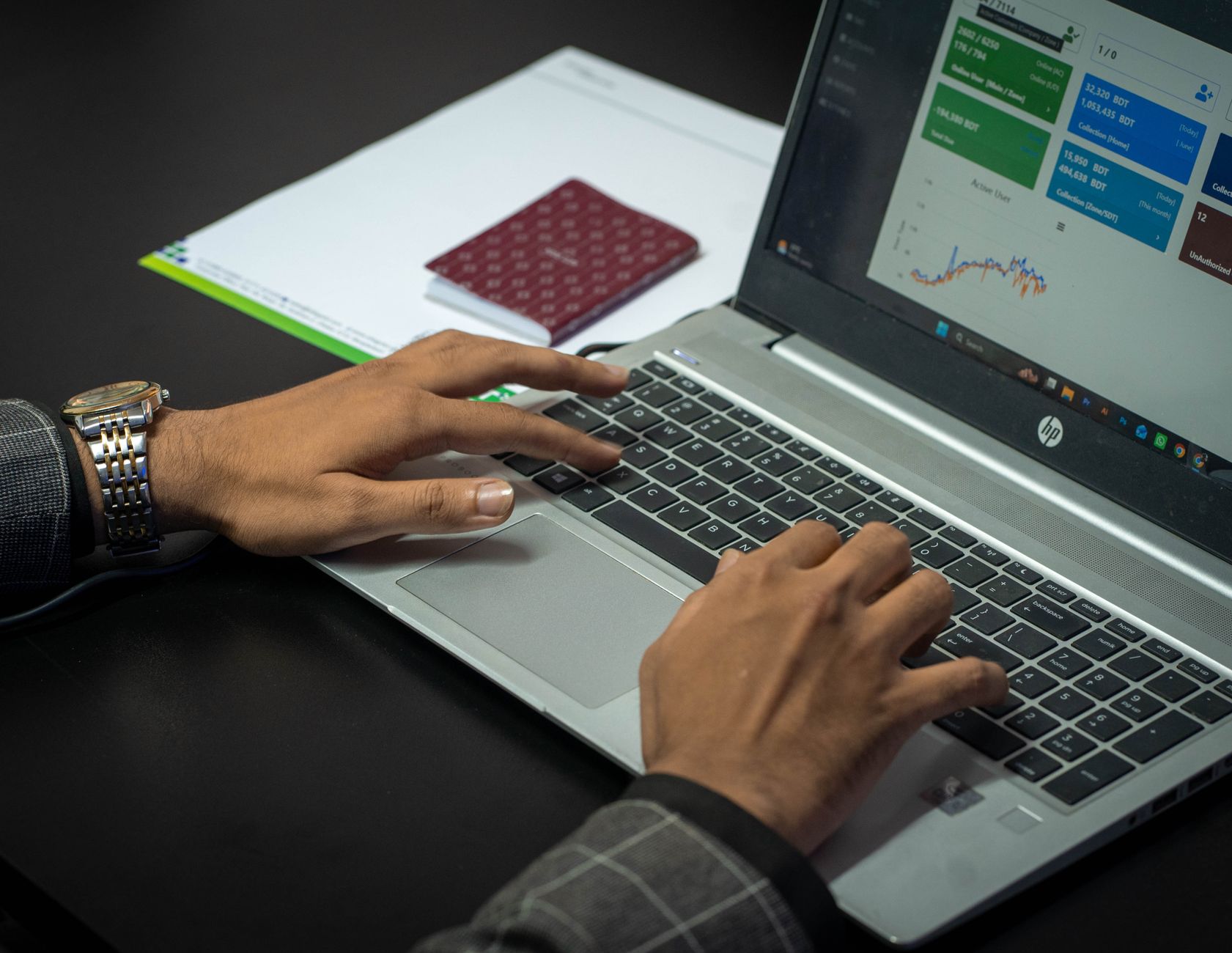
Enabling monetization settings — even before you hit eligibility thresholds — sends a platform-level signal that you are a serious creator. On YouTube, turning on Monetization → Enable in YouTube Studio places your channel in the monetization review queue. More importantly, it opts your content into AdSense contextual matching, which improves how YouTube categorises your content topically. That categorisation feeds back into discovery.
TikTok's Creator Marketplace profile is a separate discovery layer entirely. Brands and agencies search it to find creators for paid campaigns. Completing your Creator Marketplace profile — including content categories, audience demographics, and past performance metrics — makes you searchable to a buyer audience that never touches the For You Page. Many African creators have never opened this dashboard. That is a significant missed opportunity, especially as brand budgets for African-market campaigns grow.
Facebook's Professional Mode and Stars settings unlock a different kind of signal. Enabling Professional Mode on a personal profile (not a Page) gives Facebook's algorithm a clear instruction: treat this account as a creator, not a personal user. Distribution rules change. Content becomes eligible for Reels bonuses and the Facebook Creator Bonus programme where available in African markets.
For a detailed breakdown of how these monetization pathways translate into real income, see how African content creators make money on Facebook, TikTok, and X in 2026.
6. Closed Captions and Accessibility Settings: The SEO Benefit Most Creators Ignore
Closed captions are crawlable text. On YouTube, auto-generated captions are indexed by Google — meaning every word spoken in your video becomes a searchable keyword. But auto-captions have a significant accuracy problem with African accents, local language code-switching, and place names. A video about "Accra street food" may be transcribed as gibberish, destroying its search value entirely.
The solution is to upload a manual SRT file for your top-performing videos. YouTube's Studio makes this straightforward under Subtitles → Add. A corrected caption file not only improves accessibility for deaf and hard-of-hearing viewers — it dramatically improves keyword density for Google indexing. Google's video indexing documentation confirms that transcript data is used to understand video content for search ranking.
On TikTok, enabling Auto Captions in the upload flow (and then editing inaccuracies before publishing) achieves the same dual benefit. The caption text is indexed within TikTok's own search engine — which, according to TikTok's own newsroom data, now handles over 3 billion searches per day. Your spoken words are keywords. Treat them that way.
- Upload corrected SRT files to YouTube for your top 10 videos first
- Edit TikTok auto-captions before publishing — inaccuracies hurt search
- Include location names and topic keywords naturally in your spoken script
- Add chapter markers on YouTube — each chapter title is an indexed keyword
7. Collaboration and Cross-Platform Discovery Settings: Build the Network Effect
Platform-level collaboration settings are the most overlooked category of creator discovery settings — and the highest-leverage one for African creators building regional influence. YouTube's Featured Channels section (Channel → Customisation → Featured Sections) creates a two-way discovery bridge between your audience and allied creators. When a creator you feature also features you back, both channels gain exposure to each other's subscriber base.
TikTok's Duet and Stitch permissions are discovery settings in disguise. Leaving these open means other creators can remix your content — and every remix carries attribution back to your original video. For African creators with strong original concepts, this is free distribution. Locking these settings off to protect content is a common mistake that kills organic reach amplification.
Instagram's Collabs feature (available in post and Reel creation) allows two creators to co-author a single post that appears on both profiles simultaneously. A Collab post between a Lagos-based fashion creator and a UK-based African diaspora influencer reaches both audiences at once — with one piece of content. This is not a hack. It is a structural feature that most African creators have never activated.
Cross-platform discovery also means ensuring your profiles link to each other correctly. YouTube's Links section in channel customisation, Instagram's link-in-bio, and TikTok's website field should form a coherent network — not a dead end. Audiences who find you on one platform should be able to follow you everywhere else in two taps.
Want to see how top African creators are already doing this at scale? Discover African creators across every niche on Topping Africa and study how the best-performing profiles structure their cross-platform presence.
Why Creator Discovery Settings Matter More Than Ever in 2026
The social media landscape in 2026 has shifted decisively toward search-driven discovery. Platforms that once relied on pure algorithmic push — show content to people who didn't ask for it — are now investing heavily in search infrastructure. TikTok Search, YouTube Search, and Instagram's Explore search bar are all getting smarter. Creators who treat their profiles as search-optimised assets will compound their reach. Those who rely on luck and trending audio will plateau.
For African creators, this shift is an opportunity — not a threat. African languages, African cities, African cultural moments are underserved search categories. Low competition, high intent. A creator who correctly tags and captions content about Kigali's tech scene, Lagos nightlife, or Cape Town's surf culture is not competing against millions of identical videos. They are filling a gap that global platforms are actively trying to fill.
The seven settings above are not advanced tactics. They are table stakes — the baseline configuration that serious creators complete before worrying about content calendars or brand deals. Explore the full range of African creators already building on these foundations, and then go back to your own dashboard and close the gap.
Start today. Pick the one setting from this list you have never touched — profile SEO, category selection, caption files — and fix it before you publish your next piece of content. Small configuration changes, compounded over 90 days, produce the kind of sustainable growth that no viral moment can replicate.
Staff
Contributing writer at Topping Africa.
0 Comments
No comments yet. Be the first to share your thoughts!