
10 African Tech Startups Powering the Creator Economy in 2026
Africa's creator economy is exploding, and a new wave of African creator economy startups is finally putting real money into the pockets of influencers, musicians and digital storytellers. Discover 10 key platforms powering monetisation in Lagos, Nairobi, Accra and Kigali in 2026.
10 African Tech Startups Powering the Creator Economy in 2026
The African creator economy startups you should know in 2026 are no longer side players in fintech. They now sit at the center of how influencers, musicians, podcasters and digital storytellers across Lagos, Nairobi, Accra and Kigali earn real money online. As a creator, brand or investor, you need to understand which platforms are driving this boom, how they pay, and where the next big opportunities are emerging.
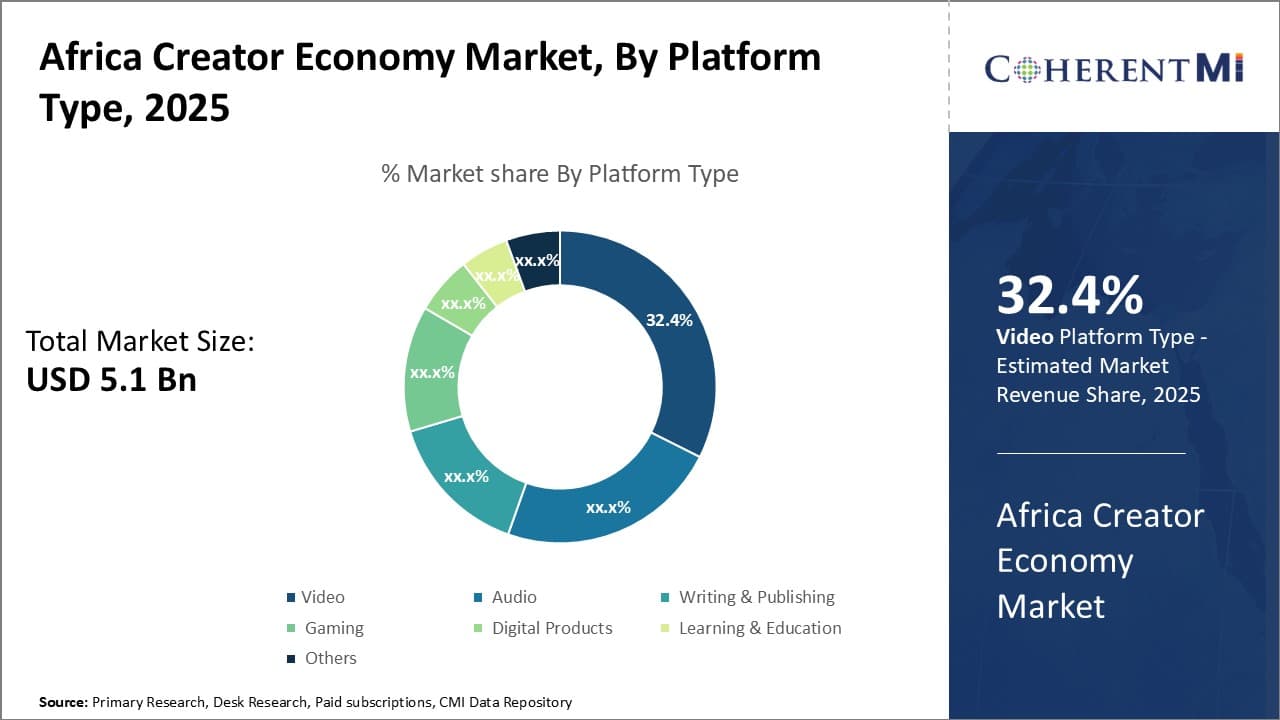
Moreover, Africa's wider creator economy is already worth billions and growing fast. According to recent reports, the sector crossed roughly $3 billion in value and could reach more than $17 billion by 2030, driven by mobile-first audiences, youth culture and social video platforms.[8][1] Consequently, the next wave of digital wealth on the continent will come from tools that help creators get paid, not just paid ads.
Why African Creator Economy Startups Matter in 2026
Today, you operate in a market where over 4 million active creators compete for attention across TikTok, Instagram, YouTube and Afro-focused platforms.[1][8] However, only a small group monetise at scale, while six in ten African creators still earn less than $100 monthly from their content.[8] Therefore, the startups you will discover below are critical: they close the gap between viral reach and real income.
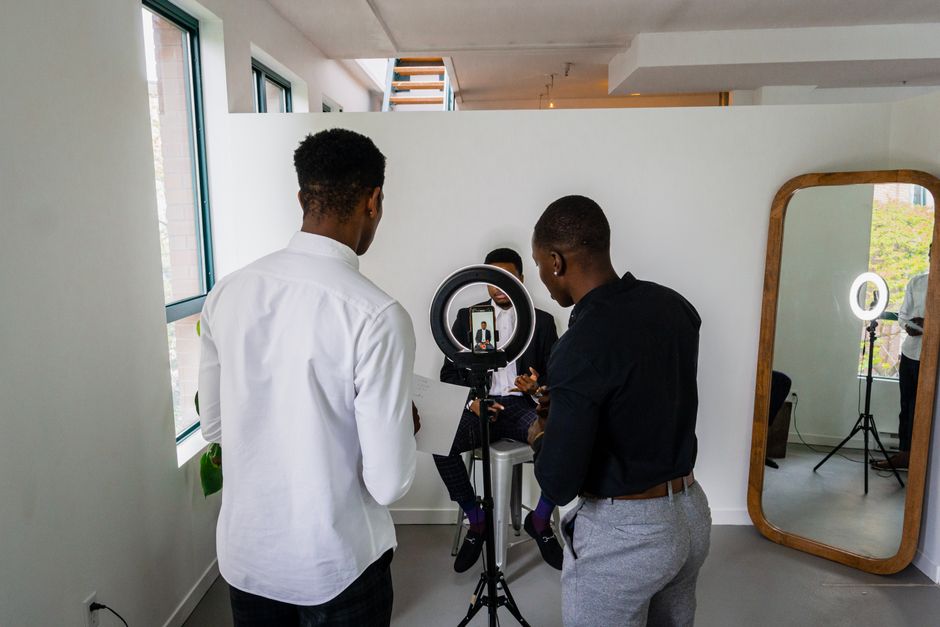
Furthermore, these companies build for the realities of African creators: patchy payment rails, multiple currencies, low advertising yields and cross-border fans. They plug into mobile wallets, leverage local music and pop culture, and often integrate with global platforms like YouTube and Spotify while adding local payout rails and analytics.[1] As a result, these tools help you turn followers into subscribers, tippers, superfans and buyers.
In addition, these ventures sit at the intersection of technology & innovation, youth employment and entertainment culture. Many of them appear in leading startup watchlists and regional accelerator programs, reflecting how investor interest is shifting from pure fintech to creator tools, social commerce and media infrastructure.[2][6] If you care about African soft power, this is where it scales.
Key Trends Shaping African Creator Economy Startups
Before diving into individual companies, it helps to zoom out. The most serious African creator economy startups cluster around a few high-impact themes that speak directly to your daily grind as a creator or brand.
- Influencer marketing marketplaces: Platforms that match brands with the right creators and automate campaigns.
- Fan monetisation and digital tipping: Tools for memberships, live tipping and exclusive content.
- Music distribution and rights: Services that get African music on global platforms while protecting royalties.
- Creator analytics: Dashboards that track performance, campaign ROI and audience data.
- Multi-country payouts: Startups that solve cross-border payments so you get paid on time in local currency.
Notably, these categories overlap. A single platform might offer fan tipping, brand deals and analytics in one stack. Ultimately, what matters is whether the product helps you grow income, not just followers.
1. Selar – Digital Products and Courses for African Creators
Country focus: Nigeria, Ghana, Kenya (pan-African reach)

Core play: Digital product sales, courses, memberships, tipping
Selar has become one of West Africa's most important monetisation platforms for creators who sell digital products. The company lets you sell e-books, courses, templates, event tickets and subscriptions in multiple African currencies and via cards, mobile money and bank transfers. Additionally, creators can accept payments from global fans in foreign currencies, easing the usual cross-border friction.
Furthermore, Selar's growth aligns with data showing that product sales already rank as a top income stream for African creators.[4][1] For many Knowledge creators in Lagos and Accra, Selar acts as the full-stack business backend: checkout, delivery, email and basic analytics. As a result, influencers and educators can focus on content and community while the platform handles the finance layer.
In particular, if you are a coach, designer, writer or niche educator, Selar gives you a clear path from viral threads to paid courses. You build once and reach a pan-African audience without stitching together multiple tools. Consequently, Selar sits at the heart of your digital business stack.
2. Chipper Creator Tools – Cross-Border Payments for Creators
Country focus: Nigeria, Kenya, Ghana, South Africa; diaspora connections
Core play: Cross-border payments, tipping, remittances for creators
Chipper Cash started as a fintech unicorn, but its emerging creator-focused tools are reshaping how fans support African influencers and streamers. The platform enables low-fee transfers between African countries and the diaspora, which creators repurpose as a tipping and support channel for live streams, community projects and paid clubs. Moreover, fans in London, Toronto or Atlanta can send small-dollar tips that convert into meaningful local income.
According to regional startup analyses, payment rails remain one of the biggest bottlenecks holding back Africa's creator economy.[6][8] Consequently, a cross-border wallet that integrates with social platforms and live events gives you a serious edge. You can charge in dollars, pay collaborators in naira or shillings and keep fees low.
However, what makes Chipper particularly interesting for the creator economy is not a dedicated "creator product" alone. Instead, it is the way creators hack the app for merch drops, paid communities and pooled fan contributions. Therefore, as Chipper continues to integrate with more merchants and online platforms, expect its role in creator monetisation to grow.
3. Safaricom Baze & Skiza – Telco-Backed Content Monetisation
Country focus: Kenya (with regional influence)
Core play: Short-form video platform, caller ringback tones, telco billing
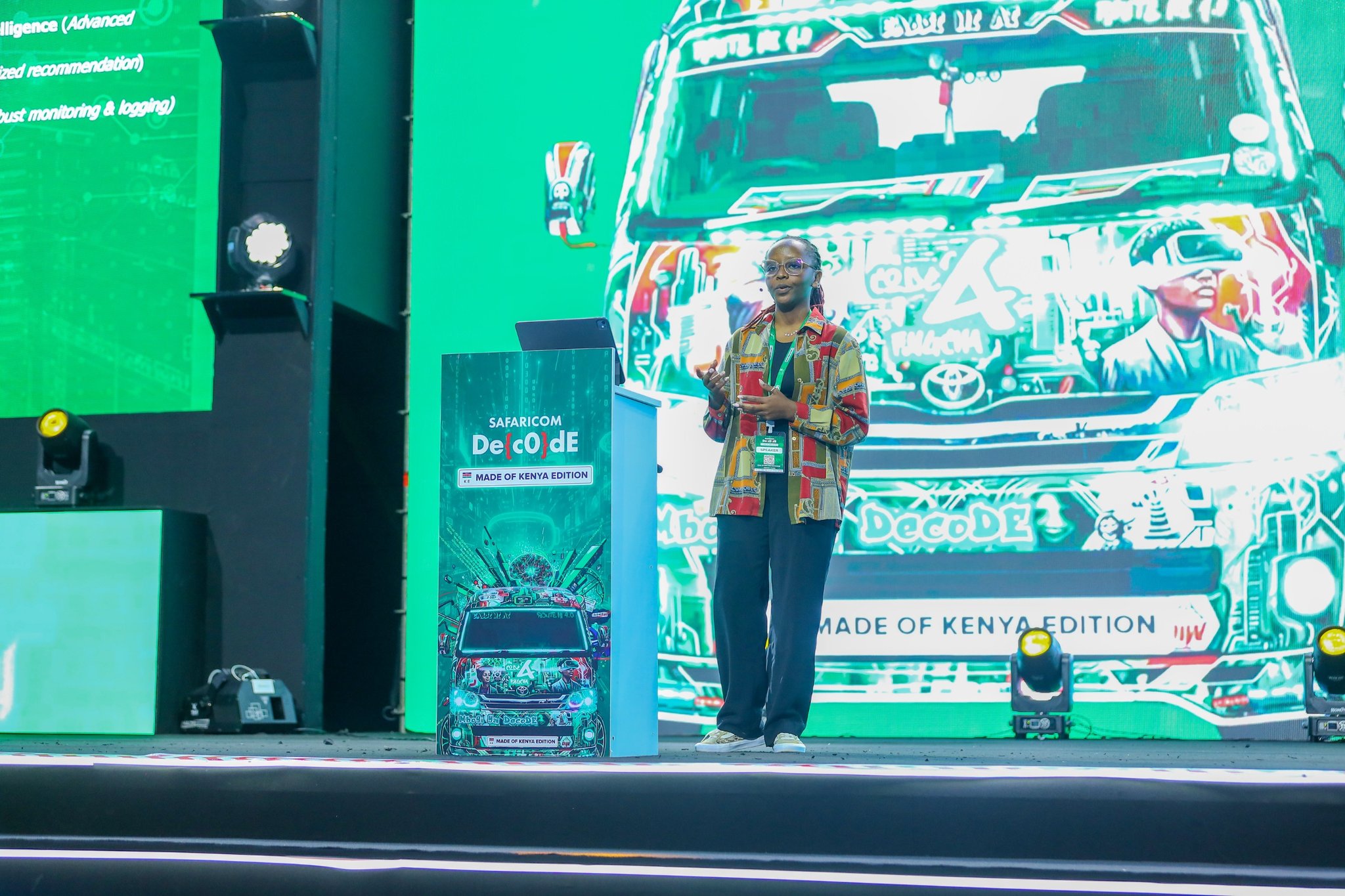
Kenya's Safaricom runs Baze, a local video-on-demand platform that hosts comedy skits, music videos and short films. For creators, the key value lies in billing. Fans pay micro-subscriptions using airtime or M-Pesa, and a share flows back to content owners. Additionally, Safaricom's long-running Skiza Tunes service pays artists for caller ringback tones, one of East Africa's earliest and most durable forms of mobile content monetisation.[6]
Moreover, telco-backed platforms address a critical challenge: many fans lack international cards but own prepaid SIM cards. Therefore, direct carrier billing converts even basic feature-phone users into paying audiences. For emerging comedians, gospel singers or regional influencers, that can be the difference between hobby and career.
As a creator in Nairobi or Mombasa, you can now stack income from YouTube, TikTok and telco platforms such as Baze and Skiza. Consequently, your catalog works harder, and your earnings become less dependent on volatile ad revenue. This multi-rail model is increasingly common across serious African creator economy startups.
4. Mdundo – Music Streaming Built for African Listeners
Country focus: Kenya, Tanzania, Nigeria, Ghana and wider Sub-Saharan Africa
Core play: Ad-supported music streaming and downloads for mobile-first users
Mdundo is a Nairobi-headquartered music platform focused on African audiences who want simple, low-data access to songs. Artists upload music, reach millions of listeners and earn advertising revenue shares. Additionally, Mdundo partners with telcos to bundle music with data plans, expanding reach beyond smartphone elites.
According to Mdundo's public filings and market reports, the platform had over 20 million monthly active users across Africa by the mid-2020s, with user growth driven by Nigeria and Kenya.[6] Consequently, for emerging artists who may not yet crack global playlists on Spotify or Apple Music, Mdundo offers both visibility and income.
Furthermore, the platform's download-first model recognises local realities where streaming data remains expensive. Fans often prefer to download tracks for offline use. Therefore, Mdundo's ad-funded, mobile-friendly model aligns better with everyday listeners while still paying creators.
5. Africa Podcasting & Audio Startups – Turning Voices into Revenue
Country focus: South Africa, Nigeria, Kenya
Core play: Podcast hosting, distribution, analytics and branded audio
While not always grouped under African creator economy startups, a growing cluster of podcast and audio platforms in Johannesburg, Lagos and Nairobi now serve creators who think beyond video. These startups offer hosting, local-language ad marketplaces and branded content production for African audiences that want talk shows, interviews and documentary series on the go.
Moreover, global platforms like Spotify have expanded African podcast catalogs and launched exclusive deals with top shows, creating a new income lane for storytellers and journalists.[6] Local startups then add value through regional ad sales, community events and audience analytics tailored to the continent's listening habits.
Consequently, if you host a podcast on pop culture, football, fashion or tech, you now have a stronger support stack in Africa than ever before. You can access sponsors, track performance and cross-promote with video on social platforms to maximise discovery.
6. Live Streaming & Tipping Layers – Gaming, Music and Social Video
Country focus: Nigeria, South Africa, Egypt, Kenya
Core play: Live streaming, gaming, concerts, digital tipping and gifts
Livestreaming has surged across African markets, from gaming streams in Johannesburg to live shopping sessions in Lagos. A mix of regional startups and integrations with global platforms now lets viewers send digital gifts, tips and paid requests during performances. Additionally, telcos and banks partner with these platforms to make micro-payments seamless and low-cost.
Furthermore, the model mirrors global creator platforms like Twitch and YouTube Live, but with local twists: mobile-only interfaces, lower data usage and mobile money support. Therefore, a Nairobi-based DJ or a Ghanaian fashion influencer can run weekly live sessions where fans pay for song requests, style tips or shout-outs.
Importantly, live tipping directly addresses the problem of low ad revenue that many African creators face. As more fans become comfortable with small, frequent payments, your income diversifies and becomes more community-driven. Consequently, live tools are now an essential part of the modern creator toolkit.
7. Music Distribution Startups – Getting African Sounds Global
Country focus: Nigeria, Ghana, South Africa, pan-African
Core play: DIY music distribution, rights management, royalty collection
A group of distribution platforms has transformed how African musicians release and monetise their work. These startups help you push tracks to Spotify, Apple Music, Boomplay, Audiomack and more, while tracking royalties and performance across platforms. Additionally, they often provide advances, marketing support and data dashboards that highlight which cities or countries stream your music the most.
According to industry reports, African recorded music revenues have grown rapidly in the last few years, with streaming as the main driver.[6] Consequently, distribution platforms now form the backbone of many Afrobeat, Amapiano and Gengetone careers. They secure ISRC codes, negotiate playlists and chase underreported royalties so you can focus on making hits.
Moreover, many distribution startups are deeply connected to influencer culture. They work closely with TikTok dance creators, Instagram comedians and YouTube vloggers to seed songs in viral content. Therefore, if you create music-related content, these platforms can help you form strategic partnerships and share upside from virality.
8. Creator Analytics & Social Intelligence Platforms
Country focus: Nigeria, South Africa, Egypt
Core play: Influencer discovery, performance analytics, campaign tracking
As brand spending on African influencers grows, analytics tools have become vital. These startups aggregate social data from TikTok, Instagram, YouTube and X, then score creators on engagement, audience quality and brand fit. Additionally, they offer campaign dashboards where marketers can track key metrics in real time.
Moreover, recent creator economy reports highlight that many advertisers still see influencer marketing as opaque, especially around metrics like reach, conversions and fraud.[8] Consequently, transparent analytics platforms unlock more budget for serious creators. When a Lagos-based fashion influencer or a Nairobi tech YouTuber can prove ROI, brands spend more and renew deals.
For you as a creator, analytics tools give clarity on which content resonates, which cities respond best and which brands align with your audience. Therefore, you can pitch smarter, negotiate better rates and focus creative energy on formats that truly perform.
9. Fan Clubs, Memberships and Superfan Communities
Country focus: Nigeria, Kenya, Rwanda, pan-African
Core play: Subscription communities, exclusive content, gated access
A new wave of platforms now helps African creators launch fan clubs and membership tiers similar to Patreon but built for African payment realities. Fans pay small monthly fees using mobile money or local cards to unlock exclusive content, early releases, private chats and physical event perks. Additionally, some startups experiment with community ownership models where superfans share in upside from merch or ticket sales.
Furthermore, the 2026 Africa Creator Economy Report notes that recurring revenue from communities and memberships is an important stabiliser for top earners.[8][4] Consequently, creators who move beyond one-off brand deals and random tips build more predictable income streams. You are no longer at the mercy of algorithm changes or seasonal advertising budgets.
In particular, this model works well for niche creators: anime reviewers in Accra, tech educators in Kigali, wellness coaches in Nairobi. As long as you deliver real value to a small but loyal group, membership tools can turn micro-communities into sustainable businesses.
10. Marketplace Platforms for African Influencer Campaigns
Country focus: Nigeria, South Africa, Egypt, Ghana
Core play: Matching brands with creators, campaign management, payments
Influencer marketplaces have become the central meeting point between brands and creators in Africa's biggest markets. These platforms let marketers search for creators by niche, location, audience size and engagement. Additionally, they often manage contracts, approvals and payments in one place, reducing friction for both sides.
Moreover, as more global brands launch African campaigns, they look for reliable ways to identify credible partners in Lagos, Nairobi, Accra and Kigali. Marketplaces that vet creators, track performance and handle payouts solve that pain point. Consequently, creators who join and keep strong profiles often receive a steady flow of briefs instead of chasing one-off deals on their own.
For rising content creators across fashion, comedy, music and lifestyle, these platforms can be your entry into serious influencer marketing income. Therefore, polishing your media kit, clarifying your audience and learning to price your work are essential skills for thriving on these stacks.
How These African Creator Economy Startups Support Influencers Daily
You might wonder how all these tools translate into your day-to-day as a content creator. Practically, they touch every part of your workflow, from idea to invoice.
- Planning & strategy: Analytics platforms show what works so you plan smarter content calendars.
- Production & distribution: Music and video platforms push your work to audiences across multiple countries.
- Monetisation: Tipping, memberships, digital product tools and brand marketplaces create income stacks.
- Payments: Cross-border wallets and telco billing ensure fans and brands can pay you easily.
- Growth: Marketplaces and partnerships connect you to new audiences and collaborators.
Ultimately, the most successful African creators treat these startups like parts of a business engine, not just apps on their phone. You pick a few that align with your niche, integrate them into your routine and track performance with the same seriousness a company would apply to revenue dashboards.
Practical Steps for African Creators in 2026
To turn this ecosystem into real money, you need a clear plan. Below is a simple roadmap tailored to African creators navigating these platforms.
- Audit your current income: List every way you earn from content and estimate monthly averages.
- Pick two monetisation pillars: For instance, combine digital product sales with live tipping or memberships.
- Choose the right platforms: Select one payment stack, one distribution platform and one community tool.
- Design offers for superfans: Create exclusive content, early access or private sessions worth paying for.
- Track and iterate: Review analytics monthly and double down on what works.
Additionally, remember that African audiences love crossovers. Collaborate with musicians, comedians, fashion influencers and tech educators to tap new fan bases. As you grow, media coverage on platforms like Entertainment and Culture & Lifestyle hubs can amplify your reach and attract bigger brand deals.
Where Brands and Investors Fit into the African Creator Boom
If you are a brand or investor watching this space, the opportunity is clear. Africa has one of the youngest populations on the planet and some of the world's fastest-growing social media usage rates.[6] Additionally, creators now shape what young consumers buy, listen to and wear, from streetwear drops in Lagos to Amapiano parties in Johannesburg.
For brands, working with creators through trusted African platforms reduces risk and improves campaign outcomes. Furthermore, transparent analytics and localised payment tools make it easier to run always-on partnerships instead of one-off influencer stunts. As a result, you can build long-term relationships with creators who genuinely move culture.
For investors, the space offers exposure to both software and content upside. You are backing infrastructure that powers everything from music exports to fashion trends. Reports from organisations like Brookings Institution and creator-economy-focused analysts show that African tech startups now attract record funding, with media and consumer categories gaining fresh attention.[6][1] Consequently, specialised creator tools represent a natural next frontier.
Explore More on Topping Africa
If you want to go deeper into Africa's creative and digital business landscape, you will find rich storytelling across Topping Africa. Moreover, you can use these sections as your regular watch posts for the next breakout creator or startup.
- Business & Economy – In-depth coverage of African startups, funding rounds and digital business models.
- Technology – Stories on African innovation, apps and platforms shaping everyday life.
- Entertainment – Profiles of rising influencers, musicians and cultural trends across the continent.
Additionally, you can explore how fashion, music and tech collide in our Culture & Lifestyle section, where we unpack how creators turn local stories into global moments. Be sure to read more about emerging voices, share your thoughts and subscribe to stay ahead of the curve.
Looking Ahead: The Future of African Creator Economy Startups
Looking to 2026 and beyond, the most exciting African creator economy startups will blend fintech, media and community in new ways. They will make it normal for a Kigali-based animator, an Accra fashion vlogger or a Nairobi gaming streamer to build six-figure careers from local and global fans. Additionally, they will deepen links between African celebrities, grassroots creators and brands in ways that grow the whole ecosystem.
Furthermore, as internet access expands and digital skills spread, expect more hyper-local platforms in languages beyond English and French. These tools will tailor monetisation models to regional habits, from audio-first formats to live commerce and social tipping. As a result, more diverse stories, accents and styles will find sustainable business models.
If you are a creator, now is the time to experiment and lock in your stack. If you are a brand, this is the moment to build long-term partnerships with creators who understand their audiences better than any billboard ever could. And if you are an investor or ecosystem builder, the signal is clear: Africa's creator economy is not a side show to fintech anymore; it is a core engine of digital growth, culture and opportunity.
Ultimately, whether you shoot street style reels in Lagos, produce Gen Z talk shows in Nairobi or drop drill tracks in Accra, these startups exist to help you get paid. Explore their tools, discover new ways to monetise your craft and leave a comment on what platforms you want us to spotlight next.

Staff
Contributing writer at Topping Africa.
0 Comments
No comments yet. Be the first to share your thoughts!