10 African Tech Creators Turning TikTok and Instagram Into Startup Launchpads

A new generation of African tech content creators is turning TikTok and Instagram into launchpads for startups, from fintech to fashion and edtech. Discover ten influential voices reshaping Africa's creator economy, monetisation models, and digital culture with short-form video.
10 African Tech Creators Turning TikTok and Instagram Into Launchpads for Startups
Moreover, a new wave of African tech content creators is turning TikTok and Instagram into powerful startup launchpads. Consequently, you are watching influencers shift from simple entertainment to building fashion labels, fintech tools, edtech platforms, and creator-economy startups in real time. Additionally, these creators use short-form video, live shopping, affiliate links, and brand deals to test products and grow real businesses. Ultimately, this movement is reshaping Africa's digital culture and entrepreneurship with very little legacy media coverage so far.
Furthermore, Africa's billion-dollar creator economy now stretches far beyond viral dance trends and comedy skits. In addition, creators with loyal audiences are becoming founders, product builders, and investors, turning their influence into equity and long-term value[2]. Similarly, platforms like TikTok and Instagram reward consistent creators with reach, data, and monetisation tools that make it easier to launch and scale startups[1][2]. Therefore, if you follow the right African tech content creators, you can watch the next generation of African startups being born on your phone screen.
Why African Tech Content Creators Are Becoming Startup Founders
Importantly, the rise of African tech content creators is tied to the explosive growth of the continent's creator economy. During the COVID-19 pandemic, content creation moved from a side hustle to a mainstream career for many Africans[2]. Consequently, creators across Nigeria, Kenya, South Africa and beyond built large communities who trust their opinions on technology, finance, fashion, and lifestyle[1][2]. Moreover, those same communities now provide ready-made customer bases for new digital products and services.
Additionally, creators understand attention, storytelling, and culture better than most traditional businesses. As a result, they can quickly test startup ideas with their audiences through polls, DMs, low-cost MVPs, and live content. Notably, many African creators now partner with engineers and designers to turn content personas into funded startups, from healthtech to fashion tech[2]. Similarly, brands and investors increasingly view digitally-native founders as strong bets for the African market because they already know how to build and retain loyal users[2].
Moreover, TikTok's hyper-localised algorithm and Instagram's Reels help African creators reach niche tech and startup audiences without big marketing budgets[1]. In addition, platforms like Meta and ByteDance actively support creators in key African markets such as Kenya, Nigeria, and South Africa through training and creator programs[1][2]. Therefore, if you are serious about African innovation, you need to track these digital-native founders as closely as you follow traditional startups.
10 African Tech Creators Turning Reach Into Real Startups
Specifically, here are ten standout African creators who use short-form video to build serious businesses. Additionally, each one shows you a different way to turn content into products, from fintech to fashion and edtech. Consequently, you can study their playbooks to shape your own path in Africa's fast-growing creator economy.
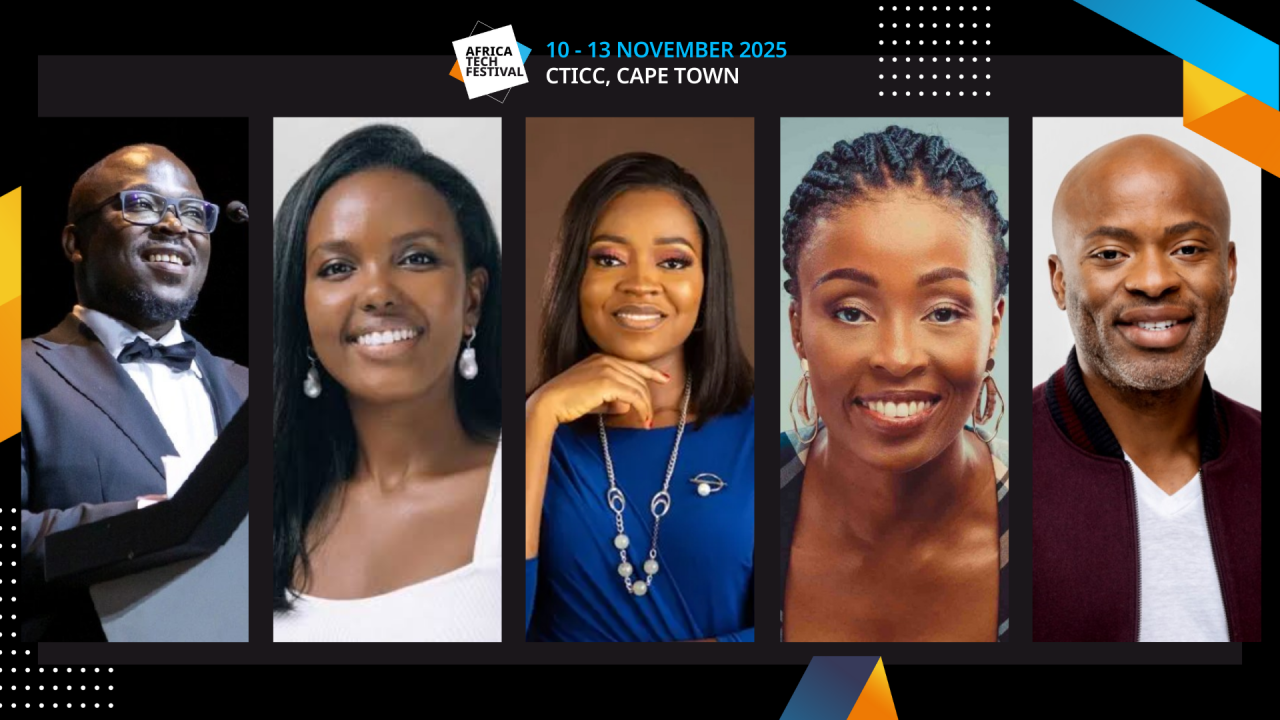
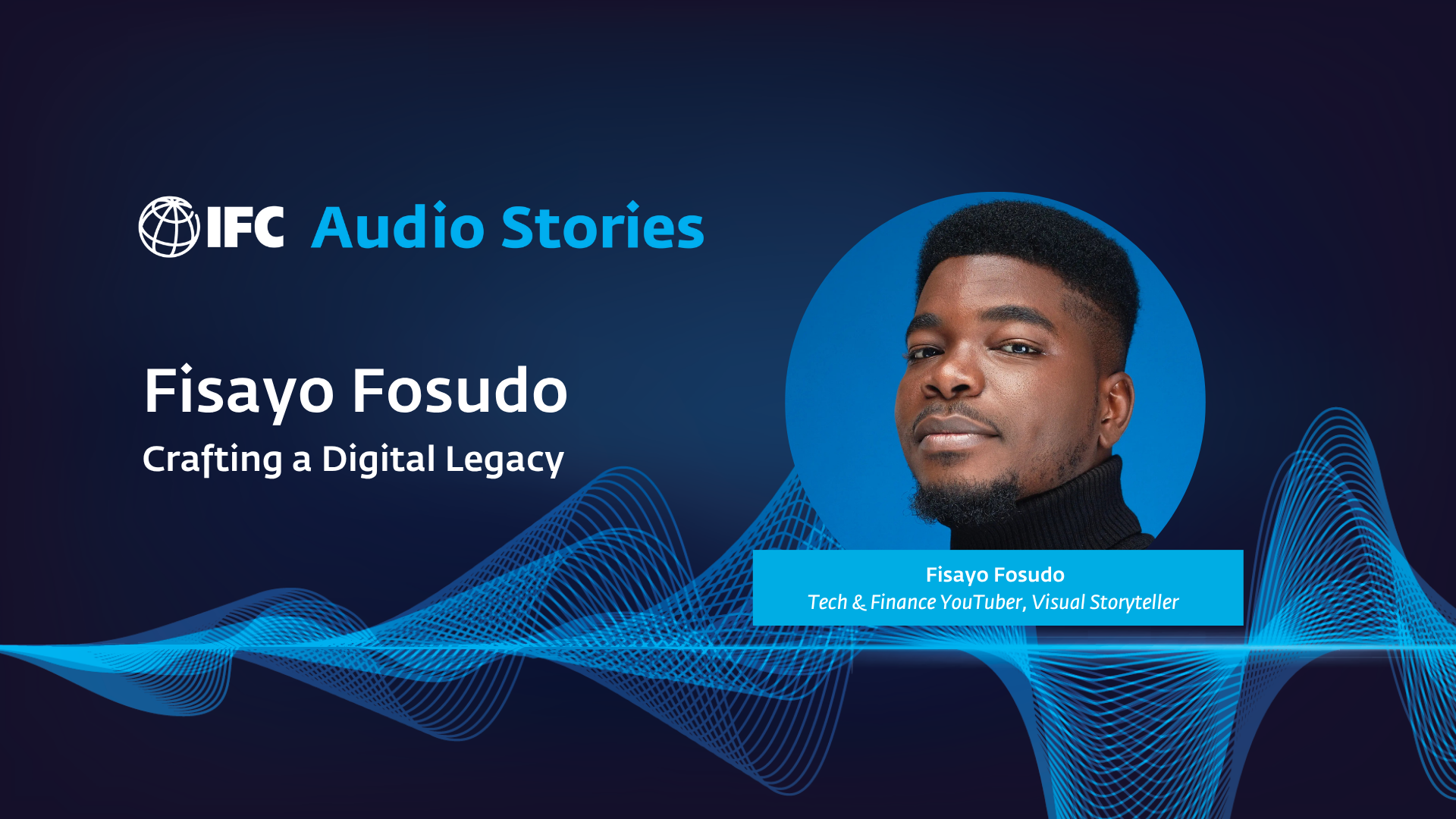
1. Fisayo Fosudo – Nigeria's Tech Explainer Building Fintech and Creator Tools
Moreover, Fisayo Fosudo has become one of Africa's most influential tech reviewers, known for his clear breakdowns of smartphones, apps, and financial tools[8]. Additionally, he uses Instagram Reels, TikTok clips, and YouTube shorts to turn complex product features into simple stories that everyday users understand. Consequently, his audience sees him not just as a reviewer, but as a trusted guide for digital finance and productivity in Nigeria.
Furthermore, Fisayo increasingly partners with African fintech startups to explain savings apps, virtual cards, and digital banking tools to young professionals. In addition, he experiments with affiliate links, sponsored content, and brand collaborations to monetise while still protecting audience trust[8]. As a result, his influence often drives adoption spikes for new products and pushes founders to improve user experience, documentation, and local support. Ultimately, creators like Fisayo act as real-time product feedback loops for Africa's fintech ecosystem.
Additionally, if you are building a fintech startup, studying how Fisayo frames value, simplifies onboarding, and responds to user questions can sharpen your go-to-market strategy. For instance, you can model your explainer content on his style while adding your own voice and local context. Therefore, following his platforms is almost like attending a live masterclass in tech storytelling and product-led growth for African startups.
2. Marques Brownlee – Global Tech Star Amplifying African Devices and Founders
Notably, Marques Brownlee is US-based but increasingly features African-made devices, founders, and stories in his content[8]. Moreover, his massive TikTok and Instagram reach gives African products a global spotlight when they appear in his reviews or shorts. Additionally, African hardware and mobile companies understand that one clip from Marques can drive interest from investors, users, and media far beyond the continent.
Furthermore, Marques uses short-form video to tease reviews, share quick takes on new devices, and highlight design details that matter to real users. In addition, African startups sometimes seed devices or prototypes with him and other global creators to test international appeal before scaling distribution. Consequently, creators like Marques serve as informal export advisors for African hardware founders, especially in consumer tech. Ultimately, this bridge between African makers and global audiences helps push African innovation into mainstream tech conversations.
Moreover, when you see African phones, tablets, or accessories pop up in his feed, you are watching a quiet shift in global tech influence. Similarly, African creators who collaborate or duet his content learn how to structure short-form reviews that feel premium yet accessible. Therefore, keeping an eye on his content strategy can inspire you to package African-built products in ways that resonate worldwide.
3. TayeNaija – Nigeria's Gadget Creator Turning Reviews Into E-commerce
Additionally, TayeNaija has built a strong presence as a Nigerian tech and gadget influencer, sharing hands-on demos of phones, laptops, and accessories[8]. Moreover, he uses TikTok and Instagram Reels to showcase how devices fit into everyday Nigerian life, from work-from-home setups to gaming and content creation. Consequently, his audience follows him not only for entertainment but also for practical buying guidance.
Furthermore, TayeNaija increasingly links his reviews to curated product lists on local e-commerce sites, using affiliate programs to monetise recommendations. In addition, he tests live shopping formats during launches, walking viewers through features while answering questions in real time. As a result, his content flows seamlessly into commerce, turning attention into tangible sales for brands and retailers. Ultimately, this "content-to-cart" model shows how African tech creators can build their own retail funnels without owning warehouses.
Moreover, if you want to move from influencer status to founder, TayeNaija's playbook suggests starting with curated marketplaces or white-label accessories. For instance, you could partner with suppliers to launch co-branded gadgets or bundles, promoted primarily through short-form content. Therefore, watching how he balances honest reviews with commerce links will help you design monetisation strategies that keep audience trust intact.
4. Symoné Berry – Bridging Fashion, Tech, and the Creator Economy
In addition, Symoné Berry stands out among Black tech influencers for her focus on design, fashion, and digital culture[8]. Moreover, she uses Instagram and TikTok to highlight how creators can turn personal style and creative direction into a full-stack brand. Consequently, African audiences increasingly look to her content to understand how visual identity and product design intersect in the creator economy.
Furthermore, Symoné frequently explores tools for creators, from content planning apps to merch platforms and online storefronts. Additionally, she shares behind-the-scenes workflows that show how to plan shoots, batch content, and integrate analytics into everyday creative decisions. As a result, African fashion and lifestyle creators can adapt her methods to build data-driven clothing labels and beauty brands. Ultimately, this blend of creative direction and tech literacy is critical for African founders who want global-standard brands.
Moreover, when you apply her lessons to African fashion tech, you get stronger launch strategies for local labels using Instagram Shops and TikTok live shopping. Similarly, you can test limited drops, pre-orders, and seasonal collections by watching engagement data from your short-form content. Therefore, following Symoné's approach can help you treat your aesthetic choices as real business infrastructure, not just posts.
5. Oladapo-Ogunsanya Segun – Building Tech Education Through Short-Form Tutorials
Importantly, Oladapo-Ogunsanya Segun focuses on tech education, sharing coding tips, software tools, and productivity workflows with a largely African audience[8]. Moreover, his short-form tutorials on Instagram and TikTok demystify technical concepts that often feel intimidating to beginners. Additionally, he leans on clear visuals and concise explanations that encourage viewers to try concepts immediately on their own devices.
Furthermore, Segun uses his content to funnel learners into structured online courses, mentorship programs, and curated resources. In addition, he experiments with link-in-bio tools, email newsletters, and community platforms to keep fans engaged beyond social feeds. Consequently, his work blurs the line between edtech startup and personal brand, proving you can build learning businesses without heavy infrastructure. Ultimately, African learners get bite-sized explanations plus clear paths into deeper skill-building.
Moreover, if you want to build an edtech startup focused on Africa, Segun's strategy shows why short-form video should sit at the top of your funnel. For instance, you can post daily micro-lessons that lead into cohort-based courses or subscription communities. Therefore, creators like Segun are quietly constructing the continent's next wave of tech talent using nothing more than a phone camera and smart distribution.
6. Rebecca Enonchong – African Tech Advocate Using Social Video to Spotlight Startups
Notably, Rebecca Enonchong is widely known as a leading African tech entrepreneur and investor who uses social platforms to spotlight startups[9]. Moreover, while much of her influence comes from Twitter and long-form commentary, she increasingly leverages Instagram and short video to amplify founder stories. Additionally, clips from events, panels, and product demos help bring African tech innovation onto mainstream social timelines.
Furthermore, Rebecca often shares practical advice on fundraising, governance, and ecosystem building, turning thought leadership into a form of accessible mentorship[9]. In addition, founders featured in her content gain instant credibility and visibility among investors, media, and policy shapers. Consequently, her feed behaves like a living showcase for high-potential African ventures, even when traditional media overlooks them. Ultimately, this blend of commentary and curation turns her into a crucial bridge between the creator economy and the formal tech ecosystem.
Moreover, if you are a rising founder, engaging with her content can plug you into wider conversations about African tech policy, investment trends, and community-building. Similarly, her embrace of short-form clips signals that serious thought leadership can coexist with TikTok and Instagram culture. Therefore, do not underestimate how a single repost or story mention from ecosystem giants like Rebecca can accelerate your startup's momentum.
7. Iyinoluwa Aboyeji – Turning Founder Insights Into Creator-Economy Infrastructure
Additionally, Iyinoluwa Aboyeji, co-founder of Flutterwave and Andela, increasingly uses social video to share founder lessons and investment perspectives[9]. Moreover, his appearance in podcasts, live streams, and short clips across platforms creates a growing library of practical insights for African builders. Consequently, these micro-lessons shape how younger creators think about product-market fit, regulation, and cross-border expansion.
Furthermore, Iyin invests in and advises startups that support the creator economy, fintech, and digital infrastructure. In addition, his content frequently highlights why African creators should think like founders and structure their operations accordingly. As a result, many digital-native entrepreneurs now view him as both mentor and investor, even if they have never met in person. Ultimately, this content-first relationship model shows how founders can extend their impact beyond boardrooms and events.
Moreover, if you consume his insights through Instagram snippets or reposted TikTok clips, you gain a practical roadmap for scaling from creator to company. For instance, you can learn why payment flows, compliance, and cross-border strategy matter even for small digital businesses. Therefore, following Iyin's content gives you a front-row seat to the thinking that shaped some of Africa's biggest tech successes.
8. Victor Asemota – Using Video Commentary to Educate on African Tech and Finance
In particular, Victor Asemota has become a respected African tech and finance commentator whose views travel quickly across social platforms[9]. Moreover, he uses video and visual threads to break down complex topics like venture capital, macroeconomics, and startup risk in language that resonates with African audiences. Additionally, many short clips of his commentary circulate on Instagram and TikTok, shared by younger creators looking for context on the ecosystem.
Furthermore, Victor frequently highlights the importance of sustainable business models, real value creation, and long-term thinking in African tech. In addition, his presence in the creator space supports founders who want to move beyond hype into solid fundamentals. Consequently, creators who duet or respond to his content often translate these macro lessons into practical tips for their own followers. Ultimately, the result is a layered conversation where entertainment, education, and serious analysis coexist.
Moreover, if you are a content creator leaning into tech commentary, Victor's style offers a benchmark for mixing strong opinions with data and history. Similarly, you can adapt his approach by using short-form video to react to news, share frameworks, and answer audience questions. Therefore, building your own commentary niche can carve out space for more informed tech conversations within African influencer culture.
9. Jason Njoku – Nollywood and Streaming Pioneer Embracing Creator Culture
Additionally, Jason Njoku, co-founder of iROKOtv, has long used social platforms to share blunt startup lessons and entertainment industry insights[9]. Moreover, his short posts and clips about funding, content deals, and personal failures give creators a realistic view of building in Africa. Consequently, younger entertainment and media founders draw on his experiences when designing their own digital platforms and production studios.

Furthermore, Jason supports and collaborates with influencers and creators who build Nollywood-inspired formats for TikTok and Instagram. In addition, he understands how short-form content can drive subscriptions, merchandising, and spin-off shows for streaming platforms. As a result, his actions demonstrate how African film and TV entrepreneurs can plug into creator culture instead of competing with it. Ultimately, this synergy between traditional entertainment and influencer-led storytelling benefits the entire African media ecosystem.
Moreover, if you are building a content startup, learning from Jason's candid commentary on cost, distribution, and audience behavior is invaluable. For instance, you can use short-form skits and behind-the-scenes clips to test demand before investing in full-length productions. Therefore, his journey shows how you can treat TikTok and Instagram as agile labs for bigger film, series, or platform ideas.
10. Larry Madowo – Journalist Using TikTok to Document African Tech Culture
Notably, Larry Madowo is a Kenyan journalist whose TikTok and Instagram presence increasingly spotlights African tech founders, events, and cultural shifts[6]. Moreover, his clips from conferences, product launches, and street-level tech stories help audiences see how innovation shows up in everyday African life[6]. Additionally, his content often goes viral, pulling global attention towards African-led conversations about inclusion, representation, and progress in technology.
Furthermore, Larry uses short-form storytelling to highlight both success and structural gaps, pushing viewers to think critically about the ecosystem[6]. In addition, he frequently interviews founders, creators, and investors on camera, turning his feeds into dynamic archives of African tech narratives. Consequently, startups featured in his content gain visibility that can translate into users, partnerships, and press coverage. Ultimately, he embodies how journalists can act as creators and ecosystem builders at the same time.
Moreover, if you follow his TikTok and Instagram accounts, you discover new African tech stories long before they hit major TV segments. Similarly, his work inspires other African reporters and creators to use short-form video as a primary storytelling medium, not just a promotion channel. Therefore, Larry's approach proves that serious reporting, vibrant culture, and creator tools can combine into a powerful engine for African innovation visibility.
How African Tech Creators Monetise on TikTok and Instagram
Importantly, understanding monetisation is crucial if you want to move from creator to founder in Africa's digital economy. Moreover, most leading African tech content creators layer multiple income streams to protect themselves from algorithm changes and platform shifts[2]. Additionally, these revenue paths often double as testing grounds for startup ideas, since every transaction tells you something about audience demand.
- Brand deals and sponsorships – Moreover, creators partner with startups, telcos, and banks to showcase devices, apps, and services in short-form content[2].
- Affiliate marketing and referral links – Additionally, tech creators use custom links and codes to earn commissions on sales of gadgets, fintech tools, and online courses[2].
- Live shopping and social commerce – Furthermore, TikTok Live and Instagram Shops let creators sell products directly during live demos and Q&A sessions.
- Digital products and courses – In addition, edtech-oriented creators package their knowledge into paid courses, templates, and community memberships.
- Equity partnerships and angel investing – Notably, some top creators negotiate equity instead of pure cash fees when promoting early-stage startups[2].
Moreover, Africa's billion-dollar creator economy is increasingly structured around these monetisation paths[2]. Consequently, many creators now view themselves as micro-enterprises with P&L statements, budgets, and strategic roadmaps. Additionally, platforms like Meta and TikTok offer training for African creators on monetisation, safety, and analytics, helping turn creative talent into sustainable business models[2]. Therefore, you should treat your short-form content not just as entertainment, but as the top of a full business funnel.
Tools and Platforms Powering African Tech Content Creators
Moreover, African tech content creators rely on a mix of global and local tools to build, analyse, and monetise their audiences. Additionally, TikTok, Instagram, and YouTube remain the core platforms for short-form distribution, each with unique strengths for African markets[1][2]. Consequently, successful creators pay close attention to platform updates and new features that can unlock fresh growth channels.
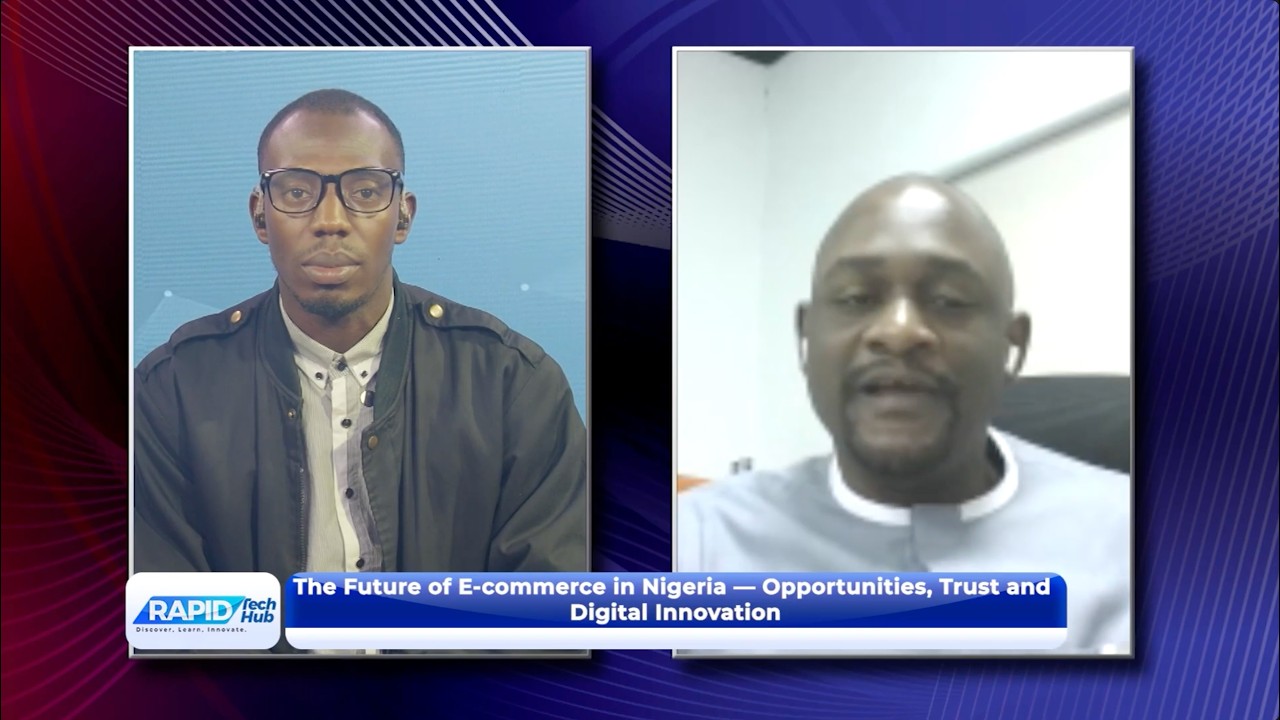
Furthermore, TikTok's powerful recommendation algorithm and support for hyper-local hashtags make it a favourite for new African creators experimenting with tech content[1]. In addition, Instagram's Reels, Shops, and collab features help creators link content to commerce and cross-promotions. Notably, Meta actively invests in creator programs across Africa, providing workshops, resources, and sometimes funding to build local creator communities[2]. Ultimately, these tools reduce barriers for African founders who previously struggled to get media coverage or marketing budgets.
Moreover, creators also lean on third-party tools for scheduling, analytics, link management, and editing. For instance, many use link-in-bio tools to connect followers to products, newsletters, and partner sites. Additionally, editing apps on mobile make it easier to maintain high production quality even without large crews. Therefore, a solid tech stack, even at small scale, is part of what separates high-impact African creators from casual posters.
How African Tech Creators Are Reshaping Digital Culture and Entrepreneurship
Importantly, African tech content creators are changing how young people across the continent think about work, creativity, and innovation[2]. Moreover, they prove you can build a meaningful career around tech storytelling, product reviews, tutorials, and founder interviews without moving abroad. Additionally, this visibility helps normalise careers in software engineering, product design, and digital business for teenagers and students who watch their feeds daily.
Furthermore, creators amplify stories of African-built products, from solar fridges to digital savings tools, making local innovation feel relevant and aspirational[2]. In addition, they reveal the human side of tech, showing founders juggling family life, culture, and ambitious ideas in relatable ways. Consequently, more young Africans experiment with side projects, hackathons, and small e-commerce ventures after seeing peers succeed online. Ultimately, this grassroots experimentation feeds directly into the pipeline of future African startups.
Moreover, African tech creators also reshape influencer culture by centering knowledge, tools, and progress instead of only lifestyle and celebrity gossip. Similarly, they collaborate with musicians, fashion designers, and entertainers to showcase how technology powers creative careers. Therefore, the line between tech founder, influencer, and creative director is blurring, creating new hybrid roles that fit Africa's digital future.
Explore More on Topping Africa
Additionally, if you want to go deeper into Africa's fast-evolving creator and startup scene, you can explore more topics on Topping Africa. Moreover, our coverage spans everything from big funding rounds to the everyday creators redefining African culture online.
- Technology – Moreover, discover stories on African startups, creator tools, and breakthrough innovation.
- Business & Economy – Additionally, read more about how creators turn influence into revenue and equity.
- Culture & Lifestyle – Furthermore, explore how African influencers, musicians, and fashion innovators shape everyday digital life.
Moreover, you can also follow our Africa News section for broader context on the economic and social shifts behind the creator boom. In addition, our Entertainment coverage highlights the musicians, actors, and celebrities who often collaborate with tech creators to launch new projects.
Actionable Insights for Aspiring African Tech Content Creators
Importantly, if you are ready to join the ranks of high-impact African tech content creators, you can start small and move fast. Moreover, you do not need a studio or big budget to launch your first series of TikTok or Instagram Reels. Additionally, what you do need is clarity on your niche, consistency in posting, and a simple plan for monetisation.
- Define your niche clearly – Moreover, focus on one space at first, such as mobile finance, coding tutorials, fashion tech, or gadget reviews.
- Post consistently and track data – Additionally, use platform analytics to learn which topics, formats, and hooks resonate most.
- Build community, not just views – Furthermore, reply to comments, ask questions, and bring followers into your product experiments.
- Test monetisation early – In addition, try affiliate links, live shopping, or paid consulting to see what fits your audience.
- Think like a founder – Moreover, treat your content operation as a startup, with goals, experiments, and long-term vision.
Furthermore, authoritative insights on Africa's creator economy and tech landscape are available through reports and features from platforms like Techpoint Africa[2], Quartz Africa[1], and curated lists of Black tech influencers from Feedspot[8]. Additionally, these sources give you data and case studies to sharpen your strategy as both creator and founder.
Moreover, we encourage you to explore more, discover rising African creators in your niche, and study how they turn content into launches. In addition, share your thoughts, leave a comment on Topping Africa, and subscribe for deeper dives into African innovation and influencer culture. Ultimately, your next TikTok or Instagram post could be the first step towards a startup that transforms how Africa uses technology every day.

Staff
Contributing writer at Topping Africa.
0 Comments
No comments yet. Be the first to share your thoughts!