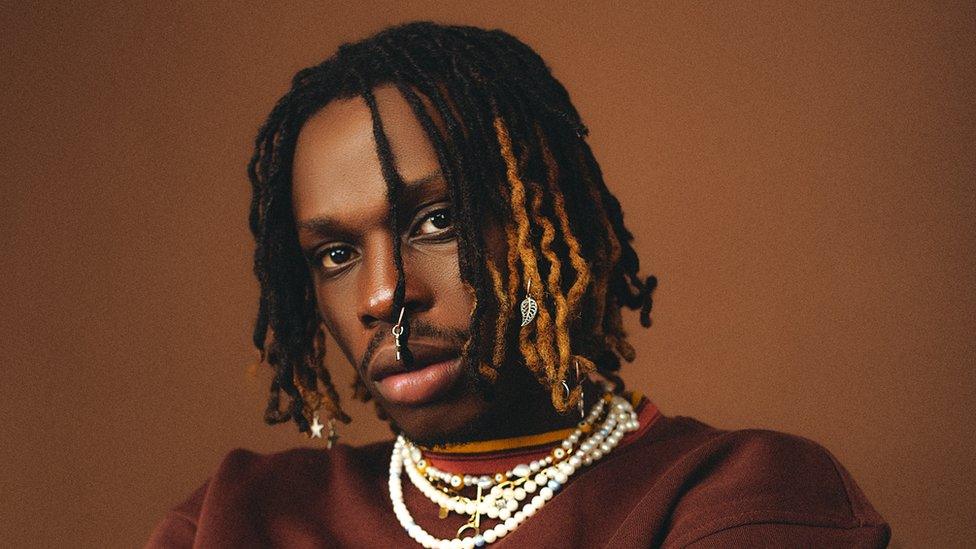
10 African Civic-Tech Creators to Watch: african governance influencers Rewriting Political Education
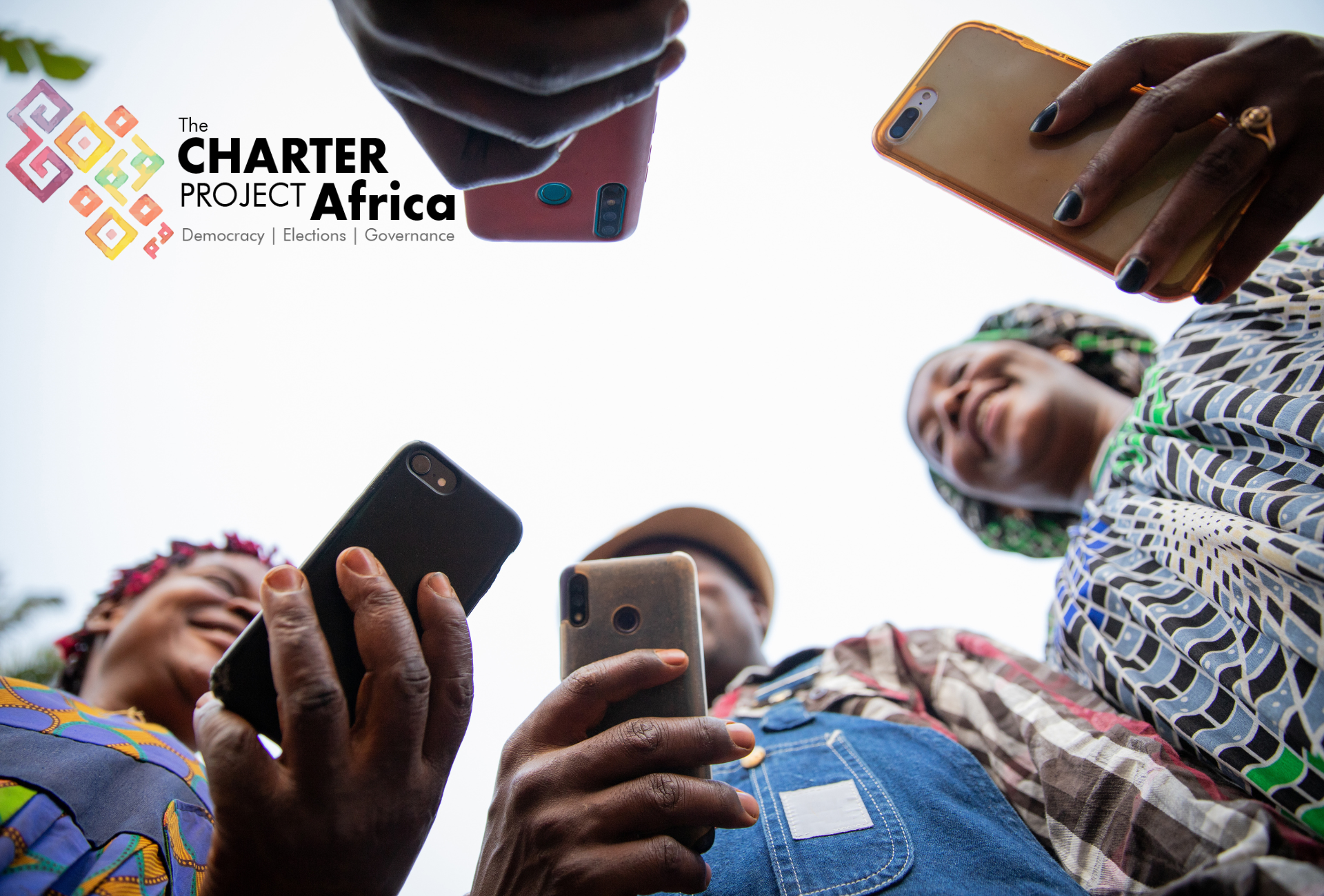
Across Africa, a new wave of african governance influencers is turning TikTok, Instagram, and YouTube into classrooms for power, policy, and citizen rights. Meet 10 civic-tech creators using social media to make governance simple, shareable, and impossible to ignore.
Introduction: How african governance influencers Are Turning Civic Tech Into Content Gold
Across the continent, a new wave of african governance influencers is changing how young people learn about power, policy, and their rights. Instead of long policy papers, they use TikTok, Instagram Reels, YouTube, and X to break governance into quick, smart, and shareable content. Moreover, these creators sit at the intersection of civic tech, influencer culture, and African innovation, turning complicated systems into everyday language you can use. Consequently, if you care about budgets, elections, service delivery, and accountability, you need these names on your feed.

Additionally, this list focuses on 10 African civic-tech creators to watch, each using digital tools to explain why governance matters long after election day. Importantly, many of them build on broader civic-tech trends, including tools showcased by networks like the Civic Tech Innovation Network[2] and initiatives supported by the African Union Civic Tech Fund[1]. Ultimately, they prove that policy and participation can be as engaging as comedy skits or football highlights when creators speak your language.
Why african governance influencers Matter for Africa’s Youth
Across Africa, young people drive internet culture, meme trends, and social conversations. However, they often feel shut out of policy discussions that shape jobs, education, and digital rights. Consequently, african governance influencers play a crucial bridge role, translating legal jargon, budget lines, and institutional acronyms into simple, visual stories. Furthermore, they show that you do not need to be a lawyer or policy expert to understand how government decisions affect your daily life.
Similarly, civic-tech creators plug into a fast-growing ecosystem of digital tools that support open data, citizen reporting, and participation. For instance, reports on African civic tech highlight platforms like Ushahidi, Mzalendo, and other tools that help citizens track elections, laws, and services[3]. Moreover, influencers add the missing layer: culture. They remix these tools into content that fits the rhythm of youth culture, from trending dance challenges to satirical voiceovers. As a result, civic education becomes less of a lecture and more of a lifestyle.
How We Chose These 10 African Civic-Tech Creators
To build this list, we looked across major platforms like TikTok, Instagram, YouTube, and X. Additionally, we focused on creators who consistently talk about governance, accountability, transparency, or citizen rights in accessible ways. Importantly, we prioritized people who blend civic education with tech-savvy presentation and strong engagement from African youth. We also checked for links to broader civic-tech conversations, including work highlighted by networks like the Civic Tech Innovation Network database[4].
Moreover, this list is not a ranking. Instead, it is a snapshot of 10 creators you should know if you want to stay ahead of the curve. Therefore, use it as a starting point to explore more local voices from your city or country. Finally, remember to support these creators by liking, sharing, and commenting – engagement keeps civic content visible in a feed dominated by music, fashion, and celebrity gossip.
1. Fisayo Soyombo (Nigeria) – Investigative Stories for the Scroll Generation
Fisayo Soyombo is best known as an investigative journalist who uses long-form storytelling to expose systemic failures in Nigeria. However, in recent years, he has also leaned into social platforms to explain how institutions work and why accountability matters. Consequently, his videos and posts often unpack complex topics like policing, judicial delays, and public finance in clear, emotional language that resonates with young viewers.
Additionally, Soyombo’s work connects with the broader civic-tech space by feeding evidence and narratives into digital campaigns and advocacy tools. For instance, detailed investigations give data-driven platforms more context to push reforms. Moreover, his presence on social media shows how serious journalism and influencer culture can collide in powerful ways. If you want governance insight with real receipts, you should explore his feeds and documentaries.
2. Cyprian Nyakundi (Kenya) – Citizen Watchdog in Real Time
Cyprian Nyakundi built his name as a bold digital watchdog focusing on corporate and public accountability in Kenya. Moreover, he uses X and other platforms to discuss procurement, public appointments, and regulatory decisions in language that cuts through official spin. As a result, many young Kenyans encounter budget debates or regulatory battles first through his commentary, not traditional media.
In addition, Nyakundi’s approach mirrors key principles in African civic tech: openness, real-time updates, and citizen-led scrutiny. While he does not always label himself as a civic-tech creator, his use of data, documents, and leaked reports aligns with the movement. Consequently, he has become a reference point for digital-era governance debates, especially among youth plugged into Kenya’s vibrant tech and startup scene.
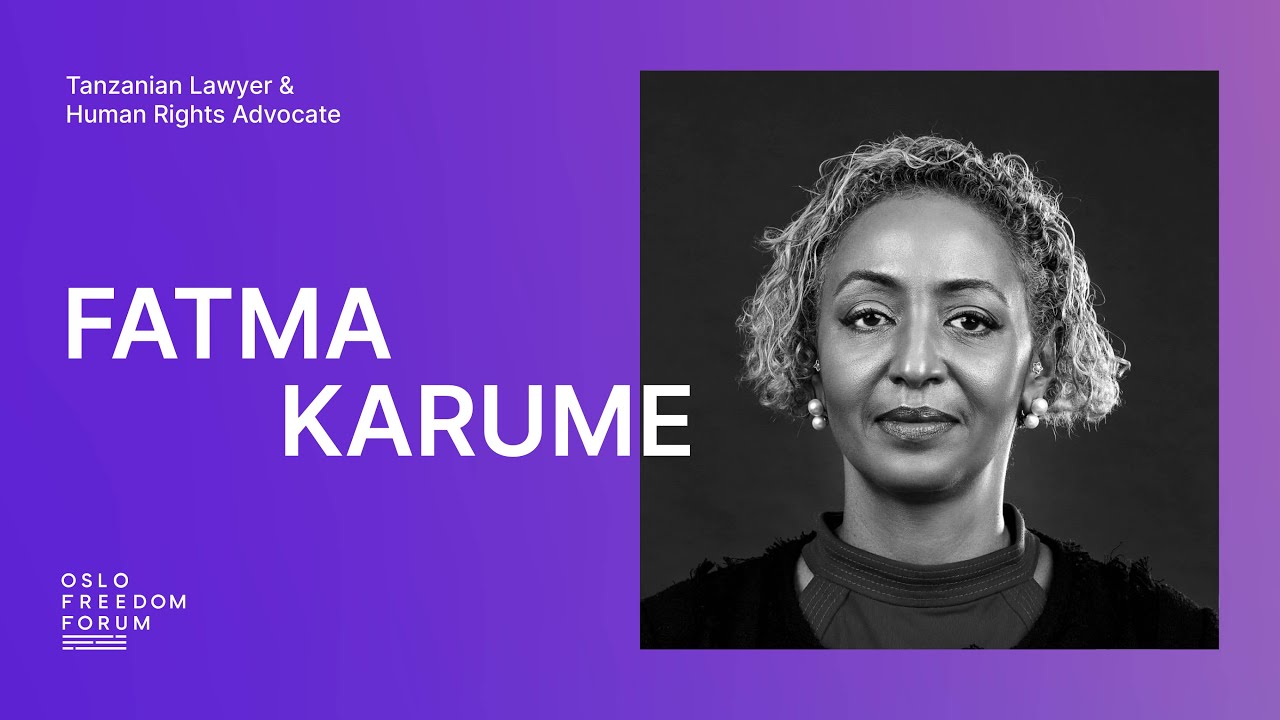
3. Fatma Karume (Tanzania) – Law, Rights, and Sharp Constitutional Commentary
Fatma Karume, a prominent Tanzanian lawyer, turns constitutional law and governance debates into digestible content for social media. Furthermore, she often uses X and interviews shared across platforms to explain citizens’ rights, judicial independence, and democratic norms. Notably, her commentary helps younger audiences connect everyday freedoms with often abstract legal provisions.

Moreover, Karume represents a growing pattern: legal professionals stepping into influencer space to demystify governance. Consequently, her voice adds authority and depth to digital conversations that might otherwise rely only on hot takes. If you want to understand how constitutions affect daily life in East Africa, you should read more from her public threads and media clips.
4. Catherine Constantinides (South Africa) – Climate, Governance, and Youth Participation
Catherine Constantinides is a South African climate activist and social entrepreneur who links environmental justice to governance and accountability. Additionally, she uses social media to highlight how policy decisions on energy, water, and land affect communities, especially youth and vulnerable groups. As a result, many young followers learn that climate activism is also about budgets, regulations, and public oversight.
Importantly, Constantinides connects with civic-tech trends through collaborations and campaigns that use digital tools to track environmental policy and citizen responses. For instance, environmental data platforms and reporting tools often feature in activist networks highlighted by civic-tech researchers[3]. Moreover, her work shows how governance influencers can cross sectors – from climate to human rights – while still centering accountability.
5. Boniface Mwangi (Kenya) – Creative Protest Meets Digital Civic Education
Boniface Mwangi is widely known as an activist and photographer, but his influence as a digital civic educator is just as strong. Moreover, he uses Instagram, X, and in-person creative actions to unpack issues like corruption, social justice, and public spending. Consequently, his posts often blend art, storytelling, and hard facts, which keep governance conversations emotionally engaging and visually striking.
Additionally, Mwangi’s work links to the broader African history of civic tech, where tools like crowdmapping and open-data platforms support protests and advocacy[3]. While he focuses heavily on offline action, his digital footprint inspires a new generation of creators who mix visual storytelling with governance education. If you want to see how protest, photography, and policy talk can coexist, you should explore his work.
6. Peace Hyde (Ghana / Pan-African) – From Business Journalism to Power and Policy
Peace Hyde built her profile through business journalism and storytelling focused on African entrepreneurs and innovators. However, her content also increasingly touches governance, regulation, and the policy context that shapes African business. For instance, interviews with tech founders often dig into digital policy, fintech regulation, and infrastructure gaps that only government can fix.
Moreover, Hyde’s work matters for civic-tech because it helps young Africans see policy not just as elections, but as a key factor in startup success. Consequently, when you watch her shows or clips, you learn about both capital and governance. Additionally, her pan-African lens mirrors how many african governance influencers now speak to audiences beyond their home country, reflecting a shared continental digital culture.
7. Oby Ezekwesili (Nigeria) – Data-Driven Governance Education for the Social Feed
Oby Ezekwesili, former Nigerian minister and co-founder of Transparency International, maintains a powerful presence on social media. Furthermore, she uses X, interviews, and public online forums to explain public finance, anti-corruption frameworks, and global governance trends in accessible terms. Notably, her tweets often break down complex economic and institutional issues in ways that young audiences can share and debate.

Additionally, Ezekwesili embodies the merger of expert knowledge and influencer reach. Her career gives her insights into how institutions really work, while her digital communication style keeps those insights close to everyday conversations. Consequently, she stands out as an essential follow if you want to connect macro-level governance with your own expectations as a citizen.
8. Mo Ibrahim (Sudan / Pan-African) – Governance Index Meets Instagram Clips
Mo Ibrahim, founder of the Mo Ibrahim Foundation, is famous for championing good governance across Africa through data and awards. Importantly, the Foundation’s digital channels convert dense governance indicators into charts, short videos, and infographics tailored for social media. As a result, more young Africans encounter the idea of a Governance Index through Instagram, X, and YouTube than through PDF reports.
Moreover, the Foundation’s online presence aligns strongly with civic-tech values: open data, measurable accountability, and citizen-friendly tools. According to the Foundation’s resources, their Index tracks safety, rule of law, human development, and participation across African countries in a structured way[3]. Consequently, following Mo Ibrahim and the Foundation online gives you a data-rich lens on policy performance, in formats that fit your daily screen time.
9. Nanjala Nyabola (Kenya) – Digital Rights, Democracy, and Sharp Analysis
Nanjala Nyabola is a writer and political analyst whose commentary on digital rights, democracy, and migration has gained strong traction online. Furthermore, she uses X, essays, and interviews shared on social channels to explain how technology, law, and politics intersect for African citizens. Notably, her work highlights issues like data protection, online harassment, and platform regulation, which matter deeply for influencer culture and civic tech.

Additionally, Nyabola often draws on research and lived experience to clarify how global tech decisions affect African users. Consequently, young creators, activists, and everyday users turn to her for explanations that make sense of policy shifts by major platforms or governments. If you care about the rules of the digital public square, you should discover her content and public talks.
10. Damilola Odufuwa (Nigeria) – Feminist Tech, Digital Finance, and Policy Power
Damilola Odufuwa is a Nigerian tech leader and co-founder of several feminist and fintech initiatives that operate heavily online. Moreover, she uses social media to highlight how policies on finance, digital access, and gender equality shape opportunities for African women. As a result, her content sits at the intersection of governance, tech innovation, and social justice, making her a key figure for young followers who care about both money and rights.
Furthermore, Odufuwa’s work links directly to broader civic-tech trends documented in studies of African innovation[3]. She demonstrates how founders and community builders can double as african governance influencers when they talk openly about regulatory barriers and policy needs. Consequently, if you want to understand how fintech and governance connect for African youth, you should explore her projects and public commentary.
How african governance influencers Are Shaping Civic-Tech Culture
Collectively, these 10 creators show how african governance influencers are reshaping civic education across the continent. Instead of separating politics from popular culture, they blend governance with fashion, memes, business talk, and everyday stories. Consequently, a TikTok dance might lead you to a thread about procurement, or a podcast about startups might spark questions about tax policy. This crossover energy mirrors the broader growth of African influencer culture in music, comedy, and lifestyle.
Moreover, their work reinforces and amplifies the efforts of formal civic-tech projects. Reports on African civic tech show how tools help citizens track laws, budgets, and service delivery[3]. Additionally, creators bring those tools to life by showing real people using them, reacting to them, or demanding that leaders respond to the data. Ultimately, this synergy between platforms and personalities is what turns technology into real participation.
Practical Ways You Can Engage With Civic-Tech Creators
Following these influencers is only the first step. Furthermore, your engagement can help civic-tech content compete with comedy skits, celebrity gossip, and dance challenges. Therefore, try these simple actions when you come across governance content that speaks to you. Remember, each share increases the chance that someone else learns something useful about their rights or responsibilities.
- Save and share short explainers on budgets, rights, or policies so you can revisit them later.
- Ask questions in the comments when something is unclear, and encourage creators to dig deeper.
- Tag friends who are affected by a specific issue, like student finance or housing policy.
- Join live sessions or Twitter Spaces where creators host Q&As with experts.
- Connect tools and content by trying out any civic-tech apps, websites, or databases they mention.
Additionally, you can link your content journey with broader African media ecosystems. For entertainment and culture context, you can explore more stories on Entertainment and Culture & Lifestyle. If you want to connect governance talk with startup and fintech news, you should read more from Technology and Business & Economy. Consequently, your media diet becomes more balanced, mixing fun, style, and civic insight.
What This Trend Means for African Tech, Influencer Culture, and Innovation
The rise of civic-tech creators has big implications for Africa’s digital future. Firstly, it proves that youth want substance, not just entertainment, as long as someone delivers it in a fresh and relatable format. Secondly, it shows that African tech startups, from fintechs to media platforms, operate in an environment where policy literacy is a competitive edge. Moreover, founders who understand regulation can design better products and advocate for smarter rules.
Additionally, this trend stretches the idea of who counts as an influencer. Notably, governance educators now trend alongside musicians, comedians, and fashion creators on African social feeds. As reports on civic tech in Africa note, technologists have already become a prominent voice in innovation for social impact[3]. Consequently, adding influencer culture to that mix creates a powerful feedback loop: citizens use tech tools, talk about them publicly, and pressure institutions to respond.
For example, civic-tech podcasts and platforms already spotlight initiatives from across the continent, giving visibility to both projects and personalities[2]. Furthermore, creators often collaborate with NGOs, think tanks, and international foundations to roll out digital campaigns. Therefore, if you work in policy, tech, or media, you should consider civic-tech creators as essential partners, not just commentators.
Explore More on Topping Africa
To dive deeper into the worlds that shape these creators, you can explore more across Topping Africa. Additionally, each section offers context that makes civic-tech content even richer and easier to understand. Discover stories that connect governance with music, fashion, startups, and lifestyle across the continent.
- Africa News – Stay on top of policy shifts, regional agreements, and governance headlines that creators react to.
- Politics & Governance – Read more about institutions, reforms, and civic movements shaping African democracies.
- Opinion & Editorial – Explore deeper analysis and commentary that you can compare with your favorite influencers’ takes.
Ultimately, if you discover a new civic-tech creator you love, do not keep them to yourself. Share your thoughts with friends, post your favorite clips, and leave a comment below any related Topping Africa stories you read. Moreover, you can subscribe to your go-to creators and African media platforms so you never miss the next big conversation about power, policy, and the people shaping both.
Conclusion: Your Feed Is a Classroom – Curate It Wisely
Your social media feed is no longer just a place for jokes and celebrity news. Moreover, it can be a classroom where african governance influencers turn complex systems into clear, actionable knowledge. Consequently, when you follow creators like Fisayo Soyombo, Cyprian Nyakundi, Fatma Karume, Catherine Constantinides, Boniface Mwangi, Peace Hyde, Oby Ezekwesili, Mo Ibrahim, Nanjala Nyabola, and Damilola Odufuwa, you invest in your own civic literacy.
Additionally, this shift is good news for African innovation. Tech startups, media brands, and civic organizations now share a common mission: make governance understandable, visible, and worth talking about every day. Therefore, the next time you scroll, ask yourself a simple question. Are you only watching the latest hit dance, or are you also learning something that could change your community?
If the answer is not yet, this is your moment to reset. Explore, discover, and follow the civic-tech creators leading a new era of informed, connected, and confident African citizens.

Staff
Contributing writer at Topping Africa.
0 Comments
No comments yet. Be the first to share your thoughts!