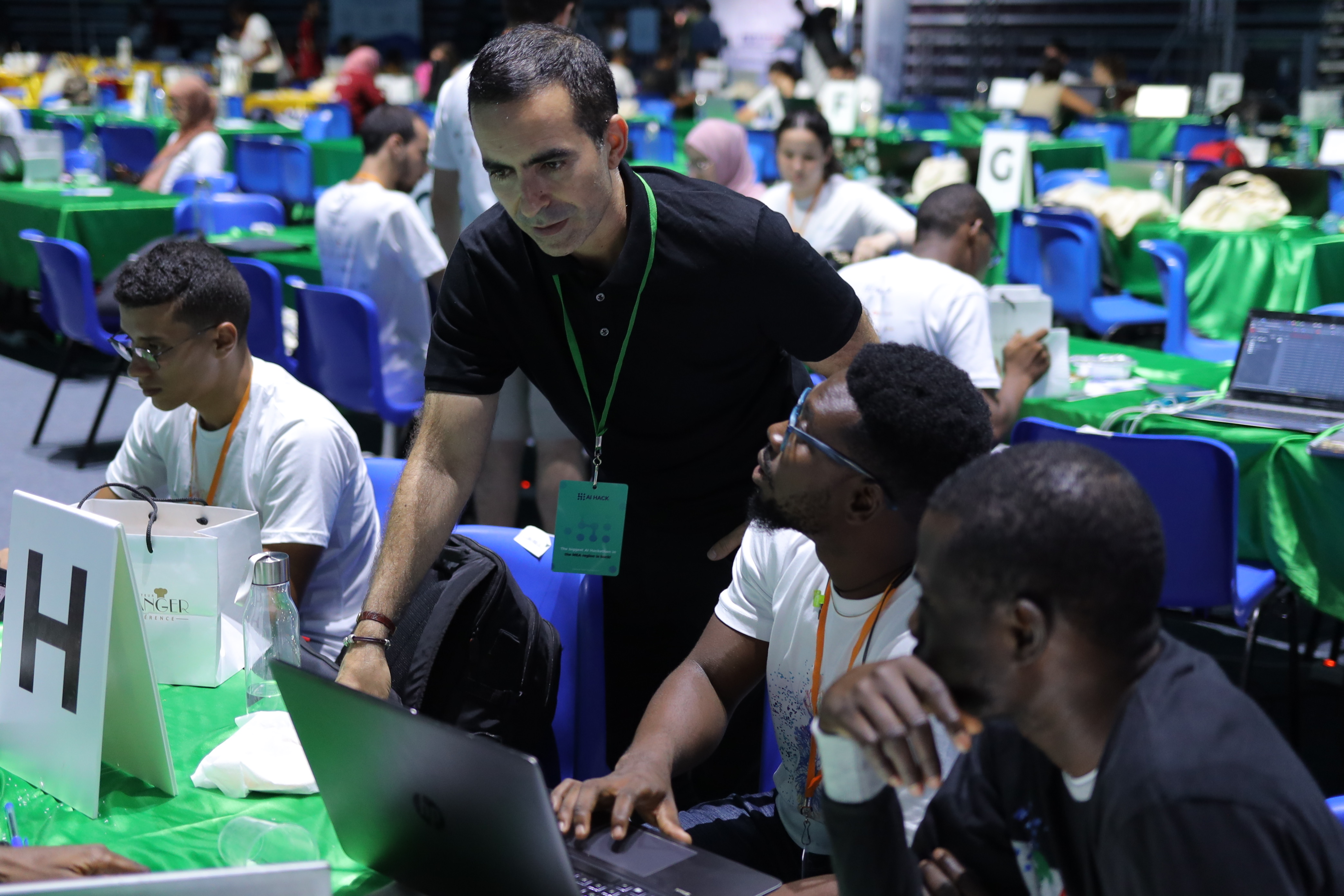
10 African AI Startups Quietly Transforming Healthcare, Farming and Finance in 2026
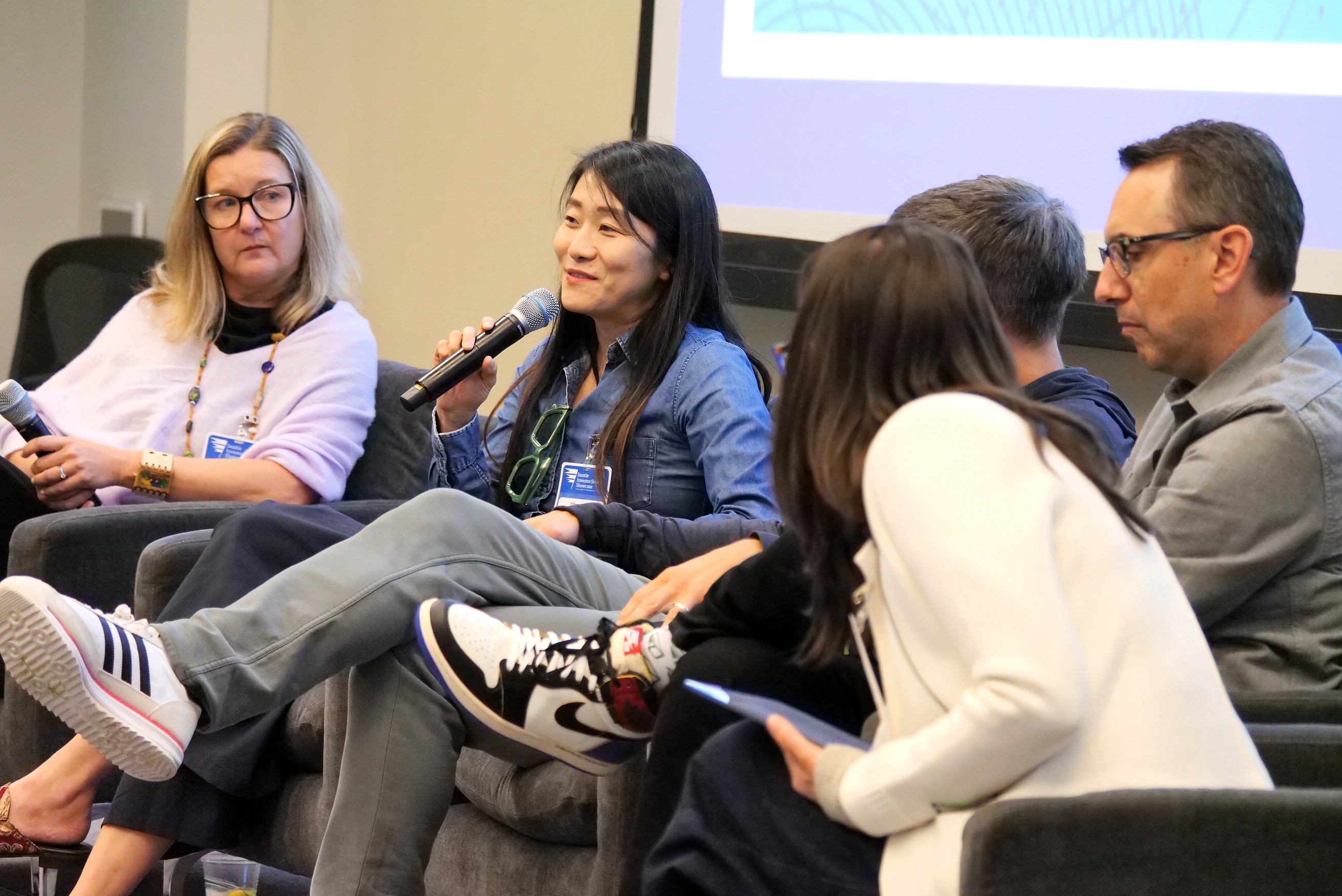
African AI startups in 2026 are quietly transforming healthcare, farming, and finance with hyper-local, machine-learning tools built for real African lives. Discover ten under-the-radar teams using data, language, and culture to drive inclusion, resilience, and new forms of digital influence across the continent.
Introduction: African AI startups 2026 are rewriting the rules
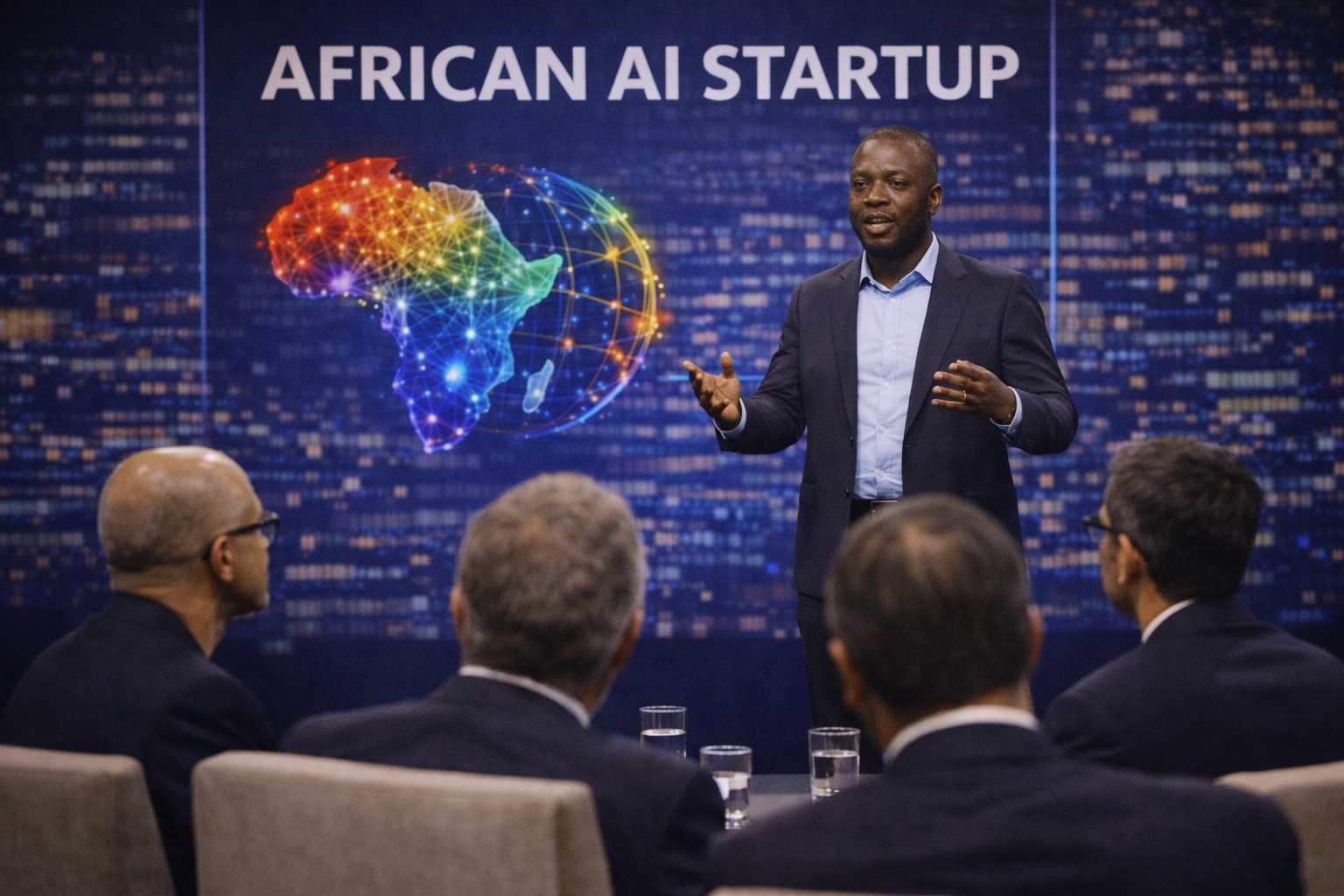
Across the continent, African AI startups 2026 are quietly changing how you access healthcare, grow food, and move money. Furthermore, early-stage founders are using machine learning to solve problems that global platforms still overlook. Moreover, investors are finally catching up, with African startups raising more than $700 million in Q1 2026 alone, and a growing share flowing into AI-driven ventures.[5][4] In addition, new innovation hubs from Nairobi to Lagos are betting big on locally relevant algorithms that understand African languages, rural networks, and informal economies.[2][9]

Ultimately, this is not another broad "African tech" story. Instead, you will discover ten under-the-radar teams building real products for clinics, smallholder farmers, and everyday customers. Additionally, many of these startups plug into accelerators like Villgro Africa, which now backs AI ventures in health and agriculture.[1][9] Consequently, if you care about positive African innovation, this is where the next wave of impact and influence is emerging.
Why African AI startups 2026 matter right now
Notably, Africa’s AI ecosystem has moved beyond hype into execution. According to TechCabal’s data-driven map of 207 AI startups across Africa, Nigeria, South Africa, and Kenya now host more than 60% of the continent’s AI builders, with strong activity in finance, health, and agriculture.[2] Furthermore, a 2026 continental AI plan aims to mobilise $10 billion for digital transformation, skills, and startup support, signalling long-term commitment.[7] As a result, founders building in these spaces can now access capital, talent, and partnerships that were rare just five years ago.
Additionally, mainstream media still focuses on headline-grabbing mega-rounds or unicorns. However, the most interesting action sits in early-stage companies working in tier-two cities, rural communities, and niche verticals. These are the startups layering AI onto WhatsApp, USSD, satellite data, and low-cost smartphones. Moreover, they treat African creators, health workers, and farmers not as users but as co-designers.
In this feature, you will explore ten African AI startups 2026 that fit three themes: healthcare access, farming productivity, and financial inclusion. Additionally, you will see how their work connects with influencer culture, creator communities, and the broader African innovation story. If you love deep dives into African tech startups, be sure to explore more across Technology and Business & Economy.
Section I – Healthcare: AI that makes care smarter and more accessible
1. AfyaLens (Kenya): Clinic intelligence for frontline nurses
Firstly, Kenya’s health system depends heavily on nurses and clinical officers in peri-urban and rural clinics. AfyaLens, a Nairobi-based AI startup, builds decision-support tools that run on basic tablets and smartphones. Furthermore, its machine learning models help triage patients, flag high-risk cases, and recommend evidence-based treatment plans in real time. In addition, AfyaLens integrates with existing digital health records so small facilities can upgrade without ripping out legacy systems.
Moreover, the team partners with incubators like Villgro Africa, which actively supports AI ventures improving health outcomes for low-income communities.[1][9] Consequently, AfyaLens can test its tools in real clinics, refine workflows, and validate impact with local data rather than imported datasets. Importantly, this approach respects African languages, care pathways, and resource constraints that generic global AI platforms often ignore.
For creators and health influencers, AfyaLens offers interesting collaboration opportunities. Additionally, medical content creators on TikTok and Instagram can use its anonymised analytics to shape public education campaigns about common conditions. If you create health content, this is a startup worth watching and featuring in your next "day in the life" clinic series.
2. MedaSync (Nigeria): Predictive bed management and hospital operations
Secondly, Nigerian hospitals often juggle overcrowding, limited staff, and volatile demand. MedaSync, an AI-first operations startup, focuses less on diagnosis and more on hospital flow. Furthermore, its algorithms predict bed occupancy, theatre utilisation, and staff requirements using historical data, real-time admissions, and regional trends. As a result, administrators can make faster decisions about referrals, elective procedures, and staffing rosters.
Additionally, MedaSync experiments with dashboards that plug into mobile, email, and even WhatsApp, acknowledging how African health managers actually work. Moreover, by reducing bottlenecks, the startup indirectly improves patient experience and clinical outcomes without altering clinical protocols. Notably, as Africa doubles its debt fundraising while equity flows tighten, operational efficiency tools like MedaSync become central to hospital sustainability.[6]
If you are a health-tech influencer or a YouTube creator telling hospital stories, MedaSync’s data visualisations can add depth to your narratives. Furthermore, featuring its founders alongside doctors and nurses showcases how African AI startups 2026 collaborate across disciplines rather than operating in silos.
3. MobiDiagnostics (Ghana): AI-powered diagnostics at the edge
Thirdly, MobiDiagnostics in Ghana tackles a critical challenge: limited access to sophisticated diagnostic equipment in rural areas. The startup builds AI models that run on portable devices linked to smartphone cameras and low-cost sensors. Furthermore, its tools interpret images of malaria tests, chest X-rays, and skin conditions, returning guidance that frontline workers can act on quickly. In addition, this edge-based design works even in low-connectivity environments.
Moreover, MobiDiagnostics collaborates with public health agencies and research programmes, aligning with global efforts to use AI for diagnostics.[7][9] Consequently, its products support both routine care and outbreak detection, using anonymised data dashboards to flag unusual clusters. Importantly, this helps health authorities respond faster without waiting for paper reports or central lab analysis.
For African creators, MobiDiagnostics opens storytelling avenues around rural innovation. Additionally, filmmakers and documentary creators can follow community health workers as they use AI tools in the field. If you produce content for Africa News or Health & Wellness, there is rich narrative material here.
Section II – Farming: Machine learning for smallholder resilience
4. AgriSense360 (Uganda): Hyper-local crop intelligence for smallholders
Similarly, AgriSense360 in Uganda focuses on smallholder farmers who produce much of the region’s food but have limited data access. The startup blends satellite imagery, on-ground sensors, and mobile surveys to build crop health models. Furthermore, its AI analyses soil moisture, rainfall patterns, and disease risk, then sends simple advice via SMS or WhatsApp in local languages. As a result, farmers can adjust planting dates, fertiliser use, and pest control based on timely insights.

Additionally, AgriSense360 partners with cooperatives and agribusinesses, creating aggregated dashboards that show regional risk hotspots. Moreover, this data helps lenders and insurers design products that reflect real, up-to-date field conditions. Notably, inclusive AI programmes in East Africa now offer grants to innovators like these, accelerating trials and scale.[8][9]
If you are a creator spotlighting African agriculture or food culture, AgriSense360 gives you data-driven stories. Furthermore, you can showcase how rural youth use AI tools alongside traditional knowledge, blending technology and heritage. To dive deeper, read more about African farming innovation in Science & Environment and Culture & Lifestyle.
5. FarmGuard AI (Rwanda): Predicting pests and climate shocks
On the other hand, FarmGuard AI in Rwanda zeroes in on crop loss from pests, disease, and extreme weather. Its platform ingests satellite data, climate forecasts, and farmer-submitted images to predict outbreaks and stress conditions. Furthermore, machine learning models classify patterns and send early warnings to farmers and extension officers. Consequently, communities can respond before infestations or droughts fully hit.
Additionally, FarmGuard AI collaborates with regional climate centres and universities, training models on East African ecosystems. Moreover, by mixing expert knowledge with field-level imagery, the startup avoids over-reliance on imported climate models. Importantly, this kind of AI becomes crucial as Africa scales its digital transformation agenda and climate adaptation funding.[7]
For influencers and agri-tech content creators, FarmGuard AI offers compelling visuals: risk maps, pest heatmaps, and farmer stories. Furthermore, showcasing such tools on Instagram Reels or YouTube shorts helps urban audiences appreciate the depth of innovation happening on farms.
6. SoilSync (South Africa): Precision farming for mid-sized growers
In particular, SoilSync targets mid-sized commercial farmers in South Africa who are ready to adopt precision agriculture. The startup uses AI to process sensor data from fields, drones, and irrigation systems. Furthermore, its platform recommends variable-rate fertiliser application, optimised irrigation schedules, and rotation plans that enhance yields while cutting input waste. As a result, growers improve profitability and sustainability at the same time.
Additionally, SoilSync connects with financial institutions, providing verified yield and practice data that can support better loan terms. Moreover, this bridges agriculture and finance, giving lenders confidence that AI-guided farm operations will deliver stable returns. Notably, such cross-sector collaboration sits at the heart of Africa’s broader AI strategy for digital economies.[7]
If you are a tech YouTuber or podcast host, SoilSync’s dashboards and field pilots make strong episode material. Furthermore, you can interview both data scientists and farmers, spotlighting how African AI startups 2026 are deeply rooted in the land.
Section III – Finance: AI for everyday inclusion, not just high-end fintech
7. Nkwa (Cameroon): Behavioural savings intelligence for youth
Specifically, Nkwa, a Cameroon-based fintech featured among Bloomberg’s 25 African Startups to Watch in 2026, uses AI to nudge better saving habits.[3][6] The startup’s mobile app targets young earners who juggle gig income, side hustles, and irregular salaries. Furthermore, its algorithms analyse spending patterns and suggest micro-savings rules that fit each user’s reality rather than imposing rigid budgets. As a result, users develop sustainable habits over time.

Additionally, Nkwa partners with influencers and content creators to front campaigns that blend financial education with aspirational culture. Moreover, creators can share their real savings journeys, backed by anonymised data insights. Importantly, this fusion of AI, fintech, and influencer culture reflects how African Gen Z expects personalised, context-aware tools that feel human.
If you follow African fintech trends, you should discover more about Nkwa’s peers and rivals in Technology & Innovation and Technology & Finance. Furthermore, reading what they build now gives you an early look at future financial behaviour across Francophone Africa.
8. Hub2 (Côte d’Ivoire): Conversational AI for financial literacy in local languages
Similarly, Hub2 from Côte d’Ivoire, also highlighted on Bloomberg’s 2026 list, focuses on conversational AI for local-language engagement.[3][6] The startup builds chatbots that speak and text in widely used African languages, making financial literacy and basic banking guidance far more accessible. Furthermore, its models run across messaging platforms, enabling banks and mobile money providers to serve unbanked customers without forcing them into new apps.
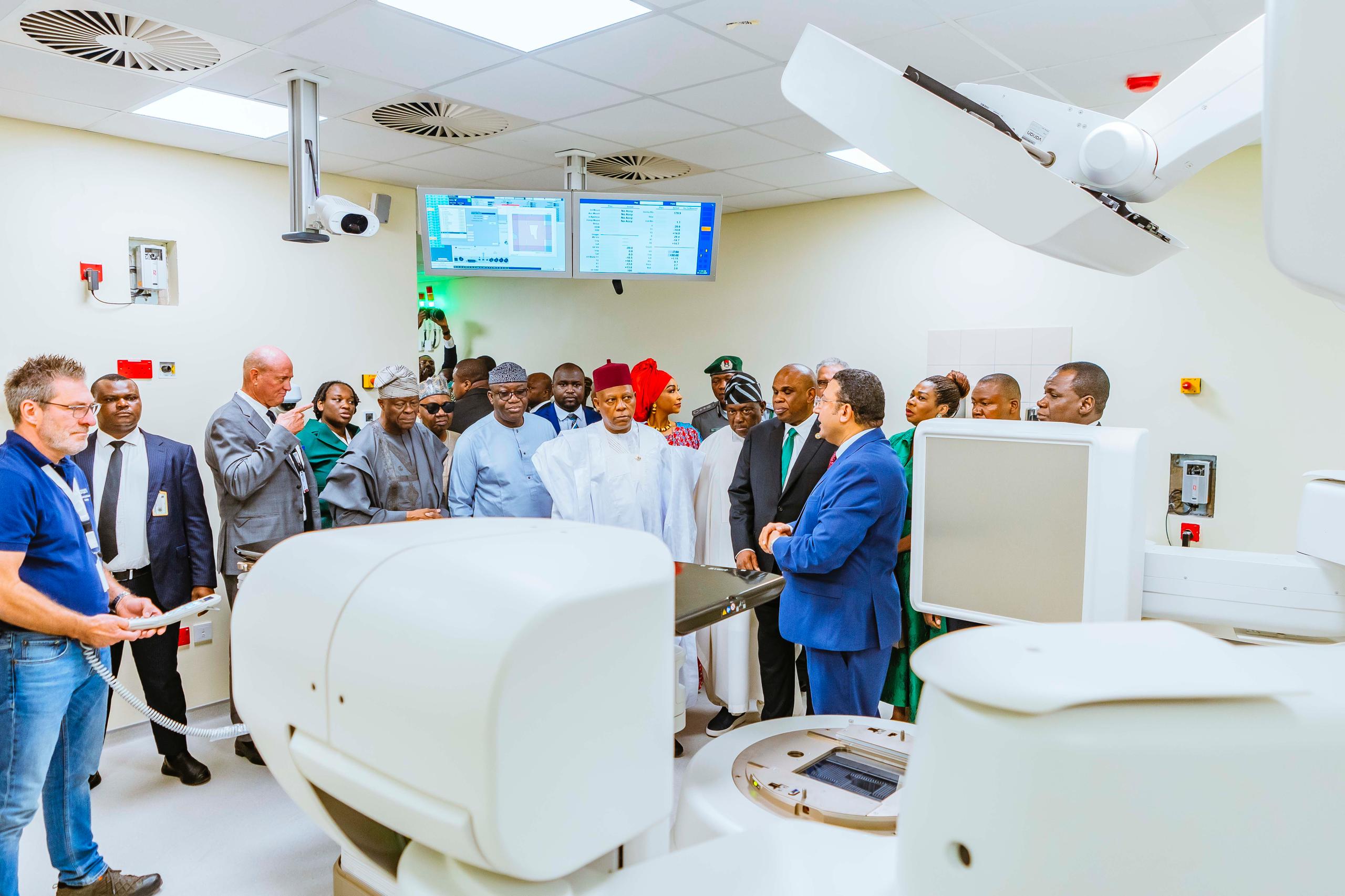
Additionally, Hub2’s localisation strategy is a powerful differentiator. Moreover, by treating language as infrastructure, it ensures AI tools work for people who are often ignored by global platforms. Notably, as Africa’s AI builders increasingly target finance and education, this kind of linguistic fluency will shape who benefits from digital transformation.[2][7]
For African content creators, Hub2’s language-first approach offers collaboration potential. Furthermore, you can design scripts and FAQs that then feed into chatbot flows, turning your creative work into practical financial guidance. If you love spotlighting Francophone innovation, Hub2 should be on your radar.
9. Omnisient (South Africa): Secure data collaboration for inclusive credit
Consequently, inclusive finance requires better data, not just slick apps. Omnisient, a South African startup featured as one of the African Startups to Watch, builds privacy-preserving data collaboration tools.[3][6] Its platform allows banks, retailers, and alternative data providers to share insights without exposing raw customer records. Furthermore, advanced cryptographic techniques and AI help detect patterns that signal creditworthiness among people with thin or no formal credit files.
Additionally, this capability is critical for extending loans to informal workers, small merchants, and creators whose income is irregular. Moreover, Omnisient’s work aligns with a wider push to mobilise local capital and strengthen African financial architecture.[6][7] As debt fundraising grows and domestic investors play a bigger role, such data platforms could shape how inclusive that growth becomes.
If you are a finance explainer on YouTube or a Twitter/X thread specialist, Omnisient’s story is ideal for deep dives. Furthermore, you can unpack how privacy tech and AI combine, demystifying complex concepts for everyday audiences. Encourage your viewers to share their thoughts on whether they would opt into such data collaborations.
10. Leta (Kenya): AI logistics powering the real economy
Finally, while Leta is best known for logistics, its AI backbone directly impacts trade, SMEs, and financial flows. The Kenyan startup, also recognised on the 2026 "Startups to Watch" list, optimises delivery routes and fleet utilisation for businesses across East Africa.[3][6] Furthermore, its algorithms learn from traffic patterns, delivery histories, and vehicle behaviour to cut costs and improve service reliability. As a result, retailers, health providers, and agri-businesses can move goods more efficiently.
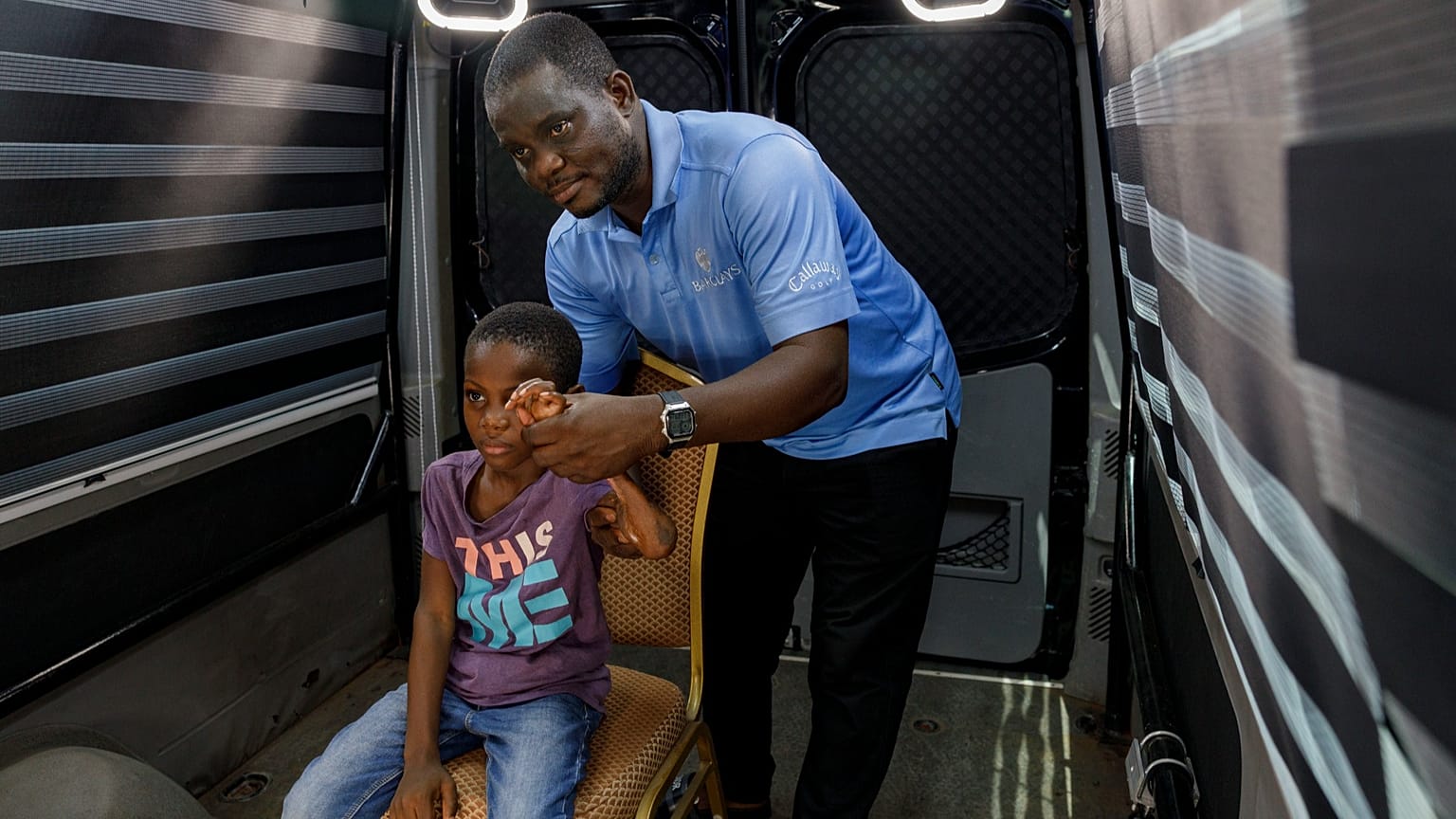
Additionally, better logistics unlocks more than just on-time deliveries. Moreover, reliable transport data helps lenders and insurers offer improved terms to logistics operators and merchants. Notably, Leta exemplifies how African AI startups 2026 blur vertical lines, combining technology, finance, and supply chains into integrated platforms.[2]
For creators covering African business or spotlighting rising founders, Leta’s journey offers strong case-study material. Furthermore, you can document how smarter delivery routes translate into better access to health supplies, farm inputs, and consumer goods. Invite your audience to comment on how logistics affects their daily lives.
How these African AI startups 2026 connect with creators and culture
Importantly, AI in Africa is not only about code and capital; it is also about culture. Many of these startups work directly with influencers, educators, and community leaders to drive adoption. Furthermore, health-tech founders partner with nurses who share TikTok explainers, while agri-tech teams collaborate with YouTube farmers who film their fields. In addition, fintech apps tap fashion and music influencers to frame savings and investment as lifestyle choices rather than chores.
Moreover, this synergy between AI builders and content creators accelerates trust. When a popular creator you follow demonstrates a new tool, you are more likely to try it. Consequently, African celebrities and creators play a real role in mainstreaming AI, especially when they emphasise safety, privacy, and relevance. If you enjoy profiles of such innovators, you will love similar stories in Arts & Entertainment and Spotlight.
Key trends shaping African AI startups in 2026
- Local capital and regional funds: Additionally, nearly half of the funding for Bloomberg’s 2026 startups to watch came from African investors, signalling deeper regional belief in homegrown innovation.[6]
- Sector focus on health, finance, and agriculture: Moreover, TechCabal’s mapping shows strong clustering in these verticals, driven by clear demand and policy support.[2][9]
- Language and cultural relevance: Consequently, startups like Hub2 prioritise African languages, while others localise interfaces and content for specific communities.[3]
- Cross-ecosystem collaboration: Furthermore, incubators such as Villgro Africa and Inclusive AI programmes provide shared resources, research access, and pilots for early-stage teams.[1][8][9]
- Influencer-driven adoption: In addition, creators and celebrities increasingly front launch campaigns, explain features, and bring AI tools into everyday conversations.
Explore More on Topping Africa
Ultimately, these ten African AI startups 2026 represent only a slice of what is happening across the continent. If you want to keep up with the next wave of health-tech, agri-tech, and fintech innovators, you should discover more stories across Topping Africa’s sections. Furthermore, here are a few curated paths to continue your journey.
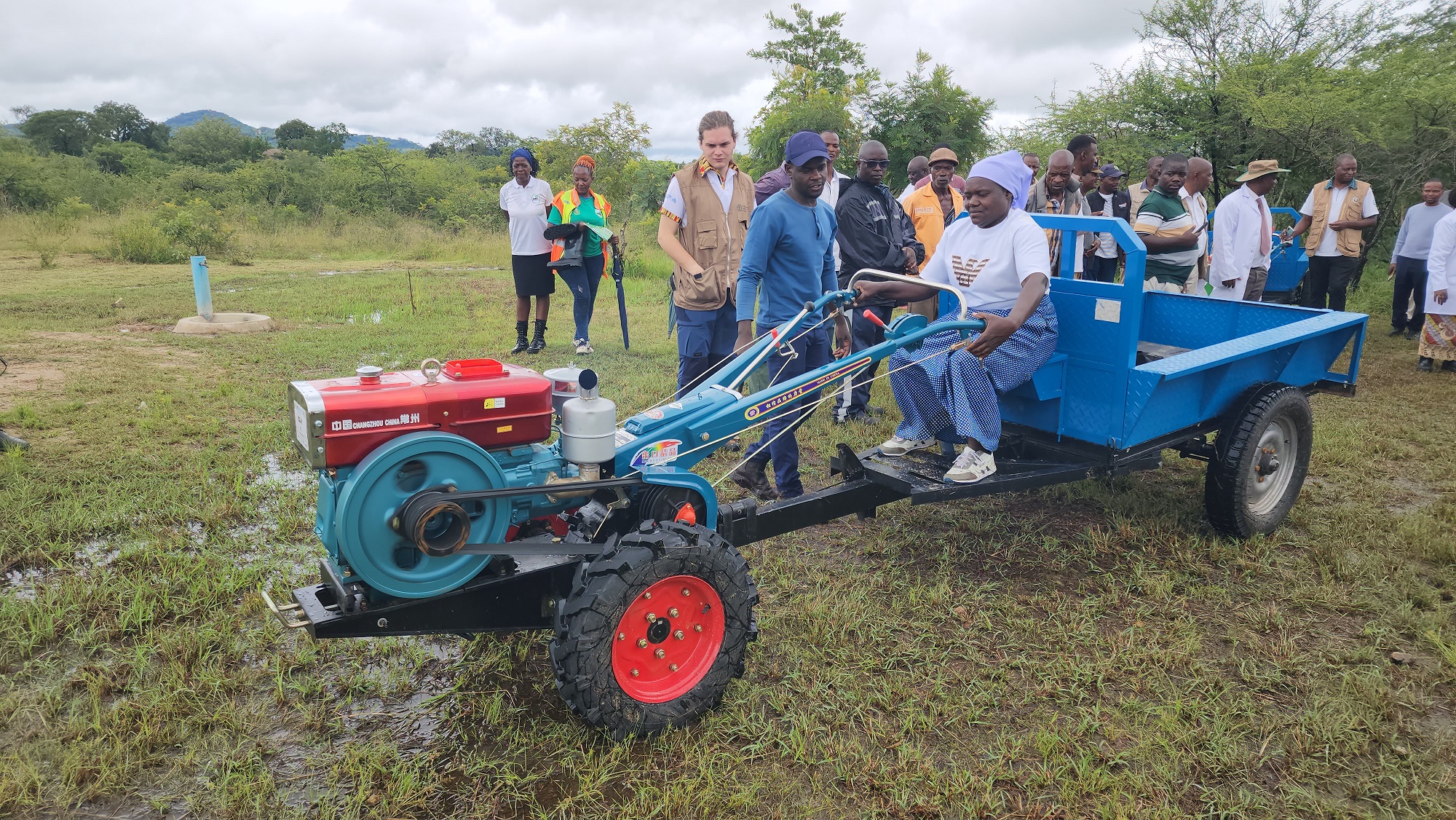
- Technology & Innovation – Deep dives into African AI, startups, and digital products reshaping everyday life.
- Business & Economy – Funding trends, ecosystem analysis, and profiles of founders building sustainable companies.
- Spotlight – Features on rising African content creators, tech influencers, and culture shapers you should be following.
Conclusion: Your front-row seat to Africa’s AI future
Therefore, as Africa rolls out ambitious AI plans and more local investors back early-stage innovation, startups like AfyaLens, AgriSense360, Nkwa, Hub2, Omnisient, and Leta will define what AI means in real life.[2][6][7][9] Furthermore, they are proving that machine learning can thrive on low-cost devices, patchy networks, and multilingual societies. In addition, they show that health workers, farmers, and gig workers are not passive users but active partners in building solutions.
Moreover, if you are a creator, founder, or curious observer, this is the perfect moment to plug into the ecosystem. You can collaborate on pilots, co-create educational content, or simply share these stories with your audience. Ultimately, African AI startups 2026 are not just transforming healthcare, farming, and finance; they are also shaping the next generation of African influence, creativity, and opportunity. Read more, subscribe to updates, and leave a comment below when you spot the next breakthrough team worth featuring.

Staff
Contributing writer at Topping Africa.
0 Comments
No comments yet. Be the first to share your thoughts!