

World Economic Forum Elevates Africa’s Role at Davos 2026
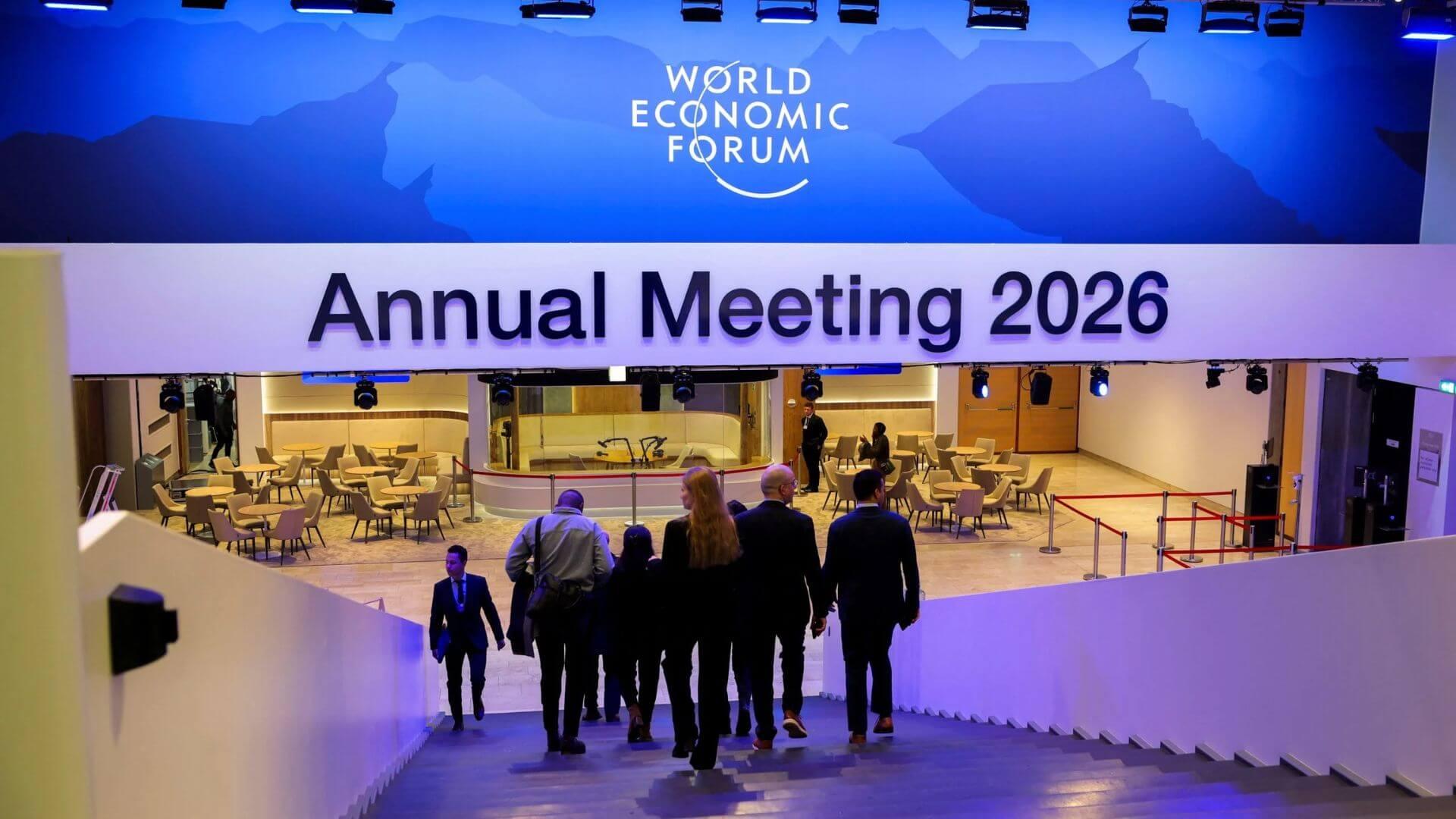
From energy transition talks to investment debates, Africa’s priorities moved into sharper focus at Davos, signaling a renewed push for global partnership.
DAVOS, Switzerland — 2026-01-23
Updated 14:10 GMT — Africa emerged as a central theme at this year’s World Economic Forum Annual Meeting in Davos, as political leaders, business executives, and development partners used the gathering to press the case for renewed investment, energy transition financing, and deeper global engagement with the continent.
Across multiple sessions, African delegations highlighted priorities ranging from energy security and infrastructure financing to digital transformation and workforce development. According to WEF session briefings and reporting by African and international media, the discussions reflected a growing recognition that Africa’s economic trajectory will play a decisive role in shaping global growth over the coming decades.
Senior African policymakers and business leaders told audiences in Davos that fragmented investment flows and limited access to affordable capital remain key constraints. At the same time, they argued that Africa’s demographics, natural resources, and expanding digital economy position the continent as a critical growth engine if global capital and policy alignment improve.
Reactions
Officials / Experts:
African economists cited by regional outlets said the prominence of Africa-focused panels marks a shift from symbolic inclusion toward more substantive engagement, particularly on energy transition funding and regional value chains.Public & Civil Society Voices:
Development advocates welcomed the renewed attention but cautioned that past Davos commitments have often failed to translate into sustained on-the-ground impact, calling for clearer timelines and accountability mechanisms.Regional & International:
International investors speaking at the forum signaled increased interest in African markets, especially in clean energy, fintech, and logistics, while stressing the need for regulatory stability and risk-sharing frameworks.
Context & Significance
Africa’s elevated profile at Davos comes amid slowing global growth, geopolitical fragmentation, and renewed debate over how emerging markets fit into the next phase of globalization. While Africa contributes a modest share of global GDP, it is home to the world’s youngest population and some of its fastest-growing urban centers.
A notable outcome from the Davos discussions was confirmation, reported by Forbes Africa and BusinessDay, that the World Economic Forum plans to revive its dedicated Africa-focused summit in 2027, ending a multi-year pause. Analysts say the move signals a strategic recalibration, acknowledging Africa’s growing importance in global supply chains, climate policy, and innovation ecosystems.
What’s Next
Attention now turns to whether the momentum from Davos translates into concrete commitments ahead of the planned 2027 Africa summit. Governments, development banks, and private investors are expected to engage in follow-up consultations on financing structures, project pipelines, and policy reforms aimed at unlocking long-term investment across African economies.
Staff
Contributing writer at Topping Africa.
0 Comments
No comments yet. Be the first to share your thoughts!