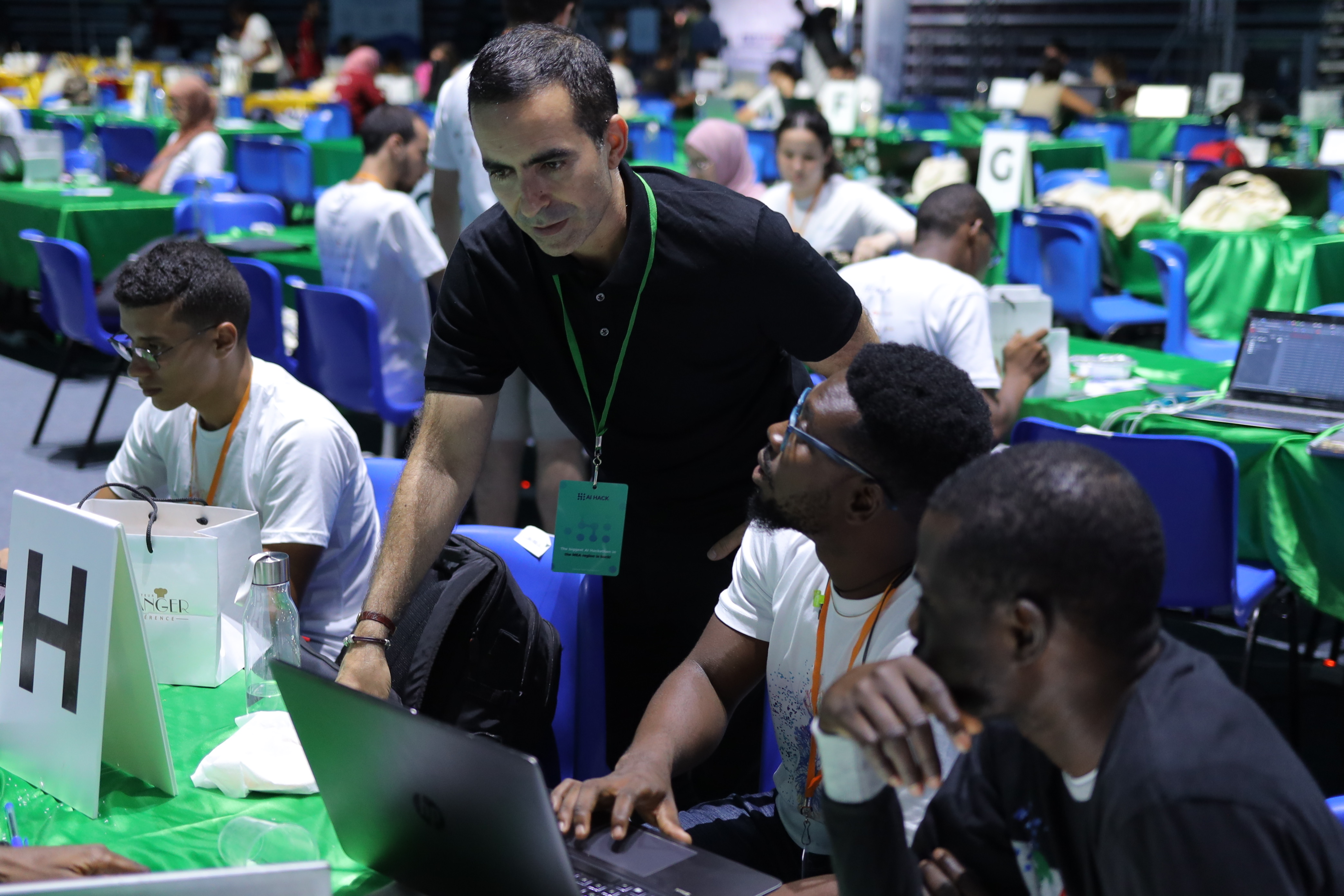

Why Skills-Based and Technical Education Is Rising Across Africa
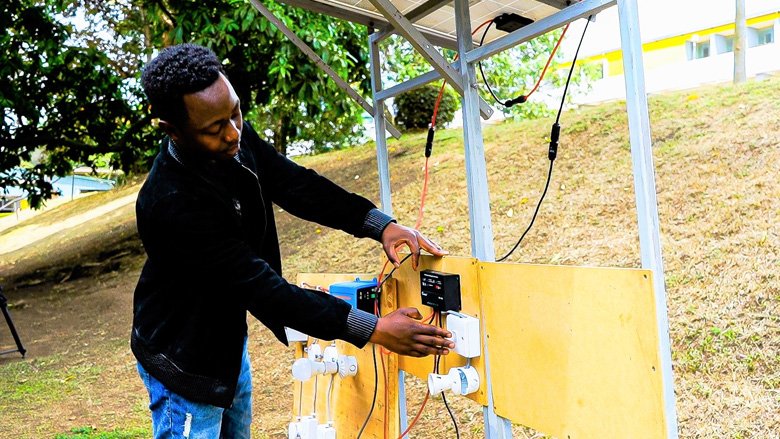
Technical education in Africa is gaining ground as employers demand job-ready skills and young people seek faster paths to work. This article explains why practical training now matters more than ever.
Technical education in Africa is moving from a side option to a top choice for many young people. Across the continent, employers now want workers who can build, fix, code, test, and adapt fast. Furthermore, the old idea that only a university degree leads to success no longer fits today’s job market.
However, this shift is not just about jobs. It is also about confidence, income, and access. As Africa’s youth population grows, practical skills can help more young people turn talent into work and ideas into real businesses.
Why technical education in Africa matters now
Across Africa, young people face a tough mix of high unemployment, fast tech change, and skills gaps. Meanwhile, many companies say they cannot find enough workers with the right hands-on training. This gap has pushed technical education in Africa into the centre of public talk.
Moreover, the World Bank has warned that many African children still struggle to learn basic reading and math well. You can read more in the World Bank education and skills report. In addition, UNESCO’s recent continental work on learning and skills also points to the need for stronger pathways into work through practical training. See the UNESCO continental report.
Consequently, governments, schools, startups, and training hubs are paying closer attention to job-ready learning. The goal is simple: help young Africans earn faster and grow stronger careers.
Technical education in Africa and the jobs employers want
Today’s employers want more than theory. They want people who can use tools, solve problems, and work with modern systems. Therefore, skills-based learning now has stronger value in sectors that keep Africa moving.
Fast-growing areas for practical training
- Digital skills for software, data, and online work
- Engineering for roads, power, buildings, and manufacturing
- Biomedical training for labs, devices, and health systems
- TVET pathways for welding, electrical work, fashion, carpentry, and repairs
- Agritech skills for farming tools, storage, and food systems
Furthermore, ACET notes that youth employment and skills systems must match local economies better. Explore more in the ACET Youth Employment & Skills page. This matters because training should not only teach, but also lead to income.
Meanwhile, practical learning gives young people a faster route into self-employment. Many graduates can start small service businesses, join firms, or build freelance careers with the right support.
How African youth are changing the value of skills
Young Africans are not waiting for the old system to catch up. They are learning through bootcamps, maker spaces, online courses, and local training centres. Consequently, technical education in Africa now includes more flexible paths than it did ten years ago.
Additionally, social media has made skill learning more visible and more social. Creators now share how they learned design, coding, hair styling, video editing, or tailoring. That visibility matters because it shows that skills can lead to status, money, and freedom.
For instance, many African content creators now run side businesses in media, fashion, and digital services. Their stories help younger fans see that practical skills can support a creative life. Read more about youth trends in Entertainment and Culture & Lifestyle.
Why this shift feels bigger in 2026
Notably, AI tools and digital platforms are changing what entry-level work looks like. Some tasks are now automated, while new roles need people who can use software, fix systems, or manage digital content. As a result, young people who train for practical work can stay more flexible.
Moreover, online work has made skills more portable. A young person in Kigali, Lagos, Nairobi, Accra, or Dakar can now sell services across borders with the right training and internet access.
Technical education in Africa is also about dignity
For years, many families treated TVET and vocational work as a second choice. However, that thinking is changing fast. Skilled work now powers hospitals, factories, farms, studios, transport systems, and fintech operations.
Furthermore, technical education builds pride. A good electrician, lab technician, seamstress, or machine operator solves real problems every day. That kind of work deserves respect, fair pay, and public support.
Importantly, this shift also helps young women. More girls can enter health tech, coding, design, manufacturing, and engineering if schools remove old barriers. As a result, skills-based learning can widen opportunity instead of narrowing it.
What the strongest African training systems look like
The best systems do not only teach theory. They combine classroom learning with practice, internships, mentoring, and real tools. Therefore, the most useful programs connect schools to employers and local industries.
Key features of strong technical programs
- Hands-on practice in real workshops and labs
- Industry links with firms, startups, and public agencies
- Updated tools that match current market needs
- Teacher training that keeps instructors current
- Clear pathways from school to jobs or business
Meanwhile, Educate! shows how practical learning can help youth build income and confidence. See Educate! for one example of skills-focused youth development in Africa. In addition, this model works best when schools and communities support it together.
Similarly, the Brookings view on learning poverty shows why foundational education still matters before advanced training begins. Read the analysis at Brookings. Strong reading, math, and digital basics make technical learning much easier later on.
Where opportunities are growing for African youth
Different sectors now need trained workers. However, the strongest demand often sits in areas that touch daily life. This is good news for youth who want practical careers with visible impact.
- Healthcare support: lab assistants, pharmacy techs, imaging support, and biomedical maintenance
- Construction: electricians, plumbers, welders, tilers, and site supervisors
- Digital economy: developers, editors, designers, support staff, and data workers
- Green jobs: solar installation, recycling, water systems, and repair work
- Creative industries: audio tech, styling, set design, costume work, and video production
Additionally, this is where African innovation meets culture. Music studios need sound engineers. Fashion brands need pattern makers and machine operators. Tech startups need support teams, testers, and product specialists. Explore more in Technology and Business & Economy.
Consequently, skills training can support both formal jobs and small businesses. That makes it one of the most flexible tools for youth growth.
Barriers that still slow technical education in Africa
Despite the promise, many young people still face real limits. Some schools lack tools, power, internet, or trained teachers. Furthermore, many families still see vocational learning as less valuable than academic tracks.
Moreover, rural learners often have fewer chances to access quality programs. Transport costs, weak labs, and outdated equipment can hold them back. In addition, girls and young people with disabilities often face extra barriers.
Nevertheless, these problems are fixable. Governments can improve funding, update training, and work with employers. Startups and NGOs can also help by offering internships, digital tools, and short courses.
What needs to change next
- Update curricula to match current jobs and tools
- Train teachers in modern methods and equipment
- Build stronger links between schools and employers
- Expand access to devices, internet, and workshop space
- Support girls, rural youth, and vulnerable learners
Additionally, policy must include youth voices. Young people know what skills they need most. Therefore, they should help shape the programs meant for them.
How African startups and creators can support the shift
Interestingly, African startups can help make training more useful and more exciting. Edtech firms can build local learning apps. Health startups can create training support for clinics and labs. Fashion and media startups can open more hands-on placements.
Meanwhile, content creators can make technical careers look cool and achievable. A short video on welding, coding, or makeup artistry can inspire more young people than a long policy speech. Share your thoughts below if you have seen a creator make skills learning trend in your country.
Furthermore, brands can sponsor labs, hackathons, and maker events. That support does more than build goodwill. It also builds a future workforce that understands real business needs.
What families and students should do now
If you are a student, do not wait for one perfect path. Learn a mix of technical, digital, and soft skills. Then look for ways to practice them early.
However, if you are a parent, help your child see skill learning as a strong option. A short course, apprenticeship, or TVET path can lead to a stable life. Read more about youth and work trends in Africa News and Opinion & Editorial.
Simple steps young people can take
- Choose a skill that matches local demand
- Find one course or mentor to start with
- Practice weekly and build a small portfolio
- Use social media to show your progress
- Apply for internships, projects, or apprenticeships
Ultimately, the best careers grow from action. The sooner young people start learning by doing, the sooner they can earn and grow.
Explore More on Topping Africa
Technology: Discover how African tech startups and digital tools are reshaping learning, work, and business across the continent. Explore Technology
Business & Economy: Read more about jobs, entrepreneurship, and the money side of skills-based growth. Explore Business & Economy
Culture & Lifestyle: See how creators, fashion, and youth culture are making practical skills more visible and valuable. Explore Culture & Lifestyle
Conclusion
Technical education in Africa is becoming more important because the continent needs workers who can do real tasks well. Furthermore, young Africans want faster, clearer routes to work, income, and independence. Skills-based learning offers that path.
Moreover, this shift fits Africa’s future. It supports startups, health systems, factories, creative industries, and digital jobs. If Africa invests well, practical education can help turn youth energy into real growth.
Ultimately, the message is clear: when young Africans learn useful skills, everyone wins. Subscribe, explore more, and leave a comment below with your view on the future of skills training in Africa.

Staff
Contributing writer at Topping Africa.
0 Comments
No comments yet. Be the first to share your thoughts!