

UN Declares Slave Trade Crime Against Humanity, Calls Reparations
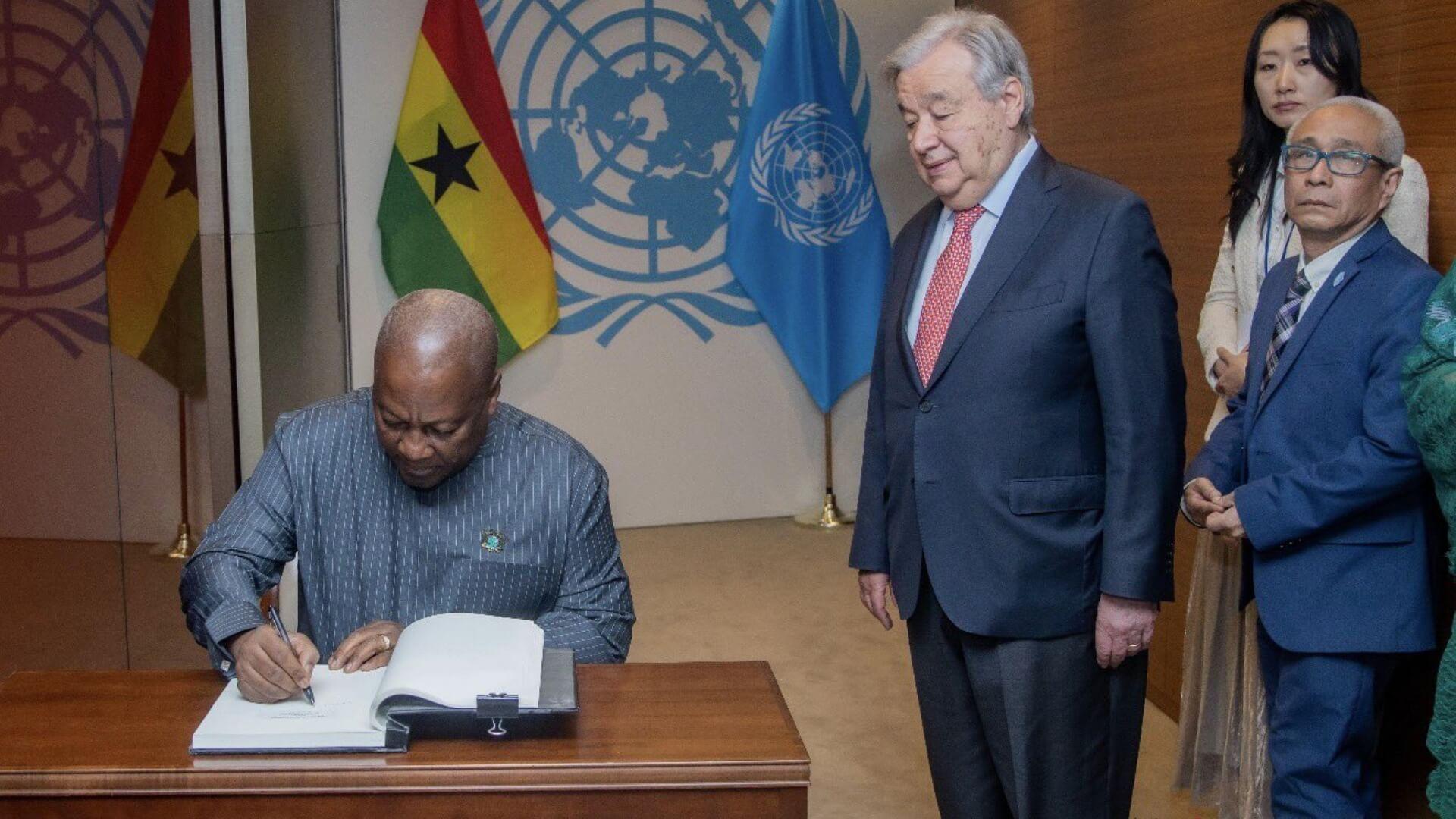
For generations, the pain of slavery has lived beyond history—in identity, inequality, and memory. This moment signals a shift from remembrance to reckoning, where the demand is no longer acknowledgment alone, but justice that reshapes the future.
NEW YORK, United States — March 25, 2026
The United Nations General Assembly has formally declared the transatlantic slave trade the “gravest crime against humanity” and called for reparations, marking a major diplomatic victory for African and Caribbean nations pushing for historical justice.
The resolution, adopted with 123 votes in favor, recognizes the transatlantic trafficking of enslaved Africans as a foundational injustice that continues to shape global inequality. Three countries—the United States, Israel, and Argentina—voted against the measure, while more than 50, including the United Kingdom and European Union members, abstained.
Backed by African states and led by Ghana, the resolution goes beyond symbolic acknowledgment, urging countries historically involved in the slave trade to engage in reparatory justice. Proposed measures include formal apologies, financial compensation, restitution of cultural artifacts, and systemic efforts to address enduring racial and economic disparities.
UN Secretary-General António Guterres described the slave trade as an atrocity that “struck at the core of personhood,” emphasizing that its legacy continues through systemic racism and structural inequality.

Ghana’s Foreign Affairs Minister, Samuel Okudzeto Ablakwa, framed the vote as a turning point in global accountability, stating it sends a clear message that impunity for historical crimes will no longer be tolerated.
However, the resolution exposed deep divisions among global powers. The United States rejected the measure, arguing it does not recognize a legal basis for reparations tied to historical acts that were not illegal under international law at the time. Washington also objected to what it described as an attempt to rank crimes against humanity.
European nations, while acknowledging the brutality of slavery, raised similar concerns. French representatives warned against creating a hierarchy of historical tragedies, reflecting broader Western hesitation over the legal and financial implications of reparations.
Despite its non-binding nature, the resolution carries significant political weight. It aligns with long-standing demands from the African Union and Caribbean nations, which argue that centuries of exploitation, forced migration, and economic extraction continue to shape present-day disparities across the Global South.
The vote coincided with the International Day of Remembrance of the Victims of Slavery and the Transatlantic Slave Trade, underscoring the scale of the historical injustice—millions of Africans forcibly displaced over more than four centuries.

For Africa, the resolution marks more than diplomatic symbolism. It represents a renewed push to translate historical acknowledgment into tangible outcomes—economic, cultural, and institutional—within a global system still shaped by the legacy of slavery.
As calls for reparations gain momentum, the next phase will test whether international recognition can evolve into concrete policy, financial commitments, and structural reforms.
Staff
Contributing writer at Topping Africa.
0 Comments
No comments yet. Be the first to share your thoughts!