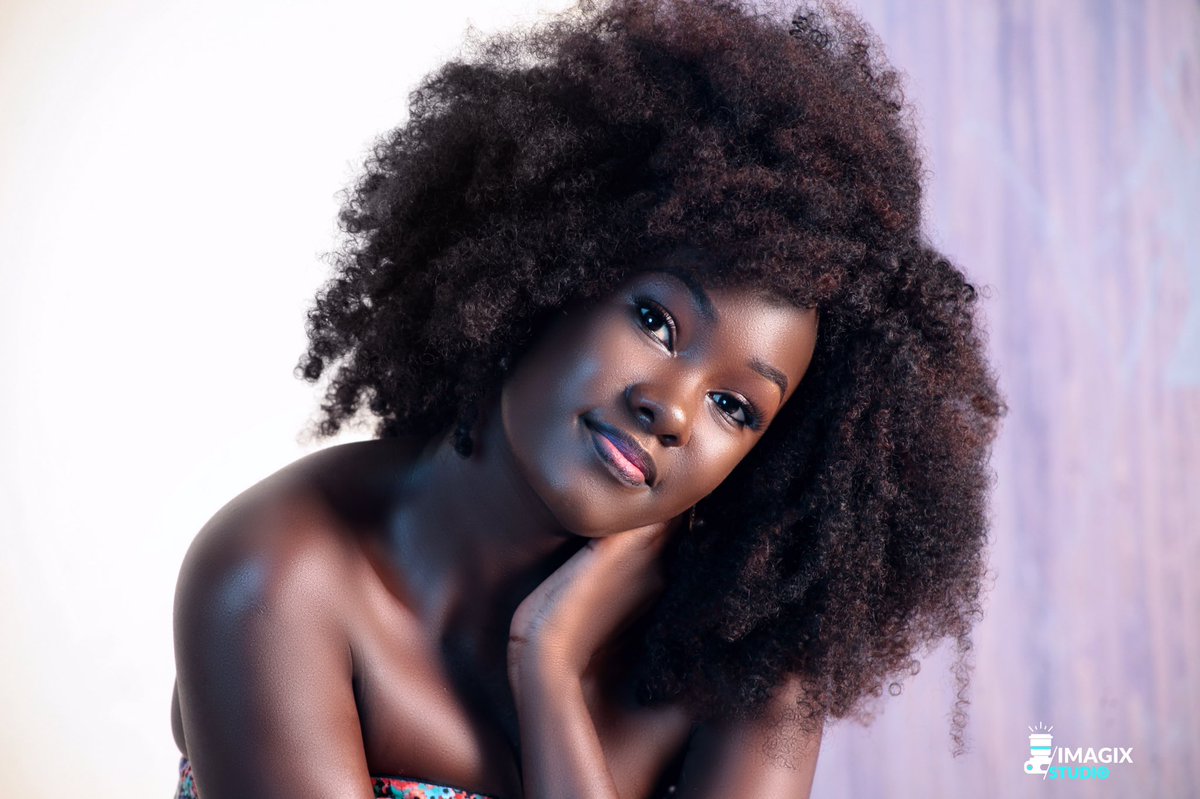
Soft Life, African Edition: How Gen Z Across the Continent Are Redefining Everyday Luxury
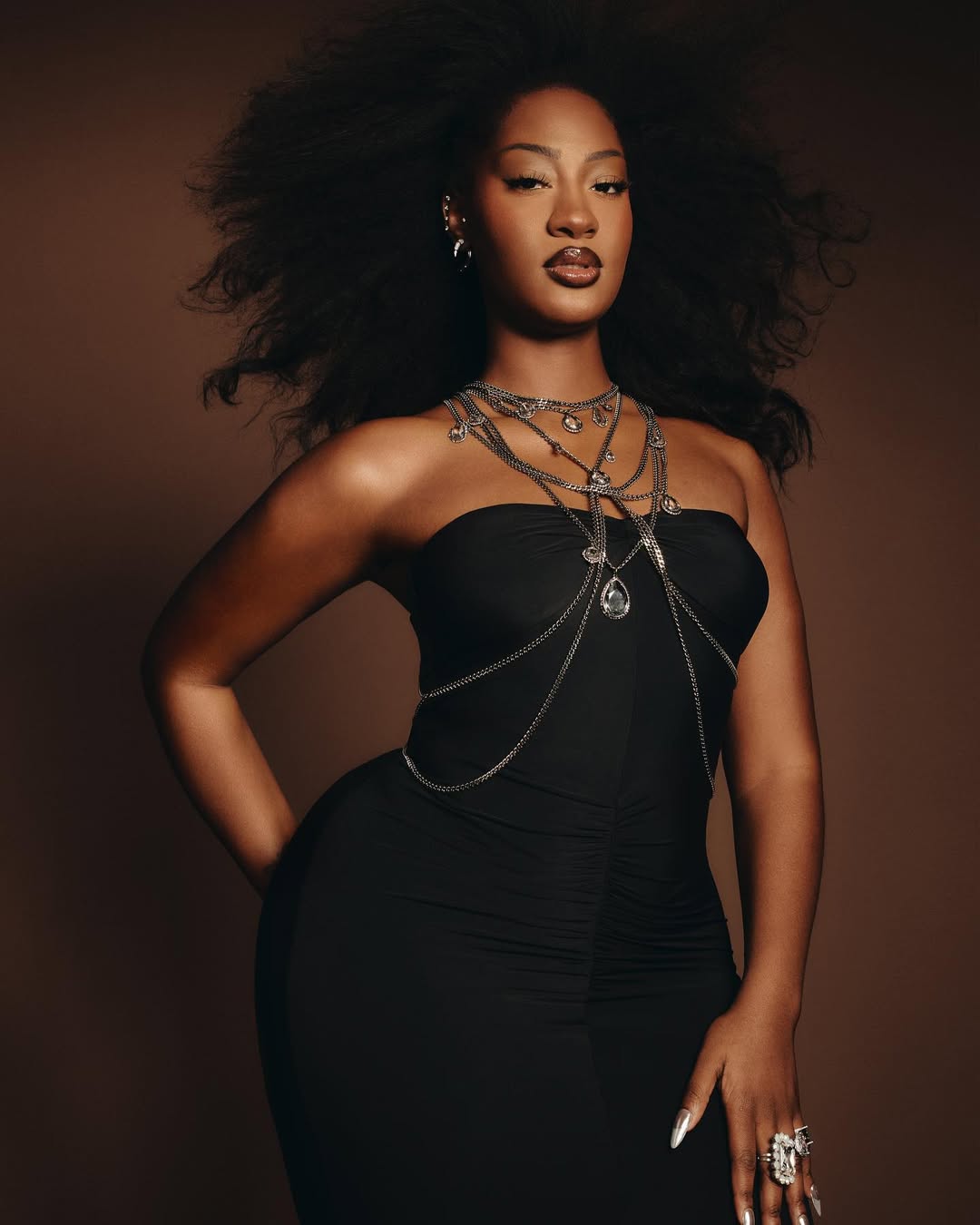
Soft life in Africa is evolving beyond imported luxury aesthetics. Across Lagos, Accra, Nairobi, and Johannesburg, Gen Z is turning comfort, thrift, wellness, and creator culture into a distinctly African idea of everyday luxury.
Soft life in Africa is no longer just a TikTok mood or an Instagram caption. Across the continent, Gen Z is turning soft life into a practical way of living, shaped by budget limits, smart choices, and a strong taste for comfort.
From Lagos brunch spots to Nairobi wellness studios, young Africans are redefining luxury as peace, ease, and intentional spending. However, this version of soft life is deeply local, because it often lives beside side hustles, shared housing, thrift fashion, and community care.
Soft Life in Africa: A New Kind of Luxury
The global soft-life trend started as a rejection of burnout culture, but in Africa it has taken on a sharper edge. Young people want rest, beauty, and convenience, but they also live with rising costs and uneven access to income. As a result, soft life in Africa often means finding small luxuries that feel rich without being wasteful.
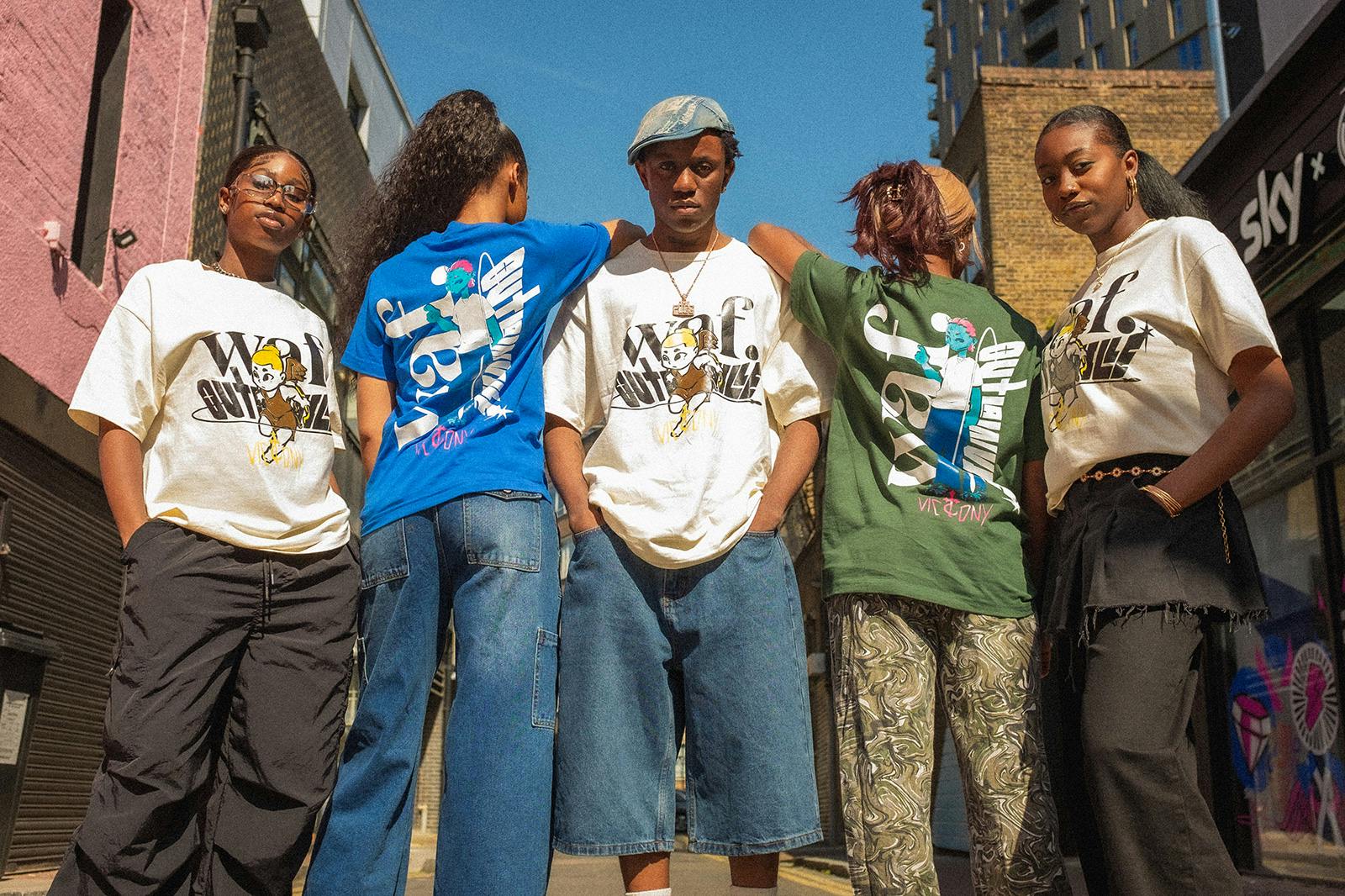
Instead of chasing only designer labels, many Gen Z consumers now spend on skin care, cafe culture, local travel, and better daily routines. Furthermore, they want experiences that look good online and feel good in real life. That mix of image and comfort has made soft life one of the strongest lifestyle ideas shaping African youth culture.
According to reporting on Nigerian Gen Z habits, soft life now includes homemade skincare, thrift fashion, budget hangouts, and creative ways of making life feel smoother on a tight budget.[1] Meanwhile, broader social media coverage shows that the trend has spread through TikTok and Instagram as a symbol of rest, calm, and self-care.[2]
How Soft Life in Africa Shows Up in Daily Life
Wellness Without the Price Tag
Young Africans are building wellness routines that fit their budgets. Additionally, many are choosing walks, home facials, journaling, pilates clips, yoga videos, and affordable spa visits over expensive luxury retreats.
In cities like Johannesburg and Accra, wellness spaces are selling more than treatments. They are selling atmosphere, stillness, and a break from pressure. Consequently, soft life has become a language for mental rest as much as physical pampering.
For many, self-care now looks like a quiet coffee shop morning, a skincare shelf built over time, or a weekday off spent doing nothing at all. However, the point is not laziness. The point is control over how life feels.
Travel That Feels Aspirational, Not Out of Reach
Travel has become one of the clearest markers of soft life in Africa. Moreover, young people now celebrate short regional trips as much as expensive international holidays.
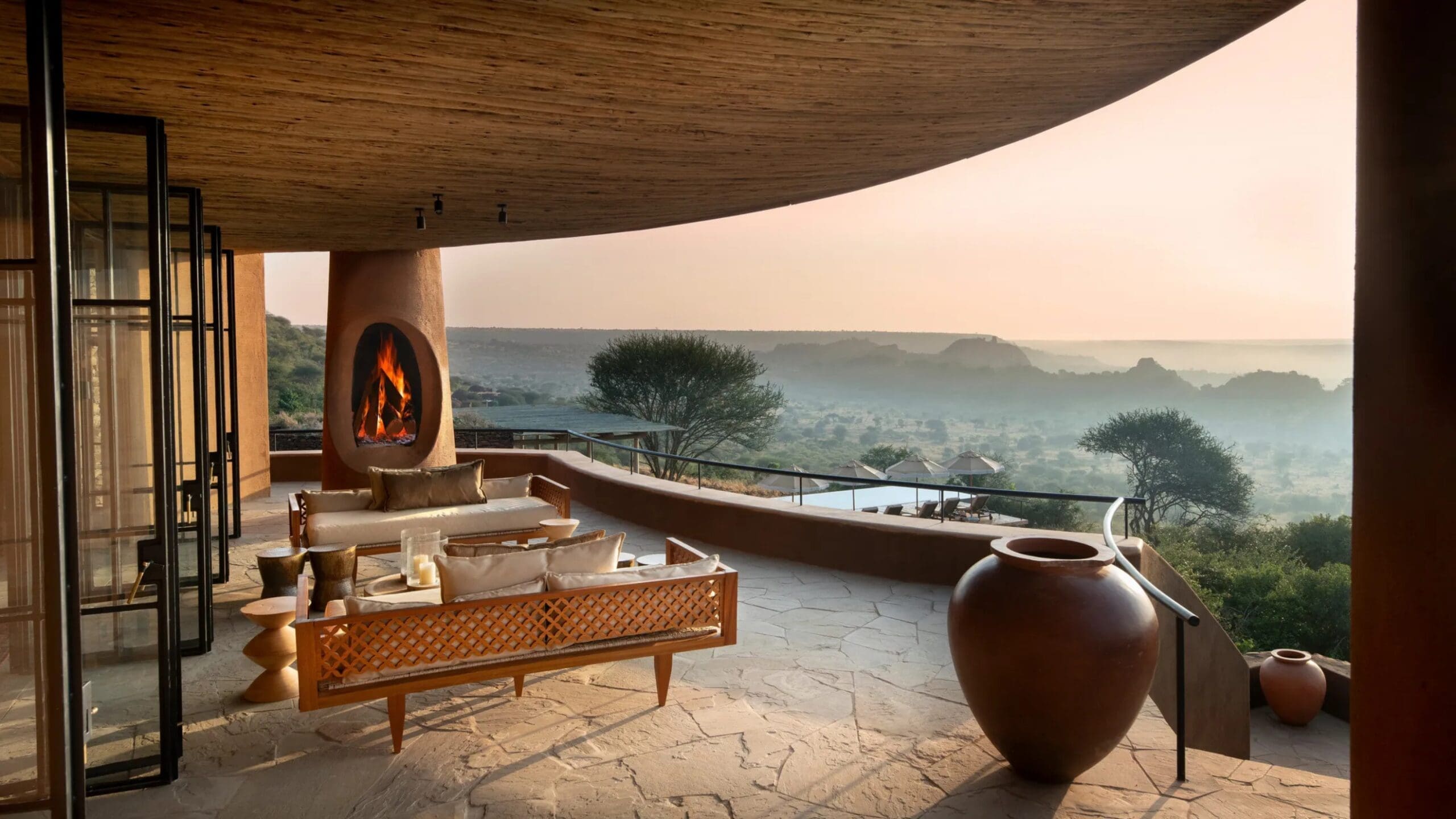
A weekend in Zanzibar, a Cape Town reset, a Mombasa beach break, or a Kigali staycation can signal the same energy as a faraway luxury escape. In particular, Gen Z travelers want attractive spaces, easy bookings, and content-worthy views.
Travel creators have helped shape this shift by making African destinations feel stylish and accessible. Therefore, the new luxury is not always distance. Sometimes it is simply a well-planned escape close to home.
Fashion, Thrift, and the Rise of Everyday Aesthetics
Fashion sits at the center of soft life in Africa because it mixes identity, status, and creativity. Additionally, thrift shopping, local designers, resale pages, and custom tailoring help young people look polished without overspending.
Many Gen Z consumers now want outfits that tell a story. They want a fit that works for brunch, content creation, events, and casual work days. Consequently, fashion has become a way to project ease even when life is busy.
This is where African style stands out. Rather than copying global luxury culture, young people blend streetwear, native fabrics, clean tailoring, and trend-led accessories into something local and fresh.
Why Soft Life in Africa Is Also a Money Story
Soft life can sound glamorous, but on the continent it is often a response to pressure. Importantly, many young Africans are balancing multiple incomes, unstable job markets, and high urban costs while still trying to live well.
That is why the trend is changing language around money. Instead of asking only, “How much do you earn?” people also ask, “How do you live?” As a result, spending patterns now reflect mood, values, and survival strategies.
A Gen Z worker might share rent with friends, run a side hustle on WhatsApp, and still budget for nails, dinner, or a weekend outing. Furthermore, the soft-life mindset says those small treats matter. They help life feel manageable.
- Shared housing can free up cash for better food, transport, and beauty routines.
- Side hustles help fund lifestyle choices without waiting for one salary.
- Digital work gives young creators more control over time and location.
- Thrift and resale make fashion feel premium without the premium cost.
Notably, this is where African soft life differs from many Western versions. In Africa, luxury is often improvised, curated, and stretched across multiple responsibilities.
Influencer Culture and the New Soft-Life Aesthetic
Influencer culture has made soft life highly visible across the continent. Furthermore, creators now shape what people see as beautiful, successful, and worth spending on.
From Lagos lifestyle pages to East African vloggers and South African wellness creators, online personalities are teaching followers how to package ordinary life as premium. Consequently, a simple breakfast, a neat apartment corner, or a city taxi ride can become aspirational content.
This matters because social media has turned everyday African life into a visual product. Meanwhile, creators are building brands around calm mornings, curated outfits, intentional routines, and quiet confidence. The result is a style economy where aesthetics drive attention and attention drives income.
Read more about how African creators shape culture in our Entertainment coverage, and explore more stories in Culture & Lifestyle and Fashion.
Soft Life, Celebrities, and the African Dream
African celebrities have also helped normalize the soft-life image. Additionally, music stars and actors often show fans what luxury looks like in local form, from private jets and fashion houses to elegant homes and curated vacations.
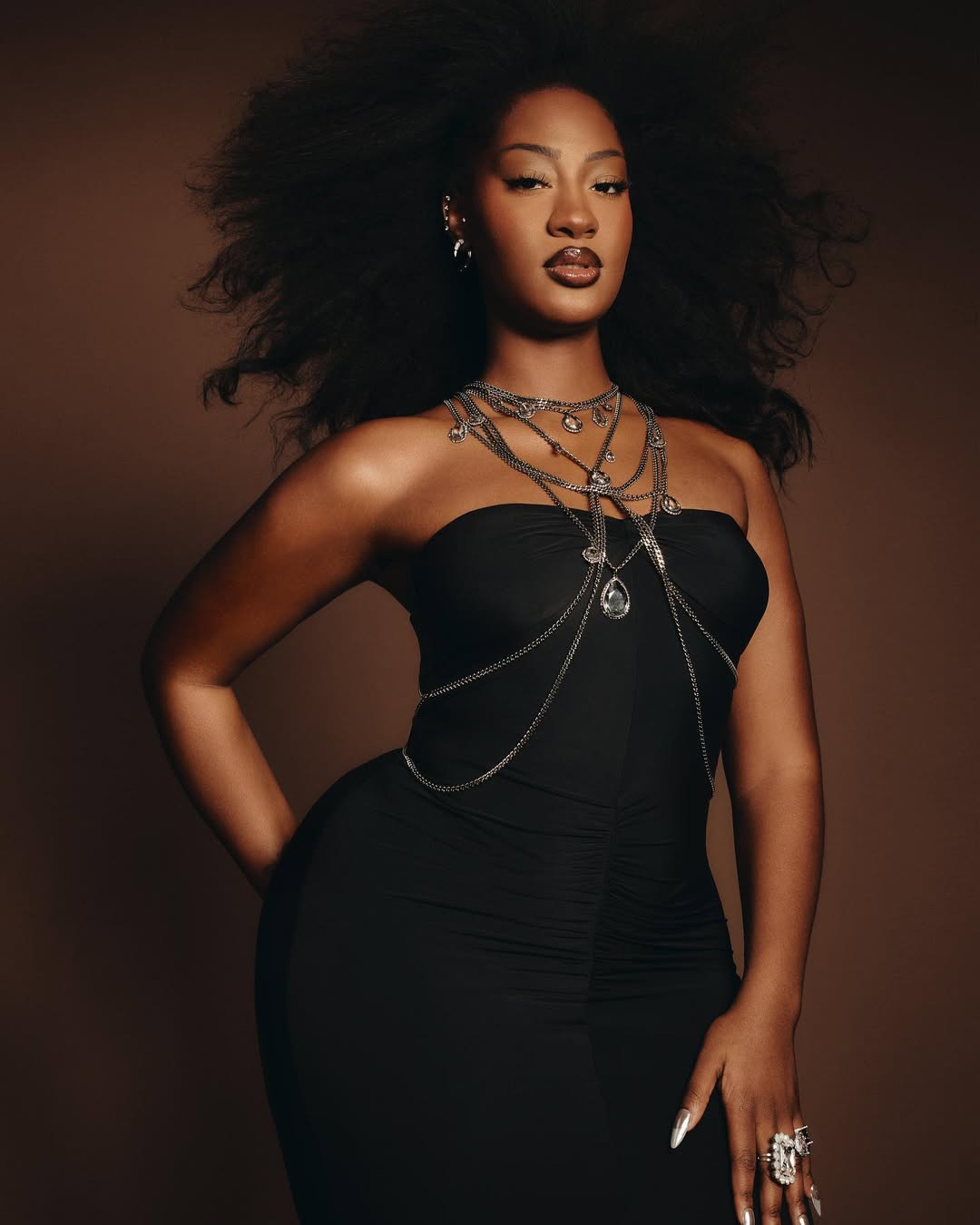
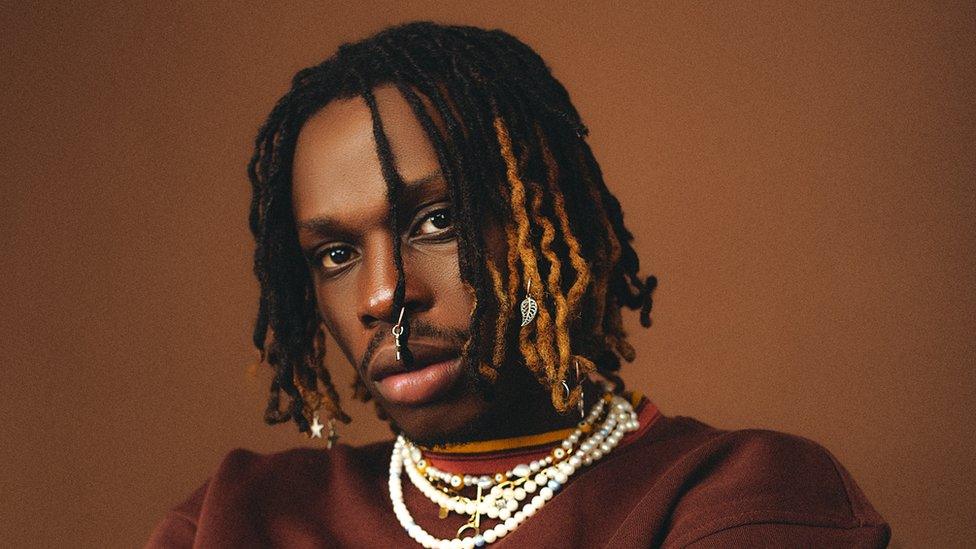
Names like Burna Boy, Tems, Ayra Starr, Tiwa Savage, and Wizkid often appear in conversations about style, ease, and success. Meanwhile, their public images influence how young people think about reward, status, and taste.
However, the appeal is not only about wealth. It is also about calm confidence. Young fans want the feeling of control and ease that soft-life icons appear to project.
How African Tech and Digital Work Are Feeding the Trend
Tech culture has quietly powered soft life in Africa. Moreover, digital work offers flexibility, remote income, and a better chance of building a lifestyle on your own terms.
From startup founders to freelance designers, content strategists, and app-based creators, many young Africans now sell skill instead of only time. Consequently, the dream is no longer just a corner office. It is freedom, mobility, and enough income to live well.
Tech startups also shape the soft-life experience through fintech, delivery, beauty, and mobility products. In addition, these tools help people save time, split bills, order food, book rides, and manage money more smoothly.
- Fintech apps make budgeting and saving easier.
- Delivery platforms support comfort-driven urban living.
- Beauty and wellness startups meet the demand for convenience.
- Creator tools help young Africans turn lifestyle into income.
Discover more on innovation and digital culture in our Technology and Business & Economy sections, plus Africa News for wider context.
Where Gen Z Is Rewriting the Rules of Everyday Luxury
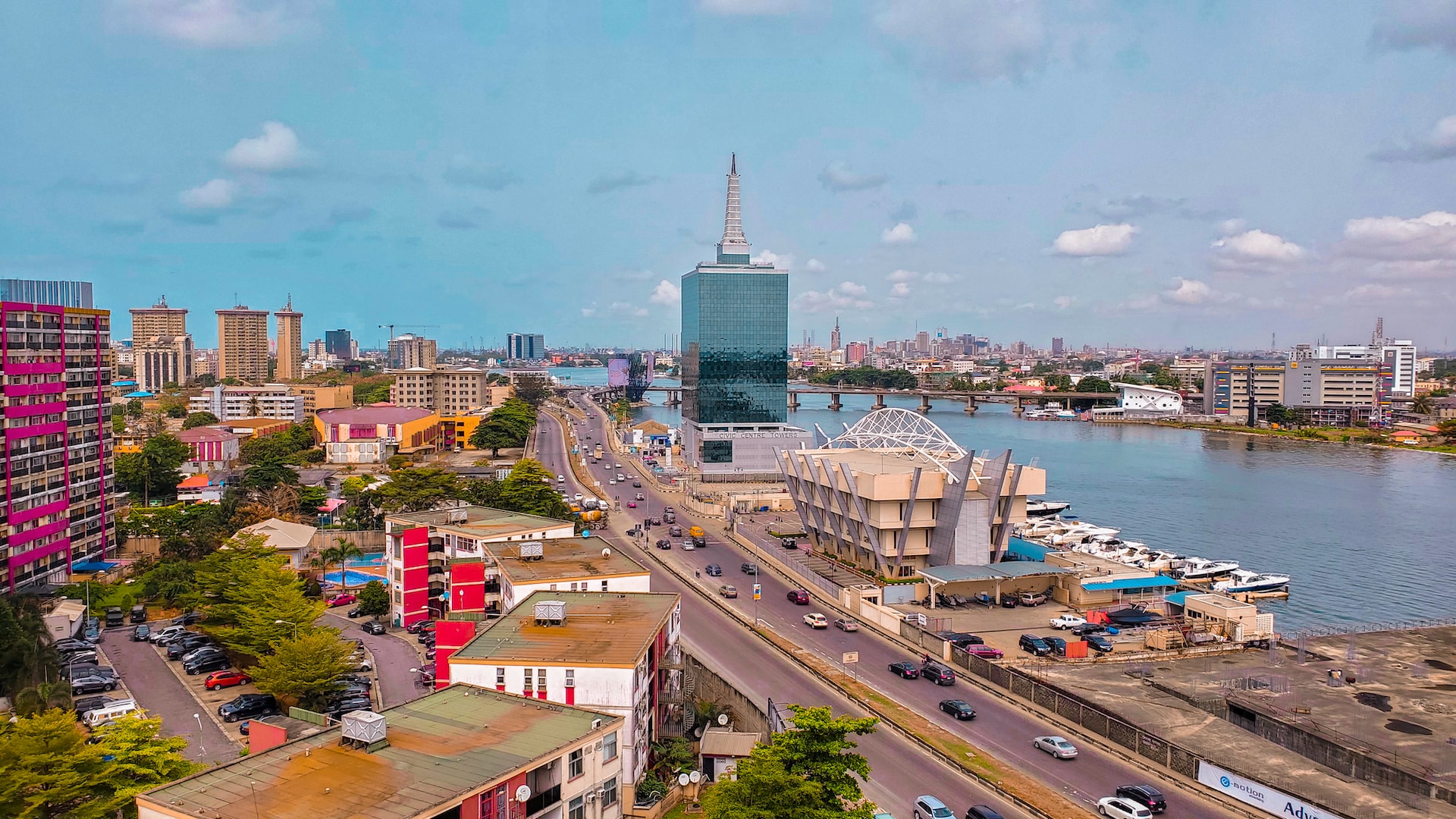
Lagos: Loud, Fast, and Visibly Soft
Lagos soft life often looks bold, public, and social. Additionally, the city’s culture of hustle makes the desire for rest and comfort even more visible.
Young Lagosians are spending on fine dining, self-care, clean apartments, and outfit culture. However, many still balance multiple income streams and heavy commute costs. That tension gives Lagos soft life its edge: the need to look easy while living fast.
Accra: Calm, Creative, and Style-Forward
In Accra, soft life often feels more laid-back and visually polished. Furthermore, the city’s creative scene has made it easy for young people to blend beach days, fashion, music, and relaxed social life.
Accra’s version of luxury tends to lean into mood, color, and leisure. Consequently, it offers a softer social rhythm that matches the soft-life idea beautifully.
Nairobi: Smart, Digital, and Wellness-Led
Nairobi’s soft life is strongly tied to digital work, wellness, and urban convenience. Moreover, young Kenyans are using online income, cafes, and flexible schedules to build better routines.
There is also a strong focus on fitness, skincare, and curated city experiences. As a result, the city’s soft-life culture feels efficient, modern, and highly social-media friendly.
Johannesburg: Elevated, Stylish, and Self-Aware
Johannesburg brings a polished, fashion-conscious energy to the trend. Additionally, the city’s mix of nightlife, beauty culture, and creator-led style has made soft life feel aspirational and sharp.
Young people there are using content, fashion, and personal branding to express status. Meanwhile, they are also trying to make room for rest and balance in a demanding city life.
The Real Meaning of Soft Life in Africa
At its best, soft life in Africa is not about pretending every problem has disappeared. Rather, it is about choosing comfort where you can find it and refusing to romanticize suffering.
That message matters in a generation that knows stress well. Furthermore, it gives young people permission to care about pleasure, beauty, and peace without apology.
It also fits African reality better than imported luxury trends. Soft life here can mean one good meal, a clean room, a thrifted fit, a short trip, or a phone full of content that makes you feel seen.
Ultimately, the African version of soft life is practical, creative, and deeply social. It is built in shared homes, side hustles, group chats, and local brands that understand what young people actually need.
Explore More on Topping Africa
Explore more stories on the trends shaping youth culture across the continent. Additionally, these sections will help you follow the people, ideas, and industries driving the next wave.
- Technology & Finance — smart tools, creator platforms, and the digital economy.
- Fashion — style trends, thrift culture, and African design voices.
- Culture & Lifestyle — the ideas and habits shaping modern African living.
Read more about the continent’s creative economy, and share your thoughts on what soft life means in your city. Also, subscribe for more stories on African creators, style, and innovation.
For broader context on self-care and trend culture, see Parents and the recent Nigerian framing of the trend in The Guardian Nigeria.
Soft life in Africa is becoming less about excess and more about design, choice, and dignity. Furthermore, that makes it one of the most revealing lifestyle shifts in young African culture today.

Staff
Contributing writer at Topping Africa.
0 Comments
No comments yet. Be the first to share your thoughts!