
Senegal Files AFCON Appeal At CAS Over Controversial Title Loss
This is more than football—it’s a battle over fairness, power, and credibility. For millions of African fans, the outcome will shape whether the game they love is governed by rules—or influenced by something deeper.
DAKAR, Senegal — March 26, 2026
The Court of Arbitration for Sport has confirmed that Senegal has formally lodged an appeal challenging the decision to strip the country of its Africa Cup of Nations title, escalating one of the most contentious disputes in African football history.
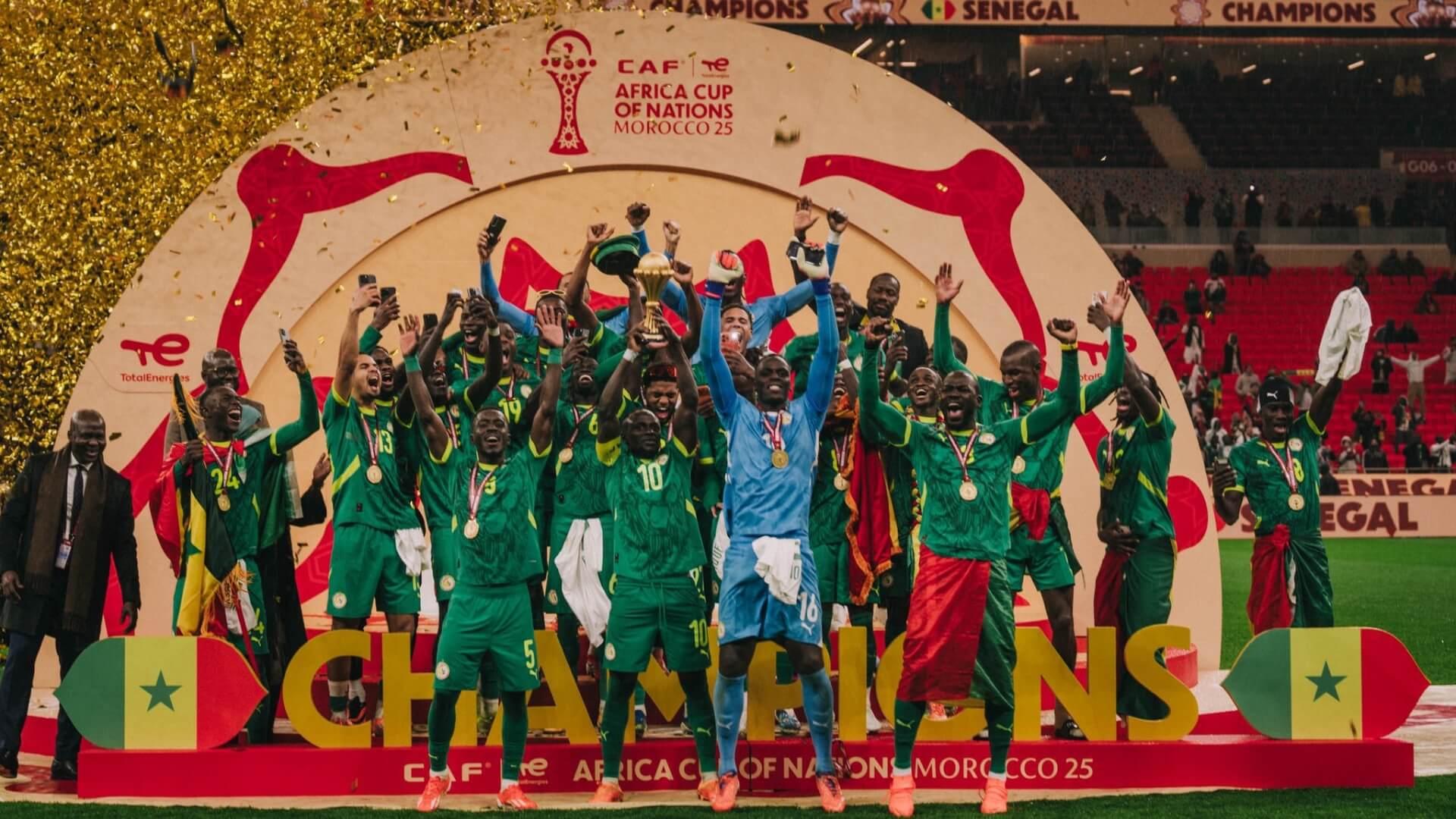
The appeal targets a ruling by the Confederation of African Football that overturned Senegal’s victory in the 2025 AFCON final and awarded the title to Morocco.
CAF’s decision followed a controversial incident during the January final in Rabat, where Senegal players briefly left the pitch in protest of a late penalty awarded to Morocco. Although the team returned and secured a 1–0 win in extra time, CAF later ruled the walk-off constituted a forfeit, retroactively awarding Morocco a 3–0 victory.
Senegal’s football federation has rejected the ruling outright, framing it as a violation of sporting integrity. Federation president Abdoulaye Fall described the decision as a “grossly unfair administrative robbery,” vowing to pursue every legal avenue to restore the country’s title.
Legal representatives for Senegal have assembled an international team of lawyers spanning Europe and Africa, signaling the scale and seriousness of the case. Their objective is clear: overturn CAF’s ruling and reinstate Senegal as African champions.
CAS confirmed receipt of the appeal and indicated that arbitration proceedings will follow established timelines, though no hearing date has been set. The process could take several months before a final verdict is issued.
At the center of the dispute lies a critical legal question: whether Senegal’s temporary exit from the pitch constitutes a forfeiture under CAF regulations, despite the match being completed and officiated to its conclusion.
The case has already triggered broader debate across the continent about governance, consistency in rule enforcement, and the credibility of African football institutions. Analysts warn that the outcome could set a precedent not only for CAF competitions but for how disputes are handled globally.
For Senegal, the stakes extend beyond a trophy. The federation has maintained that it still considers the team the rightful champion, positioning the appeal as a defense of national pride and sporting legitimacy.
As the legal battle shifts to the highest tribunal in global sport, African football enters a defining moment—one that could reshape trust in its governing systems and redefine how justice is pursued on the continent’s biggest stage.
Staff
Contributing writer at Topping Africa.
0 Comments
No comments yet. Be the first to share your thoughts!