
Rising African Student Creators and Influencers You Should Know in 2026
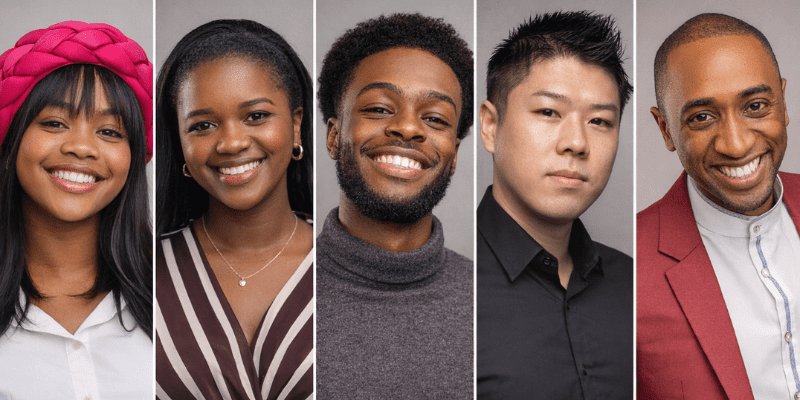
African student influencers are transforming campus life into powerful digital stories. Discover how they blend study tips, tech, fashion, and creativity to shape Africa’s next generation of leaders and innovators online.
The New Wave of African Student Influencers
You are living in the decade where African student influencers are rewriting what it means to study, hustle, and shine online. These young creators sit in lecture halls by day and lead digital communities by night. They turn study tips, campus stories, and career advice into content that travels across Africa and beyond.

Moreover, the wider African creator economy is exploding, driven by social media, video streaming, and cheap mobile data across the continent.[2][3] Consequently, student creators now tap into the same wave that powers Africa’s fastest-growing digital businesses. They are not just going viral for fun; they are building real brands, real income, and real influence.
In this guide, you will discover how this new class of African student influencers is using TikTok, YouTube, Instagram, X, and LinkedIn to shape education, career dreams, and youth culture. Furthermore, you will see why universities, tech startups, and even global brands now pay close attention to what happens on African campuses online.
Why African Student Influencers Matter in 2026
Today, the creator economy in Africa is more than a trend; it is a full business ecosystem employing teams and supporting long-term careers.[2][3] Many creators now describe their content work as running a small business, not a side hustle.[2] Importantly, student influencers sit right at the heart of that shift.
Additionally, recent events like the African Creators Summit and the African Social Media Influencers Summit highlight how fast this space is growing.[1][2][9] Over 2,500 digital creators from 15 countries gathered to discuss how to turn Africa’s cultural capital into income.[2] Meanwhile, more than 200 top voices from 30 African countries are expected at major influencer summits in 2026, underlining how serious this industry has become.[1][6]
For young Africans, these changes unlock new paths. Furthermore, a student in Lagos, Nairobi, Accra, Kigali, or Johannesburg can now share study routines, scholarship tips, or coding projects and find an audience across the continent. As a result, campus influence no longer stops at the gate; it travels across borders in real time.
Key trends shaping African student influencers
- Education meets entertainment: Study-with-me videos, comedic campus skits, and exam prep Reels attract large followings.
- Tech and entrepreneurship: Student founders use content to show product journeys, hackathons, and startup life.
- Career and skills: CV tips, LinkedIn guides, and remote-work advice help peers secure internships and jobs.
- Fashion and lifestyle: Affordable campus fashion, beauty routines, and dorm makeovers shape youth style.
- Cross-border communities: Creators mix languages and cultures, connecting students from West, East, Central, North, and Southern Africa.
How the African Creator Economy Elevates Students
The rise of African student influencers sits inside a bigger story: Africa’s booming creator economy. According to recent reports, the number of creators, the size of audiences, and the flow of brand deals all keep rising across the continent.[2][3] Furthermore, mobile-first platforms like TikTok, Instagram Reels, and YouTube Shorts make it cheap and simple for students to create and distribute content.
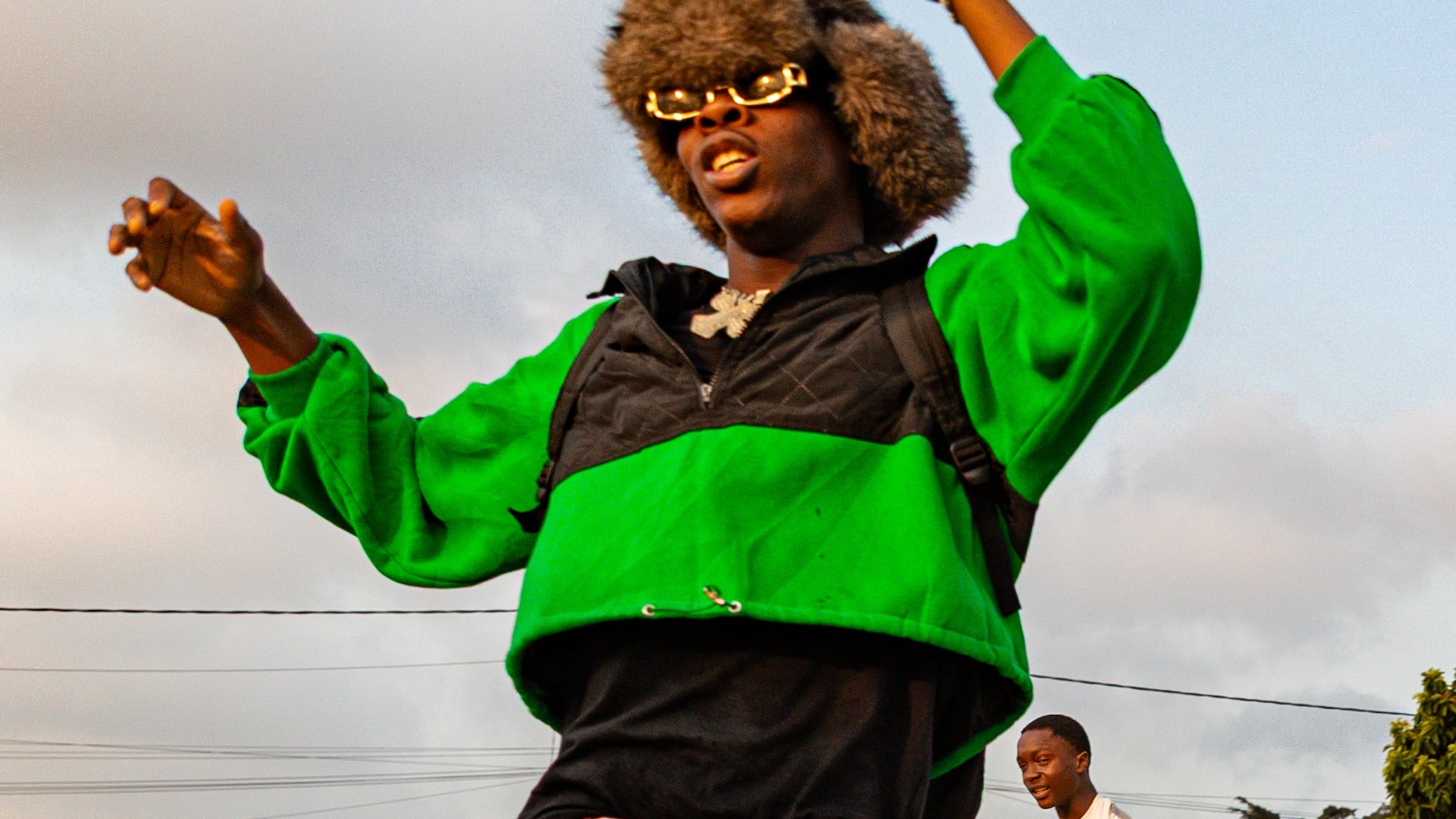
Under the 2026 theme ‘Building a Sustainable Ecosystem: Where Africa Trades Its SWAG’, creators and techies came together to discuss how to monetize Sound, Walk, Attire, and Grubs.[2][5] These four pillars capture how music, fashion, movement, and food drive African culture online. Importantly, student creators now plug into that ecosystem, from campus dance challenges to hostel cooking series.
Moreover, major festivals and conferences such as the African Creators Summit and the African Social Media Influencers Summit now feature young voices and student-focused panels.[1][2][9] Organizers emphasize that creators are not only entertainers but also key voices in innovation, development, and social change across the continent.[1][6] Consequently, when student creators share real stories of campus life, financial struggle, or academic success, they help shift global narratives about Africa in a more positive direction.[1][6]
Why brands and universities now follow student creators
- They reach highly engaged Gen Z and Gen Alpha audiences on campus.
- They create authentic, low-budget content that feels real, not scripted.
- They move trends fast: from new apps to local fashion labels and music releases.
- They test ideas quickly and collect feedback instantly through comments and DMs.
- They help universities and startups tell their stories through relatable faces.
Rising African Student Creators and Influencers to Watch
Because new creators emerge every week, no list can capture every name. However, across Africa, certain patterns stand out in who is rising and why. Instead of focusing on a single country, this snapshot looks at regional waves and the types of content that perform well.

Notably, award platforms such as the Africa Golden Awards now include categories for top young content creators.[4] Similarly, science, innovation, and robotics awards are adding student creator categories to spotlight learners building bold projects and documenting them online.[7] As you explore these trends, think about which space you fit into as a learner, professional, or brand.
1. The Study and Productivity Creators
Across Nigeria, Kenya, Ghana, South Africa, and beyond, student creators build channels around study tips and productivity. Moreover, they film ‘day in the life’ vlogs that show real commutes, crowded lecture halls, and late-night library sessions. Their content blends note-taking hacks, exam revision techniques, and mental health reminders.
Additionally, many link their routines to local realities: power cuts, shared devices, and balancing side hustles with school. They use simple setups like smartphones, natural light, and free editing apps. As a result, their audiences see journeys they can relate to, instead of polished, unreachable lifestyles.
If you enjoy campus vlogs or want motivation for exam season, this niche is for you. Furthermore, you can explore more youth and education stories through Topping Africa’s Education & Youth coverage. You will find stories that match the same energy and drive you see in these student creators.
2. The Tech, Coding, and Startup Storytellers
Across Africa, student developers and campus startup founders now treat content as part of their growth strategy. They share GitHub projects, hackathon recaps, and pitch-day highlights with short, sharp videos. Furthermore, they explain concepts like AI, fintech, and blockchain in clear, practical ways that help classmates and younger followers.
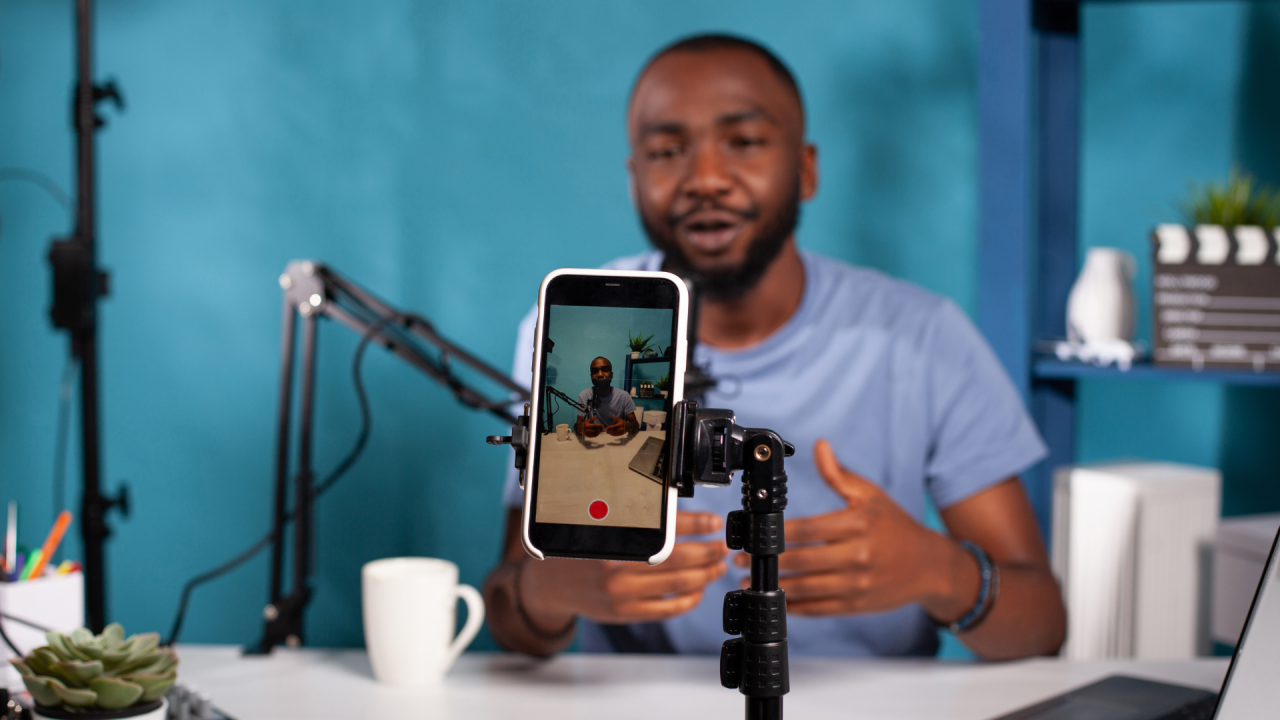
Recent reports on the African creator economy highlight how creators and techies now work together at major festivals and conferences.[3][5][9] At events like African Creators Summit, young founders learn how to turn technical skills and cultural stories into sustainable digital brands.[2][9] Importantly, student creators in this space often blend coding tutorials with honest reflections on failed exams, rejected funding, or product pivots.
If you follow African tech startups and digital innovation, these voices give you a raw, frontline view. Additionally, you can read more about Africa’s tech scene in Topping Africa’s Technology & Innovation and Business & Economy sections. Together, they show how student creators plug into wider trends in fintech, edtech, and the future of work.
3. The Fashion, Beauty, and Campus Lifestyle Influencers
On campuses from Dakar to Dar es Salaam, student style now travels through Reels and TikToks faster than any runway. Moreover, young creators share thrift-haul videos, hostel wardrobe tours, and budget styling challenges. They show how to remix local brands, market finds, and Ankara prints for lectures, presentations, and parties.
Additionally, student beauty creators break down skin care for different African skin tones and climates, from coastal humidity to Sahel heat. They test local African brands alongside global names and give honest feedback. As a result, they shape what classmates buy and what smaller fashion houses design next season.
If you care about how African fashion and beauty evolve on real bodies, not just catwalks, this niche is essential. Furthermore, you can explore more style stories via Topping Africa’s Culture & Lifestyle and Fashion-related features under Entertainment. These spaces highlight the same positive innovation that student influencers live every day.
4. The Music, Dance, and Comedy Creators on Campus
Many African student influencers first grow an audience through music, dance, or comedy that starts right on campus grounds. They turn hostel corridors, sports fields, and cafeterias into creative stages. Furthermore, they blend local slang, regional sounds, and pan-African trends into skits and performances that feel fresh.
Platforms such as TikTok and YouTube Shorts boost short-form performance content and help new voices break out quickly.[2][3] Additionally, creator festivals showcase Africa’s most innovative talents in music, movement, fashion, and food.[5][9] For student dancers and comedians, these events open the door to brand deals, artist collaborations, and even TV placements.
If you love discovering new African music and comedy, student-led pages are where trends often begin. Moreover, you can dive deeper into entertainment trends through Topping Africa’s Arts & Entertainment and Music sections. Explore more stories there to see how campus culture feeds into the broader entertainment landscape.
How Student Creators Use Platforms and Communities
To understand African student influencers, you also need to understand how they use different platforms. Each platform plays a distinct role: some for reach, some for depth, and some for revenue. Moreover, smart student creators rarely depend on one platform alone.
According to coverage of recent creator conferences, creators now think in terms of full ecosystems and revenue streams, not single posts.[2][3][9] They learn to manage multiple channels, use analytics, and partner with brands that match their values. Consequently, the most resilient student creators focus on building communities, not just chasing viral spikes.
Platform strategies that work for student influencers
- TikTok: Short, relatable clips about campus life, quick tips, and skits that spread fast among peers.
- Instagram: Reels and carousels for fashion, study aesthetics, and polished brand collaborations.
- YouTube: Longer vlogs, detailed tutorials, and in-depth conversations about careers, tech, or study abroad.
- LinkedIn: Professional storytelling around internships, scholarships, hackathons, and leadership roles.
- X (Twitter): Real-time commentary on campus issues, conference highlights, and industry news.
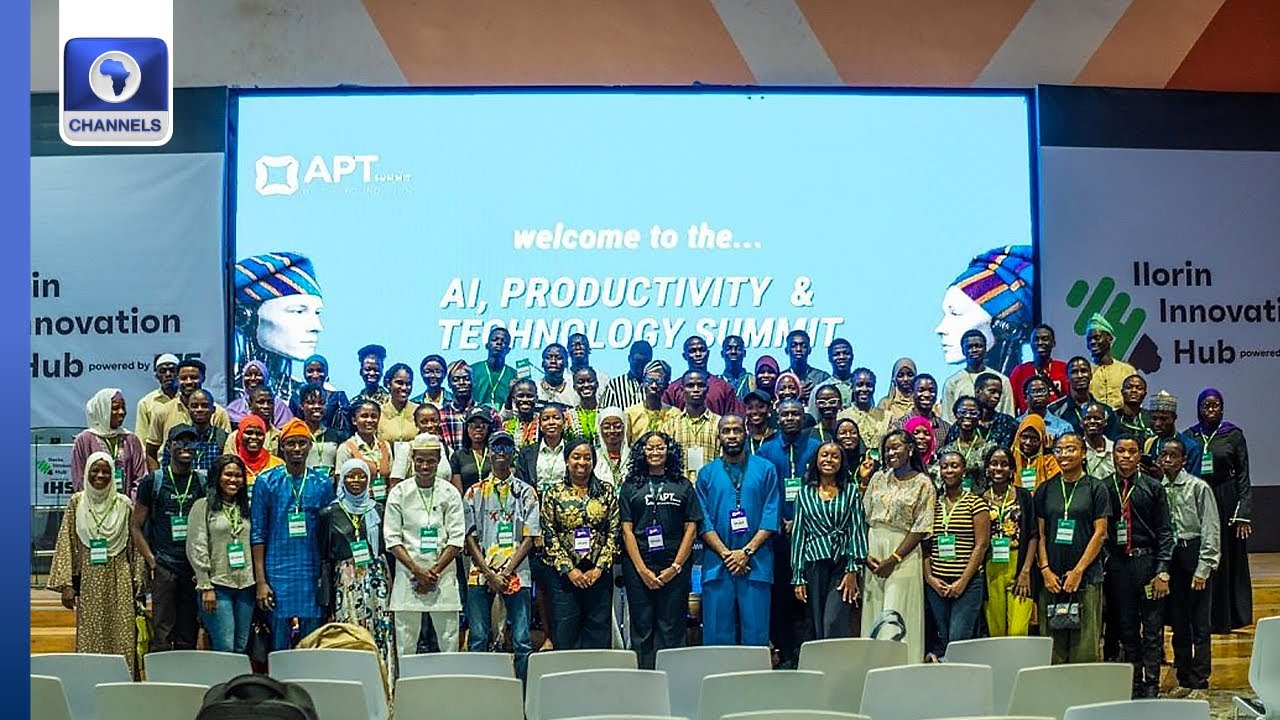
Additionally, offline communities matter. Influencer summits, creator bootcamps, and student innovation awards give young creators physical spaces to connect.[1][2][7][9] At events like the African Social Media Influencers Summit, organizers stress the role of collaboration and shared learning for the continent’s youth.[1][6] For student creators, this means they can move from ‘posting alone in a dorm room’ to joining a network of peers with similar ambitions.

Monetization: From Side Hustle to Serious Career
For many African student influencers, monetization is still a journey, not a guarantee. However, things are changing fast. Speakers at major summits now openly describe content creation as full-time work and encourage creators to treat it like building a small business.[2] This shift is especially important for students who balance classes with creator schedules.
Moreover, the growth of Africa’s digital payments and fintech solutions makes it easier for creators to receive income across borders.[3] Brand collaborations, platform revenue programs, and community support models all help young creators turn engagement into earnings. Consequently, more students now see a path to graduation with both a degree and a sustainable creative career.
Common income streams for African student influencers
- Brand partnerships with local fashion labels, tech startups, and education platforms.
- Affiliate marketing on books, software tools, or beauty products they genuinely use.
- Platform payouts from YouTube, TikTok, and other creator programs where available.
- Workshops and mentoring on study skills, content creation, or career planning.
- Freelance work in social media management, editing, or design for businesses on and off campus.
Additionally, research bodies and industry partners now publish detailed reports on the African creator economy, which can guide student decisions.[3] You can read insights from projects like the Africa Creator Economy Report via sources such as Africa Creator Economy or coverage by Africanews.[2][3] Read more about these trends to understand where your own content can fit and grow.
How You Can Support and Collaborate with Student Creators
If you are a fellow student, a brand, or part of a university team, you have a role to play in this ecosystem. Furthermore, supporting African student influencers does not always require huge budgets. It starts with everyday actions that recognize their work and respect their time.
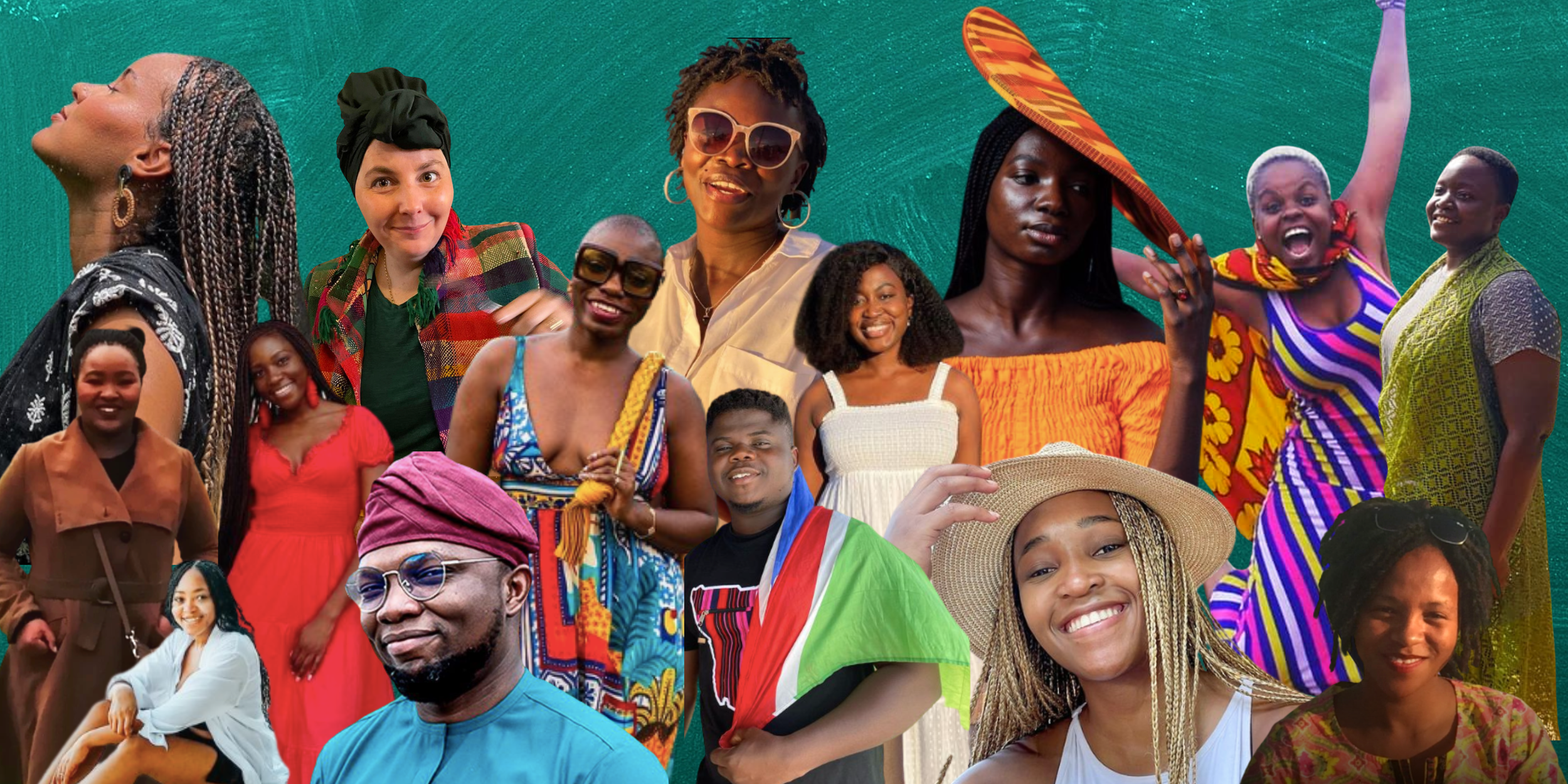
Practical ways to support rising student influencers
- Engage meaningfully: Comment, share, and save content that helps you or inspires your network.
- Pay fairly: If you represent a brand or campus organization, offer payment or clear value for collaborations.
- Offer opportunities: Invite creators to speak at events, host workshops, or mentor younger students.
- Credit their work: Tag them properly when you repost content or use their ideas.
- Create together: Suggest joint projects that blend your skills, from podcasts to live events.
Moreover, if you are a rising creator yourself, treat your journey like a marathon, not a sprint. Focus on consistency, clarity of niche, and honest relationships with your audience. Ultimately, your best asset is not a single viral video; it is a community that trusts your voice.
Explore More on Topping Africa
To stay ahead of the next wave of African student influencers, you need to keep an eye on the wider culture. Additionally, Topping Africa tracks the stories where education, tech, style, and entertainment all meet.
- Africa News – Follow how policy, connectivity, and innovation shape student life across the continent.
- Technology & Innovation – Discover how young coders and founders turn campus projects into real startups.
- Culture & Lifestyle – Explore more stories on fashion, music, and campus trends that drive influencer culture.
Additionally, you can explore more features, interviews, and data-driven pieces in our Opinion & Editorial and Business & Economy sections. These articles help you understand how today’s student creators could become tomorrow’s CEOs, media executives, or cultural icons.
Final Thoughts: Your Turn to Join the Story
African student influencers prove that you do not need perfect conditions to create powerful work. You need a clear message, a simple setup, and the courage to start. Furthermore, you need the patience to keep learning, posting, and improving as your audience grows.
If you are already creating, keep going and keep refining. If you are still watching from the sidelines, this year is a good time to post your first video, write your first thread, or share your first campus story. Ultimately, the next wave of African innovation, culture, and leadership will not only come from boardrooms; it will come from dorm rooms, libraries, and studio corners on campuses across the continent.
Share your thoughts on which student creators inspire you most, and tell us how campus life is shaping your own digital journey. Additionally, subscribe to Topping Africa updates so you never miss the next big name rising from Africa’s universities and colleges. Discover more, explore deeper, and add your voice to the story.

Staff
Contributing writer at Topping Africa.
0 Comments
No comments yet. Be the first to share your thoughts!