

Rhinos Return To Uganda’s Kidepo Valley After 43 Years In Major Wildlife Comeback
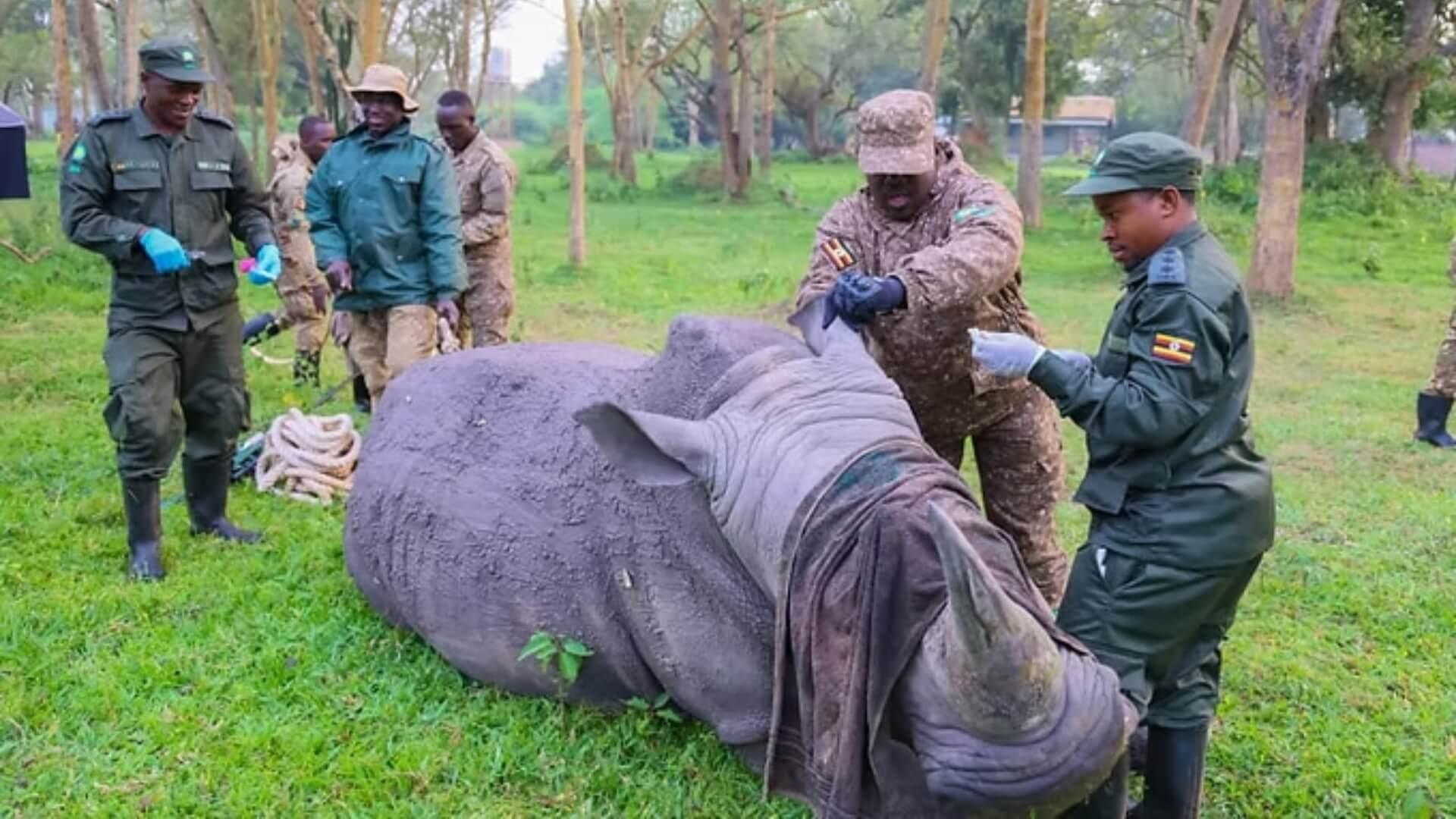
After years of silence, one of Africa's iconic animals is regaining its territory, bringing hope and a new era for conservation across the continent.
KIDEPO VALLEY NATIONAL PARK, Uganda — March 20, 2026
Rhinos have been reintroduced into Uganda’s Kidepo Valley National Park for the first time in more than four decades, marking a major milestone in the country’s long-term wildlife restoration strategy.
The return of the species—absent from the park since the early 1980s—signals a deliberate push by Ugandan conservation authorities to rebuild ecosystems once depleted by poaching and conflict. The relocation forms part of a broader national effort to re-establish viable rhino populations across protected areas.
Uganda’s wildlife authorities confirmed that the animals were transferred under controlled conditions, following years of breeding and protection efforts in secure conservation zones. The move is designed to gradually expand rhino presence beyond sanctuary environments into larger, natural habitats.
History is Made:
— Uganda Wildlife Authority (@ugwildlife) March 18, 2026
The Rhinos arrived safely in Kidepo Valley National Park.#RhinoConservation #RhinoTranslocation #ConservingForGenerations #ExploreUganda pic.twitter.com/iGOnaP0uwe
Kidepo Valley National Park, located in Uganda’s remote northeastern region near the borders with South Sudan and Kenya, is widely regarded as one of Africa’s most ecologically rich but under-visited reserves. The reintroduction of rhinos elevates its status within the continent’s premium wildlife destinations.
Conservation officials view the development as both ecological and economic. Restoring apex species like rhinos strengthens biodiversity, stabilizes ecosystems, and enhances tourism potential—an increasingly critical revenue stream for African economies investing in sustainable growth.
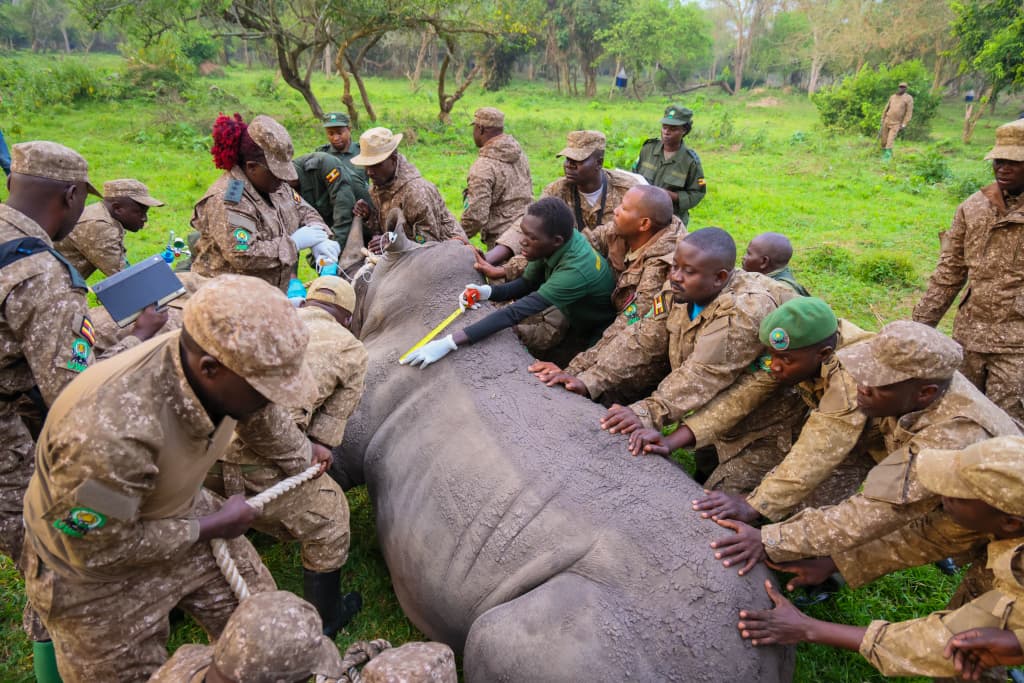
The reintroduction also reflects a broader continental shift. Across Africa, governments and conservation organizations are intensifying efforts to recover endangered species populations through cross-border collaboration, stricter anti-poaching enforcement, and community-based conservation models.
Uganda’s approach—starting with protected breeding programs before gradual rewilding—has been cited as a model for balancing species recovery with risk management. Officials indicate that monitoring systems and security infrastructure have been deployed to ensure the safety of the newly introduced animals.
What follows next will determine the long-term success of the initiative. Conservation teams are expected to closely track adaptation patterns, habitat integration, and reproduction rates, with future expansions dependent on stability within the park.
For Uganda, the return of rhinos to Kidepo is more than symbolic—it is a test case for whether Africa can sustainably reverse decades of wildlife decline while turning conservation into a driver of economic resilience.
Staff
Contributing writer at Topping Africa.
0 Comments
No comments yet. Be the first to share your thoughts!