

Namibia Rejects Starlink Licence Over Local Ownership Rules
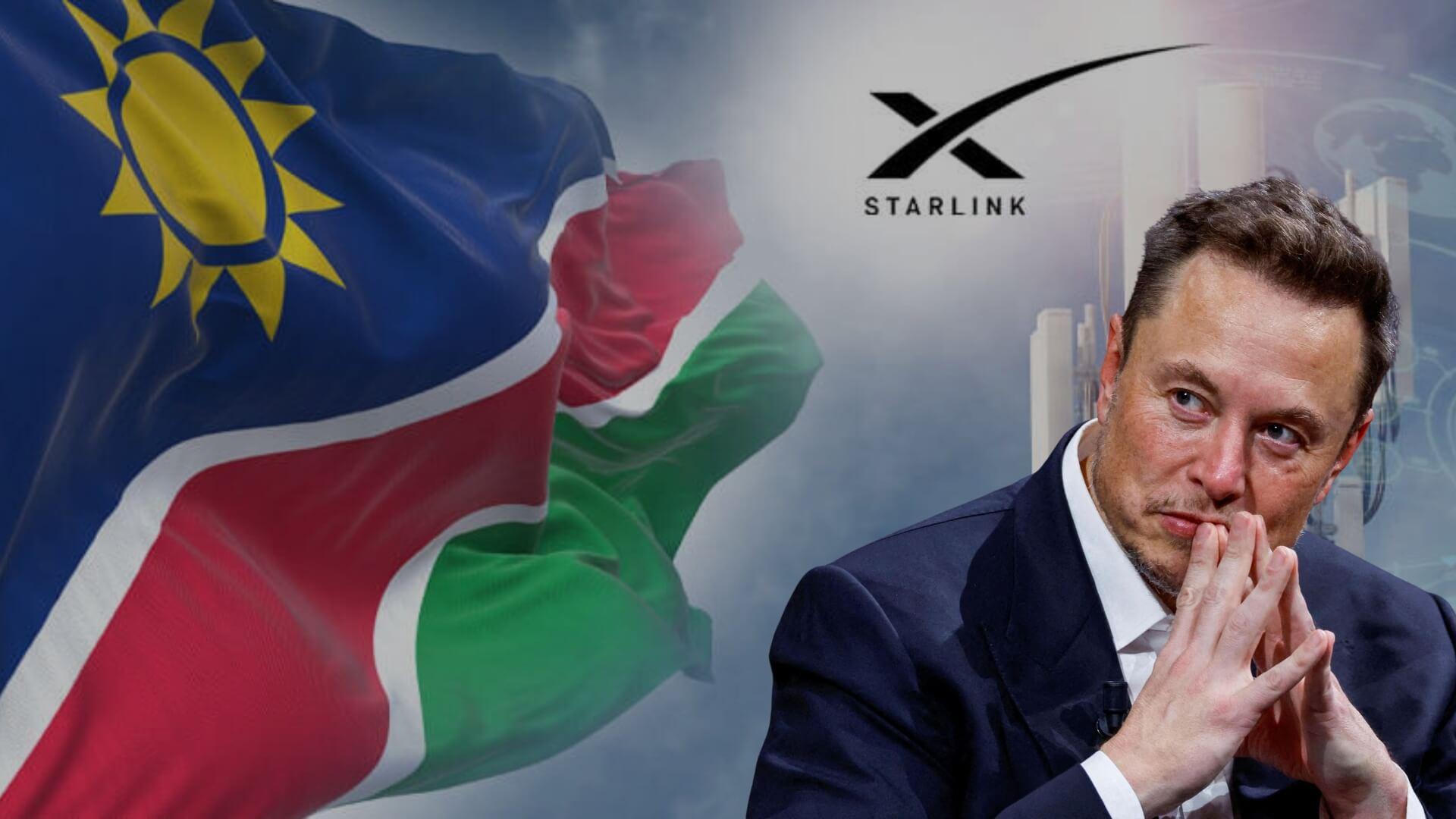
Africa’s digital future is no longer just about access—it’s about control. Namibia’s decision reflects a deeper push to ensure global tech expansion does not sideline local players or national interests.
WINDHOEK, Namibia — March 23, 2026
Namibia has rejected an application by SpaceX’s Starlink to operate in the country, dealing a fresh setback to the satellite internet provider’s expansion across Africa.
The Communications Regulatory Authority of Namibia (CRAN) confirmed that Starlink does not currently meet the country’s licensing requirements, effectively halting its entry into the Namibian market. The decision centers on regulatory compliance, including local ownership and operational conditions tied to telecommunications providers.
Authorities emphasized that all operators must adhere strictly to national laws, particularly those governing equity participation and licensing frameworks. Namibia maintains rules requiring a level of local ownership in telecom ventures—conditions Starlink has not fulfilled.
The rejection underscores a broader regulatory trend across Africa, where governments are tightening oversight on foreign tech firms seeking to operate critical digital infrastructure. While Starlink has secured approvals in several African countries, others are increasingly asserting control over market access, citing sovereignty, economic inclusion, and national security concerns.
For Namibia, the decision reflects a deliberate strategy to balance digital expansion with domestic participation in the telecom sector. Officials signaled that access to high-speed internet remains a priority, but must align with national policy frameworks.
Starlink, operated by Elon Musk’s SpaceX, has positioned itself as a solution for underserved and remote regions by delivering broadband via low-Earth orbit satellites. Its model bypasses traditional infrastructure, making it attractive in countries with limited fiber or mobile coverage.
However, regulators across the continent are grappling with how to integrate such technologies without undermining local industries or regulatory authority. Namibia’s move adds to a growing list of African markets where Starlink faces delays or conditions tied to compliance.
The company has not publicly confirmed whether it will revise its application to meet Namibia’s requirements.
As Africa accelerates its digital transformation, the tension between rapid connectivity and regulatory control is becoming a defining policy battleground.
Staff
Contributing writer at Topping Africa.
0 Comments
No comments yet. Be the first to share your thoughts!