

Kenya Grants Amnesty To Citizens Fighting In Russia-Ukraine War
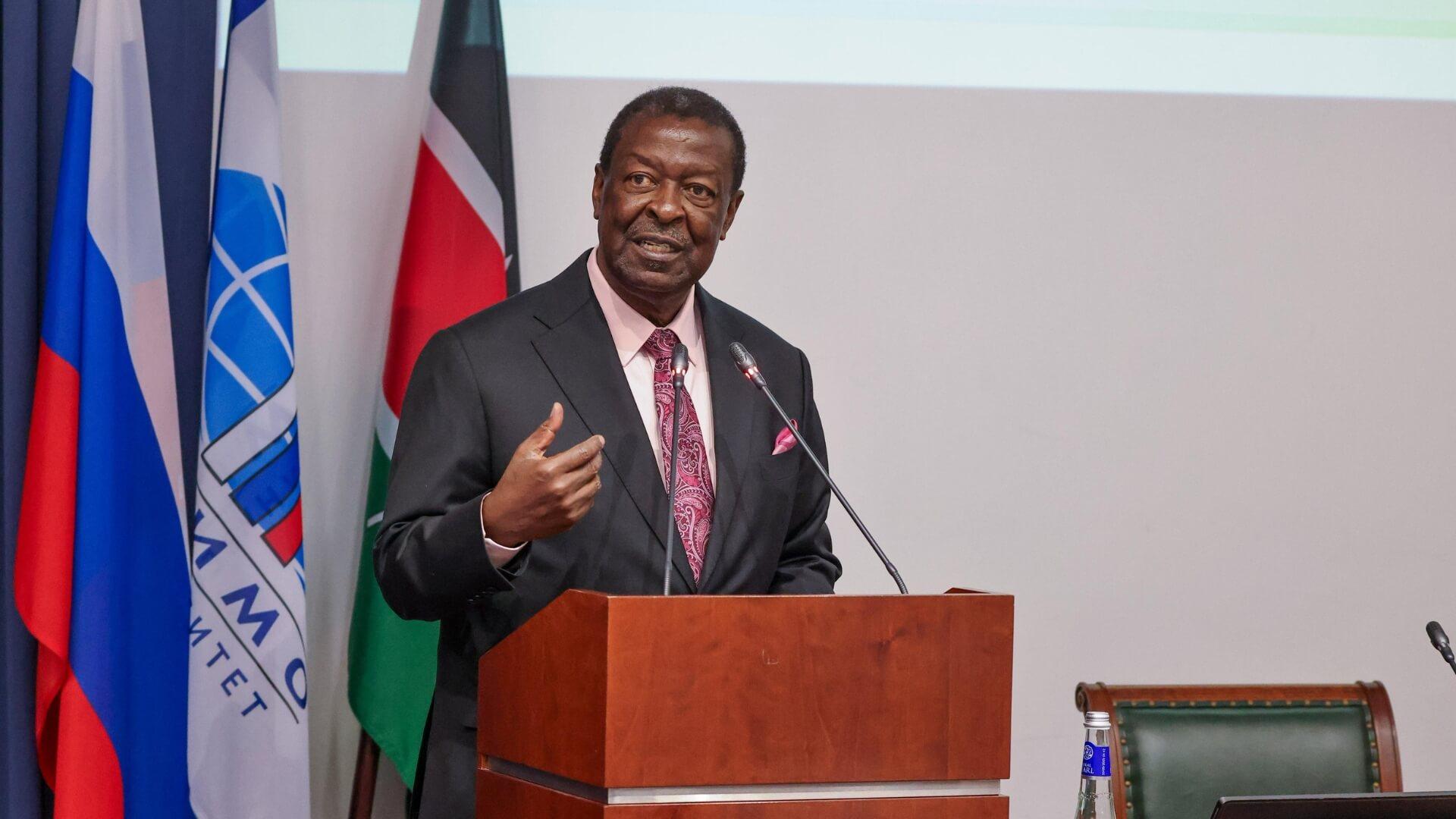
Behind the policy is a deeper reality—young Africans navigating economic pressure, global conflicts, and risky promises abroad. Kenya’s decision raises urgent questions about protection, responsibility, and what happens when distant wars become personal.
NAIROBI, Kenya — March 23, 2026
Kenya has announced an amnesty for its citizens who traveled abroad to fight in the Russia-Ukraine war, signaling a shift from punitive action to reintegration as the conflict’s global footprint extends into Africa.
Foreign Affairs Cabinet Secretary Musalia Mudavadi confirmed that Kenyan nationals involved in the war will not face prosecution upon return, provided they voluntarily surrender and cooperate with authorities. The move targets individuals who joined either side of the conflict, often through informal recruitment networks operating online.
The government framed the decision as both a humanitarian and security intervention, acknowledging that many recruits were misled or economically vulnerable when they left Kenya. Officials emphasized that the amnesty is conditional, requiring returnees to undergo screening and possible rehabilitation processes.
Kenya’s position reflects growing concern across African governments about citizens being drawn into foreign wars, particularly through private military channels and digital propaganda pipelines. The Russia-Ukraine conflict has increasingly pulled in foreign fighters globally, with limited oversight on recruitment practices.
Mudavadi indicated that the state’s priority is to “secure the safe return of Kenyans” while preventing future exploitation. Authorities are also expected to strengthen monitoring of cross-border recruitment and expand public awareness on the risks of foreign combat involvement.
Security analysts warn that returning fighters could present reintegration challenges, including trauma, radicalization risks, and skills acquired in combat environments. Kenya’s approach suggests an attempt to balance national security with social stabilization.
The policy places Kenya among a small but growing number of countries opting for structured amnesty frameworks instead of blanket criminalization for foreign fighters.
What remains unclear is the scale of Kenyan involvement in the war and how many citizens are expected to return under the program. The government has not released official figures.
As the war in Ukraine continues to reshape global alliances and security dynamics, African states are increasingly being forced to respond—not as distant observers, but as stakeholders managing its human and geopolitical fallout.
Staff
Contributing writer at Topping Africa.
0 Comments
No comments yet. Be the first to share your thoughts!