

Ivory Coast Cocoa Farmers Face 60% Price Cut at Start of Mid-Crop Season
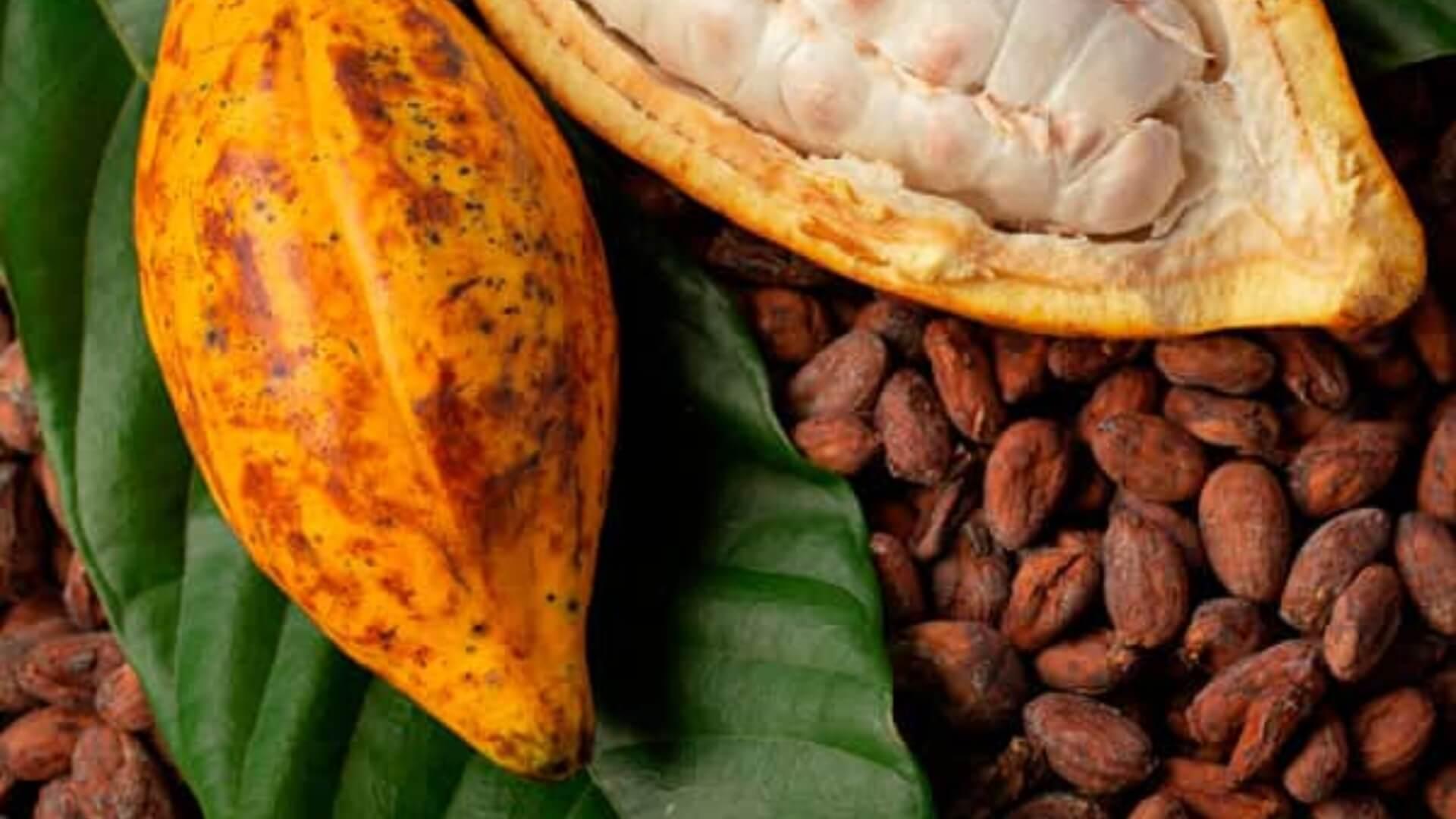
The world’s leading cocoa producer has lowered the price farmers will receive for the upcoming mid-crop harvest, highlighting the volatility of global commodity markets and the economic stakes for West African agriculture.
ABIDJAN, Ivory Coast — March 5, 2026
Updated: March 5, 2026 | 15:10 GMT
Cocoa farmers in the Ivory Coast will face a sharp reduction in the farmgate price for their cocoa during the upcoming mid-crop season, with authorities setting the purchasing price about 60 percent lower than the main harvest rate, according to government officials and international commodity reporting.
The Ivorian government announced that farmers will receive 750 CFA francs ($1.24) per kilogram for cocoa beans during the April–September mid-crop season, down from 1,500 CFA francs per kilogram paid during the main harvest that began in October, according to Reuters and statements from the country’s Coffee and Cocoa Council (Conseil du Café-Cacao).
Officials said the adjustment reflects seasonal differences in production and global market conditions. Ivory Coast, the world’s largest cocoa producer, sets farmgate prices twice a year through its regulated marketing system.
The Coffee and Cocoa Council said the mid-crop price is traditionally lower because yields are smaller and market volatility affects export contracts during that period. Government authorities maintain the pricing structure to stabilize farmer income while ensuring exporters remain competitive in global markets.
Reuters reported that the new mid-crop rate represents a roughly 60 percent drop compared with the main-crop guaranteed price, which farmers have received since the start of the 2025–2026 harvest season.
Ivory Coast produces around 2 million tonnes of cocoa annually, accounting for roughly 40 percent of global cocoa supply, according to the International Cocoa Organization (ICCO) and government data. Cocoa remains the country’s most important export commodity and a major source of income for millions of rural households.
Government officials have repeatedly said the regulated pricing system aims to shield farmers from sharp swings in global cocoa markets. The country typically guarantees producers about 60–70 percent of the expected export contract price through its farmgate pricing mechanism.
For West Africa, the policy has broader regional implications. Ivory Coast and neighboring Ghana together supply more than 60 percent of the world’s cocoa, making farmgate pricing decisions in the region influential for global chocolate supply chains and commodity markets.
Across Africa, cocoa exports represent a critical agricultural revenue stream and a key source of foreign exchange. Changes in pricing policies in the Ivory Coast can therefore affect farmer incomes, regional commodity flows, and agricultural policy discussions in other African cocoa-producing countries.
Authorities said the new mid-crop price will take effect at the start of the April 2026 cocoa marketing period.
Staff
Contributing writer at Topping Africa.
0 Comments
No comments yet. Be the first to share your thoughts!