
How African Wellness Influencers Are Redefining Holistic Living Online
African wellness influencers across TikTok, Instagram, and YouTube are redefining holistic living with culturally grounded fitness, nutrition, and mental health content. Discover how creators from West, East, and Southern Africa bridge global trends with local realities and why their impact matters for Africa’s wellness future.
How African Wellness Influencers Are Redefining Holistic Living Online
Across TikTok, Instagram, and YouTube, African wellness influencers are changing how you think about health, self-care, and community. Moreover, they are building a new digital culture where fitness, food, mental health, and spirituality feel rooted in African realities rather than imported from Western trends. Consequently, you now see creators mixing indigenous healing, modern science, and smart technology to offer holistic living you can actually apply in your daily life. Ultimately, this shift is turning wellness into a powerful space for African innovation, storytelling, and influence.
The Rise of African Wellness Influencers and a Global Wellness Boom
Globally, wellness is now a multi-trillion-dollar economy, and Africa is part of that rise. According to the Global Wellness Institute, the worldwide wellness market reached $6.8 trillion in 2024 and is set to grow strongly through 2029Global Wellness Institute[7]. Furthermore, regions that include North Africa are among the fastest-growing wellness economies, highlighting how important health and self-care have become. As a result, brands, startups, and creators are paying close attention to the wellness space, especially in digital communities.
However, many mainstream trends still focus on Western lifestyles and products that do not fully match African daily life. Fibermaxxing, sauna clubs, and high-end biohacking tools dominate many global conversationsWho What Wear[3]. Meanwhile, African audiences often want content that reflects local diets, cultural beliefs, economic realities, and community structures. Therefore, the rise of African wellness influencers fills a crucial gap, bringing relatable, culturally grounded guidance that fits your reality.
In addition, wellness trends in 2026 are moving toward holistic, science-backed, and highly personalized practices, from gut health and mental fitness to community-based routinesDr. Axe[4]. Importantly, African creators are translating these ideas into formats that make sense for African cities, townships, and rural communities. They show how to embrace longevity, nervous system health, and slow beauty while respecting African traditions, budgets, and social norms.
Key Trends Shaping African Holistic Living Online
To understand how African wellness influencers are redefining holistic living, you need to look at the trends they are tapping into and transforming. Moreover, these trends show up across short-form video, live streams, newsletters, and even paid communities. Consequently, they offer a blueprint for how you can build your own healthier routine that still feels authentically African.
1. African Botanicals and Ancestral Wisdom Go Mainstream
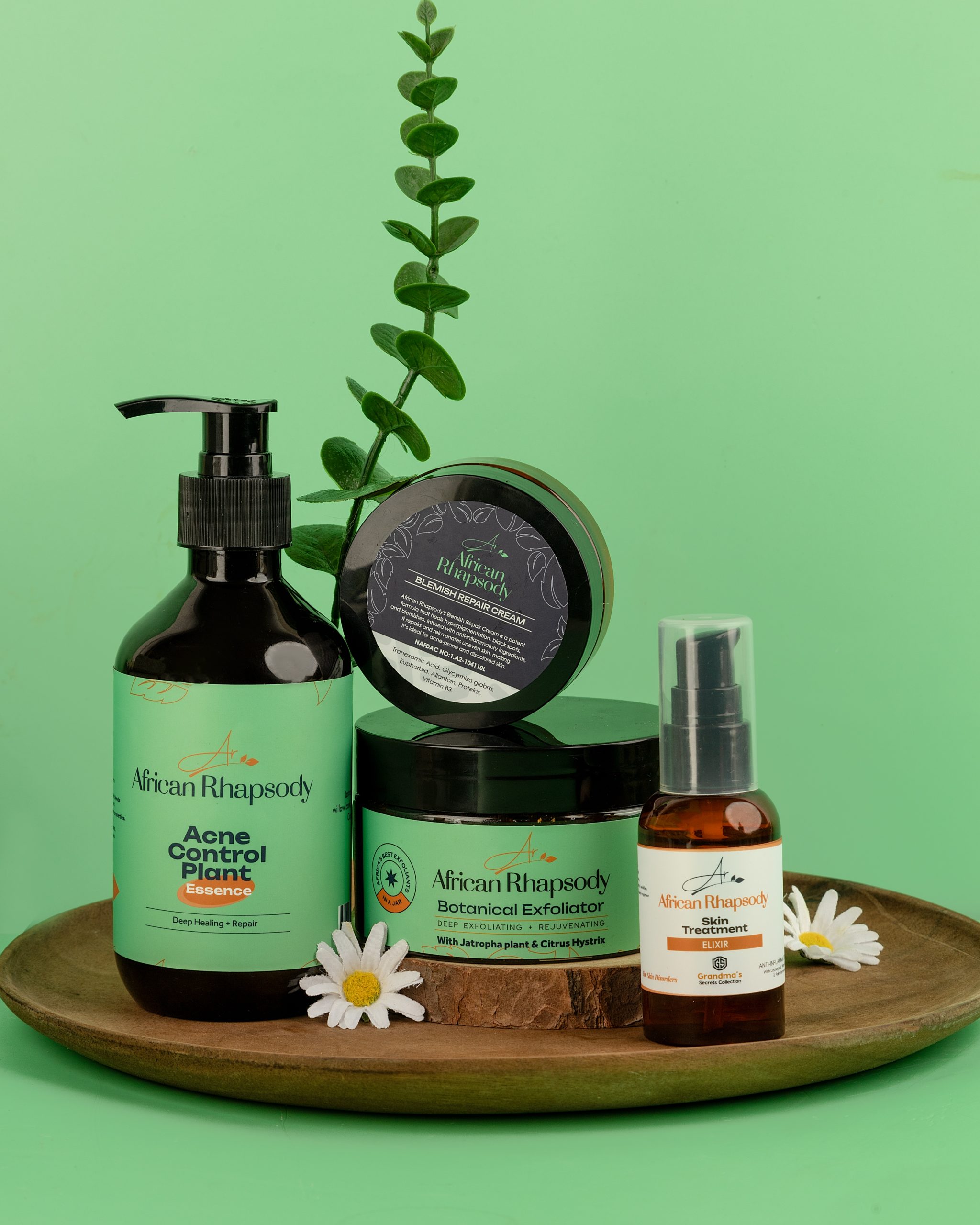
Across South Africa and beyond, wellness brands and creators are spotlighting African botanicals like marula, baobab, rooibos, and African potato as powerful ingredients for skin, immunity, and longevityHealing Earth Global[1]. Furthermore, content creators break down the science behind these plants while honoring traditional healers and indigenous practices. For instance, many Instagram reels now show you how to brew rooibos for stress relief or use baobab powder in smoothies without falling into cultural appropriation.
Additionally, there is a strong move toward cultural appreciation and collaboration in wellness spacesHealing Earth Global[1]. African creators partner with herbalists, nutritionists, and dermatologists to explain why indigenous remedies work and how to use them safely. Consequently, you see more ethical storytelling, better sourcing, and deeper respect for African knowledge systems in online content. Ultimately, this helps shift global wellness narratives away from tokenism and toward genuine African leadership.
2. Mental Fitness and Community Wellness Take Center Stage
Beyond physical health, mental fitness and emotional resilience are now core parts of wellness worldwideWho What Wear[3]. African creators are embracing this by hosting live mental health check-ins, sharing therapy journeys, and normalizing conversations around anxiety, burnout, and trauma. Moreover, many do this in local languages or with cultural references that make the topic less intimidating and more relatable.
In addition, community wellness is a major trend, with group-based experiences like walking clubs, shared cooking sessions, and digital support circles becoming more commonDr. Axe[4]. On African social media, you now find creators organizing virtual breathwork sessions, WhatsApp accountability groups, and community fitness challenges that you can join from anywhere. Therefore, wellness is no longer a solo journey; it becomes a shared experience that strengthens social bonds and local support systems.
Importantly, this focus on mental health and community directly addresses rising stress in African cities, fast-paced work cultures, and economic uncertainty. Consequently, influencers who speak openly about therapy, boundaries, and nervous system care are transforming how you think about strength and vulnerability. Ultimately, they are turning holistic living into a tool for both personal healing and collective resilience.
3. Technology, Data, and Accessible Self-Tracking
Globally, wellness is becoming more personal and data-driven, with biomarker-based nutrition and AI wellness tools shaping new habitsDr. Axe[4]. However, African wellness creators often adapt these ideas to suit different budget levels and tech access. Many explain how to use affordable wearables, free sleep-tracking apps, or simple tools like step counters to improve your health without expensive subscriptions.
Furthermore, they focus on fundamental habits like consistent sleep, sunlight exposure, movement, and stress management before pushing advanced biohacks. For instance, content about circadian rhythms and morning light is reframed for people living in dense urban areas or working night shiftsHealing Earth Global[1]. Consequently, technology becomes a support tool, not the center of wellness culture.
Moreover, this data-informed approach connects strongly with Africa’s growing tech ecosystem. African startups are building health apps, teletherapy platforms, and community fitness solutions that influencers help promote and test. Therefore, wellness and African tech startups increasingly overlap, creating fresh opportunities for collaboration, brand partnerships, and impact-driven innovation.
7 African Wellness Influencers Redefining Holistic Living Online
To see how these trends play out in real time, it helps to look at specific creators. Importantly, each of these African wellness influencers offers a different perspective on holistic living, but together they showcase a powerful continental shift. Moreover, they represent West, East, and Southern Africa and span nutrition, fitness, mental health, and lifestyle content.
Notably, many of the names below collaborate with brands, startups, and health experts, making them central to modern influencer culture. Consequently, if you work in wellness, technology, or lifestyle content, you should keep an eye on them and learn from their approach. Explore more creators like these in our Health & Wellness and Culture & Lifestyle sections.
1. Dr. Nandipha Sekeleni – South Africa’s Everyday Holistic Doctor
Dr. Nandipha Sekeleni, a South African medical doctor and digital creator, uses Instagram and TikTok to break down complex health topics into simple, culturally aware tips. Moreover, she speaks directly to young African women juggling careers, family, and self-care, making health information feel less intimidating and more doable. She covers mental health, nutrition basics, and lifestyle medicine, often pairing medical science with grounded advice on rest, boundaries, and community support.
Furthermore, her content often connects physical health with emotional wellbeing, emphasizing stress management and sleep hygiene as key pillars of holistic living. In addition, she demystifies common conditions like hypertension and diabetes, which strongly affect African communities, by offering practical daily habits instead of fear-based messages. Consequently, her feed feels like a trusted clinic visit and a motivational talk all in one.
Ultimately, Dr. Sekeleni embodies how African wellness influencers can blend formal medical training with influencer culture. She collaborates with local brands, participates in health campaigns, and uses reels to bring clinic-level knowledge into your daily scroll. Read more about creators shaping public health conversations in our Africa News and Opinion & Editorial sections.
2. Mombasa Dawa – Kenyan Creator Bridging Herbal Traditions and Modern Wellness
From Kenya’s coastal city of Mombasa, the creator known as Mombasa Dawa uses social platforms to share herbal remedies, traditional teas, and natural lifestyle tips rooted in Swahili culture. Additionally, she explains the benefits of ginger, cloves, hibiscus, and local herbs for digestion, immunity, and stress relief in a friendly, step-by-step style. As a result, you get easy home recipes that feel familiar yet thoughtfully explained.
Moreover, she often mixes storytelling with education, weaving in family memories and local market scenes to show how wellness lives in everyday African routines. For instance, videos on brewing dawa tea for colds also touch on community care, shared meals, and respect for elders’ knowledge. Therefore, her content does more than teach you what to drink; it shows how wellness is part of culture, not a separate trend.
Importantly, Mombasa Dawa’s focus on herbal remedies connects strongly to the global spotlight on African botanicals and slow beautyHealing Earth Global[1]. Consequently, she helps position East African herbal wisdom as a respected part of global wellness conversations, not just a niche curiosity. Discover more culturally rooted lifestyle stories in our Culture & Lifestyle section.
3. Dr. Githinji Gitahi – East African Voice on Public Health and Mental Resilience
Dr. Githinji Gitahi, a Kenyan public health leader, often uses social media and public platforms to discuss health systems, prevention, and mental resilience across East Africa. Furthermore, his online presence blends policy insight with practical guidance, encouraging everyday people to take charge of their health while understanding bigger social determinants. He frequently highlights how community structures and social support shape wellbeing, especially in rapidly urbanizing African cities.
Additionally, his commentary touches on mental fitness and the importance of emotional regulation tools, echoing global trends where stress management and nervous system health become centralWho What Wear[3]. Consequently, followers get a mix of macro perspective and micro advice, learning how personal habits connect to wider health systems. Ultimately, this helps you see holistic living not just as yoga and smoothies, but as informed citizenship and community empowerment.
Importantly, his work also shows how expert voices can thrive within influencer culture without losing credibility. Therefore, he sets a strong example for African doctors, psychologists, and researchers who want to use digital platforms to reach wider audiences.
4. Fitness Bae – Botswana’s Body-Positive, Community Fitness Leader
Fitness Bae, a wellness and fitness creator from Botswana, runs workouts, challenges, and body-positive conversations across Instagram and TikTok. Moreover, she encourages African women to embrace strength, joy, and confidence over narrow beauty ideals. Her content features home-friendly workouts, community events, and honest conversations about self-image and consistency.
Furthermore, she embodies the global trend of community-based fitness, where group sessions, walking clubs, and accountability circles help people stick to their goalsDr. Axe[4]. In addition, she highlights local music, food, and social life, making exercise feel like a natural extension of African lifestyle rather than a separate gym culture. Consequently, her followers see wellness as something that fits into daily life, not something that demands expensive equipment or elite spaces.
Notably, Fitness Bae also collaborates with brands and wellness events, showing how African content creators can build sustainable businesses around fitness and self-care. Ultimately, she reflects the growing power of African wellness influencers to shift body narratives and create inclusive spaces online.
5. Dr. Chinasa Amadi – Nigerian Nutrition Educator Translating Science into Everyday Meals
Dr. Chinasa Amadi, a Nigerian nutrition educator, focuses on turning complex food science into simple advice for local diets. Moreover, her content helps you understand gut health, balanced plates, and portion control using familiar Nigerian staples like rice, beans, plantain, and soups. She frequently addresses myths about weight loss, detox teas, and crash diets, giving evidence-based guidance instead.
Additionally, her videos align closely with global trends that center gut health and fiber-rich diets as key wellness prioritiesWho What Wear[3]. However, she adapts these concepts for Nigerian realities, showing you how to get enough fiber and diversity without pricey imported products. Consequently, her advice feels both aspirational and grounded in actual supermarket and market options.
Importantly, her work demonstrates how African experts can lead in nutrition communication, making the continent a source of innovative food education rather than just a target market. Read more about food, startups, and lifestyle trends in our Business & Economy and Health & Wellness sections.
6. Shona Vertue – Zimbabwean-British Trainer Bringing African Perspective to Global Fitness
Shona Vertue, a Zimbabwean-British personal trainer and wellness creator, is widely known online for her blend of strength training, mobility work, and mindfulness. Furthermore, her popular Vertue Method and global audience give her significant influence over fitness conversations. While she operates from London, her heritage and storytelling often highlight African roots and diverse approaches to movement.
Additionally, she champions a holistic view of fitness that includes mental health, rest, and sustainable training, aligning with global trends that move beyond quick fixes and intense challengesInfluencity[10]. Consequently, many African followers see her as a bridge between Western wellness industries and African identities. She shows that global fitness can still honor cultural background and personal history.
Ultimately, including creators like Shona Vertue in the conversation underscores how African wellness influence is not limited to the continent. Therefore, African-born and African-descendant creators shape wellness narratives worldwide, adding nuance and diversity to mainstream conversations.
7. Naledi M – South African Content Creator Championing Nervous System Health
Naledi M, a South African lifestyle and wellness creator, focuses on nervous system regulation, stress relief, and gentle self-care routines. Moreover, her content draws from global trends that emphasize emotional resilience and nervous system training as core wellness toolsWho What Wear[3]. She shares simple practices like breathwork, daily walks, digital detox evenings, and grounding exercises that fit busy urban lives.
Additionally, she often speaks openly about burnout, anxiety, and the pressure of hustle culture, making her feed a safe space for honest reflection. Her reels mix science-backed explanations with warm storytelling, helping you understand why certain habits calm your body and mind. Consequently, followers learn to respect rest and recovery as much as productivity and ambition.
Importantly, Naledi’s work resonates strongly with young professionals and creatives navigating fast-paced African cities. Ultimately, she shows how African wellness influencers can lead conversations about sustainable success, mental health, and long-term thriving, not just short-term glow-ups.
How African Wellness Influencers Bridge Western Trends and African Realities
Now that you have met some leading creators, it is worth exploring how they collectively bridge Western wellness trends with African realities. Moreover, this bridge is what makes their content so powerful and shareable. Consequently, it also explains why brands and startups increasingly partner with them instead of copying foreign playbooks.
Localized Nutrition That Honors African Food Cultures
Western wellness often spotlights matcha, kale, and salmon as superfoods. However, African creators flip this narrative by highlighting indigenous staples like millet, sorghum, moringa, amaranth, and local fruits. They show you how to build balanced plates with what you already find in African markets, making gut health and longevity accessible rather than exclusive.
Furthermore, they address the reality of food prices, informal markets, and limited access to imported goods. For instance, instead of recommending expensive supplements, many creators suggest affordable fiber sources and fermented foods that fit African kitchensWho What Wear[3]. Consequently, nutrition advice becomes realistic, respectful, and grounded in local food culture.
In addition, this localized approach protects African culinary traditions from being overshadowed by global diet trends. Ultimately, it turns African cuisine into a wellness asset, not something people need to escape to be healthy.
Culturally Sensitive Mental Health Conversations
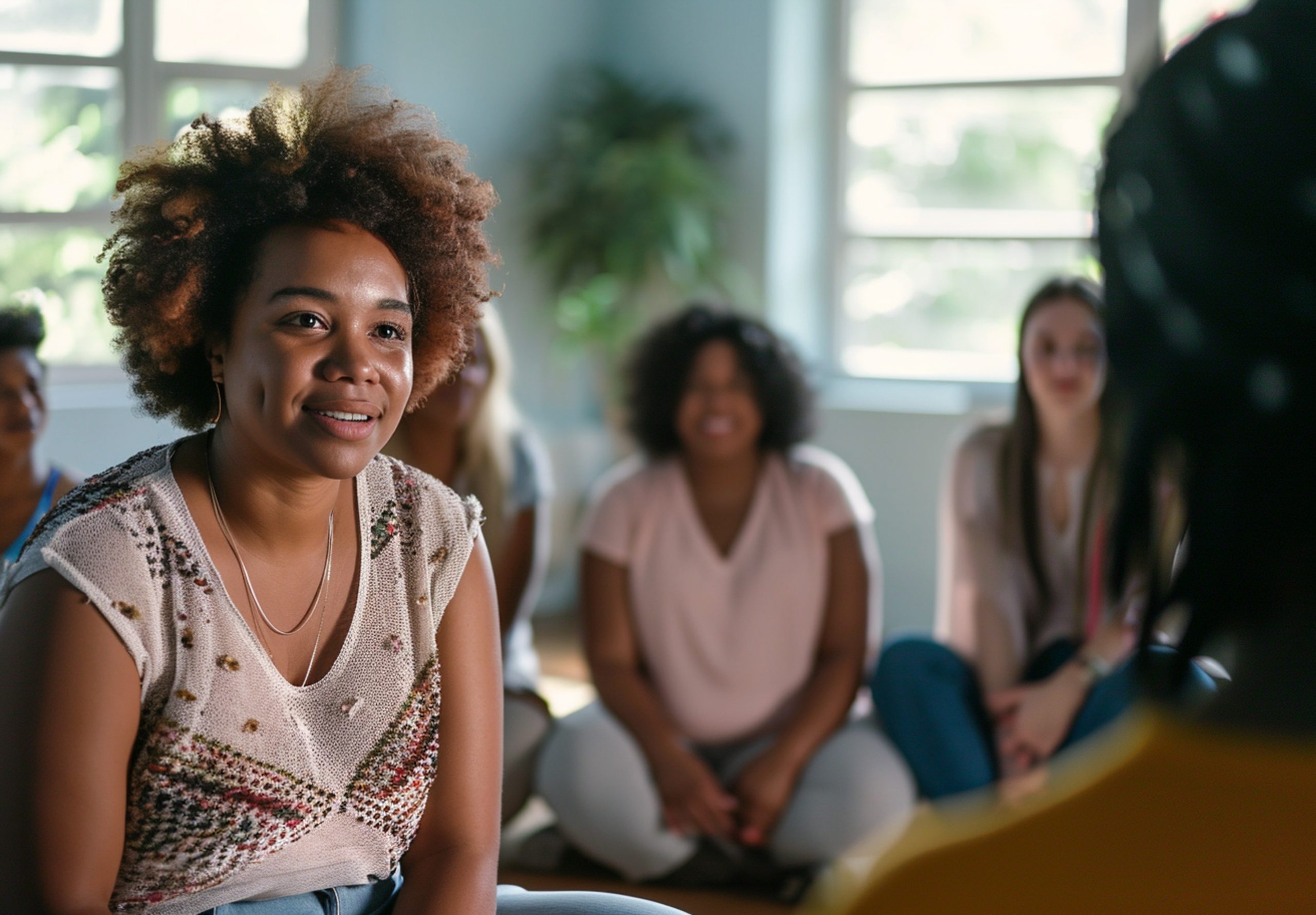
Talking openly about mental health can still feel taboo in many communities. Nevertheless, African wellness creators use humor, storytelling, and shared experiences to break down stigma. They host live sessions, Q&As, and panel discussions that address therapy, depression, and emotional regulation in culturally sensitive ways, often using local languages or relatable memes.
Moreover, they connect mental health to everyday stressors like job insecurity, family expectations, urban noise, and social media pressure. This makes mental fitness feel relevant instead of distant or overly clinicalDr. Axe[4]. Consequently, more followers feel empowered to seek help, try tools like journaling or breathwork, and support friends and family.
Importantly, these conversations often emphasize community care, not just individual self-care. Therefore, holistic living becomes a shared responsibility and a chance to rebuild social trust and connection.
Accessible Fitness for Real African Environments
Many Western fitness trends focus on boutique studios and advanced equipment. However, African creators know that most people work out in living rooms, small yards, streets, and public spaces. They design routines that use bodyweight, household items, or simple gear, making movement possible even in tight spaces or crowded cities.
Furthermore, they incorporate local music, dance moves, and sports culture, turning workouts into celebrations of African creativity. This aligns with broader trends where wellness becomes social, fun, and community-based, not just intense solo trainingDr. Axe[4]. Consequently, fitness content feels inclusive and joyful, attracting people who might otherwise avoid exercise.
Ultimately, this approach also opens doors for African sports influencers and dancers to join the wellness space, blurring lines between entertainment, health, and culture. Explore more crossover stories in our Entertainment and Sports sections.
Opportunities for Brands, Startups, and Creators in African Wellness
If you are a brand, startup founder, or content creator, this new wave of African wellness influencers offers major opportunities. Moreover, the wellness economy’s rapid growth means early movers can build strong communities and impactful productsGlobal Wellness Institute[7]. Consequently, you should think strategically about how to collaborate and innovate.
Partnering Authentically With African Wellness Creators
Brands that succeed in wellness do more than sponsor posts; they co-create meaningful content. Therefore, you should partner with influencers who genuinely use and believe in your product or service. In addition, you need to respect cultural context, price sensitivity, and local health realities instead of copying Western campaign templatesInfluencity[10].
Moreover, consider long-term collaborations that include education series, community events, and feedback loops. For instance, a wellness app could work with African creators to run monthly challenges, gather user insights, and adapt features for local needs. Consequently, your brand becomes part of the ecosystem, not an outsider trying to sell quick fixes.
Ultimately, authentic partnership builds trust, loyalty, and word-of-mouth growth, especially in tight-knit African online communities.
Building African Tech Startups That Power Holistic Living
African tech startups now play a key role in making wellness accessible. Furthermore, founders are developing apps for home workouts, symptom tracking, mental health support, and nutrition advice tailored to local languages and data. When these tools integrate smoothly with influencer content, they create powerful ecosystems where users can learn, act, and track progress in one flow.
Additionally, startups can explore partnerships with clinics, gyms, therapists, and herbal brands to build end-to-end solutions for holistic living. For instance, a platform might combine teletherapy, group breathwork sessions, and personalized exercise plans guided by creators. Consequently, you can scale high-quality wellness guidance across borders and income levels.
Importantly, this space also invites positive African innovation, where health solutions are designed in and for Africa rather than imported and adapted later. Discover more innovation stories in our Technology and Business & Economy sections.
Actionable Steps If You Want to Join the Movement
If you are inspired by these African wellness influencers, you can start shaping the future of holistic living today. Moreover, you do not need expensive gear or perfect routines to begin. Consequently, small, consistent actions matter more than big, short-lived changes.
- Audit your content diet: Follow at least three African wellness creators who speak to your reality.
- Start one daily ritual: Add a short walk, mindfulness habit, or simple breathing exercise to your day.
- Localize your meals: Use African staples to build balanced plates, focusing on fiber, variety, and whole foods.
- Join a community: Participate in an online challenge, group chat, or live session to stay accountable.
- Share your journey: Post about your progress and invite friends to join, helping normalize holistic living.
Additionally, if you are a creator or founder, start testing wellness ideas in your content or product roadmap. Explore more success stories and insights in Spotlight and Features & Opinions on Topping Africa.
Explore More on Topping Africa
Now that you have seen how African wellness influencers are redefining holistic living, you can dive deeper into related topics across our platform. Moreover, these sections highlight the wider ecosystem of African creativity, tech, and lifestyle shaping the continent’s future.
- Health & Wellness – Discover more stories on fitness, nutrition, mental health, and self-care across Africa.
- Culture & Lifestyle – Explore how everyday habits, traditions, and trends shape African ways of living well.
- Technology & Innovation – Read more about African startups and digital tools transforming wellness and beyond.
Furthermore, you can explore creator profiles, opinion pieces, and trend analysis to stay ahead of the next wave of African wellness content. Ultimately, your engagement helps amplify positive African innovation and support the creators redefining holistic living online.
Conclusion: The Future of Holistic Living Is Authentically African
African wellness influencers are no longer just part of the global wellness conversation; they are helping lead it. Moreover, they show that true holistic living must respect culture, community, and everyday realities. By blending indigenous knowledge, modern science, technology, and powerful storytelling, they create content that feels both aspirational and achievable.
Consequently, if you care about health, creativity, or innovation in Africa, you cannot ignore this movement. You should follow these creators, learn from their approaches, and support the ecosystems they are building. Additionally, brands, startups, and media platforms that partner respectfully with them will help shape a healthier, more empowered continent.
Ultimately, holistic living in Africa is being rewritten in real time on your feed. Read more, discover new creators, and share your thoughts by leaving a comment on Topping Africa. Your next scroll could be the start of a new, more grounded wellness journey.

Staff
Contributing writer at Topping Africa.
0 Comments
No comments yet. Be the first to share your thoughts!