How African Wellness Influencers Are Redefining Health on TikTok and Instagram
African wellness influencers on TikTok and Instagram are redefining health for a new generation. From Lagos to Nairobi and Accra to Johannesburg, creators blend science, culture and technology to deliver fitness, mental health, nutrition and body positivity content tailored to real African lives.
How African Wellness Influencers Are Redefining Health on TikTok and Instagram
You are watching a new wave of African wellness influencers transform how the continent thinks about health. On TikTok and Instagram, short, sharp videos now shape how people move, eat, rest, and heal. Moreover, these creators speak directly to African realities — from load-shedding and small apartments to tight budgets and cultural expectations.
Consequently, wellness content is no longer an imported trend. Instead, African fitness trainers, therapists, nutrition coaches and yogis now lead the conversation. Furthermore, they mix science-based advice with local wisdom, ancestral practices and modern tech tools. As a result, you get wellness guidance that feels practical, culturally rooted and deeply relatable.
The Rise of African Wellness Influencers on Social Media
Across the continent, interest in health and wellness content is exploding on TikTok and Instagram. According to recent platform insights, wellness sits among the fastest-growing short-form video categories globally, with African creators gaining steady traction.[5][8] In particular, you see big engagement around fitness challenges, meal prep, mental health check-ins and body positivity series.
Importantly, this growth taps into wider lifestyle shifts in Africa. Urbanisation, long commutes and hybrid work push many young professionals to look for simple, at-home wellness routines. Additionally, rising data access and cheaper smartphones mean more people scroll TikTok or Instagram Reels for quick workouts and stress relief tips. Meanwhile, local creators show you how to adapt these routines to African conditions, not foreign gym fantasies.
For brands and startups in wellness, this shift matters. Moreover, African tech companies now build fitness apps, telehealth platforms and mental health services that collaborate with influencers. In many ways, African wellness influencers act as the bridge between cutting-edge digital health tools and everyday users who need plain-language, visual guidance.
What Makes African Wellness Influencers Different?
On the surface, wellness content may look similar worldwide: workout clips, smoothie recipes, and self-care routines. However, African creators often stand out in how they localise advice for real-life conditions. They talk about eating healthy on a tight budget, training during load-shedding, and working out in tiny shared spaces. Consequently, they speak your language — literally and culturally.
Furthermore, many top creators proudly blend modern fitness with African traditions. You will see amapiano or Afrobeats dance cardio, indigenous herbs in recovery routines, or proverbs used to encourage mental resilience. In addition, they feature local foods like plantain, ugali, pap, sorghum, and indigenous greens instead of only Western superfoods. Therefore, wellness stops feeling imported and becomes part of African daily life.
Notably, credibility also looks different here. Instead of only chasing six-pack aesthetics, many African wellness leaders share professional backgrounds or personal transformation journeys. Some are certified trainers or nutritionists; others document their own path from burnout, chronic illness or postpartum recovery. Ultimately, that mix of professional insight and lived experience builds trust.
Key traits of leading African wellness influencers
- Local context: They adapt workouts, meals and routines to African cities, incomes and living spaces.
- Cultural pride: They highlight African music, foods, fabrics and languages in their content.
- Holistic focus: They integrate mental health, community support and rest, not just aesthetics.
- Science plus story: They balance evidence-based tips with personal narratives and motivation.
- Digital fluency: They use TikTok trends, Reels edits and analytics to reach the right audiences.
Case Study: Nigerian Wellness Creators Owning the Feed
Nigeria’s creator economy is one of Africa’s most dynamic, and wellness is now part of that story. From Lagos to Abuja, trainers and therapists use short-form video to share realistic health routines that fit busy, high-pressure lives. Additionally, they often link wellness with productivity, entrepreneurship and hustle culture, which resonates with young professionals.
For instance, you will find Lagos-based trainers offering apartment-friendly HIIT workouts that need no equipment and last under 20 minutes. Moreover, many Nigerian nutrition creators show how to make healthier versions of jollof rice, suya, and street snacks without losing flavour. Consequently, followers learn to improve their health without abandoning foods they love.
According to regional digital marketing reports, wellness and fitness influencers in West Africa see some of the highest engagement rates on Instagram, especially when they share transformation stories and before–after journeys.[6] Importantly, Nigerian creators also lean into humour and trending audio, which keeps even serious health topics light and accessible.
How Nigerian wellness influencers localise advice
- They design generator-friendly home workouts you can do without noisy gym machines.
- They discuss stress and burnout in tech and finance roles, not only generic anxiety tips.
- They create budget grocery guides based on local markets, not imported health foods.
- They share faith-sensitive wellness tips, including routines during fasting seasons.
Additionally, Nigerian therapists on Instagram and TikTok now talk openly about trauma, therapy and boundaries. This slowly breaks stigma around mental health care and shows followers that seeking help is a sign of strength, not weakness. If you want to explore more on this trend, platforms like World Health Organization and regional studies highlight the mental health gap that these creators help address.[6]
Case Study: Kenyan Creators Championing Movement and Mindset
Kenya’s wellness creator scene blends outdoor culture, running heritage and tech-savvy storytelling. In Nairobi, you will see TikTok trainers filming bodyweight routines on rooftops, in parking lots and public parks. Moreover, many Kenyan creators tap into the country’s global reputation in athletics to build trusted fitness brands.
For instance, some wellness influencers show simple running plans for beginners who cannot access elite coaching but still want structure. Additionally, yoga and mobility creators in Kenya use short videos to teach stretching routines for bodaboda riders, office workers and students who sit for long hours. As a result, wellness content feels inclusive, not reserved for gym members.
Kenyan nutrition creators also spotlight indigenous grains like millet, sorghum and cassava as powerful energy sources. Furthermore, they push back against the idea that wellness always needs imported ingredients. When you see them mix traditional stews with modern plating and portion tips, you understand how culture and health can move together.
Mindset and mental health in Kenyan content
- Creators share daily affirmations in Kiswahili and English for accessible self-talk practices.
- They host live Q&A sessions on dealing with stress, job loss and family pressure.
- They encourage low-cost nature breaks, like sunrise walks or park picnics, for mental reset.
Furthermore, Kenyan wellness creators increasingly partner with local health startups, including mental health apps and teletherapy platforms. According to coverage by outlets such as Africanews, wellness and digital health innovation continue to grow across East Africa, with creators helping educate users on how these tools work.[6]
Case Study: South African Wellness Influencers Leading the Charge
South Africa sits at the centre of the African fitness and wellness influencer boom. Platforms that track creators list hundreds of South African fitness and wellness influencers on TikTok and Instagram, many with strong engagement and niche communities.[1][2][3][4] Moreover, these creators cover everything from strength training and yoga to functional fitness and body positivity.
According to Women’s Health South Africa, top South African TikTok fitness accounts include personalities such as Bongiwe Bee Pinana, Nomvula Khuzwayo, Abbi McDuling, Bazini Ngcongo and The Yogi Paige, who share fun, high-energy workouts and wellness tips.[3] Additionally, many South African influencers train both in-person and online, using TikTok and Instagram as their main marketing funnel.
Furthermore, influencer analytics platforms like Heepsy and Modash highlight a strong cluster of South African wellness creators who consistently rank among top fitness profiles in the country.[2][4] Consequently, if you scroll through fitness hashtags like #FitnessZA or #WellnessSA on TikTok, you quickly see a diverse ecosystem of trainers, dancers, yogis and wellness coaches.
How South African creators deal with local realities
- They film no-electricity workouts that work during load-shedding, needing no equipment or lights.
- They provide small-space routines for apartments in Johannesburg, Cape Town and Durban.
- They talk about safety-aware outdoor workouts, including training in groups or public spaces.
- They discuss mental health linked to unemployment stress, student life and family expectations.
Additionally, South African wellness influencers often collaborate with fashion, music and lifestyle creators. When they integrate amapiano tracks, athleisure looks and dance trends into workouts, they also tap into the wider influencer culture that shapes youth identity. If you follow Entertainment and Culture & Lifestyle on Topping Africa, you will see how this crossover defines modern African cool.
Case Study: Ghanaian Creators Elevating Holistic Wellness
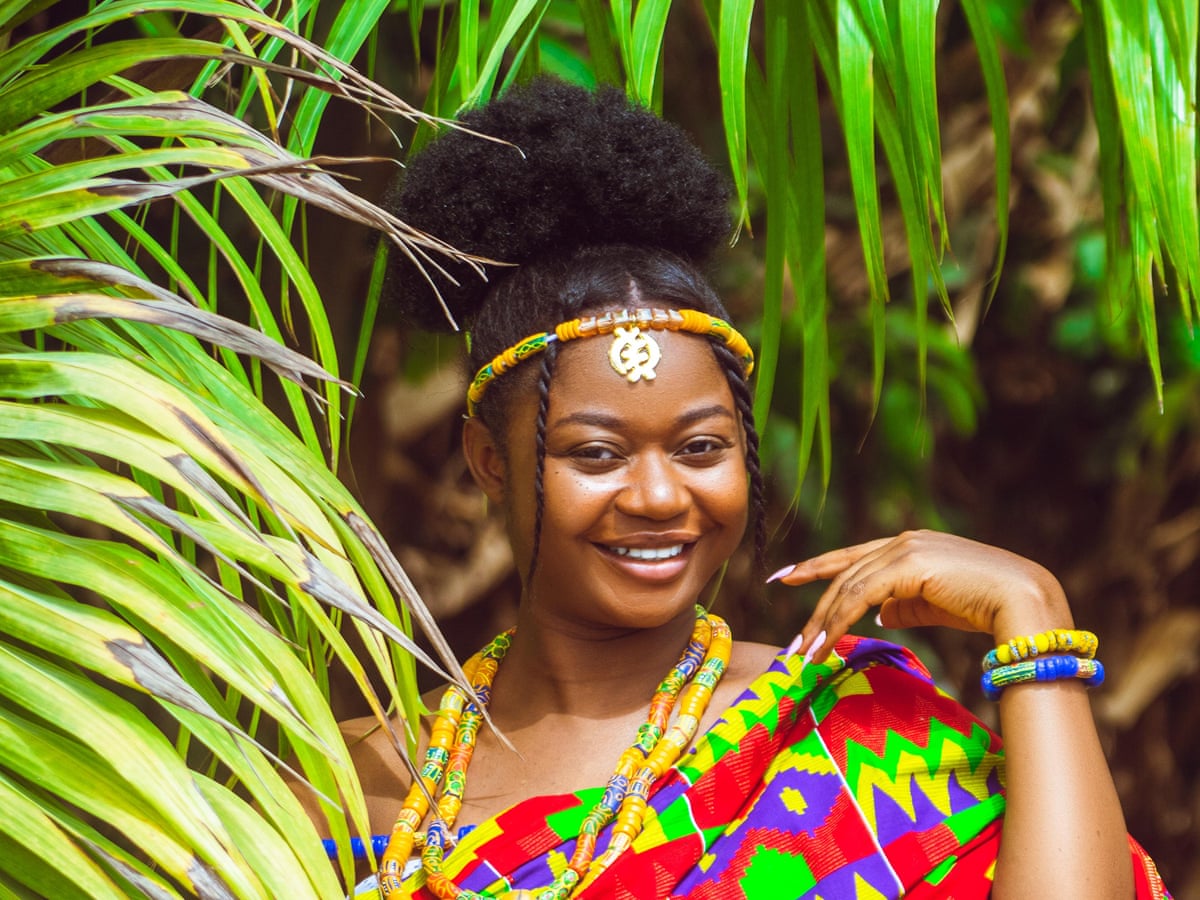
Ghana’s creative energy also shows up in wellness. On TikTok and Instagram, Ghanaian trainers, yogis and nutrition enthusiasts share routines that blend global wellness trends with strong cultural grounding. Moreover, they feature kente fabrics, local markets and community spaces in their visuals, making every reel feel rooted in place.
For example, some Ghanaian creators break down the nutritional value of everyday meals like waakye, banku and kontomire stew. Additionally, they suggest small tweaks — more greens, less oil, better portion balance — instead of unrealistic diet overhauls. Consequently, followers see that they can improve their health without rejecting familiar foods or culture.
Furthermore, Ghana’s growing creative and music scene intersects with wellness trends. Dance fitness videos set to Afrobeats and highlife tracks gain strong traction, especially among diaspora viewers searching for a connection to home. Ultimately, Ghanaian wellness influencers show that taking care of your body and mind can be joyful, social and deeply Afrocentric.
How African Wellness Influencers Build Credibility
In a crowded feed, trust is everything. Therefore, leading African wellness influencers build credibility on and off the screen. Many share their professional qualifications, like personal training certifications, sports science degrees, or nutrition courses. Others are transparent about learning from global experts, medical guidelines and evidence-based resources such as the CDC physical activity guidelines or nutrition foundations.
However, credentials are only one part of the trust equation. Creators also post consistent educational content, answer follower questions, and admit when they do not know something. Additionally, they emphasise that online workouts and advice do not replace professional medical care. As a result, they position themselves as guides, not miracle workers.
Notably, African audiences often value personal story as much as formal training. When a creator shares how they managed hypertension, reversed prediabetes, or recovered from injury, their experience carries real weight. In particular, stories from mothers, students, and nine-to-five workers feel authentic because they mirror follower realities.
Signals that an African wellness influencer is credible
- They share transparent qualifications or mention respected training and mentorship.
- They reference scientific sources or established health bodies when discussing medical issues.
- They avoid extreme claims and quick fixes, and they encourage slow, sustainable change.
- They remind followers to consult doctors for chronic conditions and medication questions.
- They show realistic progress instead of heavily edited, overnight transformations.
Localising Wellness for African Realities
If you have ever watched a foreign fitness video that assumed access to big gyms, fancy supplements and endless free time, you know the problem. However, African wellness creators excel at stripping wellness down to what you can actually do. They suggest moves you can perform in a corridor, recipes you can cook with local produce, and self-care rituals that fit busy, multigenerational households.
Additionally, they account for unreliable infrastructure. For example, many home workout routines require no power, no treadmill and minimal data. Some creators even share low-data versions of their programs through WhatsApp or PDF guides. Consequently, your wellness journey can continue during load-shedding, network drops or tight data bundles.
Moreover, African wellness influencers understand the social side of health. They speak about navigating family comments on weight, cultural beauty norms, and pressure to overwork. In particular, they address how gender, age and class shape the way you experience health on the continent. Therefore, their advice respects context, not just calories and steps.
Practical localisation strategies
- Budget hacks: Sample shopping lists for markets, plus cheaper protein and vegetable options.
- Time-saving routines: Express workouts and batch cooking ideas for long-commute lifestyles.
- Shared-space solutions: Quiet exercises for roommates and compact routines for crowded homes.
- Load-shedding planning: Scheduling workouts and meal prep around power cuts.
Body Positivity, Representation and Mental Health
Representation matters, especially in wellness. When you see African bodies of different shapes, shades and abilities leading workouts and meditation sessions, the message shifts. Wellness stops being about chasing one narrow body ideal, and instead becomes about strength, energy and self-respect. Additionally, African wellness influencers now speak openly about colourism, weight stigma and unrealistic social media standards.
Furthermore, many creators pair physical training with mental health advocacy. They start videos with “mental health check” prompts, share journaling questions, or identify signs of burnout and depression. In some cases, licensed therapists use TikTok to explain trauma, boundaries and healthy relationships in simple terms. Consequently, followers access mental health education that might otherwise feel expensive or intimidating.
As global organisations like the World Health Organization continue to highlight Africa’s mental health treatment gap, these creators fill a crucial awareness role.[6] Moreover, they normalise therapy, rest and emotional honesty for young Africans who grew up hearing “just be strong” instead of “get support”.
Where Tech, Startups and Wellness Influencers Meet
Behind the scenes, this content boom connects directly to African tech and startup innovation. Fitness and wellness apps, telemedicine platforms, and mental health startups frequently collaborate with creators to reach new users. Additionally, influencer-friendly features on platforms such as TikTok Shop and Instagram subscriptions create new income pathways.
In countries like Nigeria, Kenya and South Africa, wellness creators often partner with African healthtech startups to test new products, lead live classes or host digital challenges. Moreover, some build their own digital products — from training programs and recipe ebooks to subscription communities and mobile apps. As a result, wellness influencing now looks like a serious business, not just a side hobby.
If you want to follow more stories at this intersection of wellness and innovation, you can explore Technology and Business & Economy on Topping Africa. Additionally, you can discover how African creators use fintech tools, e-commerce platforms and analytics dashboards to scale their brands.
How You Can Engage with African Wellness Influencers
You do not have to be a full-time creator to benefit from this movement. Instead, you can treat your favourite African wellness influencers as accessible coaches in your pocket. Start by following two or three creators whose content feels realistic and aligned with your goals. Furthermore, look for those who make you feel encouraged, not judged.
Additionally, engage beyond likes. Comment on workouts you tried, save recipes you enjoy, and share videos with friends or family. When you give feedback, creators also learn what works in real African homes, offices and campuses. Consequently, they refine their content and bring even more value to you.
If you are a brand or startup, you can strategically partner with wellness influencers who speak to your target audience. However, focus on long-term collaborations that prioritise education and impact over quick sales spikes. Ultimately, when creators feel respected and fairly paid, they can keep helping communities build healthier habits.
Explore More on Topping Africa
If you are excited about this wellness revolution, you can explore more related stories and insights on Topping Africa. Moreover, these sections keep you updated on the wider culture shaping health and lifestyle across the continent.
- Health & Wellness – Deep dives on fitness, nutrition, mental health and African wellness trends.
- Culture & Lifestyle – Stories on how African identity, fashion and daily life shape wellness.
- Africa News – Updates on positive innovation, startups and initiatives transforming life on the continent.
Additionally, you can read more about African content creators who are redefining digital culture beyond wellness, from music and fashion to tech and comedy. Explore more, share your thoughts, and subscribe to stay ahead of the next wave of African innovation.
Conclusion: The Future of Wellness is African, Digital and Personal
As short-form video continues to shape global culture, African wellness influencers are claiming their space with confidence. They are not only copying international trends; they are rewriting the rules of wellness with African stories, science and soul. Consequently, your feed can now be a source of strength, knowledge and community, not just distraction.
Moreover, as more creators emerge from Nigeria, Kenya, South Africa, Ghana and beyond, the movement will only deepen. You can expect smarter collaborations with healthtech startups, richer storytelling and more nuanced conversations about gender, class and mental health. Ultimately, when you follow and support these creators, you invest in a healthier, more confident African future.
If a particular creator has changed how you think about health, you can share your experience, leave a comment on their content, and amplify their work. Additionally, you can keep discovering new voices shaping Africa’s wellness story here on Topping Africa, where the continent’s most exciting creators, innovators and ideas meet.

Staff
Contributing writer at Topping Africa.
0 Comments
No comments yet. Be the first to share your thoughts!