How African Creators Are Reimagining World Cup 2026 on TikTok and YouTube

African World Cup content creators are turning World Cup 2026 into a live, social-first fan experience. From TikTok reactions to YouTube breakdowns and watch-party culture, African voices are set to shape how fans across the continent experience the tournament.
African World Cup content creators are set to turn World Cup 2026 into a live, social-first fan experience. With South Africa back in the mix and more African teams chasing qualification, the continent’s creators are not just watching the tournament — they are shaping how it feels in real time.
Furthermore, TikTok, YouTube and X are becoming the new stadiums for African fans. That shift is already attracting brands, football influencers and cross-continent collabs that will define the next World Cup conversation.
African World Cup content creators and the new fan economy
World Cup coverage used to belong to broadcasters, pundits and highlight shows. However, the 2026 cycle is different because fans now expect quick clips, live reactions, watch-party energy and meme-driven commentary from creators they already trust.[2]
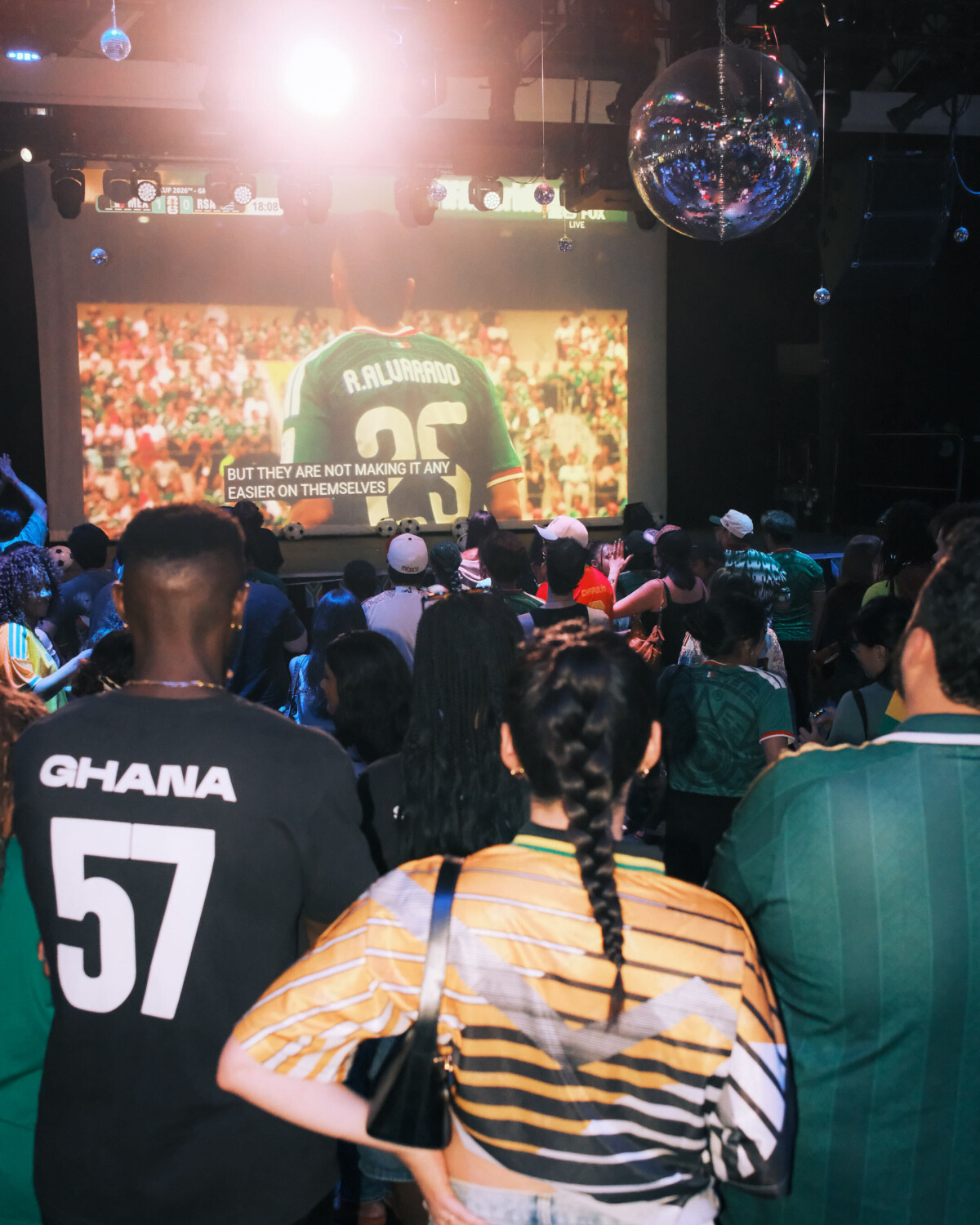
Moreover, the attention shift is not small. Forbes notes that the 2026 World Cup will be fought across YouTube, TikTok and livestream communities, with creators becoming a core distribution strategy for brands.[2] That matters for African creators because the continent’s football audience is highly social, highly mobile and deeply connected to shared moments.
Additionally, Africa’s creator economy has a clear edge here. Many fans do not want polished corporate coverage alone; they want a familiar voice, a funny reaction and a creator who understands local football culture, slang and watch-party habits.[2]
Consequently, African creators can package the World Cup as a community event, not just a sports event. That means more room for interviews, explainers, fan cams, street reactions and behind-the-scenes content.
Why South Africa’s return changes the story for African World Cup content creators
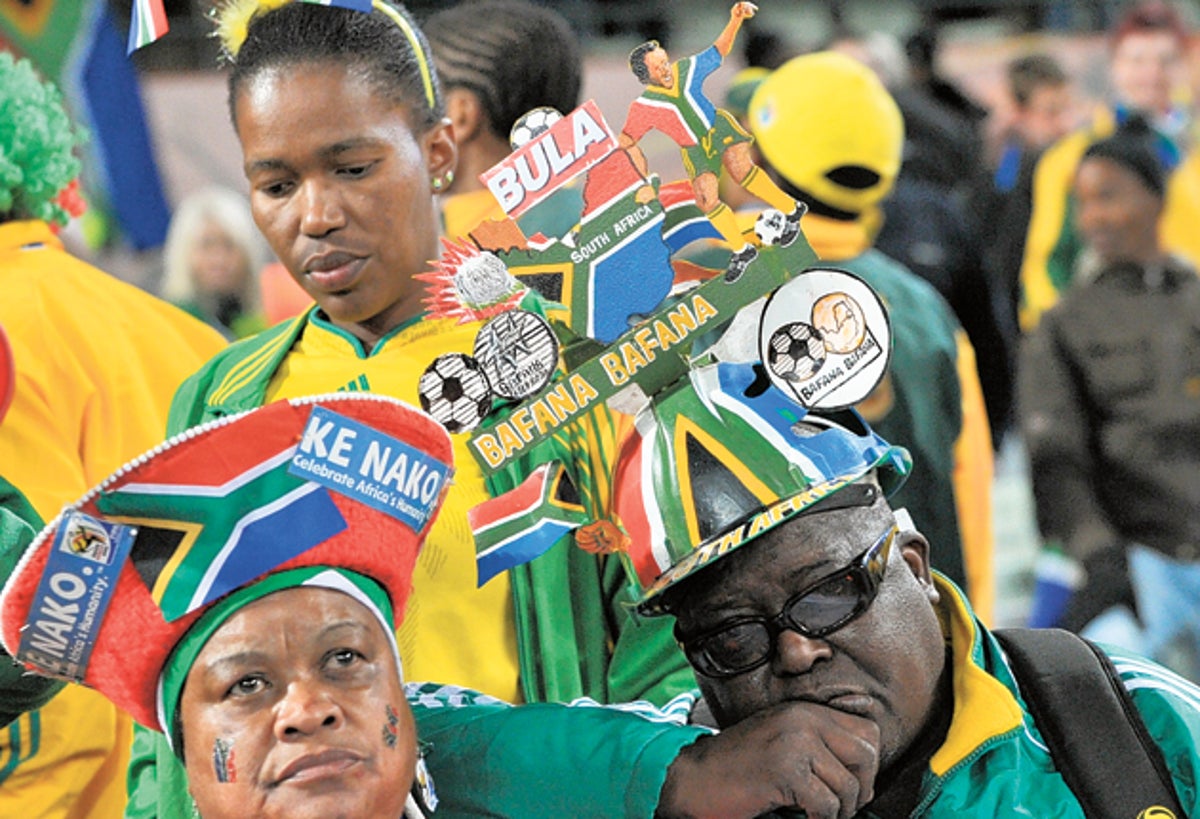
South Africa’s return to the 2026 World Cup conversation gives the continent a powerful hook. It creates fresh national pride, but it also gives African creators a built-in storyline around qualification, preparation and fan momentum.
Furthermore, FIFA confirms that CAF teams have nine direct slots and one inter-confederation play-off slot for the 2026 finals.[5][8] That wider African pathway raises the stakes across the continent and gives creators more nations to follow, compare and celebrate.
Meanwhile, the content opportunity starts long before kick-off. Creators can cover qualifiers, squad debates, kit drops, fan reactions and the emotional build-up that turns casual viewers into loyal followers.
In addition, South Africa offers a strong example of how football and content culture can overlap. The country’s mix of sport, music, fashion and street culture makes it ideal for creator-led storytelling that feels modern and highly shareable.
What fans will actually want to see
Fans will not only want score updates. They will also want reaction videos, tactical explainers, watch-party edits, player memes and creator-led debates that feel entertaining and fast.
- Live reactions from home screenings, campus watch parties and fan zones
- Meme content built around goals, misses, celebrations and football drama
- Short interviews with fans, street vendors and local football voices
- Creator collabs across African and global football communities
How TikTok and YouTube are reshaping African fan culture
Additionally, TikTok is ideal for rapid-fire football culture. Short clips let creators react instantly to goals, red cards, lineup leaks and coach decisions, while trends and sounds help content spread across borders.
Meanwhile, YouTube gives African creators room for deeper work. Long-form match previews, post-match breakdowns, player profiles and travel diaries can build stronger audience loyalty and better monetisation opportunities.
Google has also highlighted YouTube’s role in the 2026 World Cup ecosystem, pointing to behind-the-scenes creator access and official football content on the platform.[9] That suggests creators who build strong sports channels now may benefit from higher visibility during the tournament.
However, the real edge comes from combining both platforms. TikTok drives discovery, while YouTube helps creators keep the audience and grow revenue through longer engagement.
Therefore, smart African creators are already thinking like media brands. They are building repeatable formats that can work in Lagos, Nairobi, Accra, Johannesburg, Casablanca and diaspora communities in London, Atlanta and Toronto.
African World Cup content creators and the rise of watch-party culture
Watch parties are becoming one of the most important parts of the new fan experience. Instead of waiting for a post-match recap, fans now want to experience the match with creators in real time.
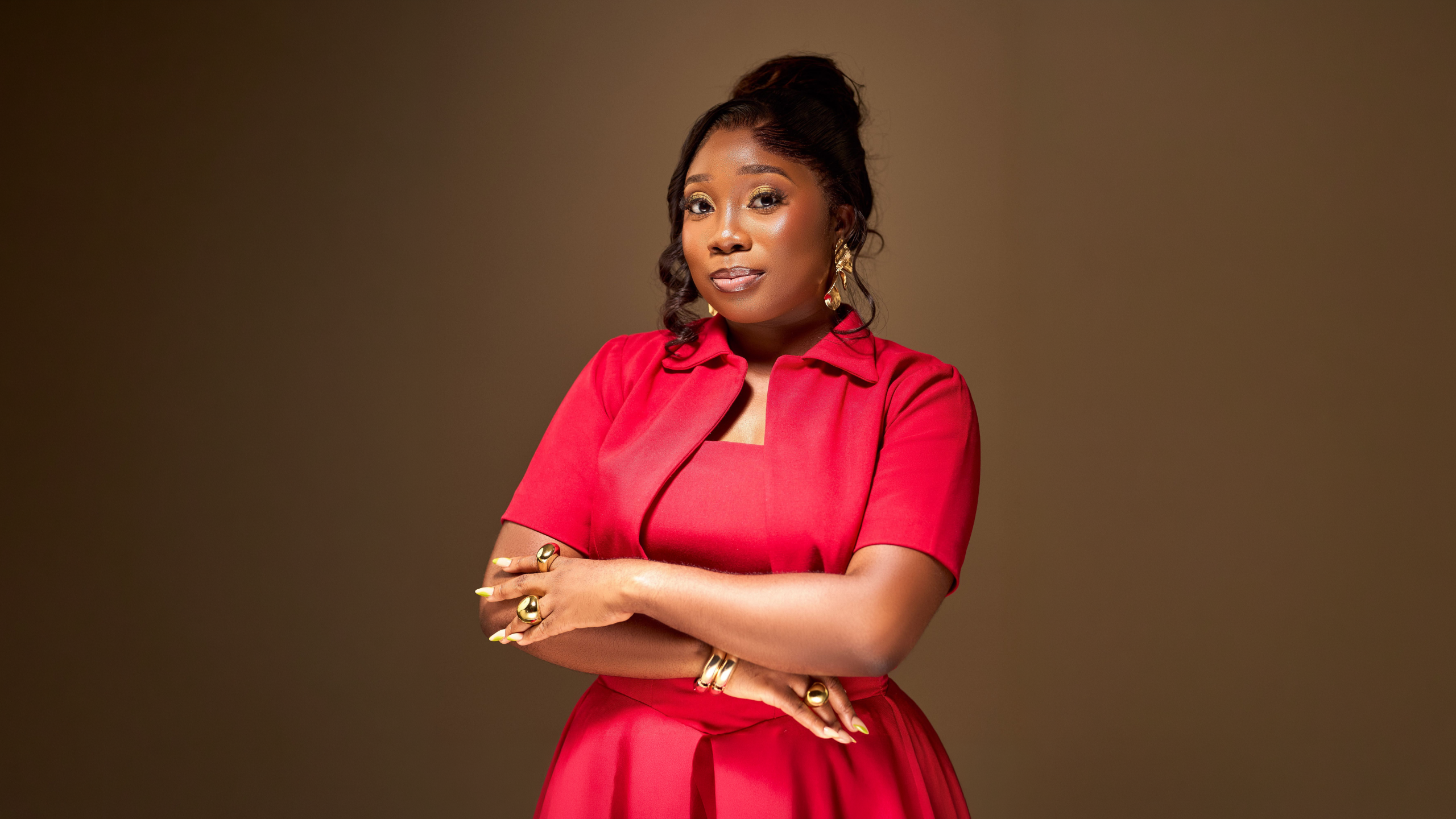
Moreover, this is where African creators can stand out. They can host live reactions, co-stream-style commentary, crowd interviews and fan-room vibes that make viewers feel included even when they are far from the stadium.
Additionally, this trend fits Africa’s strong social viewing culture. Football already brings people together in bars, student halls, salons, estates and open-air spaces, so creators only need to amplify what already exists.
In the same way, brands are paying attention. A creator-led watch party can deliver reach, engagement and cultural relevance in one package, especially when the audience feels like part of the show.
Why watch parties matter for brands
Importantly, watch parties are not just fun content. They also give brands a way to show up in authentic fan spaces without looking forced.
- Beer and beverage brands can sponsor fan zones and recap clips
- Telecom brands can support livestreams and mobile-first viewing
- Fashion brands can sponsor jerseys, fits and creator outfits
- Food brands can plug into match-day rituals and viewing snacks
Furthermore, this model works especially well in African markets where data costs, streaming access and mobile-first habits shape how people consume football.
Cross-continent collabs: African creators meeting global football influencers
Meanwhile, the most interesting 2026 content may come from collaborations. African creators are likely to team up with European and American football influencers to produce reaction content, prediction videos and culture-driven explainers.
That cross-border format works because football is global, but fan language is local. A Nigerian TikTok creator may break down an England match differently from a UK pundit, while a South African vlogger may bring humour and community context that global audiences enjoy.
Additionally, cross-continent collabs help African creators expand their reach beyond domestic football circles. They can build audiences among diaspora communities and international fans looking for fresh voices.
For instance, a creator in Johannesburg could collaborate with a creator in Atlanta on a World Cup predictions series. Another creator in Nairobi could join a YouTube live chat with a football personality in Madrid to compare fan culture and tactical hot takes.
Consequently, the creator economy around World Cup 2026 is likely to be more networked than before. The value is no longer just audience size; it is audience connection across platforms and countries.
Why brands are courting African fan communities now
Notably, brands are waking up to African football fandom because it is energetic, mobile and shareable. Fans do not just consume content; they comment, remix, repost and turn it into culture.
Additionally, the 2026 World Cup comes at a moment when marketing is moving away from one-way ads and toward creator-led storytelling.[2] That creates a clear opening for African creators who know how to speak to young, football-loving audiences.
Moreover, the FIFA Fan Festival model shows how official tournament spaces are now thinking about accredited creators and influencers as part of the event ecosystem.[3] That is a strong sign that creators are no longer an afterthought.
Furthermore, brands want trust. When a creator explains a match, reviews a watch-party experience or jokes about a player’s performance, audiences often listen more closely than they would to a generic ad.
What brands will look for in African creators
Brands will likely choose creators who can mix football knowledge with cultural relevance. They will also look for consistency, speed and the ability to create content that travels across different African markets.
- Authentic voice and strong fan trust
- Fast turnaround for live match content
- Multi-platform skills across TikTok, YouTube and X
- Community reach in local and diaspora audiences
Meanwhile, creators who can show measurable engagement will stand out even more. Brands want proof that fans do more than watch; they respond, share and show up.
Creators to watch in the broader African football conversation
However, the World Cup creator wave will not be limited to football-only accounts. Musicians, comedians, lifestyle vloggers and sports personalities will also join the conversation, especially when they understand how to turn a match into a moment.
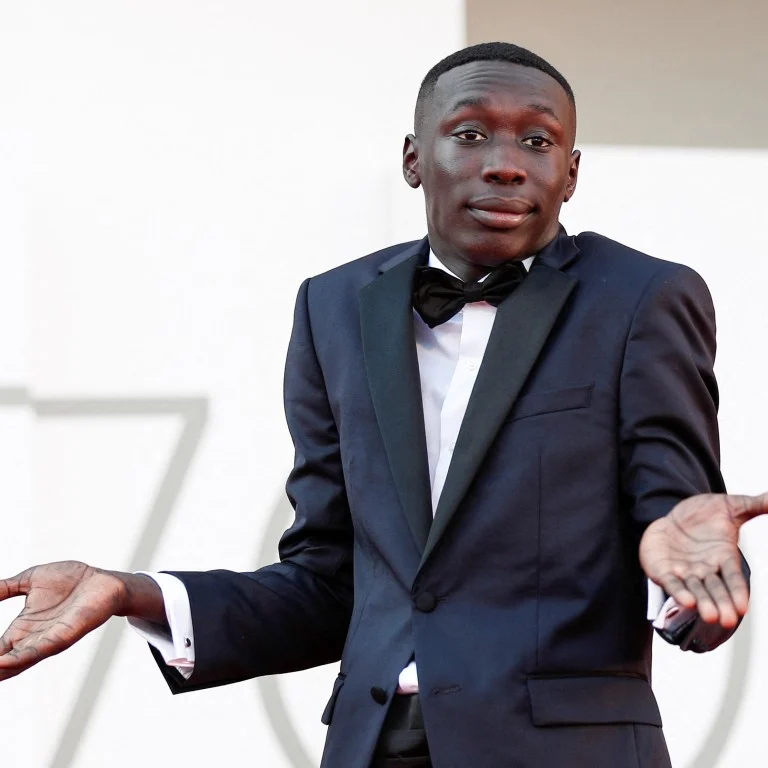
For example, figures like Khaby Lame have shown how African creators can shape global digital culture with simple, highly shareable formats. In sports and entertainment, that same style can work brilliantly for football reactions and meme content.
Additionally, creators such as Osas Odiase have already appeared in discussions around creator attendance and World Cup coverage, showing how African digital voices are entering the tournament conversation.[4]
Meanwhile, the strongest creators will not just post highlights. They will build narrative arcs around qualifying journeys, fan identities and the emotional side of the tournament.
Therefore, if you follow African football content closely, expect to see more creators from South Africa, Nigeria, Kenya, Ghana, Uganda and North Africa move into the spotlight.
How African creators can win World Cup 2026 content
Importantly, creators should start preparing now. The biggest wins will go to those who build systems before the tournament starts, not those who wait until opening day.
- Develop repeatable series like predictions, fan polls and tactical breakdowns
- Build local partnerships with creators in different African countries
- Cover the road to the World Cup, not only the tournament itself
- Use short clips for reach and long-form video for depth
- Track brand-fit opportunities around travel, food, kits and live viewing
Furthermore, creators should think beyond match day. The best content will include qualifiers, squad announcements, fan culture, travel stories and post-match community reactions.
In addition, creators should protect their originality. Repetition can kill engagement, while unique angles, local humour and smart editing can make content stand out fast.
Ultimately, the African creator who wins at World Cup 2026 will not just chase virality. That creator will build a football community that feels personal, consistent and worth returning to.
Explore More on Topping Africa
Discover more stories on Topping Africa:
- Sports — Follow the biggest African football stories, creator trends and tournament updates.
- Technology — Explore how digital platforms, livestreaming and AI tools shape creator growth.
- Culture & Lifestyle — Read more about fan culture, youth trends and the social side of African entertainment.
Furthermore, you can share your thoughts on which African creator should lead the World Cup conversation. Meanwhile, subscribe to Topping Africa for more stories on sports, creators and digital culture across the continent.
Explore Entertainment for more creator-led trends, and Business & Economy for brand and sponsorship insights that matter to African audiences.
Additionally, if you want more context on the tournament itself, Africa News and Technology will help you track the bigger picture as the World Cup build-up accelerates.
Read more about the changing sports media landscape through the official African qualification pathway on FIFA’s CAF qualifiers hub, and explore how creators are becoming central to sports marketing in Forbes.
Moreover, FIFA Fan Festival guidance in Atlanta shows how official event spaces are preparing for accredited creators and influencers at World Cup 2026 in the United States.FIFA Fan Festival Atlanta media hub