
Ghana Pushes UN To Recognize Slave Trade As Crime Against Humanity
For many across Africa and its diaspora, this is more than diplomacy—it is a demand for dignity, memory, and acknowledgment. Ghana’s move reopens a global conversation about justice long delayed and still deeply contested.
ACCRA, Ghana — March 25, 2026
Ghana has formally called on the United Nations to recognize the transatlantic slave trade as a crime against humanity, intensifying a long-standing African push for historical justice and global accountability.
Speaking at the United Nations, Ghanaian officials urged member states to adopt a resolution that would formally classify the centuries-long slave trade under international criminal law. The move aims to secure global acknowledgment of the scale and impact of the trade, which forcibly displaced millions of Africans across continents.
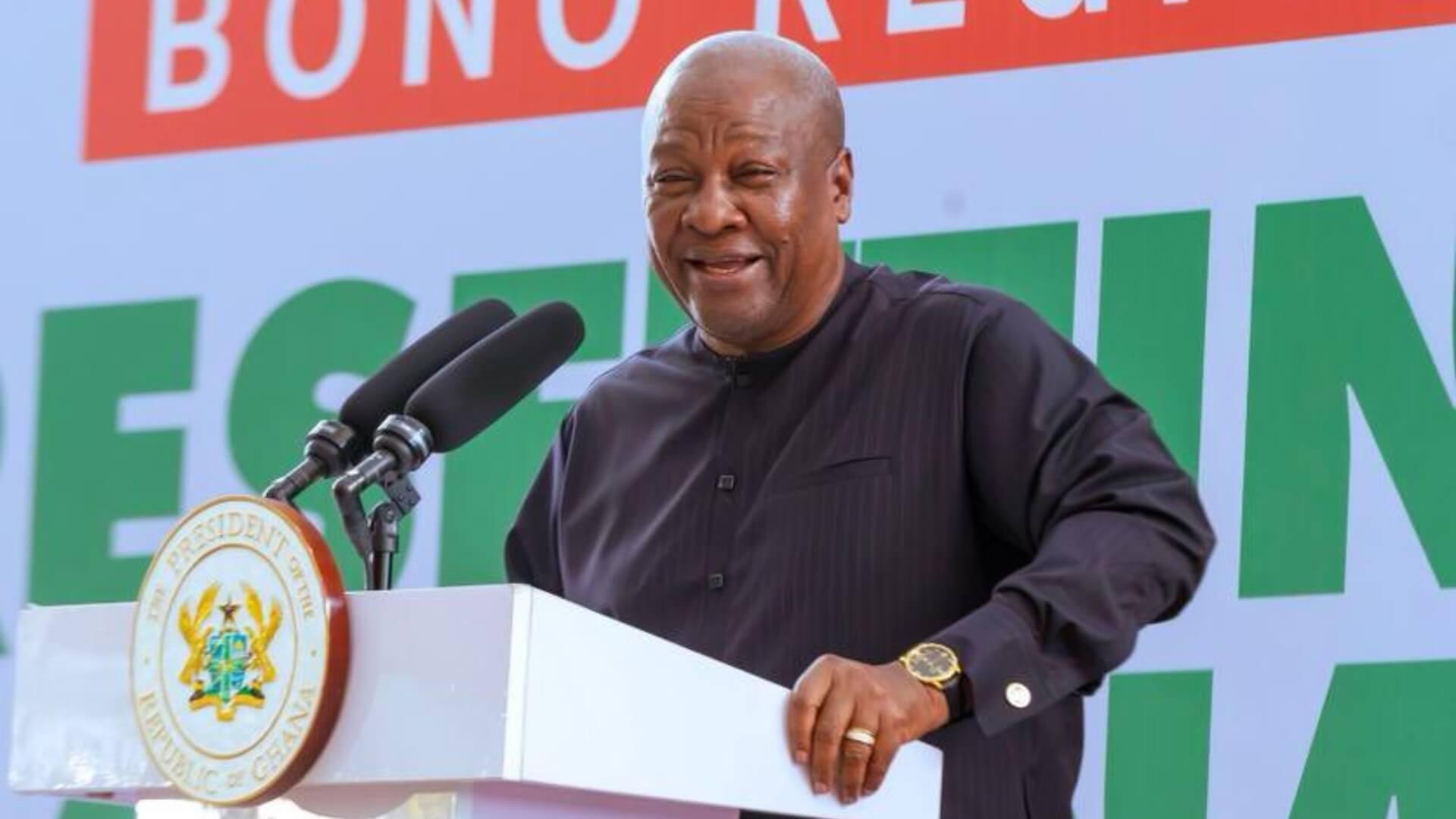
High-Level Special Event on Reparatory Justice, Convened by President John Dramani Mahama https://t.co/a4t9QdCJzI
— John Dramani Mahama (@JDMahama) March 24, 2026
Ghana’s delegation framed the initiative as both a moral and legal imperative, arguing that the legacy of the slave trade continues to shape economic inequalities, racial injustice, and development disparities affecting African nations and the diaspora.
The proposal aligns with broader African-led efforts to advance reparatory justice and reshape how historical injustices are addressed within international systems. Ghana has been at the forefront of these discussions, positioning itself as a key voice in global conversations on restitution and historical accountability.

Diplomatic sources indicate that the resolution seeks not only symbolic recognition but also to strengthen the legal basis for future claims tied to reparations and restorative justice frameworks. However, such efforts are expected to face resistance from some Western nations wary of legal and financial implications.
Across Africa and the diaspora, the initiative has drawn support from advocacy groups and cultural institutions that view formal recognition as a critical step toward confronting historical truth and systemic inequities rooted in slavery.
Analysts say Ghana’s push reflects a growing shift in African diplomacy—moving from remembrance toward structured legal and political demands on the global stage.
If adopted, the resolution could mark a significant milestone in redefining how international law addresses historical crimes and their enduring consequences.
Staff
Contributing writer at Topping Africa.
0 Comments
No comments yet. Be the first to share your thoughts!