
China Drops Tariffs on All African Nations Except Eswatini: What It Means for Trade
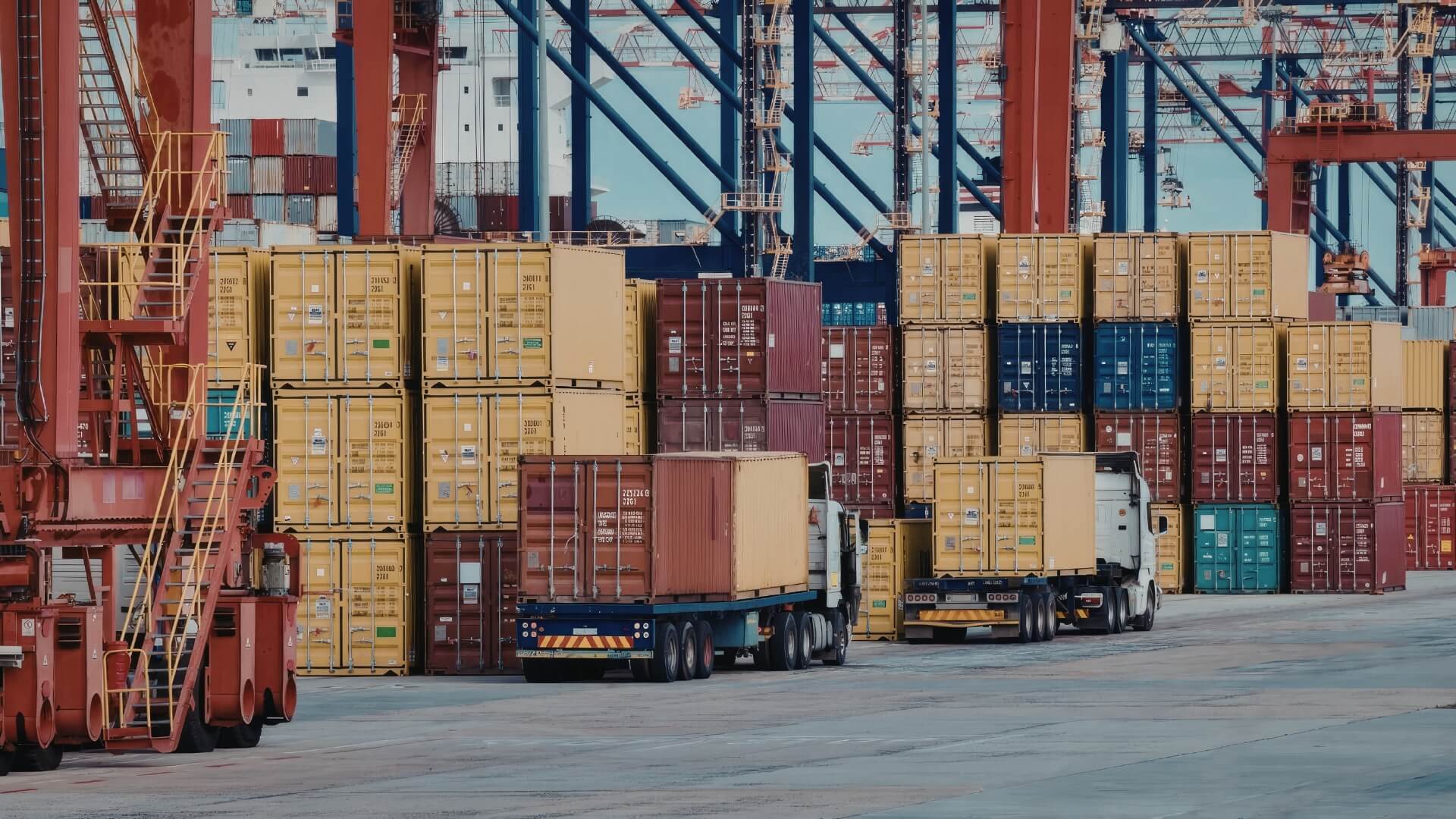
China drops tariffs on all African nations except Eswatini, unlocking tariff-free access for 53 countries. This two-year policy boosts agricultural exports amid geopolitical shifts. Discover opportunities and challenges for African economies.
China drops tariffs on all African nations except Eswatini, marking a major shift in global trade dynamics. This policy, effective from May 1, 2026, grants tariff-free access to China's vast market for 53 African countries. African exporters now eye boosted sales in agriculture and more. Explore how this move reshapes trade partnerships.
Understanding China's Bold Move: Tariff-Free Access Boost
China launched this zero-tariff policy to strengthen ties with Africa. It covers 98% of tariff lines for goods from these nations. The deal runs until April 2028. Previously, only 33 least-developed African countries enjoyed this benefit. Now, big economies like Nigeria and South Africa join in. This expands opportunities for diverse exports.
However, Eswatini remains excluded. China cites its diplomatic links with Taiwan as the reason. This highlights ongoing geopolitical tensions. Read more about this geopolitical impact.
Why Eswatini Faces Exclusion
Eswatini maintains formal ties with Taiwan, Africa's last such nation. China views Taiwan as its territory. Thus, Beijing enforces this stance in trade deals. Furthermore, this policy counters U.S. protectionism under recent trade pushes. China positions itself as Africa's top partner. Read more in our Politics & Governance section.
Key Benefits for African Economies
African nations stand to gain from lower trade barriers. Agricultural products faced 8-30% tariffs before. Now, items like South African apples enter freely. For instance, a 24-ton shipment of South African apples cleared Shenzhen customs on day one. This signals quick wins for farmers. Moreover, processed foods and textiles could surge.
- Agricultural exports get the biggest boost, such as fruits and nuts.
- Manufactured goods, such as clothing, face new market access.
- Small businesses can scale up to meet Chinese demand.
- Job creation rises in export sectors across Africa.
Additionally, this fosters supply chain links. African countries can diversify beyond raw minerals. Discover the latest trends in Business & Economy.
Potential Challenges and Risks
Not all see only the upsides. Critics worry about trade imbalances. China already dominates African imports. Consequently, cheap Chinese goods could flood markets. Local industries in Nigeria or Kenya might suffer. Governments must build capacity to compete.
- Strengthen local standards to match Chinese quality rules.
- Invest in value-added processing at home.
- Negotiate fair terms to avoid dependency via these strategies.
On the other hand, strategic use could spur growth. For example, Ethiopia's textile boom. Share your thoughts in the comments below.
Geopolitical Angles: Eswatini's Unique Position
Eswatini's exclusion underscores Taiwan tensions. The kingdom relies on Taiwan, " said. This trade snub adds pressure. Meanwhile, other nations benefit. Leaders from 53 countries welcomed the policy. It aligns with the Forum on China-Africa Cooperation goals. Importantly, check details here.
Impact on Major African Players
Nigeria, Africa's largest economy, targets farm exports. Egypt eyes fruits and veggies. South Africa has already shipped the first loads. Furthermore, Kenya and Algeria join the top beneficiaries. These 20 largest economies gain the most. Oil and minerals were already duty-free, so the focus shifted to agri-goods. However, success depends on logistics. Poor infrastructure hampers many exporters. Governments should upgrade ports and roads. In addition, explore opportunities in our Africa News updates.
Sector-Specific Opportunities
Agriculture leads gains. Tariffs on bees and seafood drop to zero. This helps Zambia and Morocco.
- Fruits and vegetables: Apples, avocados see demand spike.
- Coffee and cocoa: Better prices for Ghana, Ivory Coast.
- Seafood: Tuna from Senegal is cheap.
Technology and manufacturing follow. Electronics parts from Tunisia could rise. However, quality certification remains key. For more analysis, read The Independent.
Long-Term Trade Strategy for Africa
The African Union should coordinate responses. Joint bargaining strengthens positions. This prevents divide-and-rule tactics. Moreover, invest policy gains wisely. Build factories for processed exports. Train workers for global standards. Ultimately, this policy cements China-Africa bonds. Yet, balance with U.S. and EU ties matters. Subscribe for ongoing coverage.
Explore More on Topping Africa
Dive deeper into key topics shaping the continent.
- Business & Economy: Track trade deals and growth stories.
- Politics & Governance: Analyze global partnerships.
- Africa News: Stay updated on breaking developments.
Explore more and leave a comment below on how this affects your country.
Conclusion: A New Era Dawns
China drops tariffs on all African nations except Eswatini, which opens doors. Exporters must act fast to seize gains. Balanced strategies ensure lasting benefits.
Furthermore, this boosts South-South cooperation. Africa gains leverage in global trade. Read more about regional impacts today.
Staff
Contributing writer at Topping Africa.
0 Comments
No comments yet. Be the first to share your thoughts!