Beyond Stereotypes: 10 Powerful African Culture Facts Every Creator Should Know
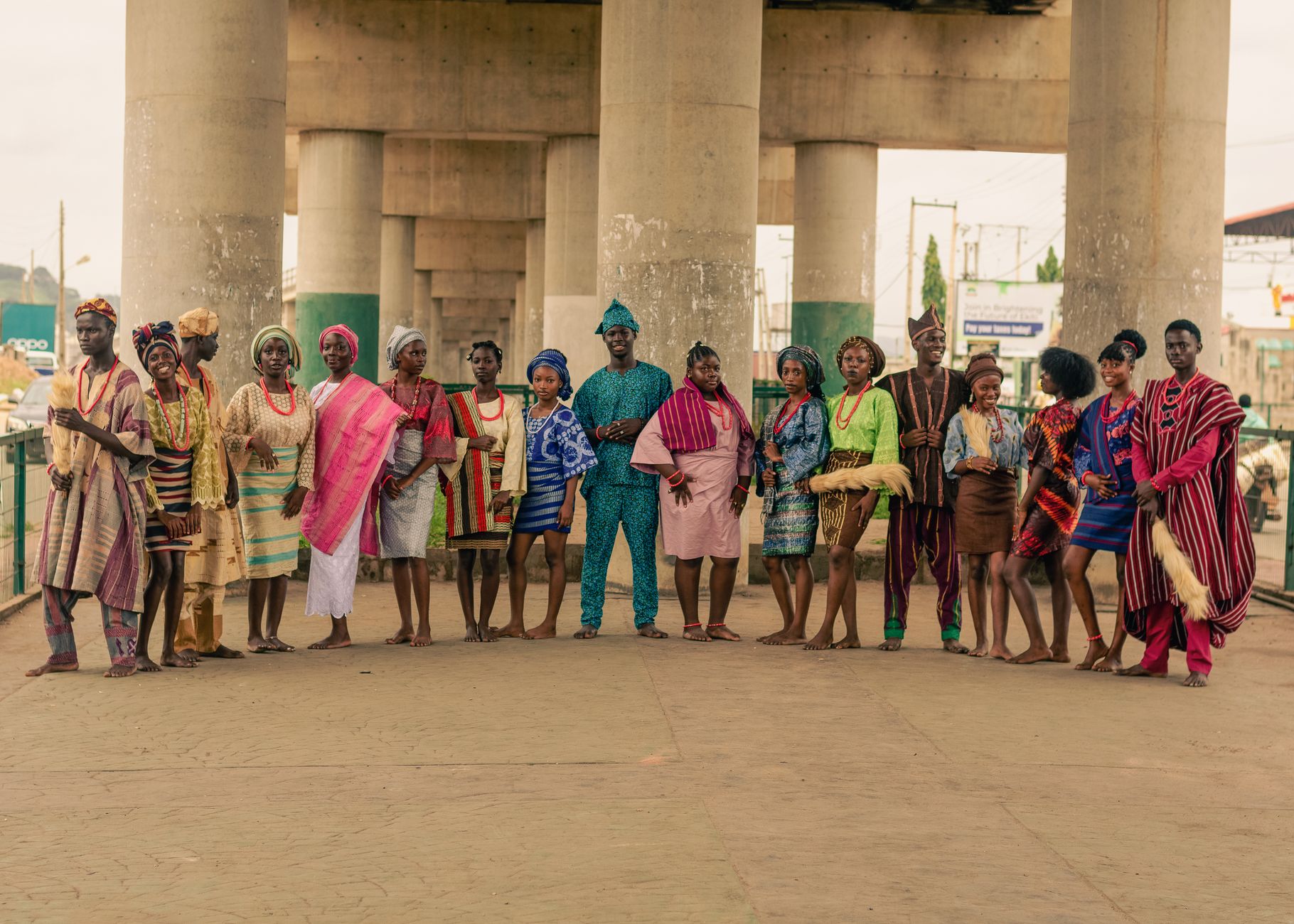
Africa's cultural richness is the most underused asset in digital content creation. These 10 concrete African culture facts — from linguistic diversity to youth demographics — give creators and entrepreneurs the knowledge they need to tell more accurate, resonant, and profitable stories about the continent.
If you create content about Africa — or as an African — the African culture facts you choose to tell, and how you tell them, shape the narratives millions of people absorb. Too many creators recycle the same tired tropes: a monolithic continent, a single story of struggle, a flat backdrop for outsider inspiration. That approach doesn't just bore audiences; it actively undermines the brands, businesses, and communities built by African creators every day. This listicle cuts through the noise with ten concrete, research-backed cultural facts — and, crucially, explains what each one means for your content strategy, brand storytelling, and audience-building efforts.
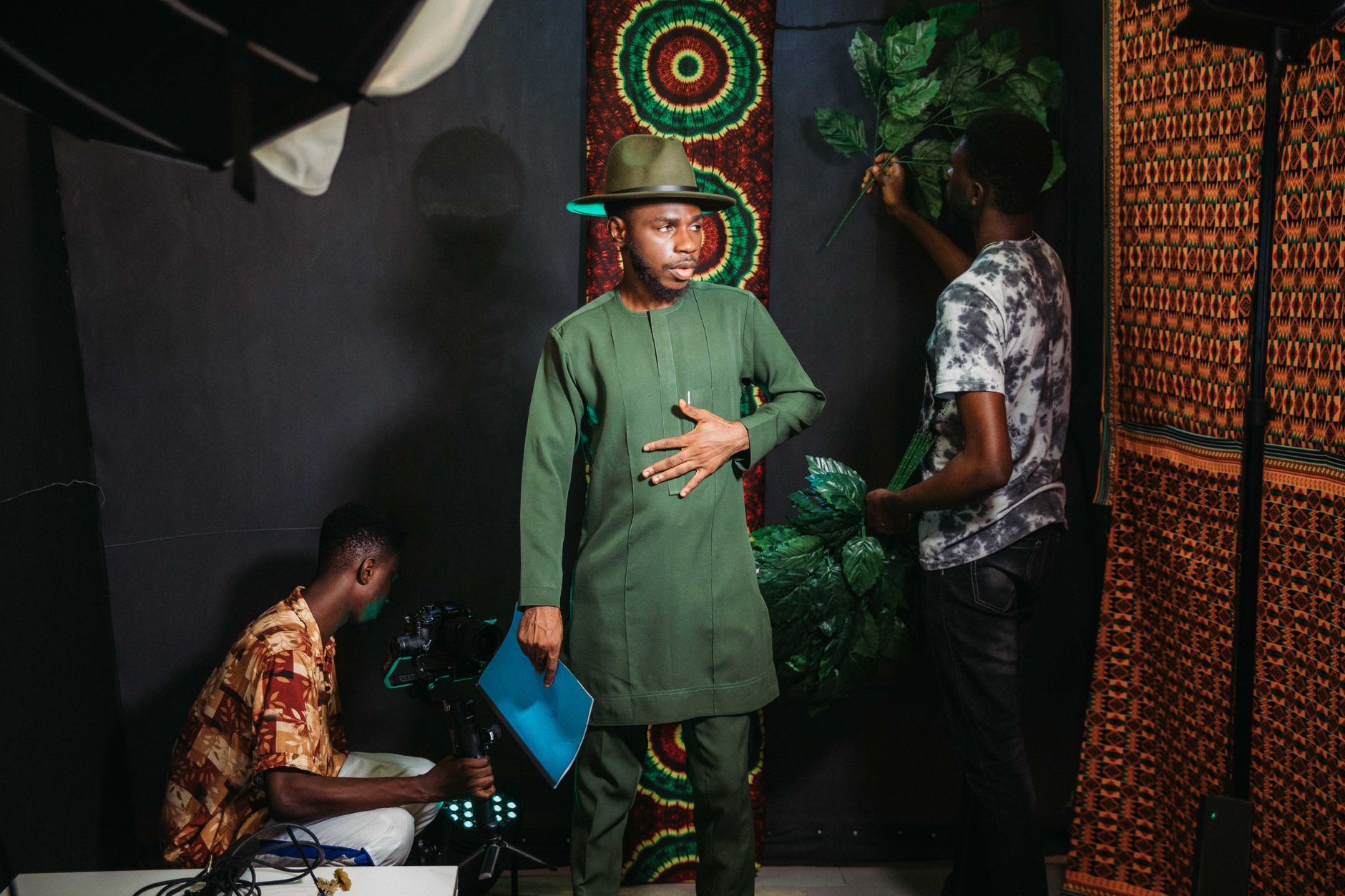
Why African Culture Facts Matter for Creators and Storytellers
Culture is the raw material of content. Brands that understand cultural nuance build deeper trust, earn more shares, and convert better — especially in markets where audiences are increasingly savvy about who is telling their story and why. Africa's 54 countries, over 2,000 languages, and roughly 1.4 billion people represent the world's most culturally diverse landmass. Getting the facts right isn't just ethical — it's a competitive advantage. Creators who do the homework stand out in feeds saturated with generic "Africa content."
Explore the creators already doing this well on Topping Africa for real-world inspiration before diving into the facts below.
-
1. Africa Is Home to More Languages Than Any Other Continent — African Culture Facts Start Here
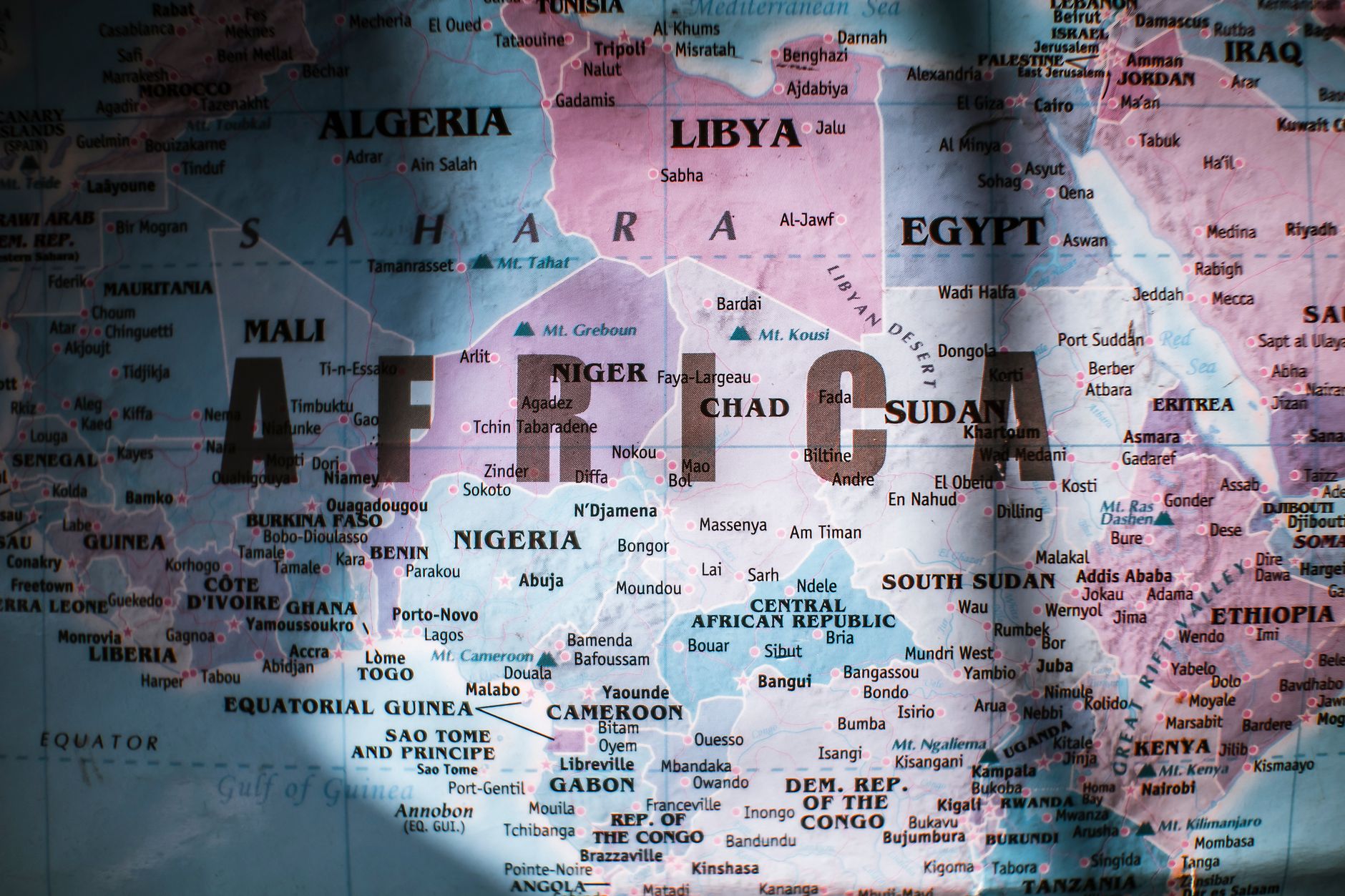
Over 2,000 distinct languages are spoken across Africa, accounting for roughly one-third of the world's total languages, according to Ethnologue. This isn't a footnote — it's the single most important fact for any creator building an African audience. Swahili, Hausa, Yoruba, Amharic, Zulu, and Igbo each carry distinct worldviews, humor registers, and storytelling traditions that don't translate cleanly into English or French.
The creator mistake here is defaulting to English-only content and assuming it reaches "Africa." A Hausa-language TikTok from Kano can outperform an English equivalent by 3x in Northern Nigeria because it signals cultural belonging, not just information. Consider producing even a single piece of native-language content per month — subtitled for broader reach — and watch your engagement metrics shift.
- Actionable tip: Use language as a brand differentiator. Pin your native-language content to your profile so new visitors immediately see cultural authenticity.
- Common mistake: Translating idioms word-for-word. Yoruba proverbs, for instance, lose their resonance entirely when rendered literally in English.
-
2. The Continent Has the World's Oldest Written Scripts
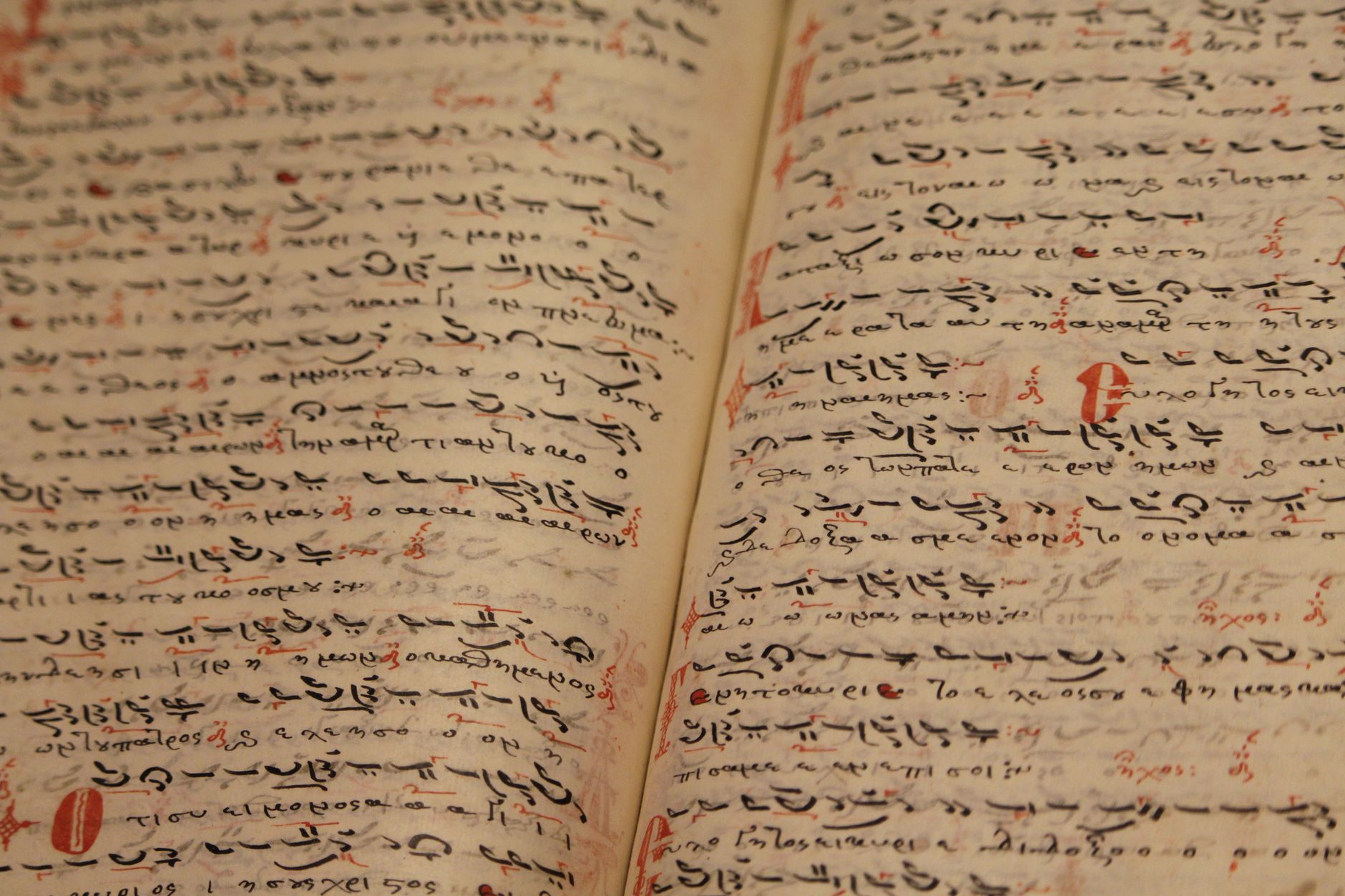
Egypt's hieroglyphs date back to around 3200 BCE, but Ge'ez — the liturgical script of Ethiopia — has been in continuous use for over 2,500 years and remains the basis of modern Amharic and Tigrinya writing. The Nsibidi script of the Igbo and Efik peoples predates European contact. Africa's written heritage is not a colonial gift; it predates most European writing systems by centuries.
For creators in the design, fashion, and visual arts space, these scripts are an untapped aesthetic goldmine. Brands like Maxivive in Nigeria and MaXhosa in South Africa have built international reputations partly by encoding indigenous visual languages into modern garments. You can do the same — reference the source explicitly, credit the tradition, and watch your content earn the respect of both local and diaspora audiences.
-
3. Ubuntu Philosophy Underpins African Community Culture — and Modern Brand Values
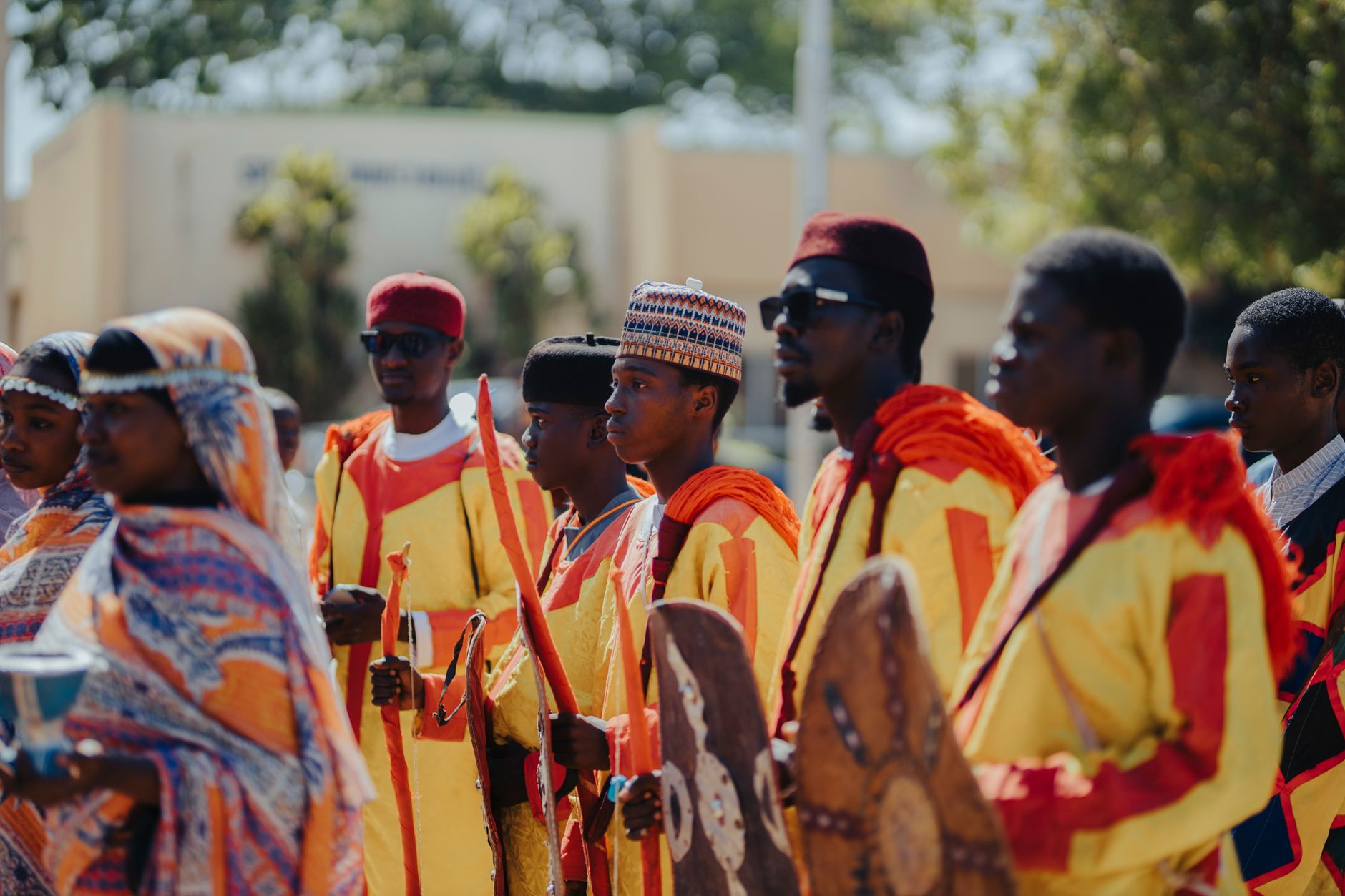
Ubuntu — loosely translated as "I am because we are" — is a Nguni Bantu philosophical concept that frames identity as fundamentally relational. It's not a slogan. It's a governance principle, a conflict-resolution framework, and a social contract that shaped post-apartheid South Africa's Truth and Reconciliation Commission. Archbishop Desmond Tutu described it as the belief that "my humanity is caught up, inextricably bound up, in yours."
For creators building community-led brands, Ubuntu offers a ready-made framework that resonates deeply with African and diaspora audiences — and increasingly with global audiences fatigued by hyper-individualist brand messaging. The risk is surface-level appropriation: slapping "Ubuntu" on a product launch without structural community investment. Audiences clock inauthenticity fast. If you use it, build it into your actual business model — revenue sharing, community funds, collaborative creator credits.
- Example: A content creator who splits brand deal revenue with their community moderators is living Ubuntu, not just hashtagging it.
-
4. African Music Is the Engine Behind Global Pop — Not Just an Influence
Afrobeats — note the "s," distinct from Fela Kuti's Afrobeat — generated an estimated $100 million in streaming revenue in 2023 alone, with artists like Burna Boy, Wizkid, and Tyla crossing into mainstream Western markets not as novelties but as headliners. The genre's rhythmic DNA now appears in tracks by Beyoncé, Drake, and Doja Cat. This is not influence — it's market capture.
Creators who understand this dynamic position themselves ahead of the curve. The next wave isn't Afrobeats alone: Amapiano from South Africa, Afro-fusion from East Africa, and Bongo Flava from Tanzania are each building streaming momentum. Check out the African music videos dominating 2025 to see exactly which sounds are breaking through right now. If your content touches music, fashion, or lifestyle, aligning with these sonic movements — before they peak globally — is a real first-mover advantage.
-
5. African Fashion Has Never Been "Traditional vs. Modern" — It's Always Been Both
The Ankara print so widely associated with West African fashion was actually introduced by Dutch traders in the 19th century — yet African designers and consumers transformed it into something entirely their own over generations. This is how African culture works: it absorbs, remixes, and redefines on its own terms. The binary of "traditional" versus "modern" is an outsider's framework, not an African one.
For fashion creators and stylists, this is liberating. There are no purity rules. A Lagos-based designer combining Aso-oke weaving with streetwear silhouettes isn't "mixing cultures" — they're continuing a centuries-old practice of creative synthesis. Meet the African stylists redefining this space and study how they communicate their design philosophy — that framing is as important as the garment itself.
- Mistake to avoid: Describing African fashion as "colorful and vibrant" without context. Every pattern has meaning — research it, name it, credit it.
- Opportunity: Partner with textile artisans and document the production process. Behind-the-scenes content from workshops in Kente-weaving communities or Kanga markets consistently outperforms polished lookbooks.
-
6. Africa's Oral Storytelling Tradition Is a Blueprint for Modern Content Strategy
Before writing, there was the griot. In West African societies, griots (known as jeli in Mande languages) were professional storytellers, historians, and musicians who preserved entire genealogies and political histories in memory and song. The griot tradition is not dead — it's been remixed into podcast hosting, YouTube long-form, and Twitter/X threads. The best African digital creators are griots with smartphones.
What makes griot-style storytelling effective for modern content? Three things: specificity (griots named names and places), rhythm (the cadence made content memorable), and social function (stories served the community, not just the teller). Apply these principles: name the specific people, places, and moments in your content. Build a recognizable vocal or visual rhythm. Ask what your audience gains — not just what you express.
-
7. African Entrepreneurs Are Building Some of the World's Fastest-Growing Tech Ecosystems
African tech startups raised $3.5 billion in venture funding in 2022, according to Disrupt Africa's funding report, with Nigeria, Kenya, Egypt, and South Africa leading. Fintech dominates — M-Pesa in Kenya processed more mobile money transactions annually than PayPal for years — but agritech, healthtech, and edtech are accelerating fast. The "Africa has no tech" narrative is not just wrong; it's about five years out of date.
For creators in the business and entrepreneurship space, this is your angle: Africa's tech story is not a future promise, it's a present reality. Covering funding rounds, founder profiles, and product launches as they happen — not six months later when Western media picks them up — builds genuine authority. Your audience in Lagos, Nairobi, or Accra already knows these stories; your job is to frame them with the depth they deserve.
-
8. African Spirituality Is Diverse, Sophisticated, and Frequently Misrepresented
Africa's spiritual landscape includes Islam (practiced by roughly 45% of the continent's population), Christianity (roughly 40%), and a rich array of indigenous spiritual systems — Ifá, Vodun, Sande, and hundreds of others — that predate both Abrahamic faiths on the continent. These traditions are not "primitive religion." Ifá, the Yoruba divination system, was inscribed on UNESCO's Intangible Cultural Heritage list in 2008 for its sophisticated philosophical and literary corpus.
Creators covering culture, wellness, or identity need to approach this terrain with precision. The common error is collapsing all indigenous African spirituality into "voodoo" — a term that carries colonial distortion and applies specifically to Haitian Vodou, itself a diaspora adaptation. Use correct names. Cite practitioners and scholars. Avoid aestheticizing sacred symbols as mere design elements without context. Audiences who hold these traditions sacred will reward accuracy with fierce loyalty.
-
9. The African Diaspora Is a Creative and Economic Force — Not Separate From Africa
The African diaspora — estimated at over 140 million people across the Americas, Europe, and beyond — sends roughly $100 billion in remittances back to the continent annually, dwarfing foreign direct investment in many countries. Culturally, diaspora creators like Michaela Coel, Donald Glover, and Lupita Nyong'o are reshaping global media while explicitly centering African identity. The diaspora is not a footnote to African culture; it's an active co-author of it.
For creators on platforms like Topping Africa, this means your audience is genuinely global — but bound by shared cultural roots, not geography. Content that speaks to the tension and joy of dual identity (the "hyphenated" experience) performs exceptionally well because it fills a gap mainstream media rarely addresses with honesty. Don't choose between "African" and "diaspora" audiences. Build for both simultaneously.
-
10. African Youth Are the World's Largest and Most Connected Young Population
By 2050, one in four people on Earth will be African, and the median age on the continent today is just 19.7 years — the youngest of any region globally. This generation is mobile-first, creator-savvy, and deeply skeptical of narratives that don't reflect their lived reality. They are not waiting to be discovered by Western platforms; they are building their own ecosystems, from Afrobeats to Nollywood to homegrown social apps.
This demographic reality is the single most important African culture fact for any creator or brand with a ten-year horizon. The creators who build trust with African youth now — through authentic, well-researched, community-rooted content — will own the most valuable cultural real estate on the internet within a decade. See how African Gen Z is already redefining luxury and lifestyle on their own terms.
- Creator opportunity: Build content that treats young African audiences as protagonists, not demographics.
- Platform tip: Short-form video (TikTok, Instagram Reels, YouTube Shorts) is the primary discovery channel for this cohort — but long-form podcast and YouTube content builds the deeper loyalty that converts to community.

Putting These African Culture Facts to Work in Your Content
Facts alone don't build audiences — framing does. Every entry above is a doorway into a specific, underserved content niche: linguistic diversity, indigenous design, community economics, tech ecosystems, spiritual heritage, and youth culture. The creators who win are the ones who pick a lane, go deep, and speak with the authority that comes from genuine research and lived proximity.
The broader point is this: Africa's cultural complexity is not a challenge to manage — it's an asset to leverage. Every layer of nuance you surface makes your content harder to replicate and more valuable to your audience. Generic "Africa content" is a race to the bottom. Specific, accurate, culturally grounded storytelling is a moat.
Ready to discover the creators already doing this at the highest level? Explore the full creator ecosystem on Topping Africa and find your next collaboration, inspiration, or community. The continent's story is being written right now — make sure you're one of the authors.
Staff
Contributing writer at Topping Africa.
0 Comments
No comments yet. Be the first to share your thoughts!