Africa’s Creator Economy Boom: How TikTok, YouTube and Instagram Are Turning Influencers into Business Leaders

Africa’s creator economy is exploding as TikTok, YouTube and Instagram turn influencers into serious business leaders. Discover how African creators are monetizing content, launching brands and building startups across Nigeria, Kenya, South Africa and Ghana.
Africa’s Creator Economy Boom Is Redefining Digital Business
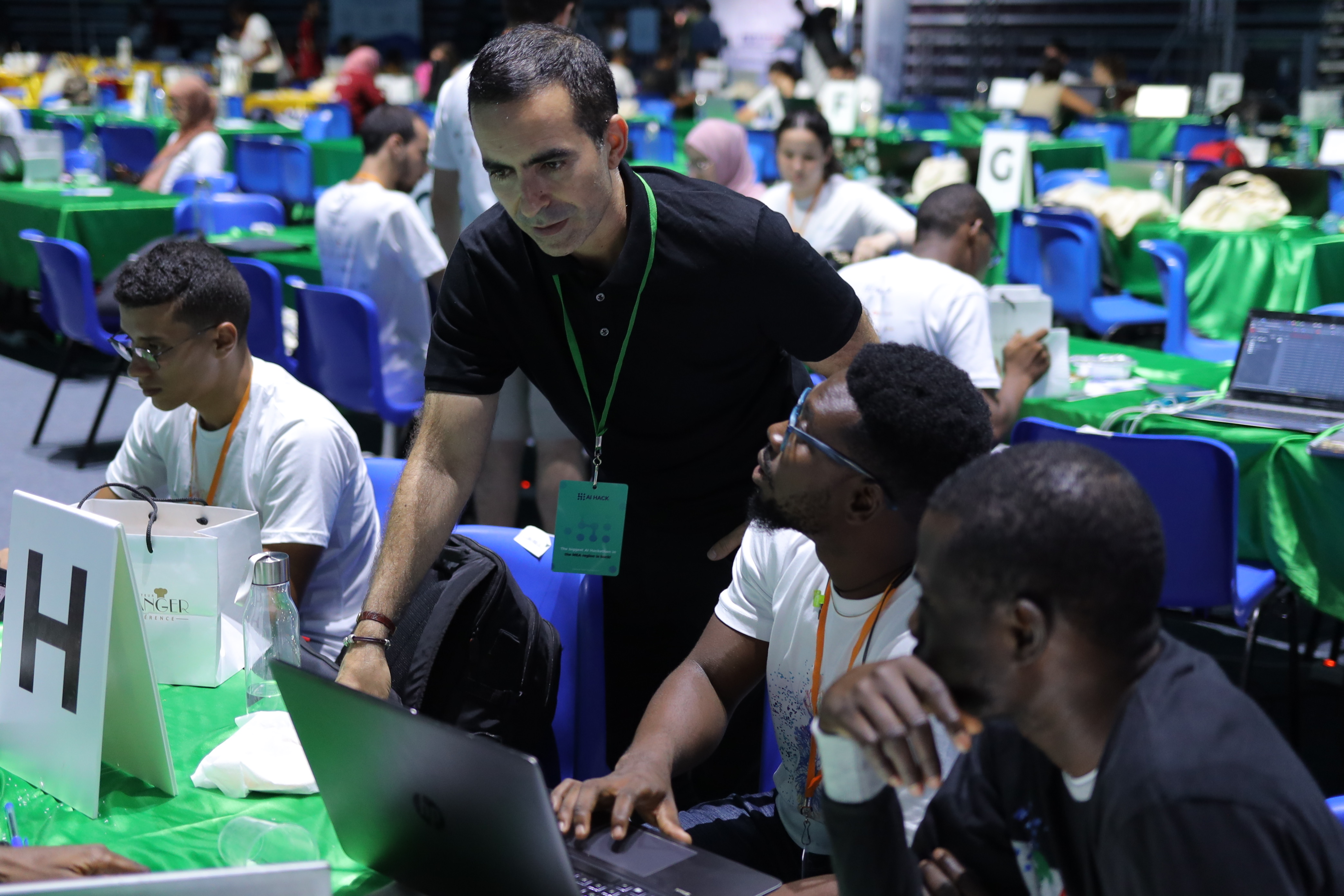
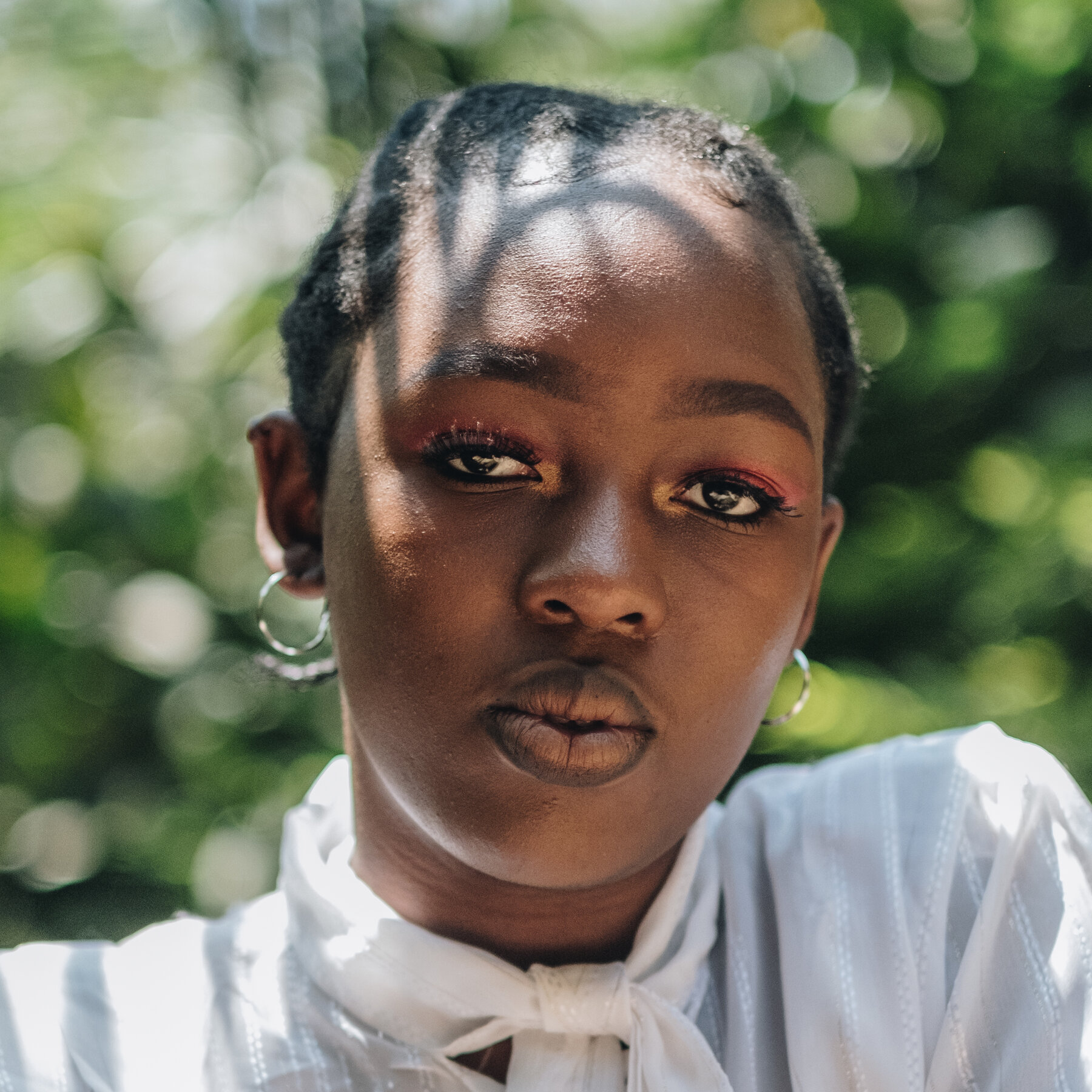
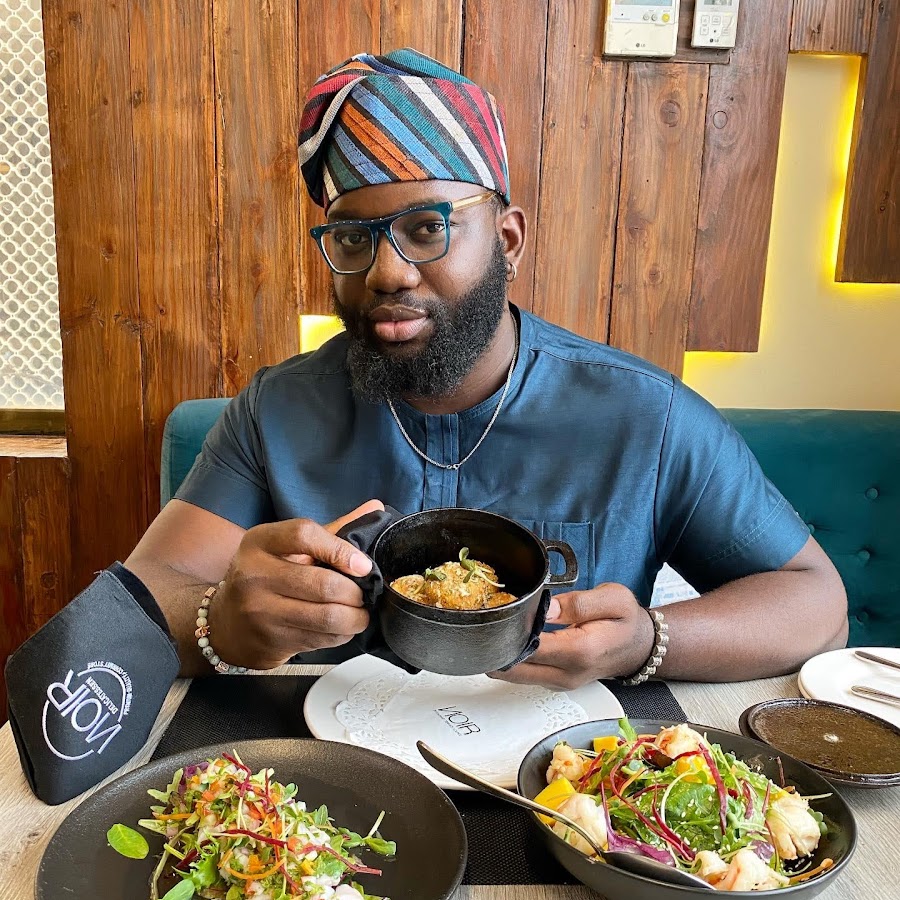
The African creator economy is no longer a side hustle story. It is a fast-growing digital business movement where you, as a creator, can turn views into revenue, and influence into real companies. Moreover, TikTok, YouTube and Instagram now sit at the center of a new class of African business leaders who started with a smartphone and a story.
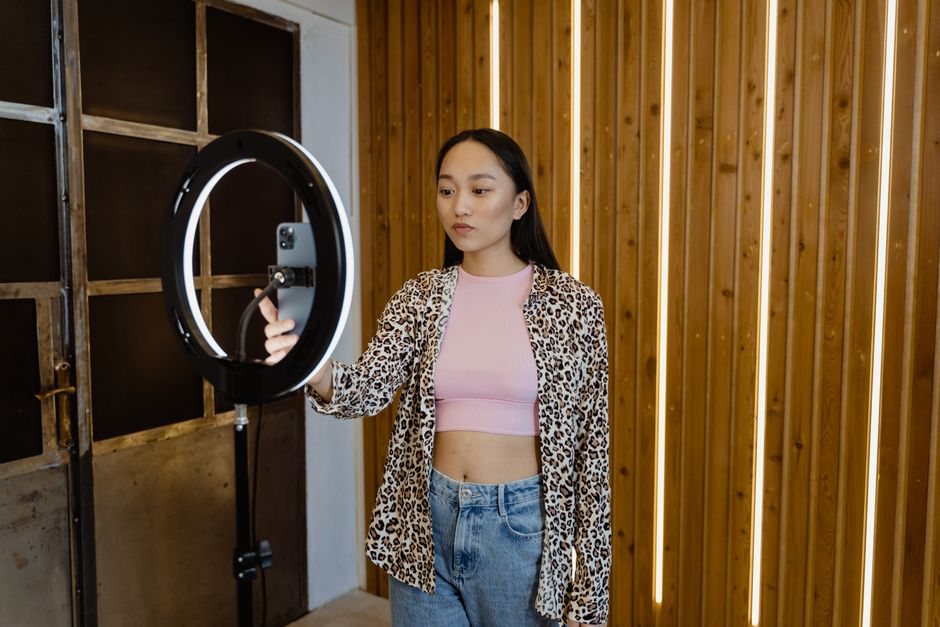
Today, global reports estimate the wider creator economy will reach hundreds of billions of dollars in value by the end of this decade, with over 200 million people worldwide identifying as creators.[2][4][8] Furthermore, African creators are taking a serious share of that growth as brands shift budgets from traditional ads to influencer partnerships and social commerce.[3] Consequently, if you treat your content like a startup, the opportunities across Nigeria, Kenya, South Africa and Ghana are bigger than ever.
In this guide, you will see how top African influencers on TikTok, YouTube and Instagram monetize, launch brands and build startups. Additionally, you will learn the key revenue streams, see real case studies, and discover practical steps to scale from creator to CEO. Ultimately, this is your playbook to build a serious business inside the African creator economy.
What Is the African Creator Economy – And Why It Matters Now
The creator economy is the network of creators, platforms, tools, and brands that let people earn from content, community, and creative skills.[2][4] Specifically, the African creator economy refers to how African creators use platforms like TikTok, YouTube and Instagram to generate income, build brands, and launch companies rooted in African culture and innovation.[3][6]
Importantly, this shift matters for three big reasons. First, it creates new digital jobs for a young population that lives online and moves fast. Second, it gives African stories and styles direct global reach without gatekeepers. Third, it unlocks fresh revenue for brands, startups and media houses that partner with creators who truly understand their communities.[2][5]
Moreover, new tools, from affiliate platforms to creator marketplaces, now make it easier for you to track revenue, sign brand deals and manage your business. As a result, being a creator in Lagos, Nairobi, Johannesburg or Accra can feel more like running a lean tech startup than just posting content.[1][7]
Key Drivers Behind Africa’s Creator Economy Surge
- Cheaper smartphones and data: Additionally, more Africans now own smartphones capable of recording HD video, editing clips and uploading content from anywhere.
- Short-form video dominance: TikTok, Instagram Reels and YouTube Shorts reward creativity over studio budgets, which gives you a fairer starting line.
- Brand demand: Furthermore, global and African brands want authentic local voices to power campaigns that feel real, not scripted.[3][5]
- Payments and fintech: Mobile money, virtual cards and fintech startups make it easier to receive international payments and platform payouts.
- Culture export: Afrobeats, Amapiano, African fashion and comedy travel worldwide, pulling global audiences back to African creators.
Consequently, the platforms are ready, the audiences are engaged, and the money is flowing. The next step is treating your influence like a serious business.
How TikTok, YouTube and Instagram Power the African Creator Economy
Each platform plays a different role in your creator business stack. Additionally, when you understand how TikTok, YouTube and Instagram work together, you can design a smarter growth and monetization strategy.
TikTok: The Discovery and Virality Engine
TikTok’s algorithm favors short, engaging clips and puts content in front of people who do not follow you yet. Therefore, it is your best bet for explosive discovery and trend-driven growth across the African creator economy.[6] For many African influencers, TikTok is the first place they build a large audience.
For instance, Nigerian skit makers and dancers often land millions of views from a single video, then redirect traffic to Instagram and YouTube where monetization is deeper. Moreover, TikTok’s live gifting, brand sponsored challenges, and affiliate links are emerging revenue streams that creators in Kenya and South Africa now test aggressively.
However, you should view TikTok as the top of your funnel. You use it to grab attention, test formats, and grow your personal brand fast. Then, you move your most loyal fans into spaces where you control more of the relationship and revenue.
YouTube: The Revenue Workhorse and Long-Form School
YouTube remains the most reliable direct-earning platform for African creators who qualify for the YouTube Partner Program.[2][4] Additionally, ad revenue, memberships, Super Thanks, and live Super Chats can all combine into a strong income stack, especially for longer-form content.
Kenya’s tech reviewers, South Africa’s gaming streamers, and Nigeria’s lifestyle vloggers often treat YouTube as their core business hub. Moreover, the platform rewards educational, evergreen and niche content that builds authority over time. Consequently, if you consistently publish high-quality videos, you can build stable monthly revenue that supports a full-time team.
On the other hand, YouTube demands strong production, longer watch times and regular uploads. Therefore, many African creators use revenue from sponsorships, digital products and brand deals to upgrade gear, hire editors, and improve their storytelling.
Instagram: The Brand and Commerce Powerhouse
Instagram, including Reels, Stories and Shops, remains the go-to platform for visual storytelling, lifestyle branding and direct social commerce. Furthermore, brands across fashion, beauty, travel and food tend to prioritize Instagram for influencer campaigns in markets like Nigeria, Ghana, and South Africa.[3]
Importantly, your Instagram profile often acts as your digital business card. It shows your aesthetic, your community vibe, and your ability to craft compelling posts that sell products or experiences. Additionally, features like Instagram Shops, product tags and creator marketplaces give you more ways to convert attention into sales.
Therefore, many creators use TikTok for growth, YouTube for depth, and Instagram for brand deals and entrepreneurship. When you align content formats and posting rhythm across all three, you create a powerful ecosystem for your digital business.
From Influencer to Business Leader: Revenue Streams You Should Master
If you want to move from content hobbyist to serious business operator, you need multiple income streams. Additionally, the most successful African creators rarely depend on one platform payment or a single brand deal. Instead, they build layered revenue models that mirror startups and media companies.[2][5][7]
1. Platform Monetization: Ads, Bonuses and Live Features
First, you can tap into direct platform programs. YouTube ad revenue, TikTok’s creator fund or rewards, and Instagram’s evolving creator tools can all deliver a baseline income. Moreover, features like live gifting, fan subscriptions and in-stream ads add new ways to earn from superfans.[4][5]
However, payouts in African markets sometimes lag behind Western benchmarks due to ad rates and regional budgets. Therefore, you should see platform income as a foundation, not the end goal. The real growth comes when you pair it with brand deals and your own products.
2. Brand Deals, Sponsorships and Long-Term Partnerships
Brand partnerships are still the engine of income for many top African influencers. Additionally, global brands in beauty, tech, banking, and telecom now allocate significant budget to local creators with strong engagement.[3][5] If you build a niche and clear voice, you can charge for sponsored posts, product placements, shout-outs, and event appearances.
Moreover, the smartest creators push for long-term partnerships instead of one-off campaigns. This approach gives you monthly retainers, predictable income, and deeper integration into product launches or brand strategy. As a result, you move closer to being a strategic partner, not just a media channel.[2][5]
To negotiate better deals, you need solid analytics, a clear media kit, and a confident understanding of your audience demographics. Furthermore, you should track link clicks, sales, and sign-ups with affiliate codes or UTM links to prove your value.[2]
3. Affiliate Marketing and Social Commerce
Affiliate marketing lets you earn a commission when your audience buys products or services through your unique links. Additionally, this works especially well in beauty, fashion, gadgets and online courses. TikTok and Instagram now support native shopping tools, while external affiliate platforms and local e-commerce sites support creators too.[4][5]
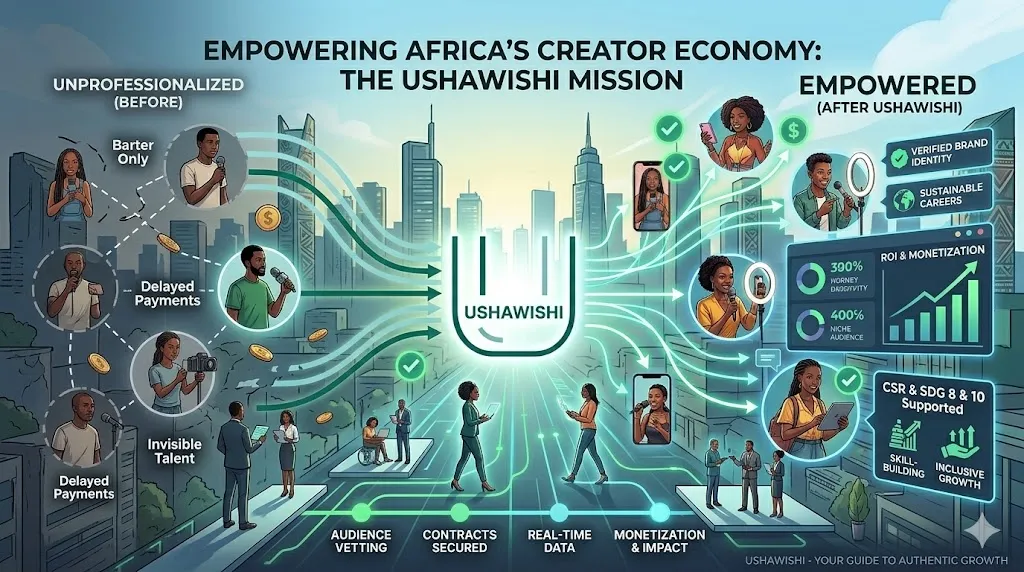
Furthermore, African e-commerce and fintech startups are launching tools to help you track sales, handle payouts and manage cross-border transactions. Therefore, if you already recommend products daily, converting those recommendations into recurring affiliate income is a logical next step.
4. Your Own Products: From Merch to Digital Brands and Startups
Ultimately, the biggest business leap happens when you launch your own products or startups. Many African creators now treat their audience as the first customer base for:
- Fashion labels and streetwear brands
- Beauty and skincare lines built around African skin and hair needs
- Online courses, e-books and masterclasses
- Tech startups in fintech, creator tools or media platforms
- Events and festivals that extend the brand offline
Consequently, you stop relying on brand budgets alone and start building assets you fully own. Additionally, this shift often requires partners, investors, or co-founders with strengths in operations, finance and product development, turning you from solo creator into company leader.
Case Studies: African Creators Turning Influence into Business
To understand how this works in real life, you should look at how creators in Nigeria, Kenya, South Africa and Ghana convert followers into solid businesses. Additionally, these case studies highlight different paths you can follow in the wider African creator economy.
Nigeria: Entertainment, Beauty and Fintech Collaboration
Nigeria hosts some of the continent’s most influential digital stars, driven by Afrobeats, Nollywood, and a huge Gen Z population. Moreover, creators often mix comedy, music, fashion and lifestyle content, then expand into product lines or tech investments.
For instance, many Nigerian beauty and lifestyle influencers build strong Instagram communities, then launch makeup brands or collaborate with established African cosmetics companies. Additionally, music creators and DJs leverage YouTube and TikTok to showcase live sets, sell merch and secure global bookings.
Furthermore, Nigerian fintech startups frequently work with influencers to drive adoption of digital wallets, savings apps and investment platforms. As a result, creators play a central role in shaping how young Nigerians use money and access financial services.
Kenya: YouTube Education, Tech Reviews and Startup Thinking
Kenya’s creator scene has a strong focus on education, tech and lifestyle vlogging. Additionally, many Kenyan YouTubers dive into product reviews, coding tutorials, personal finance and startup storytelling. Consequently, they attract audiences that value depth and practical insight.
Moreover, Kenyan creators often partner with local tech hubs, co-working spaces and African startups to produce sponsored explainers, founder interviews and product demos. This approach positions them as thought leaders within the region’s tech ecosystem. As a result, some creators go on to launch their own media companies or SaaS tools focused on content and community management.
In addition, TikTok has unlocked new visibility for Kenyan comedians, dancers and lifestyle creators, who then direct their most engaged fans to YouTube memberships, live events and digital products.
South Africa: Lifestyle, Gaming and Amapiano Culture
South Africa’s creators thrive across lifestyle, fashion, gaming and music, especially around the global rise of Amapiano. Additionally, Instagram and TikTok drive virality for dance challenges, style content and skits, while YouTube delivers deeper storytelling and monetization.
Furthermore, South African gaming creators and streamers are turning long hours online into sponsorships with hardware brands, telecoms and energy drink companies. They also monetize through YouTube ads, streaming donations and affiliate deals on equipment and games. Consequently, gaming is now a serious path within the broader African creator economy.
On the fashion side, creators often collaborate with local designers and retailers, co-create capsule collections, and drive foot traffic to stores or online drops. Moreover, some go further and build full-scale streetwear or luxury brands that ship globally.
Ghana: Music, Travel and Diaspora Connections
Ghana’s creator landscape taps into Afrobeats, travel content and strong links with the African diaspora. Additionally, events like “Year of Return” and ongoing tourism campaigns have turned Accra and other cities into content hotspots for vloggers and lifestyle creators.
Ghanaian music influencers and DJs lean on TikTok and YouTube to break new tracks, host live mixes and monetize through events, brand deals and streaming platforms. Moreover, travel and culture vloggers use Instagram to showcase local food, fashion and hidden gems, then sell curated experiences or partner with hotels and airlines.
As a result, Ghanaian creators help fuel tourism, hospitality and local creative industries, while building strong personal brands and cross-border business opportunities.
Key Challenges for African Creators – And How to Solve Them
Despite the momentum, you still face real challenges as an African creator. Additionally, if you treat these like business problems, you can design smart solutions and stay ahead of the curve.
1. Monetization Gaps and Payment Barriers
Many global platforms launched monetization features in the US and Europe first, and some tools still roll out slowly in African markets. Additionally, payment systems, currency limits and access to global banking can create friction when you try to cash out.[1][3]
Therefore, you should diversify income beyond platform payouts, use fintech solutions like virtual dollar cards and explore local creator platforms that offer more direct payment paths. Moreover, working with African brands and startups can reduce cross-border payment headaches.
2. Policy, Regulation and Creator Education
Several African countries are still updating digital and tax policies for the creator economy. Additionally, creators often lack clear guidance on contracts, taxation and intellectual property.[1][7] Consequently, some influencers underprice deals or sign unfair agreements.
To protect your business, you should invest in basic legal advice, learn the fundamentals of contracts, and track your finances from day one. Furthermore, platforms and startups in the ecosystem are increasingly offering educational programs and workshops to help creators treat their work like a real company.[1]
3. Burnout, Consistency and Team Building
Content creation at scale is demanding. Moreover, as your audience and deals grow, it becomes harder to do everything alone. Filming, editing, negotiating, bookkeeping and community engagement can overwhelm you.
Therefore, think like a startup founder. As revenue grows, hire editors, managers, or social media assistants. Additionally, use scheduling tools, batch production and clear content pillars to maintain consistency without burning out.
How You Can Build a Sustainable Creator Business in Africa
To thrive in the African creator economy, you need both creative excellence and business discipline. Additionally, you should follow a clear roadmap that turns your influence into sustainable income and long-term assets.
Step 1: Define Your Niche, Audience and Platform Mix
Start by choosing a niche where you can lead, not just follow. Additionally, think about the problems you solve or the joy you bring. Are you focused on tech reviews, fashion styling, comedy, music, gaming, travel, or education?
Moreover, define your audience by age, region, language and interests. Then, select your primary and secondary platforms. For example, you might choose TikTok and Instagram for a fashion niche, or YouTube and TikTok for in-depth tech content.
Ultimately, clarity on who you serve and where you show up makes every content decision easier.
Step 2: Build a Strong Brand Identity and Content System
Your brand is more than a logo or handle. Additionally, it is your voice, visual style, values and story. You should make sure your bio, profile image, and grid or channel layout all align with the niche you chose.
Furthermore, create 3-5 content pillars you can rotate weekly. For instance, you might mix tutorials, behind-the-scenes clips, reviews, and lifestyle moments. Consequently, your audience knows what to expect, and you avoid creative blocks.
As your brand grows, you can extend into merchandise, digital products, or collaborations that match your identity and values.
Step 3: Monetize Early, Then Diversify Smartly
You do not need a million followers to start earning. Additionally, micro and mid-tier creators often drive higher engagement and better conversion for brands.[2][5] Therefore, pitch smaller but aligned brands early, offer clear deliverables, and track results.
Moreover, layer in monetization as you grow: platform payouts, affiliate links, digital products, memberships, and eventually, your own brand. As a result, a drop in one area, like lower ad rates, will not crush your entire business.
Importantly, always keep your audience’s trust at the center. Choose partnerships you genuinely believe in, and turn down deals that clash with your values or community expectations.
Step 4: Treat Data, Legal and Finance Like Core Skills
In the modern African creator economy, you compete on more than creativity. Additionally, you must understand your metrics, contracts and cash flow. Track views, watch time, click-through rates and conversion for every major campaign.
Furthermore, keep written agreements for sponsorships, including timelines, payment terms and usage rights for your content.[2][5] Use simple accounting tools or hire a part-time accountant to manage invoices and taxes.
Consequently, when brands and investors see that you run a clean business, they trust you with bigger deals and long-term partnerships.
How African Startups and Brands Can Support the Creator Economy
The boom of the African creator economy does not only benefit influencers. Additionally, it creates massive opportunity for African startups, agencies and brands to build tools, platforms and services around creators.
Opportunities for African Tech Startups
African founders can build:
- Creator fintech tools for payouts, tax support and cross-border earnings.
- Influencer marketplaces that match brands with vetted creators across niches and regions.
- Analytics platforms that track creator performance across TikTok, YouTube and Instagram.
- Education platforms focused on contracts, pricing and growth strategies for creators.[1][7]
Additionally, by designing for African contexts – from mobile money to local languages – these startups can unlock new value and generate regional advantage.
How Brands Can Win by Partnering with African Creators
Brands that succeed in this space treat creators as strategic partners, not just media slots.[2][5] Additionally, they co-create campaigns, give creative freedom, and measure outcomes beyond vanity metrics. Consequently, they build deeper trust with target communities.
Moreover, brands should invest in long-term relationships, fair compensation and transparent communication. If you represent a brand, you can start small with a few aligned creators, test messaging, and scale what works.[2]
To learn more about how brands and creators collaborate, you can read global trend breakdowns from platforms like Salesforce, Impact.com, and AppSumo.
Explore More on Topping Africa
If you are excited by the energy of the African creator economy, you should explore the wider innovation and culture shaping the continent. Additionally, Topping Africa covers the stories, startups and stars redefining what is possible.
- Technology: Discover African tech startups, fintechs and creator tools powering digital growth.
- Entertainment: Read more about African celebrities, viral creators and the new wave of digital stars.
- Business & Economy: Explore how creators, founders and investors build the next generation of African companies.
Additionally, you can dive into Culture & Lifestyle and Africa News for context on trends that shape audiences, spending and digital habits across the continent.
Final Thoughts: Your Next Move in the African Creator Economy
The African creator economy is still in its early chapters, but the direction is clear. Creators who treat their platforms like startups, diversify revenue and build strong brands will lead the next wave of African business leadership. Additionally, they will shape how the world sees African culture, technology and innovation.
Now is the time to refine your niche, sharpen your strategy and invest in your skills. Moreover, you should collaborate with other creators, partner with startups, and stay close to your community’s needs. As a result, you will build not just an audience, but a lasting business.
If this guide helped you, share your thoughts, leave a comment on Topping Africa, and subscribe for more deep dives into African creators, tech and culture. Additionally, explore more features across Technology, Entertainment, and Business & Economy to stay ahead of the next big shift.

Staff
Contributing writer at Topping Africa.
0 Comments
No comments yet. Be the first to share your thoughts!