
African Tech Startups Changing Everyday Life in 2026: The Lifestyle Apps You Can’t Ignore

African tech startups are transforming how you shop, move, eat, pay, and connect in 2026. From mobility to fintech and wellness, discover the African startups lifestyle apps shaping everyday life across the continent.
African startups lifestyle: how tech is rewriting your daily routine
You feel it every time you order food, split a bill, or call a ride – African startups lifestyle products now shape your day. Across Lagos, Nairobi, Johannesburg, Accra, Kigali, and Cairo, new apps and platforms turn everyday hustle into smoother, smarter routines. Moreover, these lifestyle-focused startups are no longer side tools; they sit at the centre of how people shop, move, pay, relax, and connect.

Consequently, your phone has become your key to the modern African city, from on-demand rides to digital banks. Furthermore, a new wave of founders, creatives, and influencers pushes this shift, blending culture, content, and code. In this guide, you will discover the African tech startups changing everyday life in 2026 – and how you can use them to upgrade your own routine.
From super apps to street markets: shopping and commerce in the African startups lifestyle
Shopping across African cities is moving from crowded markets to curated digital experiences without losing local flavour. Additionally, social media, live shopping, and creator-led brands are merging with e-commerce platforms to create a new kind of marketplace. As a result, you can now buy everything from streetwear to skincare with a few taps, often from homegrown labels led by young founders.
Notably, major players like Jumia and Takealot helped build trust in online shopping, while newer platforms focus on niche and lifestyle segments. Moreover, Instagram and TikTok shops powered by African creators are turning your feed into a mobile mall. You are not just buying products; you are buying stories, identities, and communities.
- Social commerce tools let micro-sellers in Lagos, Accra, and Dar es Salaam run full shops on WhatsApp and Instagram.
- Logistics startups partner with riders and informal couriers to speed up same-day deliveries.
- BNPL (buy now, pay later) services give you flexible payment options for fashion, gadgets, and home goods.
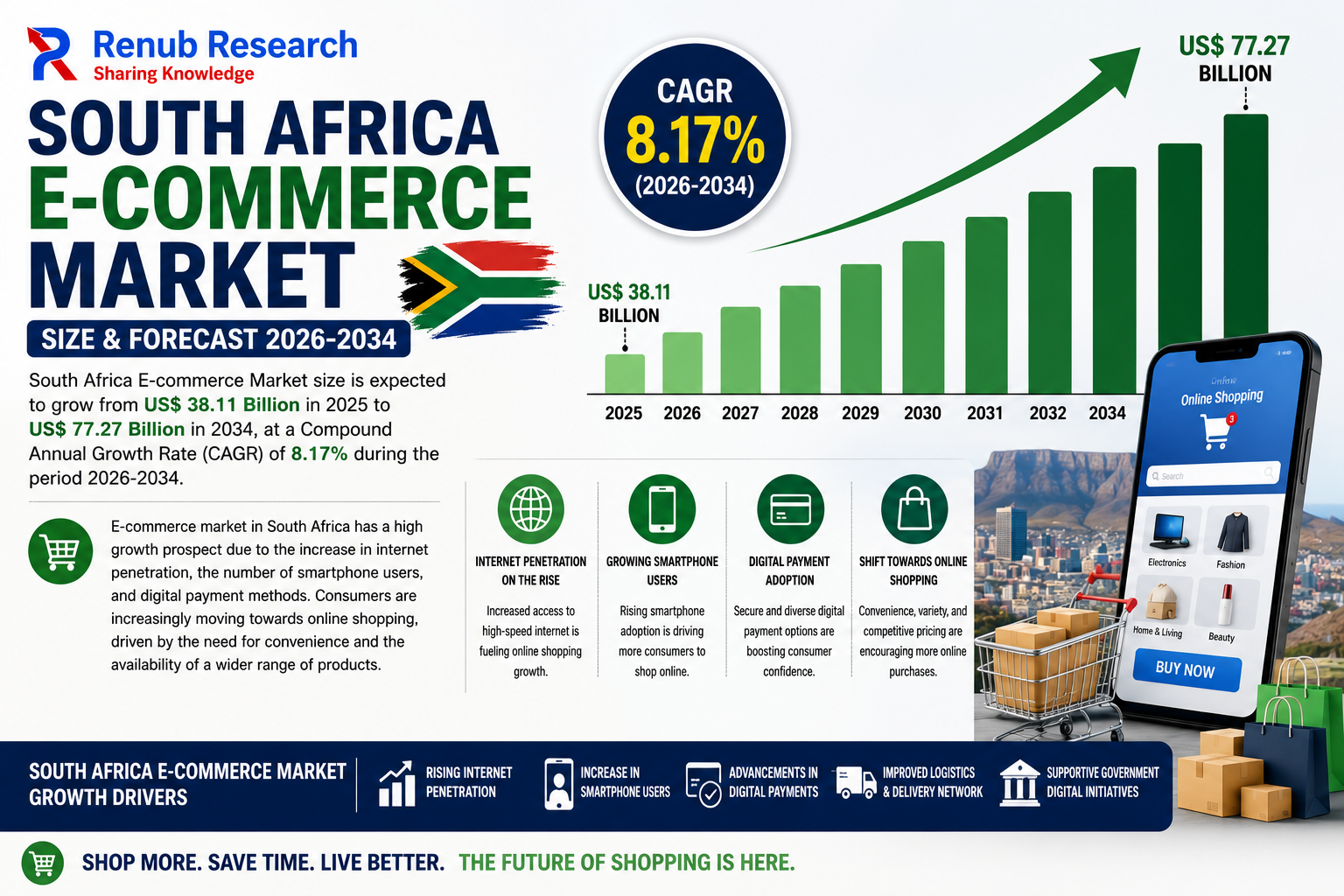
For instance, data from platforms like Startup Map Africa shows strong growth across e-commerce, logistics, and retail-tech startups building for local consumers[1]. Meanwhile, South African startups continue to attract funding for fintech and retail innovation, which supports faster, safer online payments across the continent[2]. If you want to dive deeper into how tech shapes consumer trends, you can explore more in Business & Economy and Technology on Topping Africa.
Mobility and on-demand services: the new rhythm of African city life
Getting around African cities used to mean knowing the exact bus stop, the right informal route, and the best time to leave. Today, mobility and on-demand startups are rewriting that playbook. Consequently, ride-hailing, bus-booking, and logistics apps give you more control over your movement, time, and safety.
Furthermore, platforms like Uber and Bolt opened the door, but homegrown mobility startups built the local layer. For instance, companies like BuuPass, highlighted among notable African startups to watch, help people book intercity buses more easily and securely[4]. Similarly, logistics and transport innovators featured on Bloomberg’s list are making it easier for goods and people to move in cities where infrastructure is still catching up[4].
Additionally, electric mobility is gaining serious momentum in East and West Africa. You now see e-bikes and electric buses in Nairobi, Kigali, and Kampala, many driven by local startups and regional investors. As a result, commuting is slowly becoming cleaner, more predictable, and more data-driven.
- On-demand ride-hailing makes late-night events and early-morning flights safer and more convenient.
- Bus and shuttle platforms aggregate routes, prices, and schedules for intercity and commuter trips.
- Same-day delivery services connect small businesses to customers in crowded neighborhoods.
Ultimately, these mobility tools change how you plan your day, choose where to live, and decide which events to attend. If you follow African celebrities and influencers, you already see them tagging rides, trips, and lifestyle services in their content. You can read more about how mobility collides with culture in our Culture & Lifestyle and Africa News sections.
Wellness, fitness, and mental health: lifestyle apps reshaping how you care for yourself
Health and wellness in Africa are no longer limited to clinics and gyms. Instead, you now have a growing stack of apps and platforms that support your fitness, mental health, and daily habits. Moreover, these startups design for local realities – limited time, patchy infrastructure, and tight budgets.
Many African healthtech startups on global watchlists focus on diagnostics and access to doctors, but there is a rising lifestyle layer[4]. For example, digital fitness creators run live workout sessions on Instagram and YouTube for audiences across Lagos, Nairobi, and Johannesburg. Additionally, wellness apps push daily challenges, meal plans based on local foods, and mindfulness content voiced by African coaches.
- Telehealth platforms connect you to doctors for quick consultations, prescription renewals, and follow-ups.
- Fitness content creators host interactive classes that feel like a gym session in your living room.
- Mental health platforms pair you with counsellors or peer groups who understand African urban stress.
According to regional reports from platforms tracking African startups, healthtech remains one of the most active categories, supported by both local and international investors[1][4]. Therefore, you can expect more personalised wellness tools targeted at African cities, languages, and lifestyles. To stay informed on wellness trends powered by tech, remember to explore our Health & Wellness coverage.
Food delivery and on-demand dining: your next meal is now a tap away
Your relationship with food in the city has changed drastically in the last five years. Today, food delivery and grocery startups plug you into restaurants, street food spots, and dark kitchens that you might never visit in person. Consequently, young professionals, students, and creators across the continent lean on these services to handle busy, unpredictable schedules.
Moreover, the food delivery trend ties closely to influencer culture. You see food bloggers and lifestyle creators hosting tasting sessions, rating delivery services, and sharing promo codes with their followers. Additionally, supermarkets and local markets now plug into these delivery platforms to keep up with demand, especially in fast-growing neighborhoods.
- Restaurant delivery apps make it easy to discover new spots through ratings, photos, and creator reviews.
- Quick-commerce services promise groceries in under 30 minutes in some dense urban zones.
- Cloud kitchens let chefs and food influencers launch delivery-only brands with low overhead.
Notably, venture data shows that logistics and delivery-focused startups continue to attract interest, especially those that solve last-mile challenges in African cities[4][7]. As a result, your favourite local dish is now as close as your smartphone, whether you are in Lekki, Westlands, or Sandton. If you enjoy lifestyle and food stories mixed with tech, read more about them in our Culture & Lifestyle section and share your thoughts with the community.
African startups lifestyle and money: how fintech made your phone your bank
When you think of the phrase African startups lifestyle, fintech probably comes to mind first. Across the continent, digital wallets, virtual cards, and savings apps run your financial life behind the scenes. Furthermore, these tools have become so normal that splitting a bill in cash now feels slow and unfamiliar.
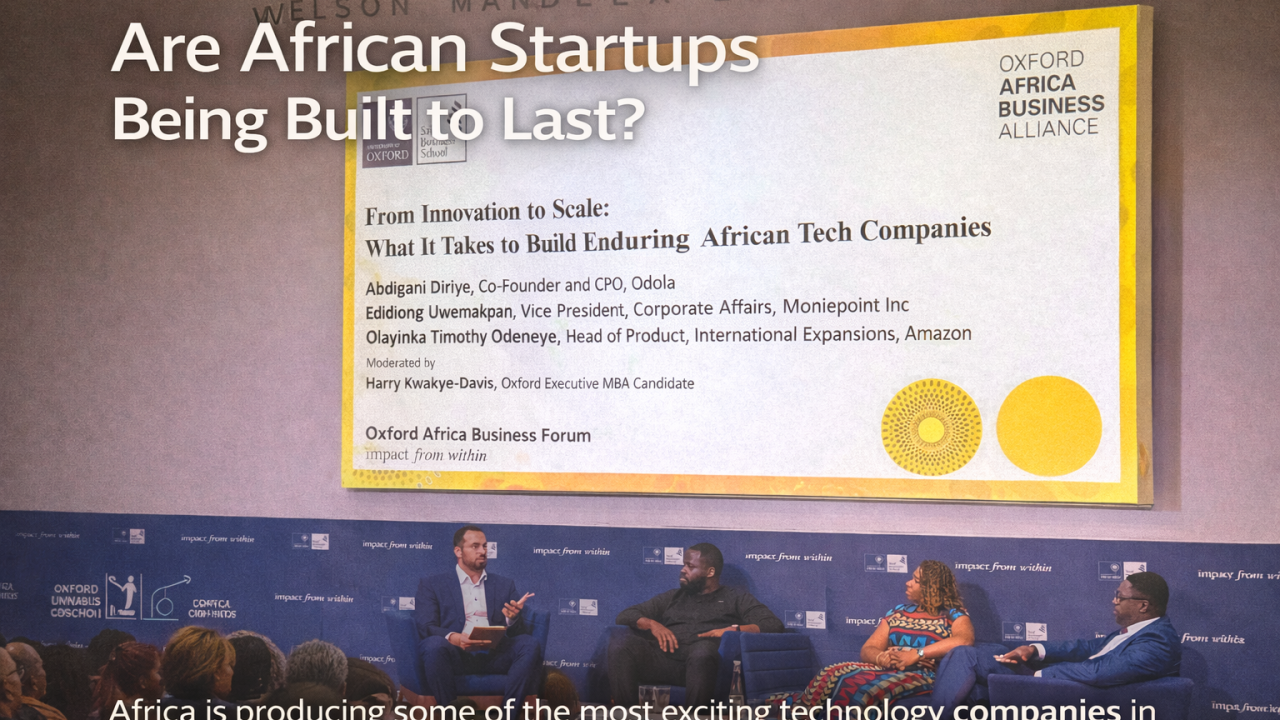
According to several ecosystem trackers, fintech remains the largest category by funding volume in African tech, fueling everyday products from payments to lending[1][4][7]. For instance, South African fintech startups highlighted as key players in 2026 show how digital banking and alternative lending now support millions of users[2]. Likewise, West African and East African startups build solutions around mobile money, remittances, and creator payments.
- Neobanks and digital accounts let you open and run bank accounts from your phone in minutes.
- Micro-savings and investment apps help you save small amounts and buy local or global assets.
- Creator monetisation tools allow influencers to receive tips, subscription payments, and brand fees seamlessly.
Additionally, many fintech companies now partner with lifestyle brands, events, and festivals to offer discounts, cashbacks, or ticketing solutions. Consequently, your choice of financial app can shape which concerts you attend, which fashion drops you access, and how easily you pay for them. If you want to track how fintech meets entertainment and culture, discover more in Business & Economy and Technology on Topping Africa.
Social discovery, dating, and community apps: where culture, creators, and code collide
Beyond money and movement, one of the biggest shifts you feel is how you meet people. Social discovery, dating, and community platforms now form a core part of the urban African lifestyle. Moreover, these apps reflect local culture, humour, and language in ways global platforms sometimes miss.
Some African startups focus on niche communities, from creatives and entrepreneurs to sports fans and gamers. Additionally, lifestyle-focused dating apps put safety and cultural nuance at the centre, respecting religious, family, and social expectations. Importantly, African influencers and content creators play a central role in how these platforms grow and how you experience them.
- Dating apps tailor profiles, prompts, and safety features around African social norms.
- Interest-based networks bring together music lovers, fashion fans, and entrepreneurs across borders.
- Live-audio and video platforms enable creators to run hangouts, talk shows, and virtual watch parties.
Furthermore, major global platforms like TikTok and Instagram continue to shape discovery, but they do so through African faces and voices. According to industry analysis on creator economies worldwide, African creators are among the fastest-growing segments on short-form video platforms[8]. As a result, your social graph is becoming more regional, more creative, and more entrepreneurial every year.
Influencer culture and African content creators powering lifestyle products
You cannot talk about lifestyle apps in Africa without talking about the creators who move culture. African influencers drive discovery for fintechs, food apps, ride-hailing services, and wellness brands every day. Additionally, they sit at the crossroads of tech, entertainment, fashion, and everyday life.
For instance, Elsa Majimbo helped show how African content can go global from a bedroom in Nairobi, sparking brand deals and collaborations worldwide. Similarly, Nigerian creator Jackie Aina continues to influence beauty standards, product choices, and brand strategies for African and diaspora audiences. Moreover, South African entertainers and influencers frequently partner with local fintechs and mobility startups to drive adoption, often through storytelling and comedy.
- Launch campaigns led by creators help new apps gain trust in markets where people rely on word-of-mouth.
- Educational content from tech-savvy influencers teaches you how to use finance or wellness tools better.
- Affiliate and referral codes turn everyday fans into micro-ambassadors for lifestyle startups.
Reports on the global creator economy highlight that brands now allocate more budget to creator partnerships than traditional ads in many markets[8]. Consequently, African startups that understand influencer culture move faster, gain more loyal users, and embed deeper into your daily life. If you love following creators who bridge tech and lifestyle, read more about them in our Entertainment and Culture & Lifestyle sections, and subscribe for future profiles.
Regional snapshots: how African startups shape lifestyle across key hubs
Although African cities share many lifestyle trends, each region has its own tech flavour. Therefore, understanding how startups operate in West, East, Southern, and North Africa helps you see the full picture. Additionally, funders and ecosystem builders now treat these hubs as connected but unique markets, especially after 2025’s funding shifts[4][7].
West Africa: fintech, music, and social discovery
In West Africa, especially Nigeria and Ghana, fintech and entertainment dominate the lifestyle stack. Furthermore, music streaming, event platforms, and ticketing startups ride the wave of Afrobeats and live shows. You might pay for concerts through mobile money, share tickets in group chats, and follow after-parties on social apps.
According to regional startup lists and funding trackers, Nigerian companies remain strong in payments, lending, and remittances[4][7]. Additionally, creators in Lagos and Accra often act as early adopters for lifestyle products, from fashion resale apps to ride-hailing services. As a result, what trends here frequently spreads across Anglophone Africa soon after.
East Africa: mobility, climate-smart living, and digital communities
East Africa’s lifestyle tech often centres on mobility, climate, and community. Nairobi, Kigali, and Kampala host startups working on electric buses, digital matatu routes, and sustainable food systems[1][4]. Furthermore, regional entrepreneurs experiment with community savings apps and group investment tools built on long-standing social finance traditions.
Additionally, creative communities in Nairobi, Addis Ababa, and Dar es Salaam use digital tools to collaborate, share work, and host events. You might join a photography walk, coding bootcamp, or rooftop concert organised entirely through community apps and WhatsApp groups. Consequently, the line between tech startup and cultural movement is thin in many East African cities.
Southern Africa: insuretech, wellness, and creator-driven brands
Southern Africa, with Johannesburg and Cape Town as anchors, has a strong base of fintech, insuretech, and healthtech startups[2][4]. As highlighted in recent analyses, South African startups are deploying AI and data to reinvent banking, insurance, and health services for consumers[2]. Moreover, lifestyle brands and wellness startups often plug into this infrastructure to offer subscription services and personalised experiences.
Additionally, South African creators and celebrities bring major visibility to lifestyle apps, from digital banks to food delivery. Live events, festivals, and sports moments regularly feature integrated fintech and ticketing experiences. Therefore, you see a mature loop where startups, content, and culture constantly feed each other.
North Africa: super apps, commerce, and youth culture
In North Africa, youth-heavy populations in Cairo, Casablanca, Tunis, and Algiers push demand for super apps and commerce platforms. Furthermore, many startups blend payments, mobility, and shopping in single apps designed for dense urban living. Regional founders also tap into strong engineering talent and connections to Middle Eastern and European markets[4][7].
Moreover, North African music, film, and fashion scenes are deeply intertwined with social media platforms where lifestyle startups advertise and integrate services. You might watch a live show on your phone, tip the artist, and order food from the same device in minutes. Consequently, this mix of culture and convenience defines the modern North African city experience.
Data, investment, and what 2026 means for your lifestyle apps
As 2026 unfolds, African startups operate in a tougher but more focused funding environment. Investment reports show that equity funding dipped from earlier peaks, while debt and revenue-based financing grew[4][7]. Nevertheless, many of the startups that survived the 2023–2025 reset now have stronger business models and clearer paths to profitability.
According to Bloomberg’s latest list of 25 African startups to watch, nearly half of the funding raised by featured companies came from African investors[4]. Additionally, this shift indicates more local belief in homegrown solutions, especially in sectors like fintech, healthtech, logistics, and agriculture. For you, that means more stable services, better customer support, and products designed to last, not just to raise the next funding round.
Global ecosystem trackers like Startup Map Africa, Bloomberg, and Seedtable highlight this trend toward more resilient African tech ecosystems[1][4][7]. Moreover, these sources help you spot the startups most likely to become part of your daily routine in the next few years. If you want to keep up, read more about these shifts on Topping Africa and share your thoughts with other readers.
How you can plug into the African startups lifestyle in 2026
At this point, the question is not whether lifestyle startups will shape African cities; it is how you will use them. Furthermore, you can choose to be an early adopter, a mindful user, or even a builder inside this growing ecosystem. Importantly, your choices – which apps you trust, which creators you follow, which brands you support – help decide which startups win.
- Curate your app stack: Audit your phone and keep the lifestyle apps that genuinely save time, money, or stress.
- Support local creators: Follow, share, and engage with African content creators who highlight responsible, useful tech products.
- Give feedback: Many startups listen closely; when you share reviews and ideas, you help shape the next version.
- Protect your data: Learn the basics of privacy and security for payments, health, and social apps.
- Explore opportunities: If you are entrepreneurial, look into accelerators, grants, and fellowships supporting African innovators[5][6].
Additionally, you can use these apps to support small businesses, local restaurants, independent artists, and community-led projects. Consequently, your daily clicks, taps, and swipes fuel a more vibrant, inclusive digital economy across the continent. If this excites you, read more about tech and innovation on Topping Africa and consider subscribing for deeper features and interviews.
Explore More on Topping Africa
Ready to dive deeper into the world of African tech, creators, and culture shaping your everyday life? Explore more of our coverage tailored to how you live, work, and play across the continent.
- Technology – In-depth stories on startups, apps, and platforms redefining African lifestyles.
- Entertainment – Features on music, film, and influencers driving demand for new lifestyle tools.
- Culture & Lifestyle – Trend pieces on fashion, travel, food, and everyday experiences powered by tech.
Ultimately, the African startups lifestyle is not an abstract idea; it is the way you order, move, pay, and connect every single day. Discover new apps, follow rising African content creators, and leave a comment below to share which platforms have changed your life the most in 2026.

Staff
Contributing writer at Topping Africa.
0 Comments
No comments yet. Be the first to share your thoughts!