
African Literature 2026: New Voices Redefine Global Storytelling
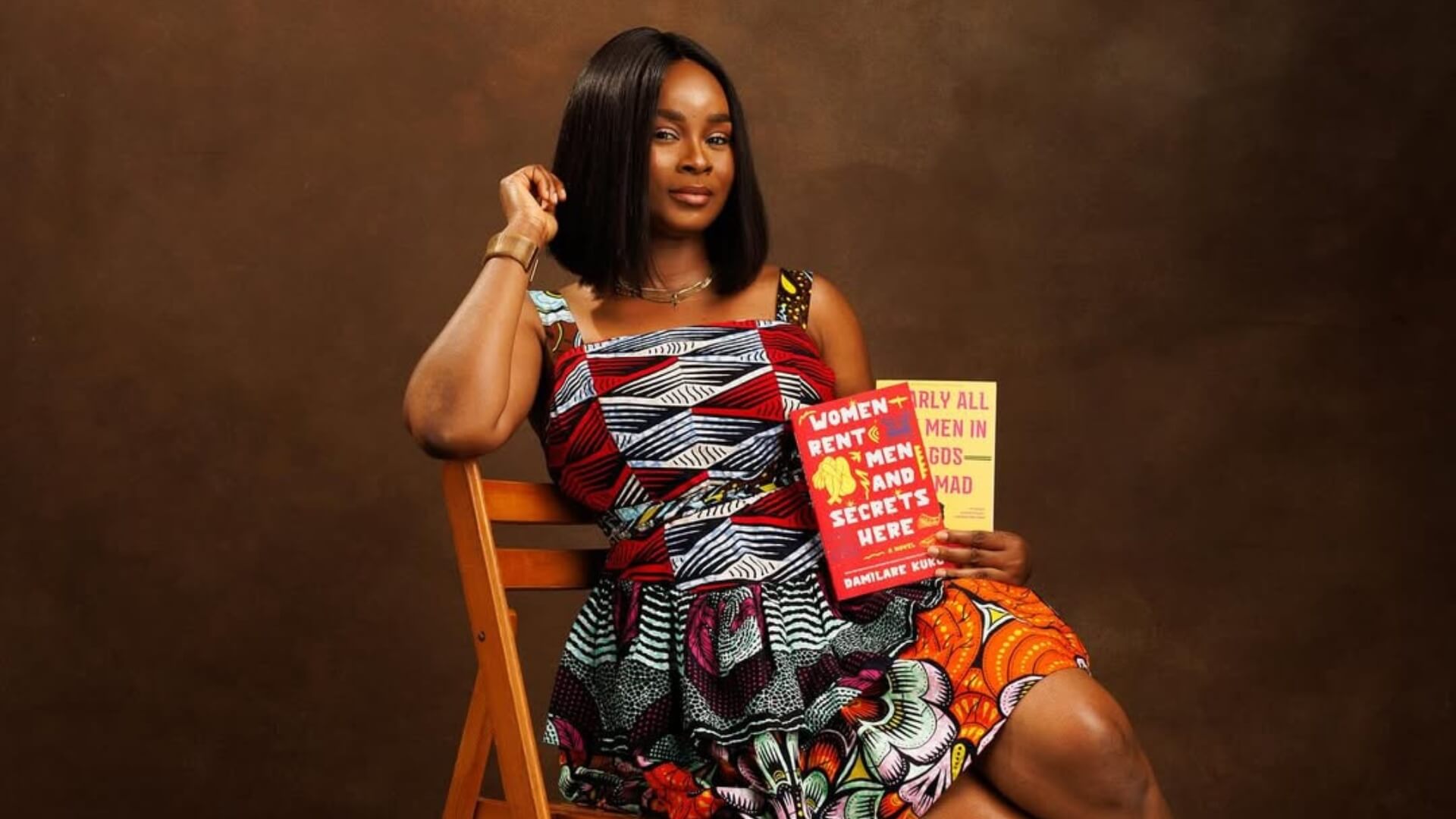
A new generation of writers is redefining African storytelling with a focus on satire and fantasy, changing global literary expectations.
PAN-AFRICA (Topping Africa) — May 4, 2026: African literature is entering a new phase — louder, broader, and less predictable.
Across publishing houses, prize circuits, and digital platforms, a 2026 wave of writers is redefining how African stories are told. The shift is deliberate: away from narratives shaped primarily by hardship, and toward a spectrum that includes satire, speculative fiction, romance, history, and genre-blending experimentation.
At the center of this movement is Damilare Kuku, whose latest work, Women Rent Men and Secrets Here, expands on the sharp social critique that defined her breakout debut, Nearly All the Men in Lagos Are Mad. Critics describe the new book as a deeper excavation of scandal, relationships, and urban Nigerian life — signaling a maturation of voice and ambition.
The publishing ecosystem is moving in parallel.
Cassava Republic Press has assembled a 2026 catalogue spanning memoirs, translated fiction, debut novels, and children’s literature — reflecting both creative diversity and commercial intent. The breadth of its list points to a growing infrastructure that is not only producing African stories but exporting them at scale.
This is not an isolated surge. It builds directly on momentum from 2025.
Chimamanda Ngozi Adichie returned with Dream Count, reaffirming her influence on global literary conversations. Meanwhile, Oyin Olugbile captured the Nigeria Prize for Literature with Sanya, a debut that reimagined Yoruba mythology through a matriarchal lens — signaling renewed interest in indigenous storytelling frameworks.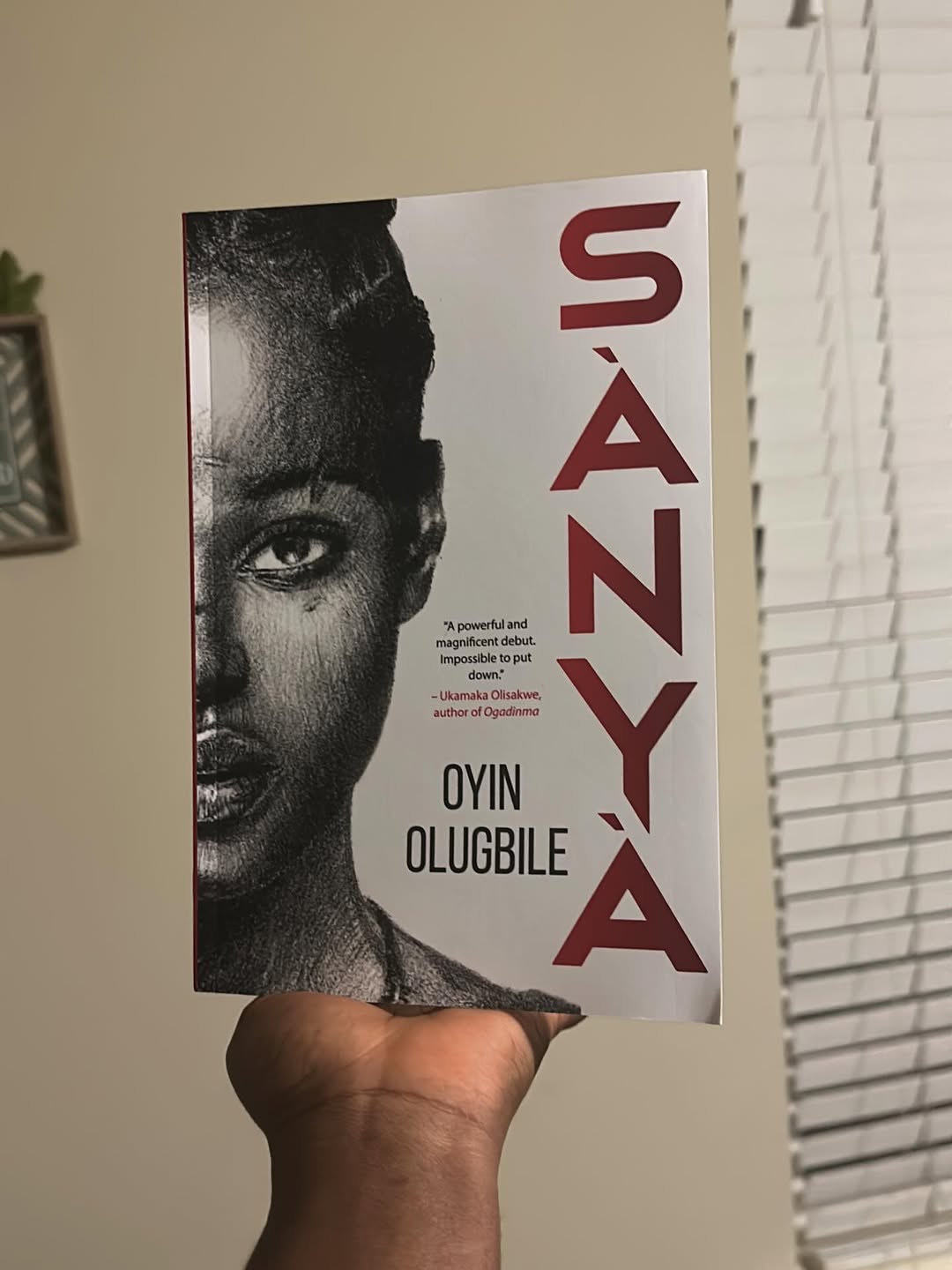
The implications extend beyond bookshelves.
African literature is no longer negotiating for space within global publishing. It is building its own gravitational pull — powered by authors who are increasingly writing on their own terms, and readers who are demanding stories that reflect complexity rather than constraint.
Digital platforms are accelerating this shift. Serialized fiction, online readership communities, and diaspora-driven demand are expanding the audience base beyond traditional publishing channels.
The result is a literary landscape that is both more experimental and more commercially viable.
What comes next will depend on scale — distribution networks, translation pipelines, and sustained investment in African publishing houses. But the direction is set.
African literature is no longer defined by what it resists. It is defined by what it creates.
Staff
Contributing writer at Topping Africa.
0 Comments
No comments yet. Be the first to share your thoughts!