AFCON 2025 Records 61% Global Audience Growth Across Markets
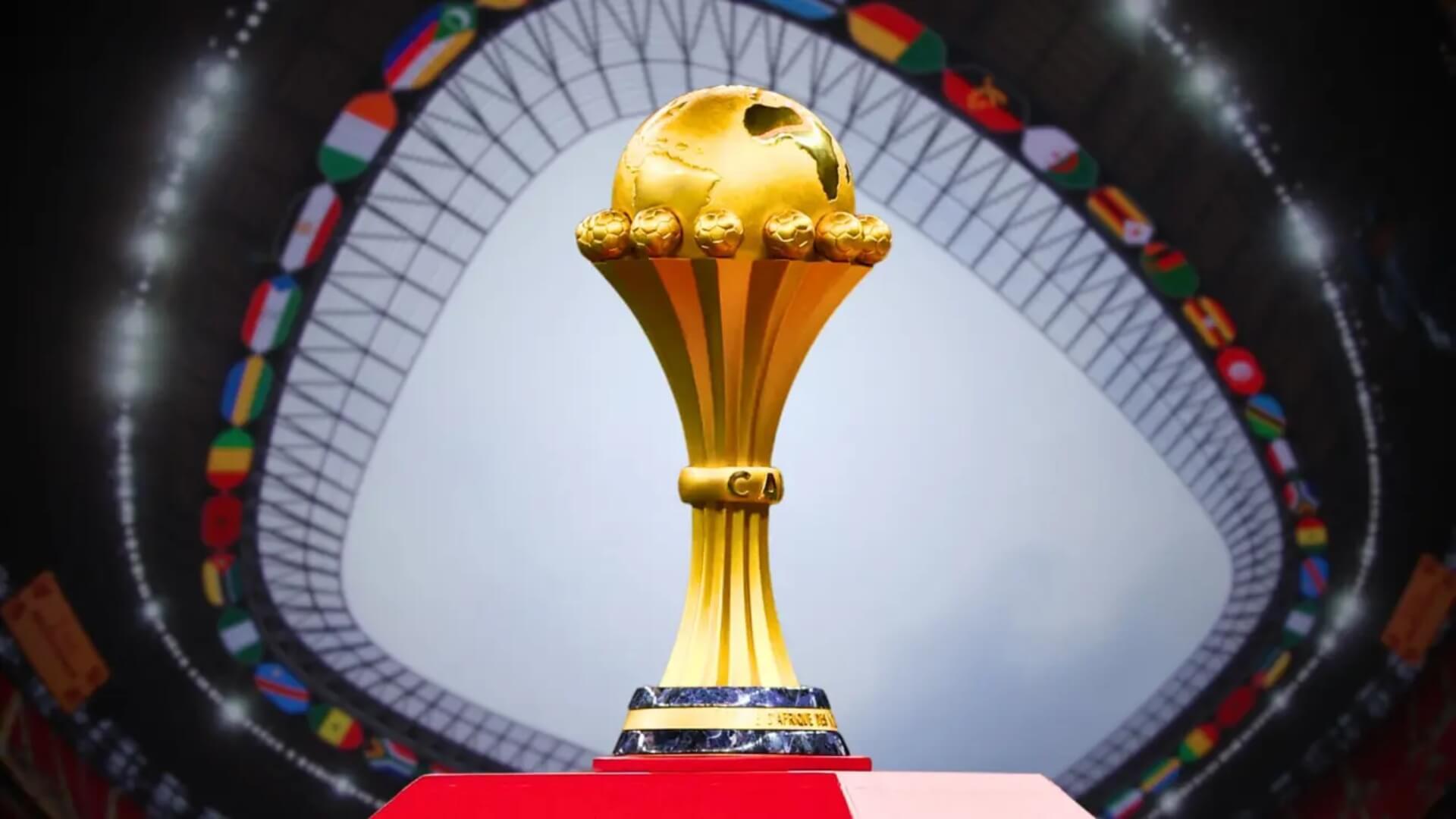
AFCON 2025 has experienced a significant surge in global viewership, with CAF reporting strong audience growth across international markets, underscoring the increasing global appeal of African football.
CAIRO, Egypt — March 17, 2026
Updated: March 17, 2026, 11:40 GMT
The Confederation of African Football (CAF) reports that early data indicate a 61% increase in global television and broadcast audiences for the TotalEnergies CAF Africa Cup of Nations Morocco 2025, compared to the previous edition.
CAF said the growth was recorded across key international markets, including Europe, Asia, and South America, based on preliminary research figures released by the governing body.
In a statement published on its official platform, CAF stated that the increase reflects the expanded global interest in African football and improved broadcast distribution strategies for the tournament.
CAF President Patrice Motsepe stated that the figures demonstrate a rising international demand for African football competitions. “The growth in global audiences confirms the increasing global appeal of African football,” he said in the statement.
The Morocco 2025 tournament attracted expanded international broadcast coverage, with matches distributed across multiple global networks and digital platforms, according to CAF.
The governing body said the audience surge was driven by increased engagement in non-traditional markets, particularly in Europe and Asia, alongside sustained viewership across African territories.
AFCON remains Africa’s flagship football competition, organized by CAF every two years and featuring national teams from across the continent.
The latest audience data highlights the tournament’s expanding global footprint and reinforces its position as one of the most widely viewed football competitions outside Europe and South America.
The growth holds significant implications for the continent as African football continues to enhance its commercial value, attract international broadcasters, and expand its global fan base. Increased viewership is closely tied to sponsorship, media rights revenue, and long-term investment in football infrastructure across African countries.
Staff
Contributing writer at Topping Africa.
0 Comments
No comments yet. Be the first to share your thoughts!