
7 East African Content Creators Turning Cultural Heritage into Fashion Influence
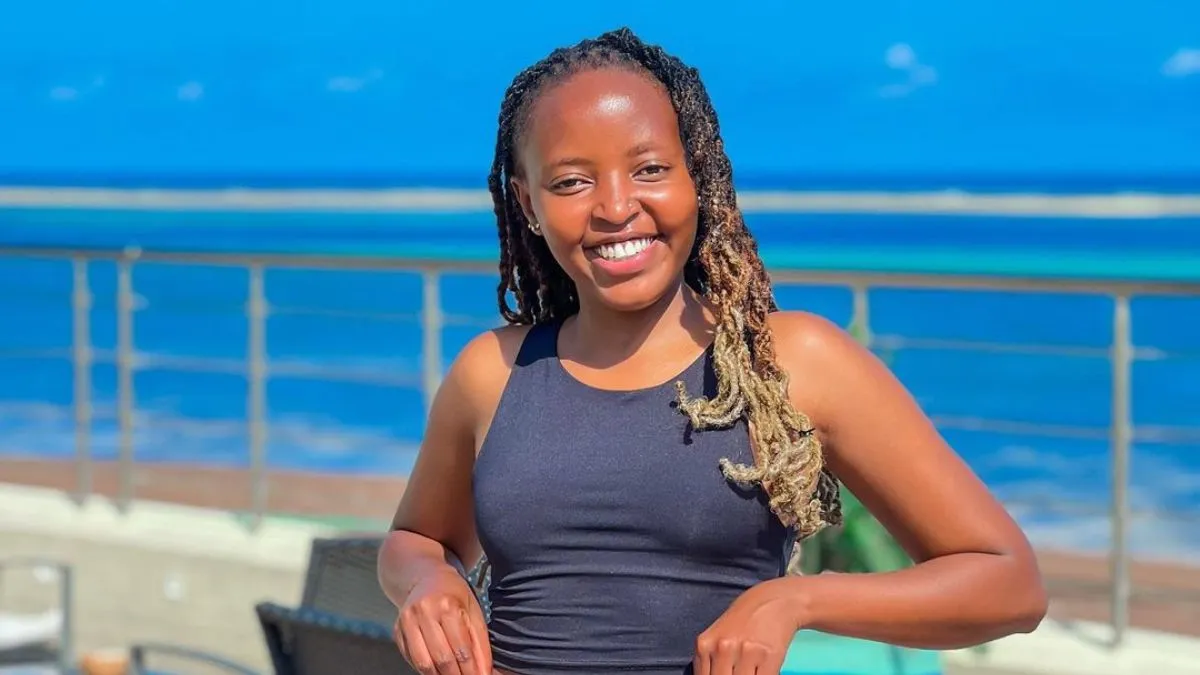
East African fashion content creators are blending local fabrics, traditional silhouettes and bold storytelling to shape global style. Discover seven standout voices from Kenya, Tanzania, Uganda, Rwanda and Ethiopia who turn cultural heritage into powerful fashion influence online.
East African fashion content creators are redefining style through heritage
East African fashion content creators are not just serving looks. They are turning cultural heritage, local textiles and traditional silhouettes into powerful digital influence that travels far beyond the region. Moreover, their feeds blend storytelling, styling and business savvy in ways that excite brands and inspire young creatives across Africa.
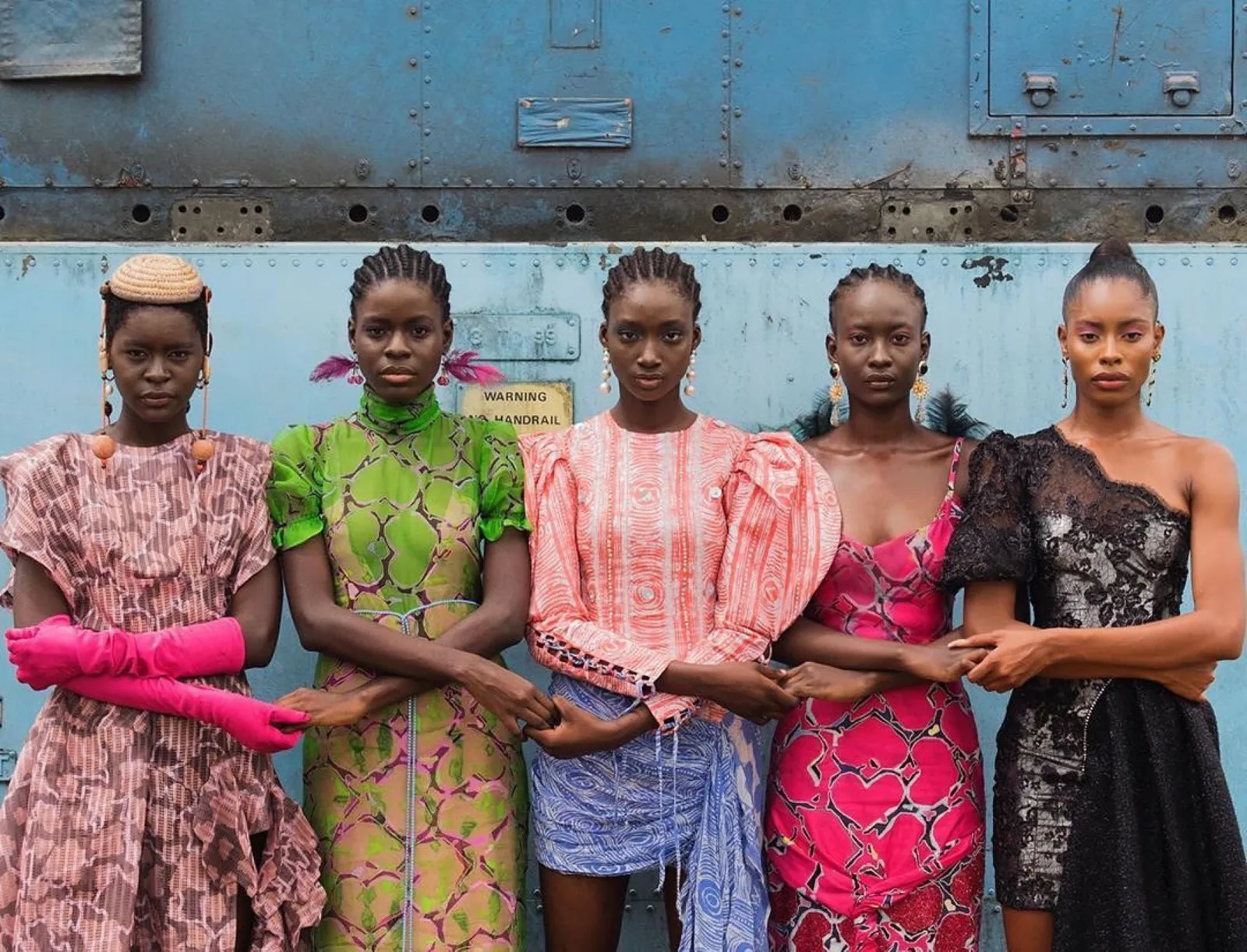
Today, you scroll through Instagram, TikTok or YouTube and see kanga prints, kitenge fabrics and intricate beadwork styled with sneakers, streetwear and global luxury labels. Consequently, creators from Kenya, Tanzania, Uganda, Rwanda and Ethiopia stand at the center of this shift. They show that African fashion is not a trend. It is a constant source of fresh ideas, rooted in identity and community.
In this guide, you will discover seven standout voices using fashion to celebrate East African culture while building serious digital influence. Furthermore, you will see how they collaborate with brands, tap into influencer culture and push positive African innovation in fashion.
Why East African fashion content creators matter right now
Across the continent, African fashion and creator culture keeps growing fast, with global media spotlighting more designers and influencers every season. For instance, platforms like OkayAfrica and fashion features across global media show rising interest in African style and digital voices. As a result, East African creators now shape how the world sees Swahili coast style, Great Lakes culture and Horn of Africa aesthetics.
Importantly, many of these creators do more than outfit posts. They document weaving traditions, highlight young designers, share behind-the-scenes from fashion weeks and spotlight emerging brands. Additionally, they drive traffic to local labels, create jobs for photographers, makeup artists and tailors, and help build a confident narrative around African beauty and style.
If you care about African content creators, influencer culture and the future of fashion-led storytelling, these are some of the feeds you should be following and learning from.
1. Mungai Eve (Kenya) – From street interviews to bold cultural fashion
Kenyan digital star Mungai Eve built her name through street interviews and culture coverage on YouTube, and she has steadily turned that reach into fashion influence.[2] Consequently, her outfits now trend on Kenyan timelines whenever she steps out for events, red carpets or collabs with local designers. She often mixes bright Ankara sets, Maasai-inspired details and Nairobi streetwear aesthetics.
On Instagram and YouTube, you see her lean into body-hugging silhouettes, statement sleeves and vibrant prints that echo Kenyan youth culture. Additionally, she uses her platform to spotlight upcoming stylists and makeup artists, giving them credit in captions and tags. That habit supports a wider creative ecosystem, not just her personal brand.
For brands, Mungai Eve offers a powerful mix of reach and relatability. Moreover, her audience trusts her fashion choices because they have watched her climb from grassroots storytelling to mainstream celebrity. If you are studying East African fashion content creators as a business case, her transition from interviewer to style reference is a textbook example.
How Mungai Eve elevates Kenyan fashion
- She regularly wears local labels and tags them, sending them new customers.
- Additionally, she embraces cultural accessories like beadwork, headwraps and Maasai shukas in modern ways.
- She collaborates with photographers and videographers who understand Nairobi’s urban mood.
- Furthermore, she merges event coverage with outfit breakdowns, creating richer content formats.
2. Maxine Wabosha (Kenya) – Beauty, braids and modern Kenyan elegance
Nairobi-based creator Maxine Wabosha combines beauty tutorials, vlogs and minimal but powerful fashion styling. Her content often features soft, neutral palettes, sleek tailoring and carefully layered jewelry that hint at Kenyan elegance. In addition, she regularly showcases braided hairstyles that draw on East African hair traditions and modern protective styles.
On her social feeds, you will notice how she pairs tailored pants, corsets and trench coats with African-print pieces or handcrafted accessories. Moreover, she gives detailed styling tips in her captions, helping followers recreate looks on real budgets. That teaching-driven approach strengthens her authority as more than a pretty face on the timeline.
For East African fashion content creators, Maxine’s brand shows the power of consistency, strong personal aesthetic and smart collaboration with beauty and lifestyle brands. Consequently, she lands campaigns that bridge makeup, hair and fashion, positioning her as a well-rounded lifestyle voice.
Why Maxine’s style resonates
- She champions braid culture with clean, high-quality visuals.
- Furthermore, she uses soft-glam looks to show that African beauty does not need heavy edits.
- She stays consistent with a chic, minimalist wardrobe that still includes African pieces.
- In addition, she balances aspirational fashion with accessible styling advice.
3. Nabilah Kariuki (Kenya) – Modest fashion with a Swahili twist
Kenyan modest fashion creator Nabilah Kariuki has carved a distinct niche, pairing hijab styling with East African fabrics and silhouettes. On Instagram and TikTok, she posts flowing abayas, tailored coats and layered dresses styled with kanga prints, coastal jewelry and soft pastel tones. Consequently, her content speaks both to modest fashion lovers and to anyone interested in clean, elegant styling.
Notably, Nabilah often films in outdoor locations that showcase Nairobi’s cityscape or coastal settings, tying her outfits to a strong sense of place. Furthermore, she offers tutorials on hijab styling for different occasions, from weddings to campus days. Those how-to videos position her as a practical guide, not just a style inspiration account.
For brands exploring modest fashion in Africa, Nabilah represents a modern Swahili coast aesthetic that feels global yet deeply rooted. Additionally, she engages thoughtfully with followers in comments, building community rather than one-way broadcasting.
Key lessons from Nabilah’s content
- She proves modest fashion can be bold, colorful and culturally grounded.
- Moreover, she shows how to style kanga and kitenge in refined, everyday ways.
- She uses short-form video smartly, mixing transitions, voiceovers and outfit reveals.
- In addition, she uses captions to share values like confidence, faith and cultural pride.
4. Hamisa Mobetto (Tanzania) – Bongo Flava glamour meets Swahili luxury
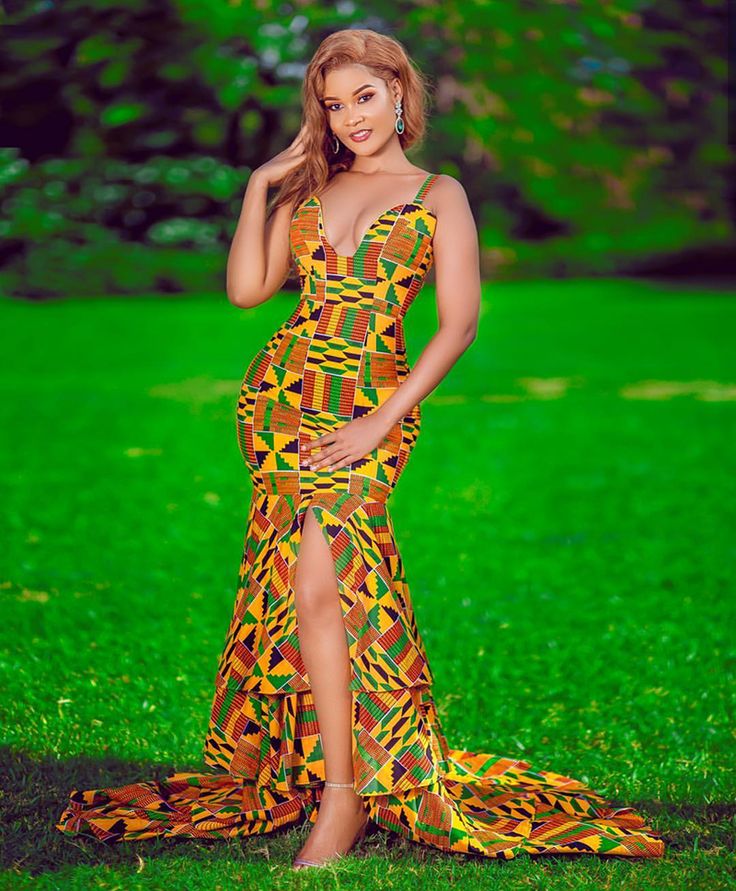
Tanzanian star Hamisa Mobetto moves effortlessly between music, business and fashion influence. Known as a model, entrepreneur and social media personality, she brings full-on glamour to Swahili-inspired looks. Additionally, her outfits often feature leso prints, dramatic gowns and fitted sets styled with high-gloss makeup and statement jewelry.

From red carpets in Dar es Salaam to music video cameos, Hamisa uses fashion as a language of ambition and high standards. Moreover, she spotlights Tanzanian designers and makeup artists, helping them reach wider regional audiences. Her ability to fuse Bongo Flava celebrity culture with fashion influence makes her a powerful reference point for East African fashion content creators.
If you follow her on Instagram or TikTok, you will notice how she switches easily between casual denim looks, luxury labels and traditional fabric designs. Consequently, her style appeals to fans who love high-end aesthetics but still want recognizably East African details in the mix.
Hamisa’s impact on Tanzanian fashion influence
- She shows that Swahili prints can live comfortably beside global luxury pieces.
- Furthermore, she positions Tanzanian stylists and designers as ready for regional and global stages.
- She uses music, visuals and fashion together, creating a complete lifestyle narrative.
- Additionally, she builds business ventures around her image, from fashion to beauty.
5. Millard Ayo’s Style Collaborators (Tanzania) – Media platforms amplifying fashion stories
While Millard Ayo is best known as a media personality and digital news leader in Tanzania, his platforms regularly spotlight artists, celebrities and influencers whose fashion choices shape youth style. Importantly, the photographers, stylists and creators who appear on his shows and social channels form a loose network of fashion storytellers.
For instance, many Bongo Flava musicians who pass through his platforms wear custom outfits by local designers, mixing coastal fabrics, streetwear and luxury accessories. Consequently, their content clips often trend on TikTok and Instagram, inspiring fans to copy looks or seek out similar fabrics. Even when fashion is not the headline, it quietly drives influence.
If you are mapping East African fashion content creators, you cannot ignore media ecosystems like this. Additionally, they show how fashion and entertainment feed each other, boosting visibility for both creators and brands.
Why media-driven fashion content matters
- It gives designers and stylists regular screen time and viral moments.
- Moreover, it helps fans discover new trends in a context they already trust.
- It turns music videos, interviews and clips into fashion mood boards.
- Additionally, it encourages collaborations between artists, brands and content creators.
6. Anita Beryl (Uganda) – Designer-led storytelling from Kampala
Ugandan designer and content creator Anita Beryl, founder of Beryl Qouture, uses social media to spotlight her detailed gowns and ready-to-wear pieces inspired by Ugandan culture. Her brand’s Instagram feed showcases rich fabrics, elaborate beading and silhouettes that nod to traditional gomesi curves while staying firmly modern. Consequently, she blurs the line between fashion label and content creator.
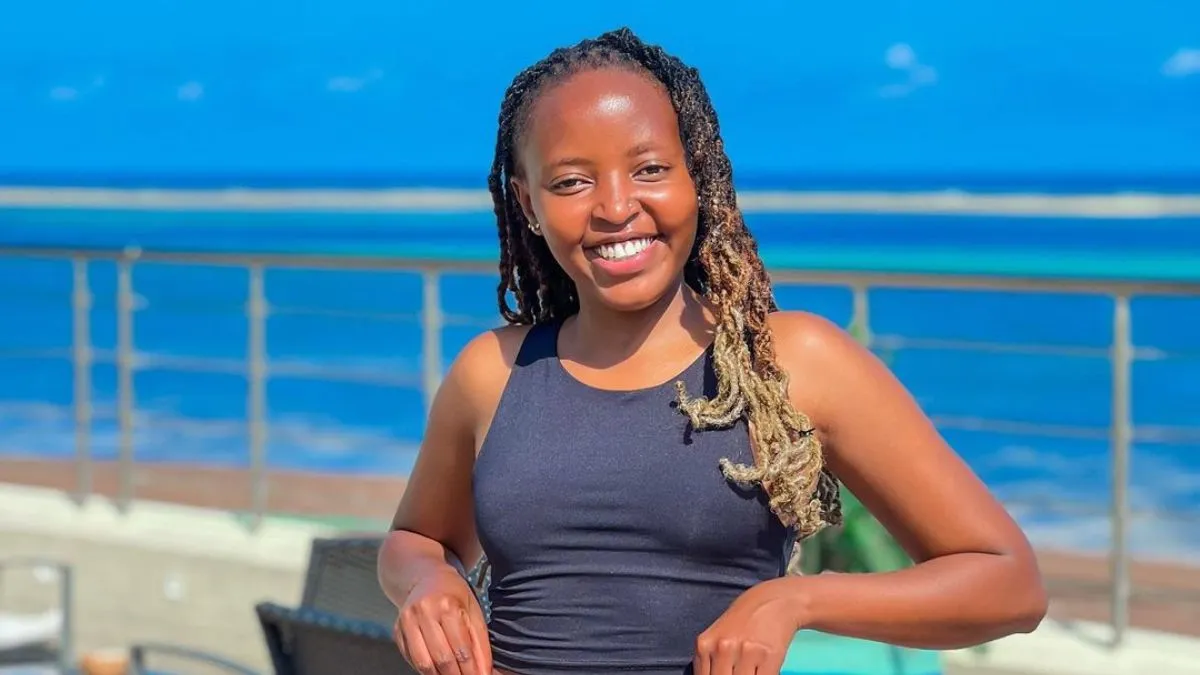
Unlike some influencers who mainly wear other brands, Anita creates and models her own designs, then amplifies them with behind-the-scenes stories. Additionally, she shares fittings, runway shows and bridal transformations, turning each collection into an ongoing digital series. That approach keeps her audience emotionally invested in her creative journey.
For East African fashion content creators interested in building brands, Anita offers a powerful case study in designer-led storytelling. Moreover, she shows how local fashion houses can use digital platforms to reach diasporas, bridal clients and fashion lovers across the continent.
What creators can learn from Anita Beryl
- She proves that a designer can also be a front-facing content creator.
- Furthermore, she uses storytelling around each collection instead of only posting product images.
- She merges cultural references with trendy cuts, making Ugandan glamour feel fresh.
- Additionally, she invests in high-quality photography and video for every look.
7. Moshions and Moses Turahirwa (Rwanda) – Tailoring identity into global-ready pieces
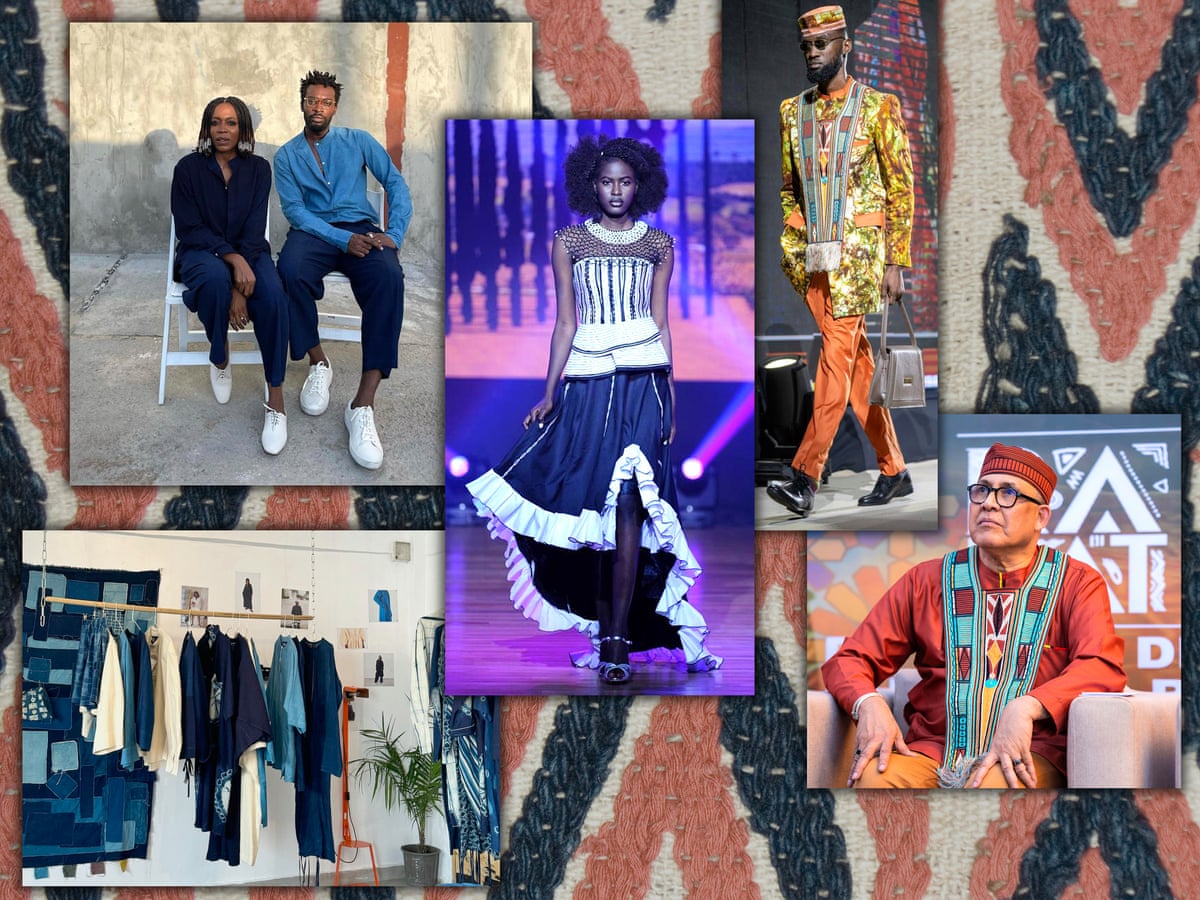
Rwandan label Moshions, led by designer Moses Turahirwa, stands out as both a fashion brand and a creator of visually rich digital stories. The brand’s content features sharply tailored suits, textured outerwear and gender-fluid pieces that reference Rwandan heritage through patterns, textures and motifs. Consequently, each look becomes a moving image of cultural pride.

On social media, Moshions shares campaign visuals, runway clips and styled shoots that feel as polished as global fashion houses. Moreover, the brand often works with Rwandan photographers, models and filmmakers, keeping value and storytelling inside the local creative community. That collaborative approach has helped position Kigali as a rising style capital in East Africa.
If you pay attention to East African fashion content creators, Moshions is a key example of how a label can own its narrative. Additionally, the brand aligns with the broader global conversation about African designers on international platforms, as highlighted by features in outlets like Nataal.
How Moshions shapes Rwanda’s digital fashion identity
- It infuses traditional patterns and tailoring techniques into modern silhouettes.
- Moreover, it uses cinematic campaigns that feel ready for global runways.
- It collaborates widely with local creatives, keeping money and attention in Rwanda.
- Additionally, it treats every shoot as content, not just as lookbook material.
Ethiopia’s emerging fashion storytellers – From Addis streets to global feeds
Ethiopia’s fashion and creative scene continues to expand, with content creators and designers using digital platforms to share everything from traditional habesha kemis to edgy streetwear. While some names remain more locally known, their impact on East African fashion content creators is clear. They present Ethiopian textiles, embroidery and jewelry to young audiences in fresh ways.
For instance, style-focused pages from Addis document thrifted looks, handmade jewelry and vintage-inspired outfits styled against the city’s fast-changing skyline. Additionally, they highlight designers who remix traditional fabrics like shemma and netela into jumpsuits, blazers and everyday dresses. That mix of old and new reflects Ethiopia’s wider cultural dynamism.
If you are building a watchlist of creators, keep an eye on Ethiopia’s new wave of stylists, photographers and fashion vloggers. Moreover, they sit at the intersection of culture, lifestyle and tech-savvy content creation, mirroring trends visible across African fashion influencers as noted by platforms like Fablstyle.
How these creators turn heritage into influence
Across Kenya, Tanzania, Uganda, Rwanda and Ethiopia, a clear pattern appears. These East African fashion content creators grow influence by treating culture as their core styling toolkit rather than just an occasional theme. They lean into local fabrics, silhouettes and stories as their competitive advantage.
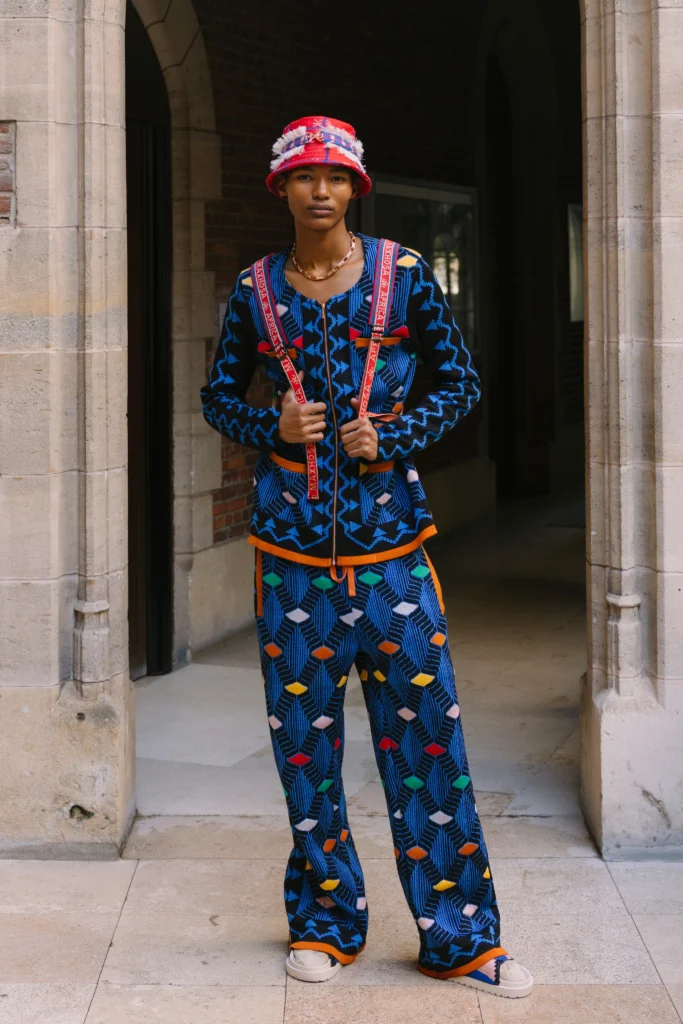
Additionally, they understand that strong digital content needs both visual quality and narrative depth. They share origin stories of fabrics, explain the meaning of prints and bring audiences behind the scenes of tailoring and design. Consequently, followers feel connected not just to the outfits but to the heritage behind them.
For you as a creative, marketer or fashion lover, there are some powerful takeaways from their strategies.
Strategies you can learn from East African fashion content creators
- Lead with culture: Use local fabrics, languages and stories as a unique style edge.
- Invest in quality visuals: Moreover, treat every shoot like a mini campaign.
- Teach while you style: Use captions and voiceovers to explain looks and heritage.
- Collaborate locally: Additionally, work with photographers, tailors and MUAs around you.
- Think like a brand: Build a clear aesthetic, not just random outfit posts.
Where African influencer culture and fashion innovation meet
East African style creators sit inside a wider wave of African influencer culture that is changing how brands work across the continent. From Lagos to Nairobi to Kigali, brands now design campaigns with content creators in mind from day one. Furthermore, fashion, beauty, fintech and even mobility startups tap into creators to reach young, digital-first audiences.

In East Africa, this influence connects closely with positive African innovation. Fashion-focused creators often champion local manufacturing, ethical production and small-business growth. Additionally, many of them use their platforms to highlight mental health, body positivity and self-confidence, proving that fashion content can carry deeper messages.
If you want to track these shifts, you will find rich coverage across sections like Business & Economy, Technology and Culture & Lifestyle on Topping Africa. Moreover, these stories show how Africa’s creator economy ties directly into tech startups, e-commerce and entertainment.
Explore more on Topping Africa
Ready to go deeper into Africa’s style, creators and innovation stories? Additionally, you can explore more across Topping Africa’s key sections below and build a fuller picture of where the culture is heading.
- Culture & Lifestyle – Discover how fashion, food, travel and everyday stories shape modern African identities.
- Entertainment – Read more about celebrities, music, film and the creators driving Africa’s pop culture.
- Business & Economy – Explore the business side of the creator economy, from brand deals to startup collabs.
How you can join this wave of cultural fashion content
If you feel inspired by these East African fashion content creators, now is a strong time to start building your own voice. Begin by looking at your local fabrics, tailors and markets and ask what stories they carry. Furthermore, think about how your personal style reflects your background, city and language.
Next, set clear goals for your content. Do you want to educate, inspire, entertain or sell? Additionally, choose one or two platforms and commit to posting regularly with a consistent aesthetic. Over time, you can collaborate with other creators, feature local designers and refine your storytelling.
We would love to hear how you see East African fashion evolving and which creators inspire you most. Therefore, share your thoughts, leave a comment on our social channels and subscribe to stay updated on more spotlights from across the continent.

Staff
Contributing writer at Topping Africa.
0 Comments
No comments yet. Be the first to share your thoughts!