10 African Tech Hubs Every Creator Should Know: From Lagos to Nairobi's New Innovation Corridors
Most hub lists are generic startup roundups — this one is different. Discover the 10 most creator-friendly African tech hubs, ranked by what they actually offer digital artists, filmmakers, and content entrepreneurs: community, funding, training, and real discovery pathways.
The conversation around African tech hubs has been dominated for too long by venture capital metrics and startup valuations. For digital artists, filmmakers, podcasters, and content entrepreneurs, that framing misses the point entirely. What matters is whether a hub offers real community, accessible funding, hands-on training, and pathways to discovery — not just desk space and a ping-pong table. Africa's creator economy is booming at a pace that surprises even insiders, and the physical hubs anchoring that growth deserve a creator-first audit. Here are ten of the most creator-relevant innovation corridors across the continent — what they actually offer, where they fall short, and how to make the most of them.
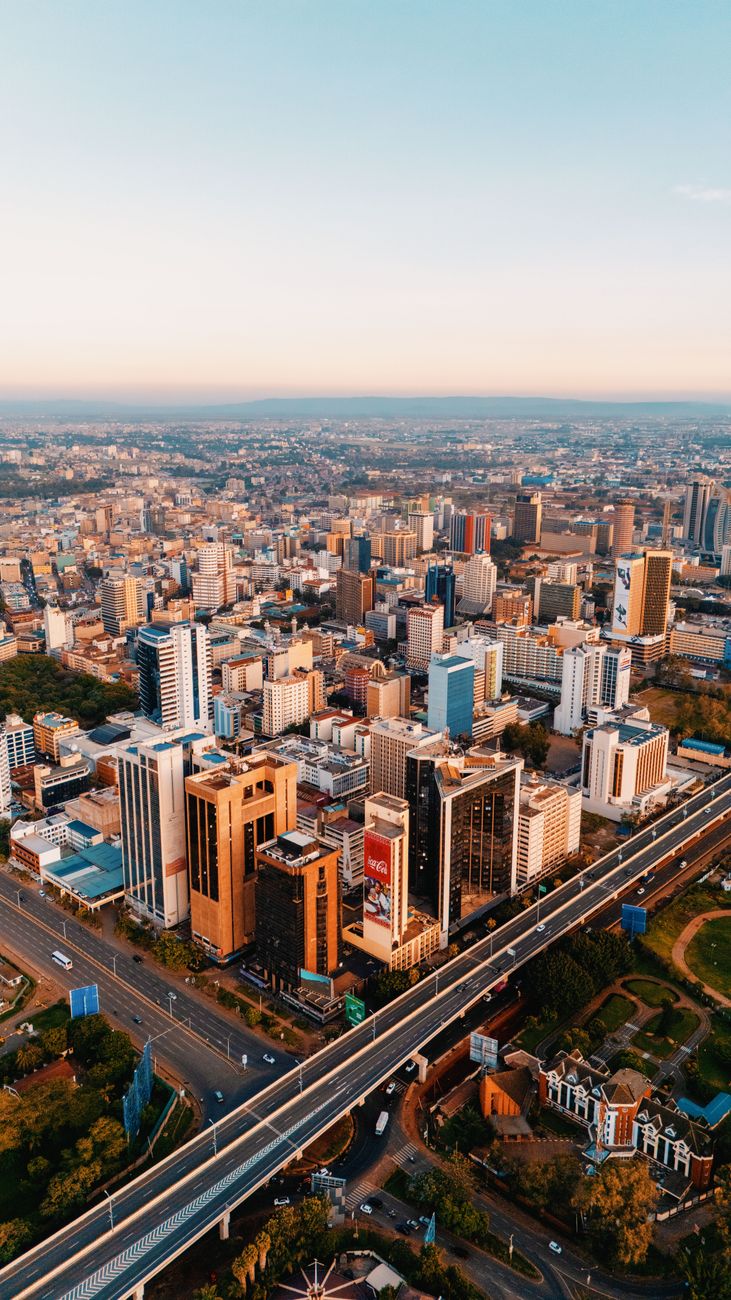
1. Co-Creation Hub (CcHUB) — Lagos, Nigeria
CcHUB is arguably the most influential creative-tech hub on the continent, and it earns that title through specificity. Founded in 2011 in Yaba — Lagos's self-styled "Silicon Valley" — it has since expanded to Nairobi, Kigali, and Abuja. For creators, its Design Lab is the standout offering: a dedicated space where UX designers, animators, and digital storytellers get access to hardware, mentors, and a structured fellowship programme. Filmmakers who have passed through CcHUB's orbit have gone on to produce content for Netflix and YouTube Originals Africa. The hub's open innovation model also means creators can pitch collaborative projects to resident startups — a funding avenue most generic hub lists never mention.
- Best for: Digital artists, UX/UI designers, interactive media creators
- Key programme: Design Lab Fellowship (applications open annually)
- Watch out for: Competitive entry — the fellowship accepts fewer than 5% of applicants

2. iHub — Nairobi, Kenya
iHub is where Nairobi's creator community cuts its teeth. Established in 2010, it predates most African hubs and has survived multiple ownership changes — including acquisition by CcHUB — while retaining its grassroots credibility. What sets iHub apart for creators is its weekly community events: open mic nights for tech entrepreneurs, hackathons with creative briefs, and workshops on monetising digital content in East African markets. The hub sits in the heart of Westlands, which puts creators within walking distance of media production studios and advertising agencies hungry for local talent. One concrete trade-off: iHub's co-working rates have risen sharply since 2022, making it less accessible for early-stage independent creators on tight budgets.
- Best for: Podcasters, tech journalists, app-based content platforms
- Key programme: Community membership with access to curated investor intros
- Watch out for: Rising hot-desk costs — budget at least KES 8,000–15,000/month

3. MEST Africa — Accra, Ghana
MEST (Meltwater Entrepreneurial School of Technology) runs one of Africa's most rigorous training programmes for tech entrepreneurs — and creators who lean toward the business side of content will find it transformative. The two-year residential programme in Accra covers product development, growth hacking, and fundraising. For content entrepreneurs specifically, MEST's alumni network spans 14 African countries, which means distribution partnerships and co-production deals are a Slack message away. The hub also runs MEST Africa Challenge, a pan-African competition that has awarded over $1 million in funding to date. Creatives who struggle with the business model side of their work — pricing, licensing, scaling — will find MEST's curriculum unusually practical.
- Best for: Content entrepreneurs, EdTech creators, media platform builders
- Key programme: MEST Africa Training Programme (fully funded, residential)
- Watch out for: The programme demands full-time commitment — side-hustle creators need not apply
4. Flat6Labs — Cairo, Egypt
Cairo's creator scene is vast and underreported. Flat6Labs operates across six African and Middle Eastern cities, but its Cairo base is where Arabic-language content creators and North African filmmakers find the most relevant support. The accelerator runs a dedicated media and entertainment track that has funded YouTube channels, digital magazines, and short-film studios. Egypt's film industry — one of the oldest on the continent — feeds directly into Flat6Labs' network, giving creators access to production veterans alongside tech mentors. Funding rounds typically range from $15,000 to $50,000 per cohort company, which is meaningful seed capital for a solo creator building a production house.
- Best for: Arabic-language creators, North African filmmakers, digital publishers
- Key programme: Startup Accelerator with media/entertainment track
- Watch out for: Equity is taken — understand the terms before signing
5. Norrsken Kigali House — Kigali, Rwanda
Rwanda punches well above its weight in creator infrastructure, and Norrsken Kigali House is the clearest proof. Opened in 2022, this impact-focused hub is housed in a stunning repurposed building and hosts over 1,000 entrepreneurs. For creators, the draw is its impact storytelling community — journalists, documentary filmmakers, and social-impact content creators who are building audiences around African development narratives. Rwanda's government has actively courted content production (the country hosted the 2022 Commonwealth Heads of Government Meeting and leveraged it for global media exposure), so creators based at Norrsken benefit from unusual government goodwill and access. The hub also runs regular pitch events where content projects compete alongside fintech and agritech startups — a rare and valuable cross-pollination.
- Best for: Documentary filmmakers, impact journalists, social-good content brands
- Key programme: Norrsken Impact Week (annual, open to applicants continent-wide)
- Watch out for: Kigali's cost of living has risen — factor in relocation costs if you're not already based there
African Tech Hubs Powering the Next Wave of Creative Talent
6. Activspaces — Buea, Cameroon
Activspaces operates in Buea, a city that has earned the nickname "Silicon Mountain" — and the tag is not entirely hyperbolic. The hub has produced some of Central Africa's most successful tech products, and its creator community skews toward Francophone Africa, which is a massively underserved market for digital content. Activspaces runs bootcamps specifically for digital creatives, covering video production, social media strategy, and monetisation on platforms like YouTube and TikTok. For creators targeting French-speaking African audiences — a combined market of over 300 million people — this hub offers a strategic base that almost no other hub on this list can match. The political instability in Anglophone Cameroon is a real risk factor that creators must honestly weigh before relocating.
- Best for: Francophone content creators, mobile-first media builders
- Key programme: Digital Creator Bootcamp (held twice yearly)
- Watch out for: Regional security situation — remote participation is often a safer option
7. Impact Hub Johannesburg — Johannesburg, South Africa
South Africa's creator economy benefits from the continent's most mature advertising market, and Impact Hub Johannesburg sits at the intersection of that money and creative talent. The hub runs a creative industries cohort that has supported fashion designers, music video directors, and digital storytellers. Jo'burg's proximity to major brand headquarters — Unilever, Nestlé, MultiChoice — means creators who pass through the hub have a realistic shot at brand partnership deals worth R200,000–R500,000. Impact Hub's global network (over 100 hubs worldwide) also opens doors for African creators seeking international distribution. The trade-off is that Jo'burg's hub culture can feel corporate compared to Lagos or Nairobi — independent artists sometimes find the environment less energising.
- Best for: Brand-partnership-focused creators, fashion content, music video production
- Key programme: Creative Industries Cohort (quarterly intake)
- Watch out for: The hub's corporate lean can feel misaligned with raw, independent creative energy
8. Sonatel Academy — Dakar, Senegal
Sonatel Academy is West Africa's best-kept secret for creators who want technical depth. Run by Senegal's leading telecoms group, the academy offers free six-month training programmes in digital skills — including video production, graphic design, and web development. Graduates enter a job market where Dakar's creative scene is genuinely global: the city hosts the Dak'Art Biennale, one of Africa's most prestigious contemporary art events, and its music export (Afrobeats, Mbalax) has growing international reach. For creators who need to upskill without paying European or American tuition fees, Sonatel Academy is one of the most concrete opportunities on this list. Seats are limited and demand is high — apply early and apply often.
- Best for: Early-career creators needing technical training, West African digital artists
- Key programme: Free six-month digital skills programme
- Watch out for: Instruction is primarily in French — English-dominant creators may face a language barrier
9. iBizAfrica — Nairobi, Kenya
While iHub gets the headlines, iBizAfrica — housed at Strathmore University — is where East Africa's creator-entrepreneurs get serious about scaling. The hub's business incubation programme is specifically designed for digital businesses, and its university setting means creators get access to research tools, student collaborators, and academic mentors who understand IP law and content licensing. For podcasters or YouTube creators trying to formalise their operations — registering a media company, negotiating licensing deals, building a team — iBizAfrica's legal and business support is genuinely useful. It's less glamorous than iHub but arguably more practical for creators at the growth stage.
- Best for: Scaling content businesses, podcast networks, digital media companies
- Key programme: Business Incubation Programme (12-month cohort)
- Watch out for: The academic environment can slow decision-making — entrepreneurial urgency sometimes clashes with institutional pace
10. 1 Million by 1 Million (1Mby1M) — Pan-African Virtual Hub
Not every creator hub needs a physical address. 1Mby1M is a global virtual accelerator with a strong and growing African cohort, and for diaspora creators — Africans building content businesses from London, Toronto, or Atlanta — it fills a critical gap. The programme connects creators with mentors, investors, and distribution partners entirely online, running weekly roundtables and monthly pitch sessions. 1Mby1M's African track has supported over 200 African-founded ventures, including several digital media companies. For creators in the diaspora who want to build for African audiences without relocating, this is the most practical entry point. Discover more creators navigating exactly this challenge on Topping Africa's international collaboration spotlight.
- Best for: Diaspora creators, remote-first content businesses, African creators seeking global reach
- Key programme: Virtual accelerator with weekly mentorship sessions
- Watch out for: Without a physical community, accountability and networking require extra self-discipline
How to Choose the Right African Tech Hub for Your Creative Career
The single biggest mistake creators make is choosing a hub based on prestige rather than fit. CcHUB's Design Lab is world-class — but if you're a Francophone documentary filmmaker, Activspaces will serve you far better. Before applying anywhere, answer three questions honestly:
- What stage are you at? Training hubs (Sonatel, MEST) suit early-career creators. Incubators (iBizAfrica, 1Mby1M) suit those with a working product. Accelerators (Flat6Labs, CcHUB) suit creators ready to scale.
- What do you actually need? Community and co-working space? Funding? Technical training? Brand partnerships? Each hub excels at different things — don't assume they all offer the same package.
- Can you commit fully? Residential programmes like MEST require you to pause everything else. Virtual hubs like 1Mby1M work around your schedule. Neither is better — but misalignment is costly.
The GSMA's mobile internet connectivity data shows that Sub-Saharan Africa's connected population is growing at 9% annually — which means the audience for African digital content is expanding faster than most creators realise. The hubs above are the infrastructure layer that helps creators capture that growth. Use them strategically, not just as a line on your bio.
For a broader view of who is already winning in this space, explore Topping Africa's trending creators — the platform tracks African and diaspora creators across every category, from tech and business to film and music. You'll find names connected to several of the hubs on this list.
The Creator-First Future of African Tech Hubs
Generic startup hub lists will keep ranking the same five names. But the real story of African tech infrastructure in 2025 is how these spaces are quietly becoming the backbone of the continent's creator economy. From Dakar's free digital training to Kigali's impact storytelling community, the range and quality of support available to African creators has never been higher. The gap is awareness — most creators simply don't know these resources exist.
That's exactly why platforms like Topping Africa's creator discovery platform matter: they connect the dots between the hubs producing talent and the audiences hungry to find it. Discover the African creators shaping the next chapter — and if you're a creator yourself, start by finding the hub that fits your stage, your language, and your ambition. The infrastructure is there. Use it.
Staff
Contributing writer at Topping Africa.
0 Comments
No comments yet. Be the first to share your thoughts!