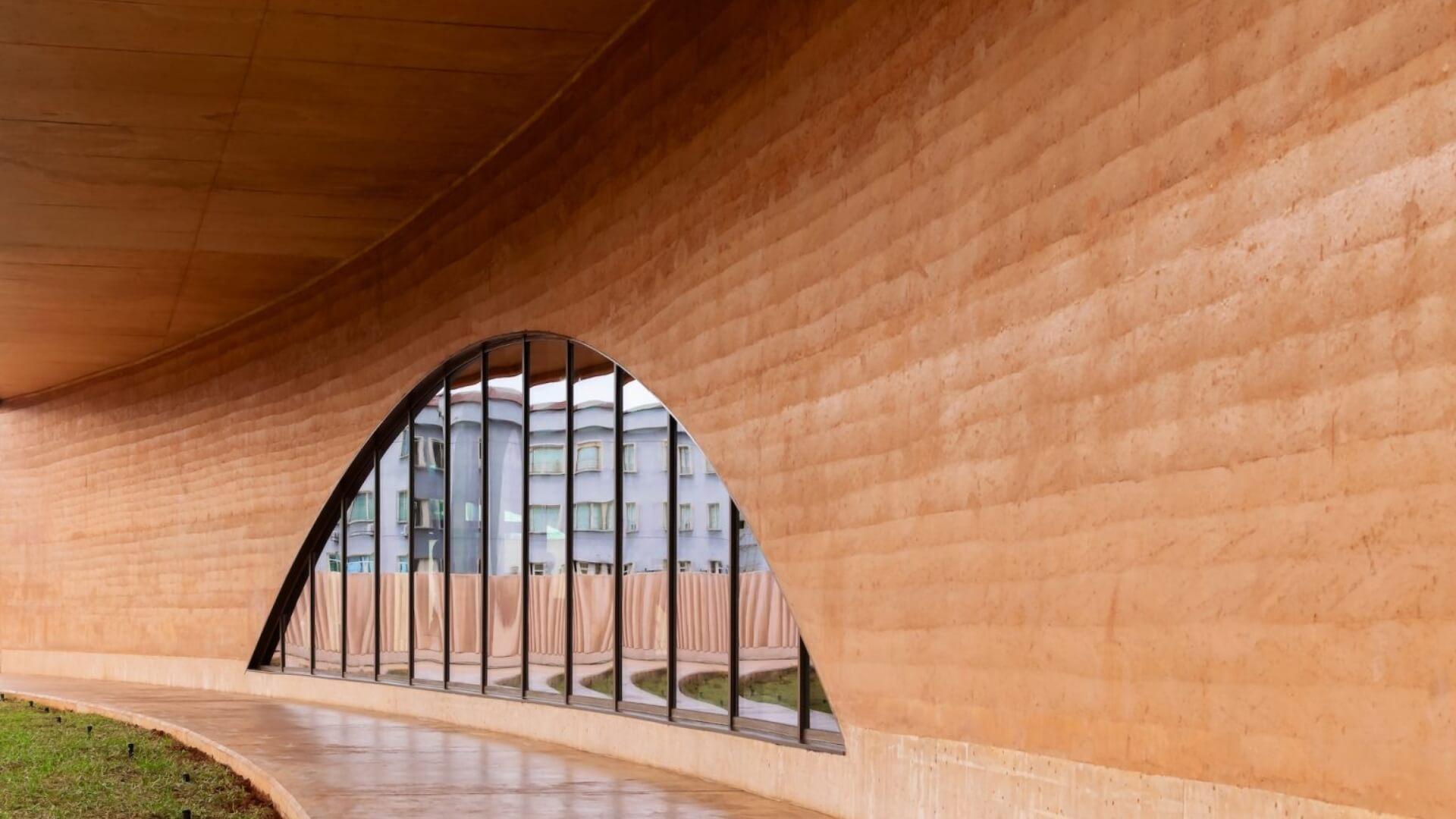
Nigeria’s $25 million Museum of West African Arts was meant to mark a new era of African cultural pride. Instead, violent protests over the Benin Bronzes forced its closure before opening day—raising urgent questions about heritage, ownership, and identity in modern Africa.
The long-awaited opening of Nigeria’s Museum of West African Arts (MOWAA) in Benin City descended into chaos over the weekend, as violent protests forced the indefinite postponement of the $25 million cultural landmark.
The clashes—rooted in a fierce dispute over ownership of the Benin Bronzes—left diplomats, international donors, and government officials scrambling for safety.
The museum’s unveiling, billed as a defining moment in Africa’s cultural renaissance, was abruptly halted when more than 20 men armed with wooden bats stormed the museum courtyard during a private preview.
Chanting “restitution to king and people,” the protesters clashed with security forces, demanding that the returned artifacts be handed directly to the Oba of Benin, Ewuare II, rather than managed by the Edo State government and international foundations
Attendees—including six ambassadors and representatives from institutions such as the British Museum, Getty Foundation, and Ford Foundation—were escorted to a secure area as police regained control. No casualties were reported, though the incident has cast uncertainty over one of Africa’s most ambitious heritage projects.
A Clash of Authority and Heritage
At the heart of the crisis lies a battle for custodianship of the world-famous Benin Bronzes—thousands of intricate metal and ivory sculptures looted by British forces during the 1897 Benin Expedition.
Many of these treasures have been repatriated in recent years from Germany, France, and Denmark, following sustained advocacy by Nigeria and international cultural activists.
However, disagreements between the traditional monarchy, state authorities, and foreign partners have deepened as the artifacts return home. The Oba of Benin insists the bronzes are sacred royal property, arguing that they should be held under palace guardianship rather than displayed in a state-administered museum.
The Edo State Government, meanwhile, contends that the new museum represents a shared national asset, designed to preserve and promote African cultural identity while fostering international partnerships.
“The Museum of West African Arts belongs to all Nigerians—it is a symbol of our shared heritage and creativity,” said Nigeria’s Minister of Culture, condemning the violence and urging “immediate dialogue to protect both heritage and harmony.”
A Setback for Global Repatriation Efforts
The unrest has alarmed international cultural institutions that supported the museum’s creation as a cornerstone of Africa’s restitution movement. Western embassy officials privately told Reuters and AFP that they are reassessing “security and governance assurances” for ongoing collaborations.
The MOWAA project, envisioned as Africa’s largest privately funded cultural complex, was designed by Adjaye Associates and backed by major donors from Europe and North America. It was to serve as a research hub, restoration lab, and exhibition space, housing hundreds of repatriated artifacts and offering educational programs for African curators and artists.
Cultural experts now fear the violence could jeopardize future restitution deals. “This protest exposes the unresolved question: who truly owns Africa’s returned heritage—the state or the people?” said Dr. Funmilayo Akande, a Lagos-based heritage scholar. “How Nigeria answers will shape repatriation debates across the continent.”
What’s Next?
Negotiations between the Oba’s Palace, Edo State Government, and international donors are underway to resolve the dispute and determine new custodianship terms. Officials say the museum’s reopening will depend on local consensus and heightened security guarantees.
For now, the unfinished MOWAA stands as both a symbol of cultural pride and a reminder of the complexities surrounding Africa’s heritage revival. The world watches as Nigeria navigates the delicate balance between tradition, governance, and global cooperation in reclaiming its stolen past.

Leave a comment
Your email address will not be published. Required fields are marked *