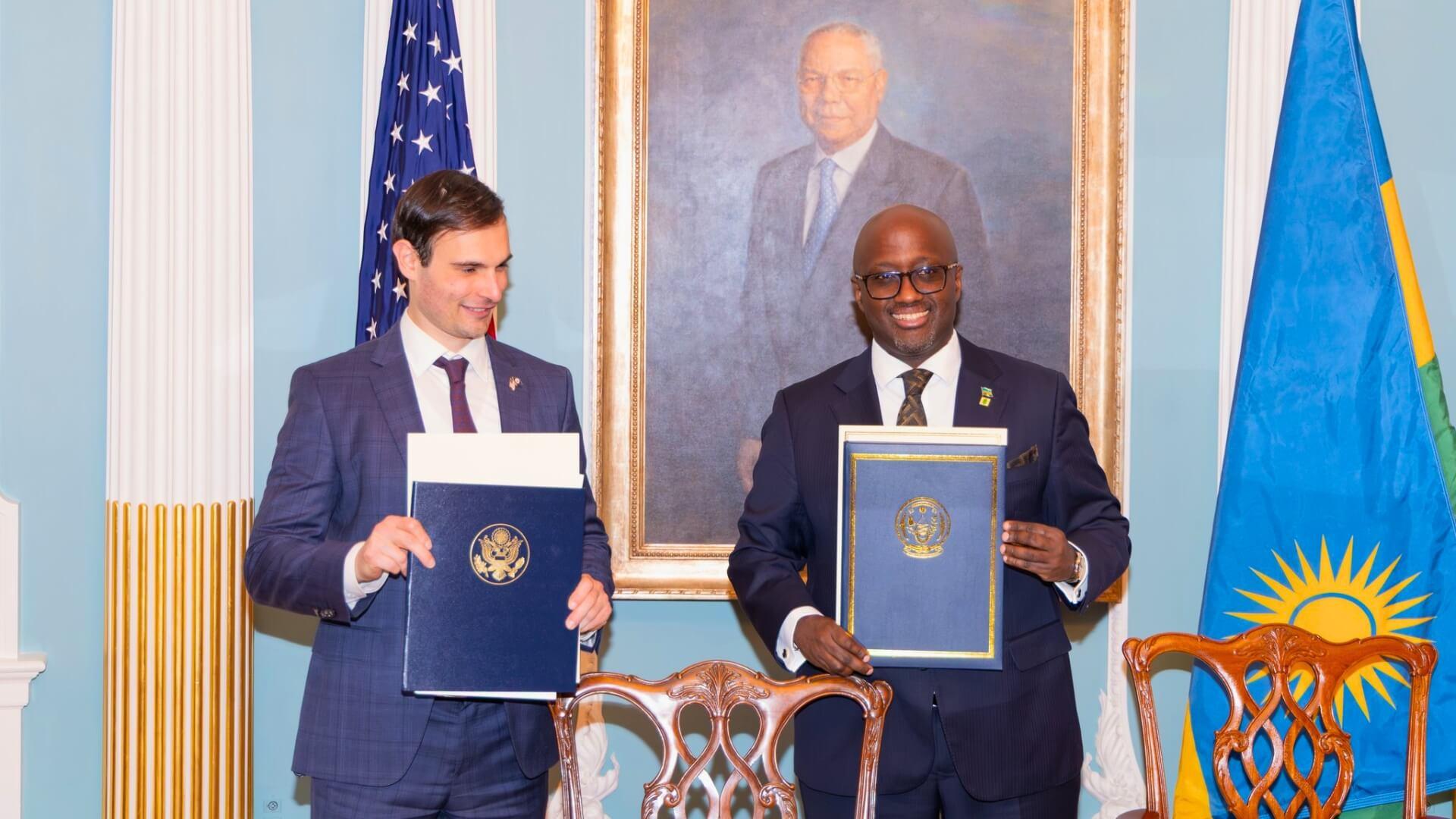
Rwanda and the United States have entered a new $228 million, results-driven health partnership aimed at strengthening disease control, expanding digital systems, and increasing Rwanda’s domestic investment. The deal marks a shift toward long-term, locally led health financing across Africa.
WASHINGTON, United States — 2025-12-09 (Updated 16:08 UTC) — Rwanda and the United States have signed a five-year, $228 million health-sector cooperation agreement that will tie future U.S. funding to measurable outcomes and increased domestic investment, according to statements from the U.S. State Department and Rwandan officials.
The Bilateral Health Cooperation Memorandum of Understanding was signed in Washington on December 5 by senior U.S. foreign assistance official Jeremy Lewin and Rwandan Foreign Minister Olivier Nduhungirehe. According to the State Department, the deal marks one of the first country-level deployments of Washington’s America First Global Health Strategy, which links aid disbursement to performance, transparency, and national ownership.
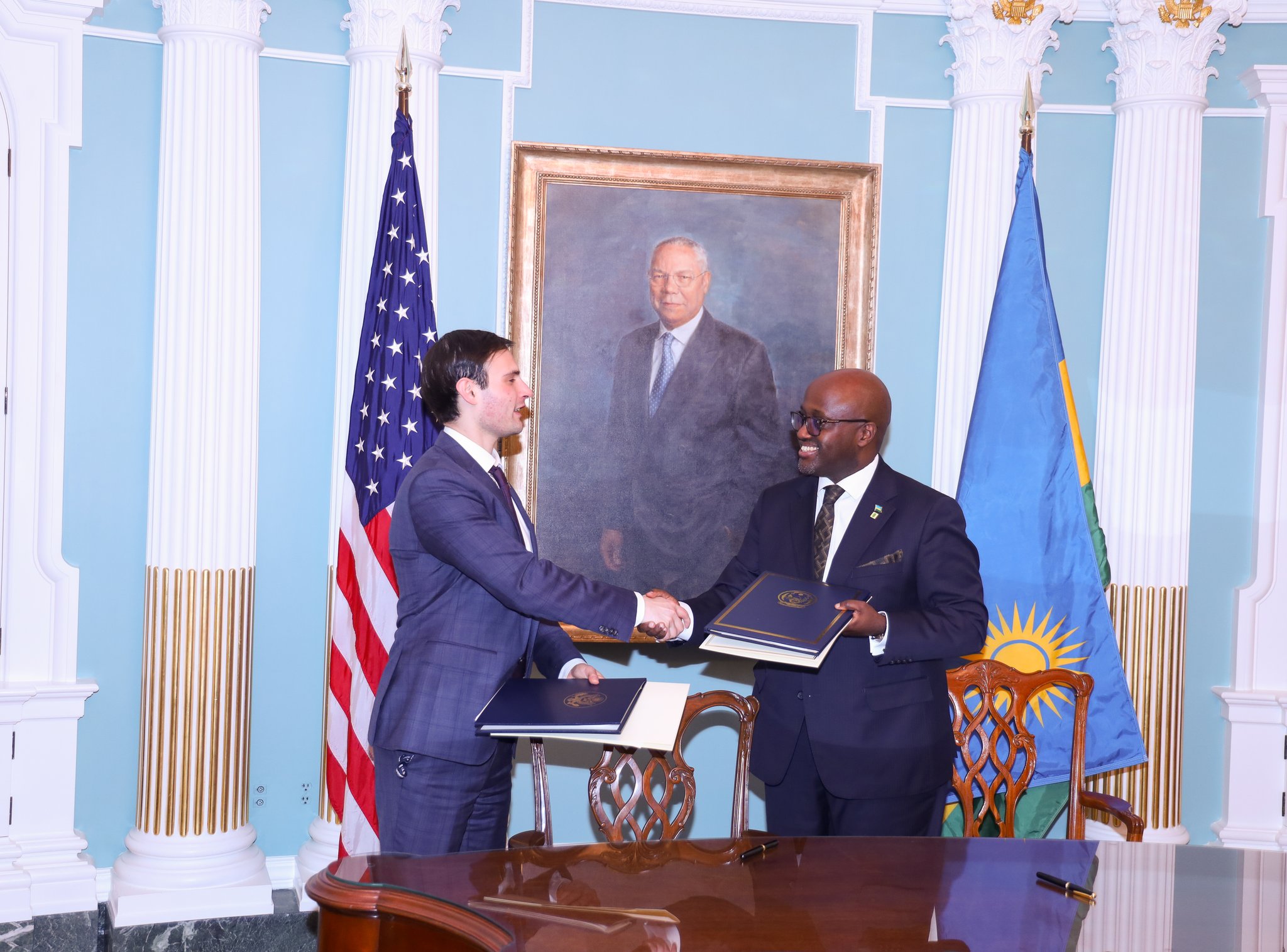
Under the framework, the United States plans—pending congressional approval—to provide up to $158 million over five years to strengthen Rwanda’s response to HIV/AIDS, malaria, and other infectious diseases. Funds will also enhance disease surveillance and outbreak preparedness. Rwanda, for its part, will increase its domestic health spending by roughly $70 million over the period as donor financing declines under the results-based approach.
Officials described the agreement as a shift away from fragmented, short-term NGO-driven projects toward multi-year partnerships grounded in national leadership. U.S. representatives called Rwanda a “model partner,” citing its gains in health insurance coverage, HIV control, and digital health innovation.
The pact also supports Rwanda’s transition of key health services from international NGOs to government institutions. It aligns with U.S. commercial and technology priorities, including Rwanda’s expansion of Zipline drone deliveries and planned upgrades to disease-tracking infrastructure.
The signing came shortly after Presidents Paul Kagame of Rwanda and Félix Tshisekedi of the Democratic Republic of Congo reaffirmed their commitment to a U.S.-mediated peace effort for eastern Congo. Analysts noted the timing as evidence of Washington’s broader security-development engagement in the Great Lakes region.
African public responses highlighted both optimism and scrutiny. Commentators across East and Central Africa viewed the deal as an opportunity to stabilize financing and reinforce regional disease surveillance networks under the African Union and Africa CDC frameworks. Others cautioned that performance-linked aid could strain smaller health facilities if domestic resources do not scale quickly.
Health-policy experts interviewed by African media expressed measured confidence, noting Rwanda’s administrative track record but urging close monitoring to ensure equitable service access as external funding tapers.
The results-driven model is expected to include periodic joint reviews and conditional disbursements tied to program outcomes, domestic financing benchmarks, and institutional reforms. Officials said Rwanda aims to take near-full financial responsibility for certain HIV services by the end of the agreement.
U.S. officials confirmed that similar performance-based pacts are being explored with additional African governments, making Rwanda and Kenya early test cases for a new generation of health-sector partnerships.
Reactions
Officials/Experts
Jeremy Lewin, U.S. senior foreign assistance official, said Rwanda “demonstrates the administrative capability and commitment needed for outcome-based financing.”
Rwandan Foreign Minister Olivier Nduhungirehe described the pact as “recognition of Rwanda’s health reforms and its move toward a self-reliant, technology-enabled system.”
Regional health economists told East African outlets that the agreement “could redefine how African governments negotiate long-term support with major partners.”
Public Sentiment
Rwandan health workers interviewed in local outlets welcomed planned investments in surveillance systems but raised concerns about “pressure to meet donor metrics.”
Social media responses across Kenya, Uganda, and DRC viewed the deal as “a promising test of sustainable aid” and praised Rwanda’s digital health leadership.
Regional & International
Africa CDC analysts said the model aligns with continental goals for integrated disease surveillance networks.
AU officials noted that domestic co-financing requirements reflect long-standing calls for African health sovereignty.
Context & Significance
Rwanda’s health sector has been widely studied for its rapid recovery since the 1990s and strong national insurance system. The new agreement signals a shift in U.S.–Africa cooperation—from vertical disease programs such as PEPFAR toward long-term system strengthening and universal health coverage. By pairing outcomes with domestic financing, Washington aims to encourage sustainability as global health budgets tighten.
For Africa broadly, Rwanda’s approach—particularly its integration of drones, digital registries, and data-driven planning—mirrors continental ambitions for industrialization, technology adoption, and local control over service delivery.
What’s Next
Implementation will unfold over five years, contingent on U.S. congressional approvals and semiannual performance reviews. Rwanda is expected to take increasing responsibility for core health programs and expand digital infrastructure. The U.S. plans to negotiate additional results-based agreements with other African nations, with Rwanda’s progress likely to shape the model’s future across the continent.

Leave a comment
Your email address will not be published. Required fields are marked *