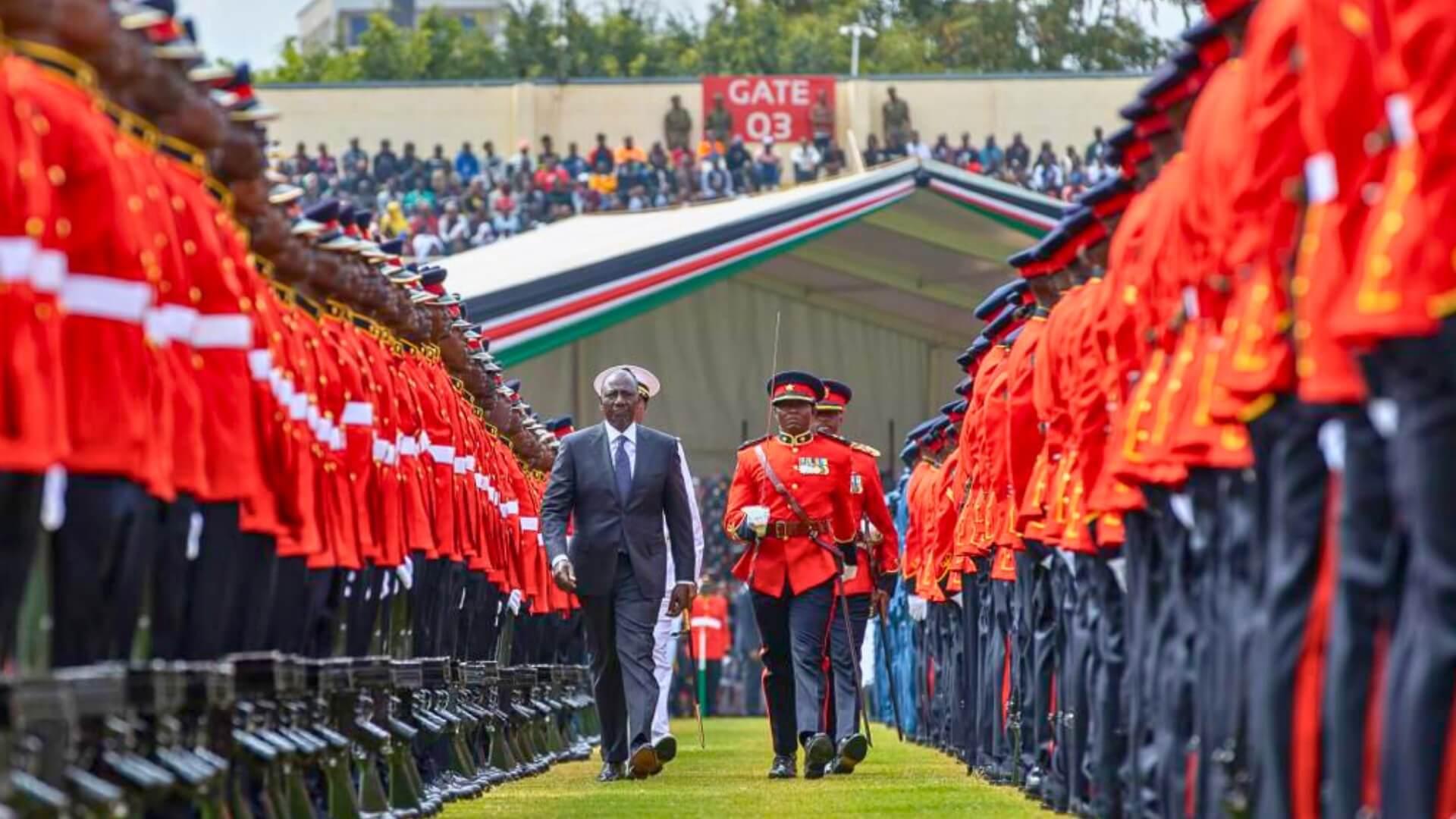
Kenya’s 62nd Jamhuri Day brought together celebration, cultural pride, and pointed debate over economic reforms. As Nairobi showcased its growing role in East Africa’s diplomatic and commercial landscape, the holiday also highlighted the domestic conversations shaping Kenya’s future and its influence across the region.
NAIROBI, KENYA — 2025-12-12 — Kenya commemorated its 62nd Jamhuri Day on Friday, with President William Ruto presiding over national ceremonies in Nairobi, amid ongoing political disagreements over economic reforms that have shaped the wider public conversation.
Updated 16:05 UTC
Jamhuri Day, Nyayo Stadium, Nairobi https://t.co/a7t1gnWUE8
— William Samoei Ruto, PhD (@WilliamsRuto) December 12, 2025
Thousands gathered at Nyayo National Stadium for the annual observance, which honours the country’s independence and transition to a republic.
The government placed strong emphasis on showcasing tourism, conservation, and the expanding meetings and events sector — industry officials say can deepen Kenya’s role as an anchor economy in East Africa. Local authorities across the country held parallel exhibitions and cultural showcases, reinforcing the national theme.
Senior government representatives highlighted Nairobi’s longstanding diplomatic standing as home to the United Nations Office at Nairobi, one of the UN’s global headquarters. They pointed to aviation routes, digital networks, and an evolving services economy as the backbone of Kenya’s role as an entry point to the wider East African Community, whose combined population now exceeds 300 million.
Analysts interviewed by regional outlets noted that Nairobi’s strategic ambitions continue to intersect with the growth trajectories of Addis Ababa, Kigali, and Johannesburg, all of which are contending for continental investment and global convening power.
The celebrations unfolded against a backdrop of political strain. Opposition leaders issued parallel statements challenging the administration’s approach to public assets, debt strategy, and proposed privatisation programs.
According to local media, opposition figures argued that the government must expand transparency mechanisms and build a broader public consensus before pursuing shifts affecting national revenue and long-term ownership of strategic institutions. Economists quoted by Kenyan broadcasters said these debates reflect persistent concerns over the cost of living and public-sector governance.
Pan-African analysts noted that Kenya’s internal debates have implications beyond its borders, given the country’s outsized role in regional trade, peacebuilding, and logistical integration. They argue that Nairobi’s capacity to maintain investor confidence, uphold policy stability, and preserve public trust could shape economic flows into neighbouring markets that depend heavily on Kenyan ports, infrastructure, and air connectivity.
International correspondents also observed that the dual tone of national pride and political contestation has become a hallmark of large African democracies managing reform and public accountability.
Government spokespersons urged the public to approach the national holiday as a moment of unity and renewal, saying the celebrations highlight the country’s economic strengths and cultural heritage.
Opposition leaders countered that their critiques aimed to defend foundational independence principles and ensure future generations share equitably in national resources.
Diplomats based in Nairobi told regional media that Kenya’s position as a gateway to multilateral negotiations — including on climate, migration, and security — remains central to Africa’s global engagement despite ongoing domestic disagreements.

Leave a comment
Your email address will not be published. Required fields are marked *