Lekota helped shape South Africa’s transition from apartheid to democratic government, then moved into opposition politics. His death marks the passing of a key liberation-era voice with continental reach.
JOHANNESBURG, South Africa — March 4, 2026
Updated: March 4, 2026 12:02 GMT
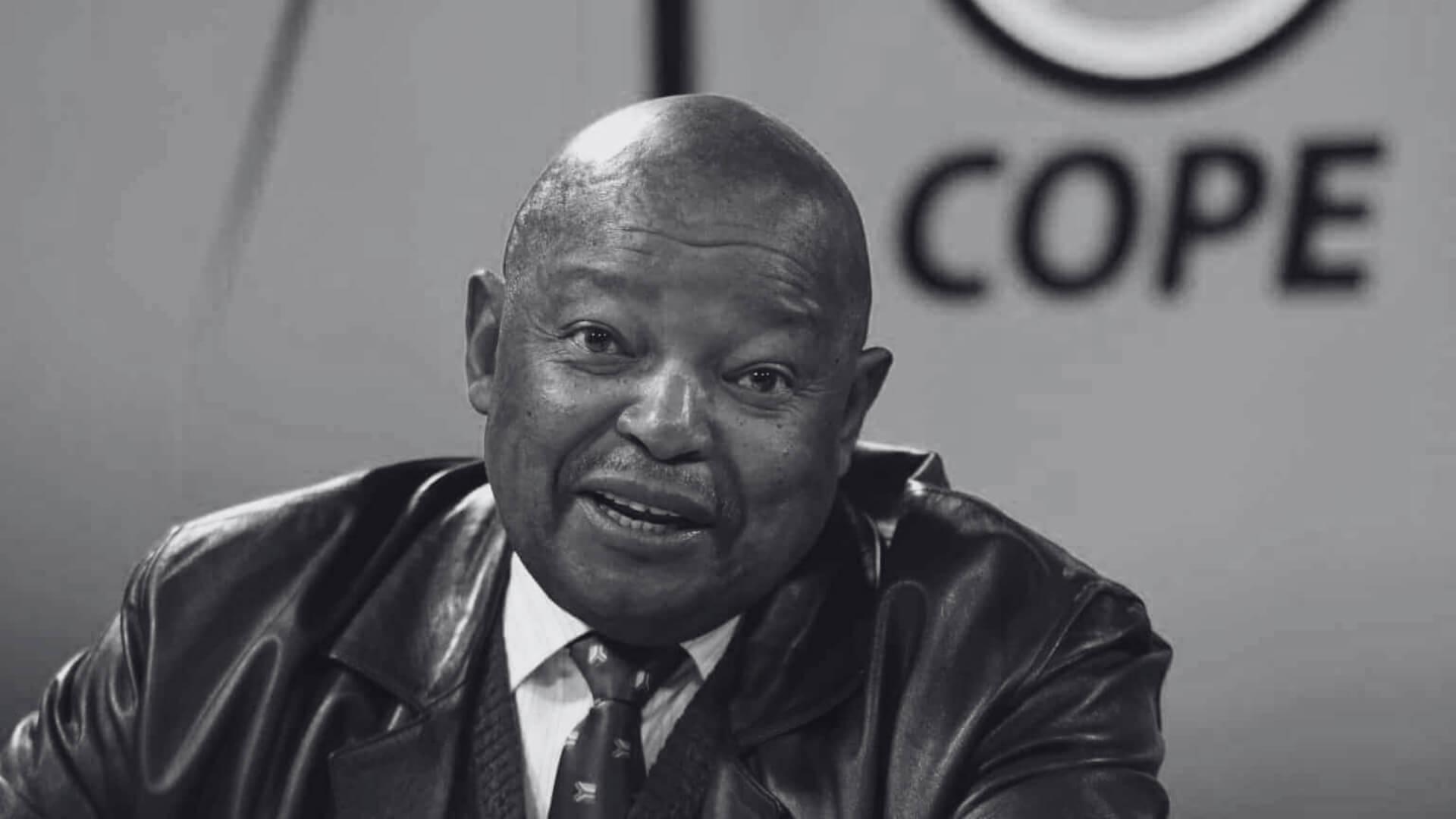
Mosiuoa Gerard Patrick Lekota, a South African anti-apartheid veteran who served as defence minister and later helped found the Congress of the People (COPE), has died aged 77, according to COPE and the South African presidency.
COPE said Lekota died in the early hours of Wednesday after a period of illness. South Africa’s Presidency said President Cyril Ramaphosa was informed of Lekota’s death on March 4.
Lekota was a senior figure in the African National Congress (ANC) in the post-apartheid era and held national and provincial office, including as the first premier of the Free State, chairperson of the National Council of Provinces, and minister of defence. Reuters reported he later broke with the ANC after internal disputes and co-founded COPE in 2008.
In a statement issued by the Presidency in Pretoria, Ramaphosa extended condolences to Lekota’s family, COPE and political colleagues, and cited Lekota’s service in government and the liberation struggle.
President @CyrilRamaphosa has learnt with profound sadness of the passing of Mosiuoa Gerard Patrick Lekota, former Free State Premier, Defence Minister, and the Congress of the People co-founder.
— The Presidency 🇿🇦 (@PresidencyZA) March 4, 2026
The President’s thoughts and prayers are with Mr Lekota’s family, COPE and his… pic.twitter.com/OOCcLWUKu2
Lekota’s political profile began under apartheid. South Africa’s government biography says he was imprisoned on Robben Island from 1974 to 1982. The Presidency said he was jailed in 1974 and spent eight years there alongside other anti-apartheid leaders, including Nelson Mandela.
After his release, the Presidency said Lekota became active in the United Democratic Front and was later convicted in the Delmas Treason Trial, with the conviction overturned on appeal in 1989.
In democratic South Africa, the government contact directory lists Lekota as defence minister from June 17, 1999, to Sept. 25, 2008, after serving as Free State premier from 1994 to 1996 and as chairperson of the National Council of Provinces from February 1997 to June 1999.
Reuters reported Lekota was a close ally of former president Thabo Mbeki and left the ANC in protest after Mbeki was ousted, then helped launch COPE. In its first national election in 2009, COPE won about 7% of the vote, Reuters reported, but the party’s support later fell below 1% in subsequent national elections.
SABC News quoted COPE interim leader Teboho Loate as confirming Lekota’s death and saying he had been ill for some time and in and out ofthe hospital, describing his passing as a major loss for the party.
Tributes also came from across South Africa’s political spectrum. The Associated Press quoted Bantu Holomisa, South Africa’s deputy minister of defence and leader of the United Democratic Movement, as saying Lekota’s decision to form COPE strengthened opposition politics.
Lekota’s death matters beyond South Africa because his career intersected with two areas that shape African public life: liberation-era political networks and post-1994 state building. The Presidency described his role in establishing and leading institutions of the democratic era, including the National Council of Provinces, and highlighted his period leading the defence portfolio.
As South Africa remains a central diplomatic and security actor on the continent, the loss of senior figures from the liberation generation is closely watched across African political parties, governments, and regional institutions that have long engaged South Africa’s leadership.
COPE has not announced funeral arrangements in the statements cited by Reuters and South African media, and the Presidency said Ramaphosa’s office was in contact with Lekota’s family and political associates.

Leave a comment
Your email address will not be published. Required fields are marked *