How African Tech Startups Are Reinventing Entertainment: From Streaming to AI Creators
African entertainment tech startups are building the next wave of streaming, creator tools, AI discovery, and ticketing platforms across the continent. From Nigeria to Francophone Africa, these companies are quietly changing how Africans watch, listen, and monetize content.
African entertainment tech startups are changing how you watch, listen, and create
African entertainment tech startups are quietly reshaping the continent’s media economy, from local streaming apps to AI-powered creator tools. Furthermore, they are building for the way African audiences actually consume content: mobile-first, data-conscious, and deeply social. As a result, the entertainment stack is becoming more local, more useful, and more African.
Meanwhile, the old story focused on global platforms such as Netflix, YouTube, and TikTok. Today, a new wave of startups is filling the gaps those giants often miss, especially around local languages, payment habits, creator support, and regional discovery. Additionally, this shift is not limited to one market; it is spreading across Nigeria, Kenya, South Africa, and Francophone Africa.
- Streaming platforms are tailoring content for local tastes.
- Creator tools are helping artists and influencers produce faster.
- AI apps are improving discovery and recommendation.
- Ticketing platforms are making live events easier to access.
For readers tracking African innovation, this is where entertainment meets business, technology, and culture. Explore more in Technology, Entertainment, Culture & Lifestyle, Business & Economy, and Africa News.
Why African entertainment tech startups matter now
Streaming and creator platforms succeed when they match local reality. However, African users still face costly data, patchy payments, and weak recommendation systems for local content. According to TechCabal, Africa now has over 2,400 AI companies, and the wider startup ecosystem raised about $3.42 billion across 502 deals in 2025, showing that innovation remains active even as capital shifts globally.[4]
Importantly, entertainment is one of the best places to see that innovation in action. Music, film, comedy, live events, and influencer-led content all depend on discovery, payments, audience insight, and creator monetisation. Therefore, startups that improve those layers can influence how millions of people find and share culture every day.
Moreover, African markets reward products that solve real friction. The most useful entertainment tools do not try to copy Silicon Valley. Instead, they work around local languages, low-bandwidth usage, bank transfers, mobile money, and regional fandoms.
African entertainment tech startups and the streaming race
Streaming remains the most visible part of the shift. However, the strongest African platforms are not only competing on catalogue size; they are competing on relevance. They focus on local stories, local payment methods, and audience habits that global services often overlook.
What makes local streaming different
First, local streaming services often package content around regional identity. They lean into Nollywood, Kenyan series, South African reality shows, Francophone films, and music-led video formats. Additionally, they support smaller creators who can build loyal audiences faster than on crowded global feeds.
Second, these services can better reflect how Africans pay for entertainment. Many users prefer mobile money, airtime billing, or low-cost bundles. Consequently, a startup that reduces payment friction can grow faster than one that depends only on international cards.
Third, local platforms often understand language better. In multilingual markets, recommendation and search must work across English, Swahili, Hausa, Yoruba, Amharic, French, and many more languages. That gives African platforms a real edge when they invest in localisation.
Markets to watch
Nigeria remains a major entertainment-tech hub because of Nollywood, Afrobeats, and a huge creator economy. Meanwhile, Kenya keeps building around mobile-first media habits and a strong digital culture. South Africa stands out for its mature media market, event economy, and strong broadband base. Additionally, Francophone Africa is becoming more important as startups target French-speaking audiences across West and Central Africa.
For a broader look at African innovation, read more in Technology, Arts & Entertainment, and Technology & Finance.
The creator economy is becoming a startup market
Creators are no longer just users of social platforms. Instead, they are customers, distribution channels, and business partners. This is why African entertainment tech startups are building tools for editing, collaboration, monetisation, scheduling, analytics, and fan engagement.
Furthermore, a new generation of African content creators wants more control over audience access and revenue. They want products that help them run communities, sell tickets, package memberships, and measure engagement. As a result, startups that serve creators directly can grow alongside them.
Where creator tools are growing fastest
Influencer culture is especially powerful in fashion, music, comedy, and celebrity coverage. Moreover, many African creators now blend short video, live streams, podcast clips, and event promotion into one brand. That creates demand for better tools that simplify production and scheduling.
Additionally, startup founders are noticing that creators need local support, not generic dashboards. They need practical tools that help with payment splits, audience insights, and cross-platform publishing. In many cases, that is more valuable than another global social app.
- Editing tools speed up video and audio production.
- Analytics tools help creators understand audience growth.
- Monetisation tools support subscriptions and paid communities.
- Collaboration tools connect creators with brands and teams.
Discover more about Africa’s digital culture in Culture & Lifestyle, Entertainment, and Business & Economy.
AI creators are the next frontier
AI is changing entertainment from behind the scenes to the front of the user experience. According to a TechCabal analysis, Africa had over 2,400 AI companies by 2024, and about 41% were startups.[4] Furthermore, a YouTube panel on African media and AI highlighted how technology is giving individuals the power to build their own media houses and expand storytelling access.[1]
However, the most exciting entertainment use cases are practical, not futuristic. AI can recommend shows, tag music, subtitle video, help with dubbing, and speed up content creation. Consequently, AI becomes a growth tool for both platforms and creators.
How AI improves African entertainment
First, AI can make discovery more local. A recommendation engine that understands African sub-genres, slang, and audience taste can surface better matches than generic global feeds. Additionally, it can help users find content by mood, language, region, or celebrity.
Second, AI can reduce production time. Creators can use AI for captioning, scripting, translation, clipping, and rough editing. Therefore, a small team can produce more polished content with fewer resources.
Third, AI can support accessibility. Subtitles, voice tools, and translation systems can help content travel across African languages and borders. In addition, that makes the market larger for everyone involved.
Importantly, the best AI products in this space will respect copyright, data rights, and creator consent. The same YouTube panel stressed the need for stronger copyright protection, IP laws, and the infrastructure needed to support AI growth across African media.[1]
Ticketing, live events, and the business of attention
Entertainment in Africa is not only digital. Live shows, festivals, premieres, conferences, and comedy nights still drive huge cultural value. Meanwhile, ticketing startups make those events easier to sell, track, and scale.
Moreover, ticketing links music, celebrity culture, and brand partnerships into one commercial loop. A fan may discover an artist on streaming, follow them on social media, and then buy a ticket to see them live. Consequently, a good ticketing platform sits at the centre of the entertainment journey.
Additionally, event platforms help organisers reduce fraud and improve attendance tracking. They also give promoters cleaner data on who is buying, where they live, and what they like. That data matters for everything from tour planning to sponsor sales.
- Discovery starts on streaming or social media.
- Engagement grows through creator content and fan communities.
- Conversion happens when users buy tickets or subscriptions.
- Retention comes from better experiences and repeat access.
Francophone Africa is emerging as a serious market
Francophone Africa deserves more attention in entertainment-tech coverage. However, it often gets less visibility than Nigeria, Kenya, or South Africa. That is changing as French-speaking audiences grow online and demand more local stories, music, comedy, and mobile-friendly services.
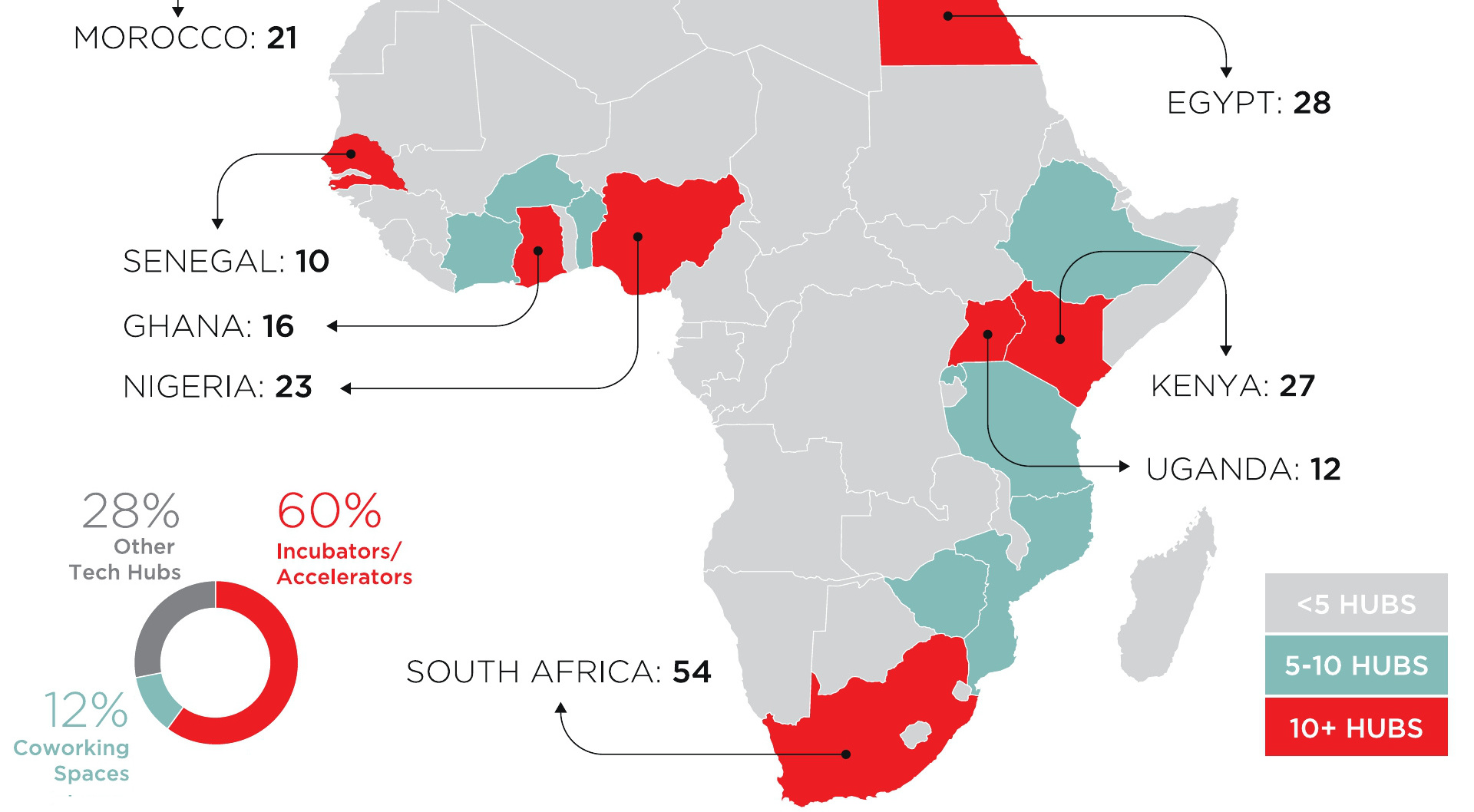
Furthermore, the region offers strong opportunity for platforms that can serve cross-border audiences. A startup that works in Côte d’Ivoire, Senegal, Cameroon, and the Democratic Republic of Congo can reach a large, connected cultural market. As a result, French-language content can travel faster when products are built for regional discovery.
Meanwhile, the creative economy in these markets is young, digital, and highly social. That makes them ideal for music discovery, creator communities, and event-led revenue models. For readers following that shift, keep an eye on Africa News, Entertainment, and Technology.
What the best founders are doing differently
Successful founders are not building for abstract “African users.” Instead, they are solving specific problems around culture, cost, and access. They think about local payment rails, low data use, and community trust from day one.
Moreover, they are designing for creators as partners, not just content suppliers. That means clearer revenue shares, faster payouts, better analytics, and tools that let creators grow their own brands. Consequently, these startups become part of the creator’s business, not just a distribution layer.
Additionally, the most resilient teams stay close to culture. They understand the speed of meme trends, celebrity influence, music drops, and fandom behaviour. That insight helps them build products people actually want to use.
Three signals of a strong entertainment-tech startup
- Local fit with African payment, language, and data realities.
- Creator value through monetisation or workflow support.
- Discovery strength through AI or smart curation.
Read more about the wider startup environment in Business & Economy, Technology & Innovation, and Opinion & Editorial.
What this means for African audiences
For audiences, the payoff is simple. You get more content that feels familiar, more tools that make creators easier to support, and more ways to engage with your favourite stars. Furthermore, you see African stories move from the margins to the centre of the platform.
For creators, the upside is bigger. They gain better ways to reach fans, earn revenue, and build independent media businesses. Consequently, the next wave of African celebrities may come from startup-powered creator ecosystems, not only traditional studios.
For investors and media buyers, the message is clear. The entertainment market is not just about views. It is about engagement, payments, retention, and culture-driven commerce.
Explore More on Topping Africa
Technology covers the startups, apps, and tools changing African life. Discover more.
Entertainment follows the stars, creators, and platforms shaping pop culture. Read more.
Culture & Lifestyle tracks the habits, fandoms, and trends that power audience behaviour. Explore more.
Share your thoughts in the comments and subscribe for more analysis on African innovation, music, and creator culture.
For deeper context on Africa’s startup momentum, see Google Africa on startup growth, TechCabal Insights, and Jersey Finance.

Staff
Contributing writer at Topping Africa.
0 Comments
No comments yet. Be the first to share your thoughts!