From Side Hustle to Scale: The Most Profitable Creator-Led Businesses in Africa Right Now

The most profitable business in Africa for creators is not what most listicles say. From niche newsletters to TikTok shops and culture-first merch brands, African creators are building scalable, high-margin companies right now. Here are the seven models that are actually working — with real numbers, named tools, and honest trade-offs.
Ask anyone what the most profitable business in Africa for creators looks like, and most answers will point you toward agriculture, real estate, or telecoms. Those answers are not wrong — but they miss an entire generation of Africans who are building scalable, high-margin companies from a phone, a camera, and a sharp point of view. Across Lagos, Nairobi, Accra, Johannesburg, and the diaspora, content creators are not just making videos. They are launching content studios, niche newsletters, TikTok-native shops, and culture-first merchandise brands that are generating real, recurring revenue. This piece maps the seven creator-led business models that are actually working right now — with specific numbers, named tools, and honest trade-offs.
Why Creator-Led Businesses Are the Most Profitable Business in Africa's Digital Economy
The economics are simple: low overhead, global reach, and compounding audience equity. A Nollywood content studio in Lagos does not need a physical storefront. A newsletter about African fintech can charge $500 per sponsored issue with 3,000 engaged subscribers. A TikTok shop selling Ankara-print tote bags can ship to London, Toronto, and Dubai from a single warehouse in Kumasi.
The International Finance Corporation estimates that Africa's creator economy could add over $20 billion to the continent's GDP by 2030 — yet most of that value is still untapped. The creators who move now, before the market matures, will capture the biggest share. The seven models below are where that movement is already happening.

-
1. Niche Content Studios: Turning Production Into a B2B Machine
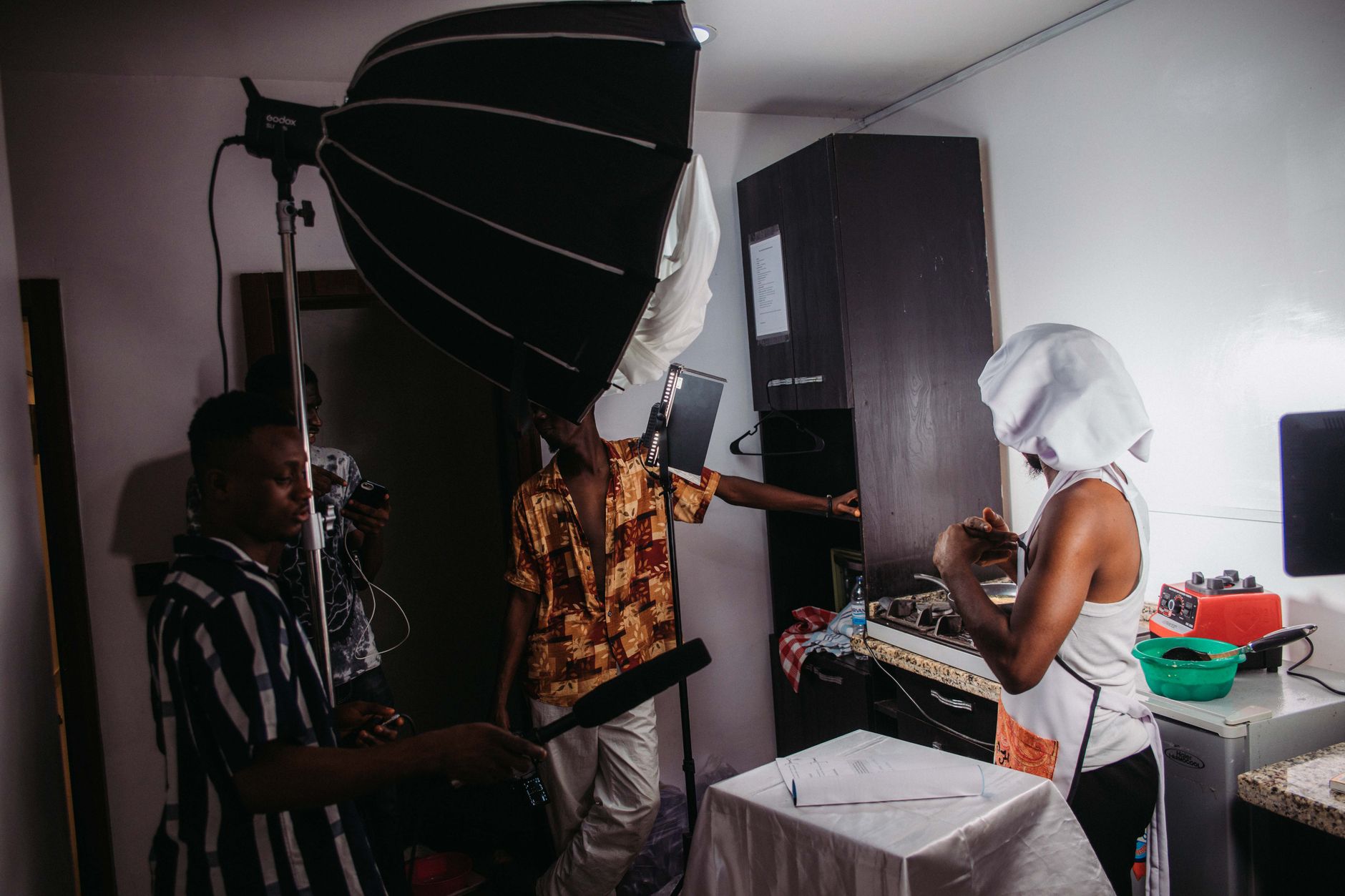
The smartest move a creator with consistent video output can make is to productize their production capability. Nigerian creators like Zikoko (now a full media company under Big Cabal Media) started as a meme page and evolved into a content studio that produces branded series for Flutterwave, Paystack, and MTN. That pivot — from creator to studio — is the single most scalable model on this list.
Here is how it works in practice. You build an audience in a niche (fintech, fashion, food, comedy). Brands in that niche pay you not just for one sponsored post but for a retainer-based content package: six short-form videos per month, two long-form YouTube episodes per quarter, and a monthly social media calendar. Retainers of $2,000–$8,000 per month per brand client are realistic once your studio has a portfolio and a media kit.
The common mistake creators make here is underpricing because they are thinking like freelancers, not agency owners. Charge for the outcome (brand awareness, leads, conversions) not the hours. Use tools like Notion for client deliverable tracking and Loom for async feedback to keep overhead low while serving multiple clients simultaneously.
- Start with one anchor client at a discounted rate to build your portfolio.
- Hire one editor and one social media manager before you hire anyone else.
- Specialize — a "fintech content studio" commands higher rates than a generic one.
-
2. Niche Newsletters: The Quiet Revenue Engine Most Creators Overlook

Email is not dead — it is the highest-converting channel most African creators have never seriously tried. Newsletters with 2,000–5,000 highly targeted subscribers routinely outperform social accounts with 100,000 followers when it comes to sponsored revenue, because advertisers pay for attention, not vanity metrics.
Look at what The Continent, a pan-African news newsletter, has done: a lean editorial team, a pay-what-you-can model, and a growing paid subscriber base across 50+ countries. Or consider Techpoint Africa's daily briefing, which drives significant advertising revenue from fintech and SaaS companies targeting African tech professionals. The template is replicable in any niche — African fashion, Afrobeats business, East African agriculture, diaspora investing.
Platforms like Substack and Ghost make monetization straightforward: paid tiers starting at $5–$10/month, sponsor slots at $200–$1,000 per issue depending on list size, and premium community access. A creator who builds a 5,000-subscriber newsletter in the African fintech space and charges $500 per sponsor slot (two slots per issue, weekly cadence) is looking at $52,000/year in sponsorship revenue alone — before paid subscriptions.
- Pick a niche that has money in it: tech, investing, fashion business, health, or education.
- Publish consistently — weekly beats monthly every time for audience growth.
- Use ConvertKit or Ghost for easy paid-tier setup without coding.
-
3. TikTok Shops and Social Commerce: The Most Profitable Business in Africa for Product Creators
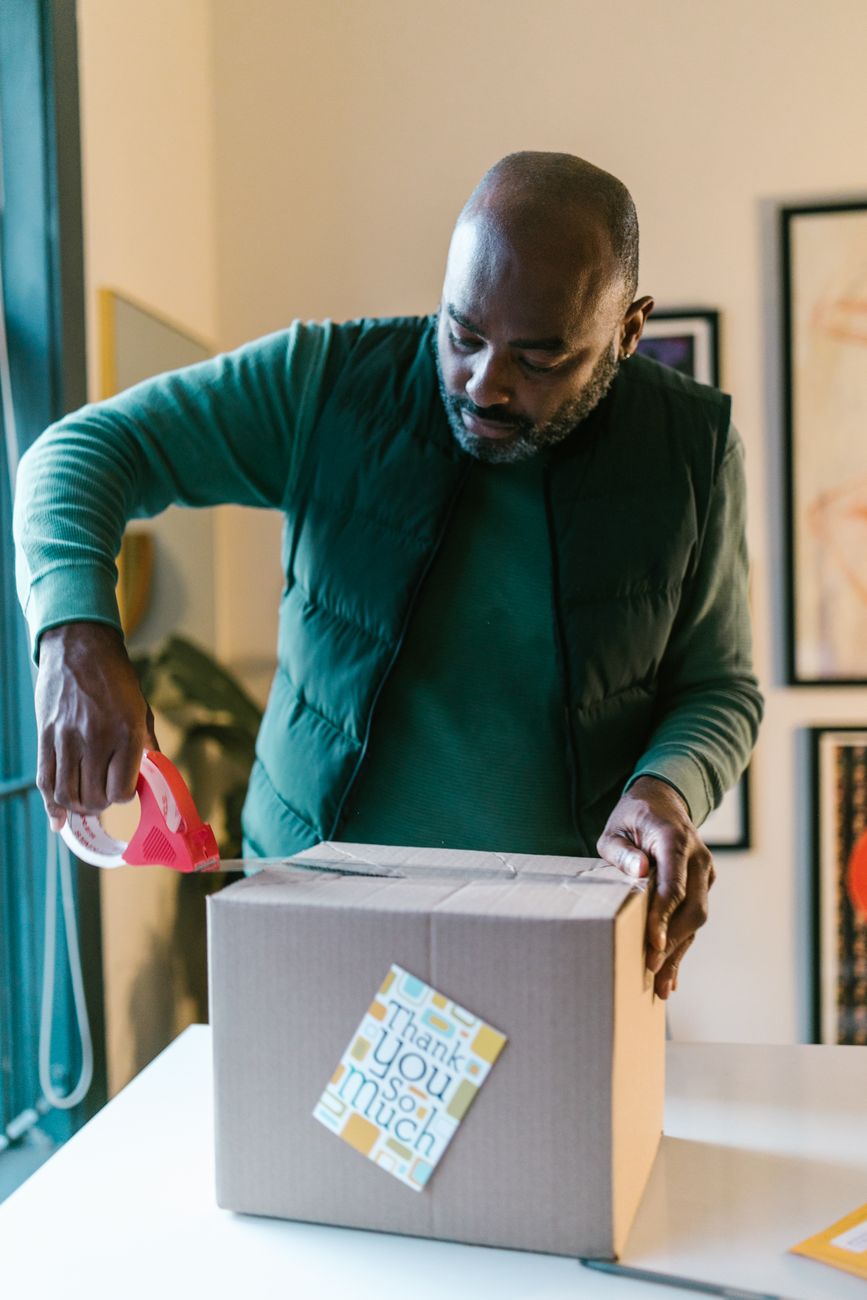
TikTok Shop launched in key African markets and the results have been striking. Creators who combine entertaining content with a native checkout experience are converting viewers into buyers without ever leaving the app. This is not just a Gen Z trend — it is a structural shift in how African consumers discover and buy products.
The winning formula is simple but requires discipline: post 3–5 short videos per day showing the product in real use, lean into storytelling (not hard selling), and use TikTok's affiliate program to recruit micro-creators to sell for you on commission. Ghanaian beauty creators selling shea-butter skincare and Nigerian food creators selling spice kits have reported monthly revenues of $3,000–$15,000 within six months of launching TikTok shops — with margins of 40–60% on physical goods.
The biggest trade-off: logistics. Shipping within Africa is still expensive and unreliable in many corridors. The creators who scale fastest either focus on digital products (presets, recipes, templates) or partner with a third-party logistics provider like Sendbox or Kobo360 from day one. Do not let fulfillment be an afterthought — it will kill your reviews and your repeat purchase rate.
- Start with a digital product to test demand before committing to physical inventory.
- Use TikTok's LIVE shopping feature — conversion rates during live sessions are 3–5x higher than standard posts.
- Recruit 5–10 micro-affiliates (under 10K followers) early; their authentic reviews drive trust.
For inspiration on how African creators are owning short-form video commerce, read how African sports content creators are dominating TikTok and YouTube — the same playbook applies to product-led channels.
-
4. Culture-First Merchandise Brands: Selling Identity at Scale
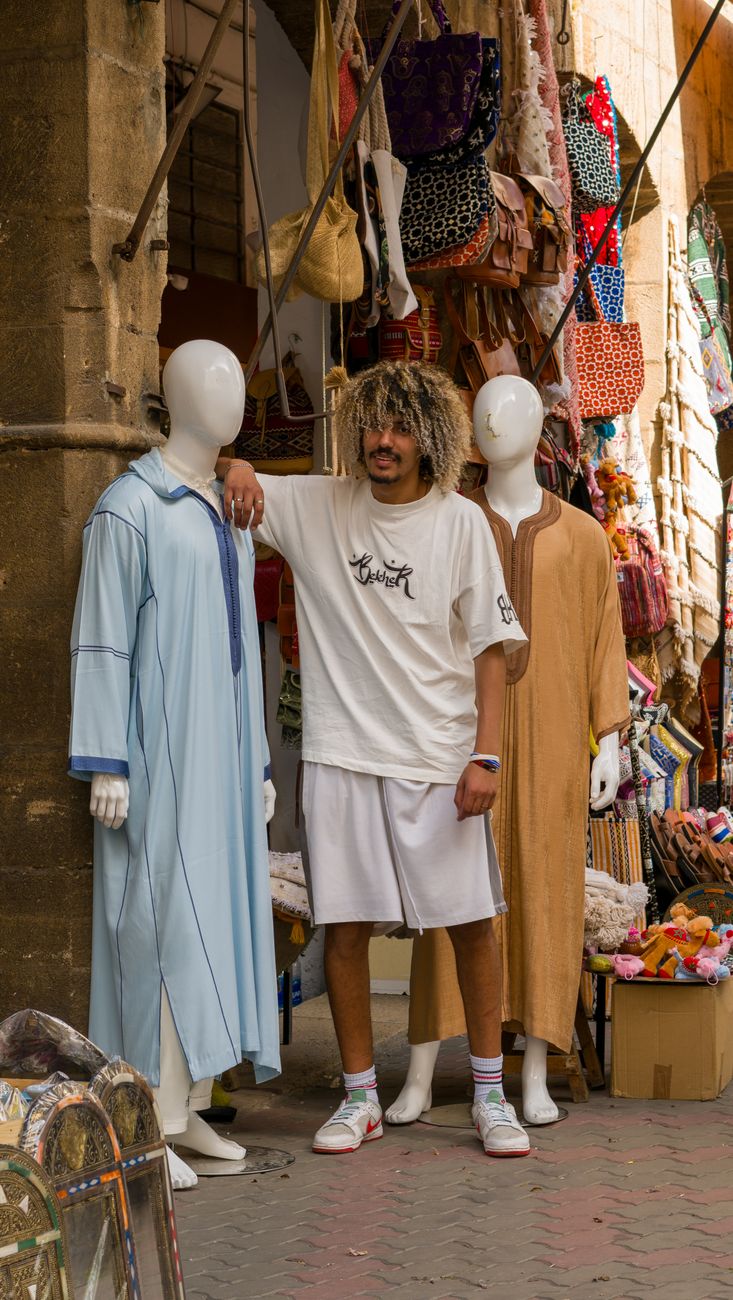
The most durable creator-led businesses are the ones that sell belonging, not just products. Culture-first merch brands — built around African identity, heritage, and pride — tap into a demand that is both emotional and global. The African diaspora alone numbers over 170 million people, many of whom actively seek products that connect them to their roots.
Creators like Fisayo Longe of Kai Collective and the team behind Studio One Eighty Nine (co-founded by Rosario Dawson and Abrima Erwiah) have shown that African-aesthetic fashion brands can command premium pricing and international retail placement. But you do not need celebrity co-founders. A creator with 20,000 engaged followers in a diaspora community can launch a merch line using Printful or Printify for print-on-demand (zero inventory risk), test designs with pre-orders, and graduate to custom manufacturing once a design proves itself.
Margins on print-on-demand hover around 20–30%, which is thin. The real money comes when you move to custom bulk manufacturing — typically at 300+ units — where margins jump to 50–70%. Use the print-on-demand phase to validate, then scale with bulk orders. Creators who skip validation and go straight to bulk inventory are the ones sitting on $20,000 of unsold stock.
- Anchor your brand to a specific cultural story — vague "African pride" is harder to sell than a specific ethnic or regional identity.
- Limited drops create urgency and reduce inventory risk.
- Collaborate with other creators to cross-promote launches and split production costs.
See how African fashion creators are already redefining style globally: discover the top African fashion creators on TikTok and Instagram in 2026.
-
5. Online Courses and Digital Education: High Margin, Evergreen Revenue

African creators who have mastered a skill — video editing, copywriting, social media growth, financial modeling, coding — are sitting on a product that can sell while they sleep. Online courses are among the highest-margin digital products available: once built, the marginal cost of selling one more unit is essentially zero.
The African edtech space is growing fast. TechCabal's edtech funding reports show consistent investor interest in African digital learning — which means the infrastructure (payment rails, mobile-friendly platforms) is improving rapidly. Creators do not need to build their own LMS. Selar, built specifically for African creators, handles payments in local currencies, digital delivery, and affiliate management. Teachable and Gumroad are solid alternatives with global reach.
A realistic course launch: a Nigerian social media strategist with 15,000 Instagram followers launches a $97 course on "Growing a Brand Account from 0 to 10K." With a modest 2% conversion rate on a launch to their email list of 2,000 people, that is 40 sales — $3,880 in a single week. Run two launches per year, add an evergreen funnel, and you are looking at $15,000–$25,000 annually from one course. Stack two or three courses and the math gets genuinely exciting.
- Validate with a live cohort (paid beta) before recording the full course.
- Price higher than you think — $97 to $297 converts better than $27 for skill-based courses.
- Use Selar for African-currency payments to reduce friction for local buyers.
The intersection of content and education is already producing results across the continent. Explore how African edtech startups are turning TikTok and YouTube into virtual classrooms for a deeper look at this trend.
-
6. Podcast Networks and Audio Brands: The Underpriced Opportunity
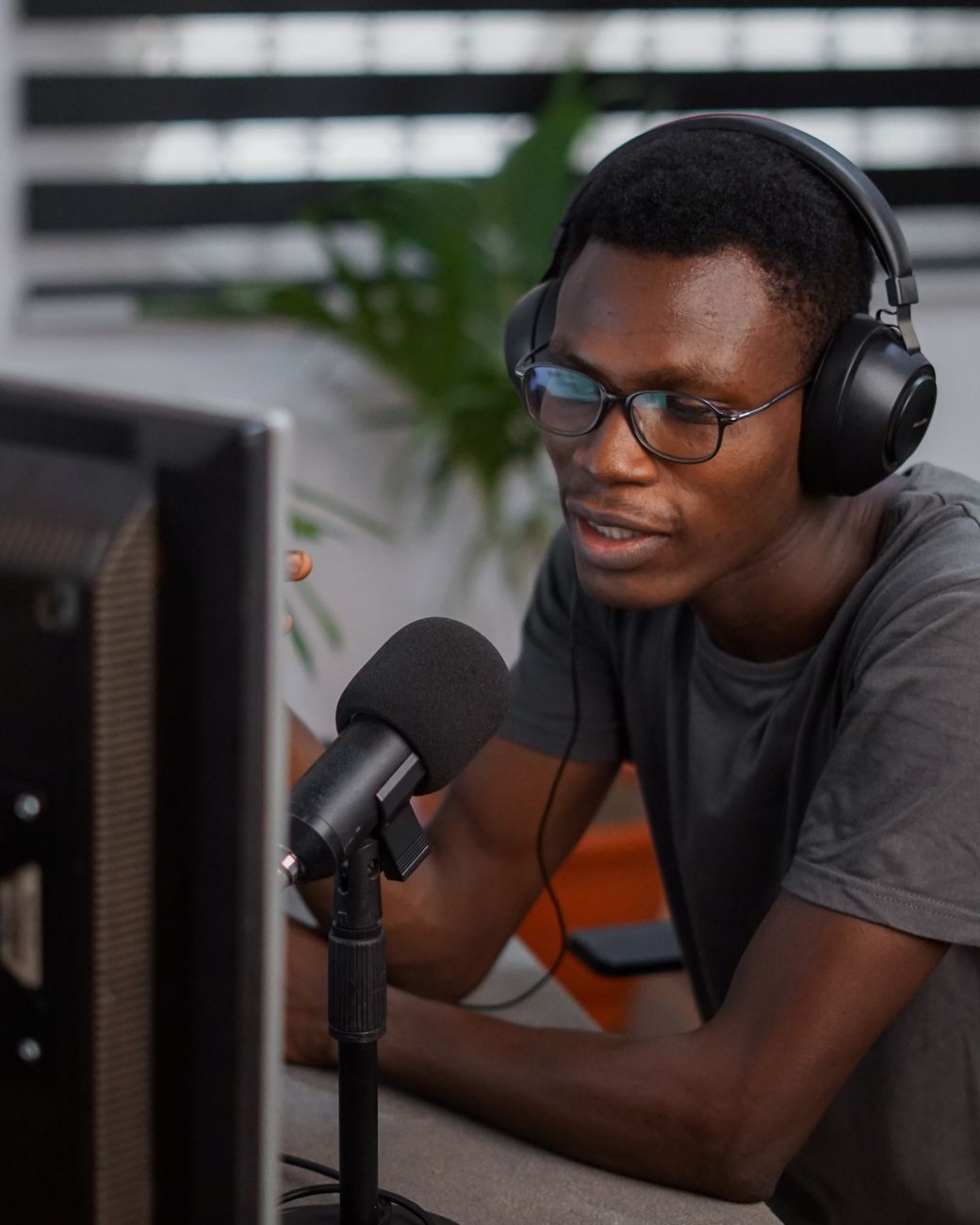
African podcasting is where YouTube was in 2015: early, undermonetized, and full of upside for creators who move now. Shows like The Honest Bunch (Kenya), I Said What I Said (South Africa), and Afrobytes Podcast are proving that African audio content has a loyal, paying audience. The business model goes well beyond ad reads.
The smartest podcast creators are building networks, not just shows. Launch one flagship show, grow it to 5,000–10,000 downloads per episode, then use that proof-of-concept to bring two or three complementary shows under the same brand umbrella. Sell sponsorships across the network as a package. A network of three shows averaging 6,000 downloads each can command $3,000–$6,000 per episode from a single sponsor — that is $36,000–$72,000 per year from one sponsor relationship alone.
Revenue streams to layer in: live events (ticket sales, brand partnerships), Patreon or Supercast for premium ad-free feeds, and merchandise tied to the show's community identity. The trade-off is time — good podcasts require consistent, quality output, and the first 12 months often feel thankless. Creators who quit at episode 20 never see the compounding returns that kick in after episode 50.
- Record in batches — produce four episodes in one session to stay ahead of your publishing schedule.
- Guesting on established shows is the fastest way to grow your own audience.
- Sell sponsorships directly before joining any podcast ad network — you will earn 3–5x more per read.
-
7. Creator-Led Talent and Management Agencies: Scaling Human Capital

This is the model that turns one creator's experience into a company with 10, 20, or 50 revenue streams. Creators who have figured out brand deals, content strategy, and audience growth have a skill that other creators desperately need. Building a talent management or creator agency is how you scale beyond the limits of your own time and personal brand.
The structure is straightforward: sign creators, negotiate brand deals on their behalf, take a 15–20% management commission. A roster of 10 mid-tier creators each earning $3,000/month in brand deals generates $4,500–$6,000/month for the agency — before any additional services like content production or strategy consulting. McKinsey's research on the creator economy consistently shows that managed creators out-earn unmanaged peers by 40–60%, which makes the value proposition easy to sell.
The hardest part is not finding clients — it is keeping them. Creators churn when they feel underserved or when they think they can negotiate deals themselves. The agencies that retain talent long-term invest in education (teaching creators how brand deals work), transparency (showing every number), and community (creating a sense of belonging among the roster). Treat your roster like a team, not a transaction.
- Start with three to five creators you already know and trust before scaling the roster.
- Specialize by niche — a "lifestyle creator agency" is easier to pitch to brands than a generic one.
- Use HubSpot's free CRM to track brand outreach and deal pipelines from day one.
Ready to find creators worth managing or partnering with? Discover African creators across every niche on Topping Africa and start building your network today.
The Common Thread: What the Most Profitable Creator Businesses in Africa Share
Across all seven models, the businesses that scale share three traits. First, they own their audience — email lists, communities, or direct relationships that no algorithm change can wipe out. Second, they diversify revenue early, combining brand deals with product sales with community subscriptions so that no single income stream exceeds 50% of total revenue. Third, they treat their content as a business asset, not a hobby — reinvesting early revenue into better equipment, smarter hires, and systems that remove the creator as the bottleneck.
The creators who stall are the ones who optimize for followers instead of revenue, who take every brand deal without a strategy, and who never build the infrastructure to serve more than one client or customer at a time. The gap between a creator with 100,000 followers earning $500/month and one with 20,000 followers earning $15,000/month is almost always a business model decision, not a talent gap.
Africa's creator economy is not a future story. It is happening now — in Lagos content studios, Nairobi newsletter inboxes, and Accra TikTok shops. The question is not whether these businesses are viable. The question is whether you are building one. Explore what's trending in the African creator space and find your entry point. The window for first-mover advantage is still open — but it will not stay that way for long.
Staff
Contributing writer at Topping Africa.
0 Comments
No comments yet. Be the first to share your thoughts!