From Local Genius to Global Trend: 15 African Innovations Transforming Culture, Tech, and the Creator Economy

African innovations in fintech, streaming, fashion-tech, and creator tools are rewriting the rules of the global creator economy. This listicle spotlights 15 concrete breakthroughs — and exactly how African content creators and entrepreneurs can use each one to build, distribute, and monetise their work right now.
African innovations are no longer a footnote in global tech and culture conversations — they are the headline. From mobile money systems that rewired how a continent transacts, to storytelling platforms putting Nairobi and Lagos on the same map as Los Angeles and London, the creative and entrepreneurial output coming out of Africa right now is staggering. For African content creators and entrepreneurs, these breakthroughs are not just inspiring stories. They are live infrastructure, open platforms, and monetisation rails waiting to be used. This list cuts through the noise and names 15 specific innovations — with a hard focus on what each one means for the creator economy.

Why African Innovations Deserve a Creator-Economy Lens
Most coverage of African innovation focuses on investors, GDP impact, or startup valuations. That framing leaves out the people who actually move culture: creators, storytellers, designers, and digital entrepreneurs. The truth is that many of the most consequential African innovations of the last decade were built for or by people who make things for an audience. Understanding them through that lens changes what you do next.
Creators who ignore the infrastructure being built around them leave money, reach, and influence on the table. The 15 entries below are chosen because each one has a direct, actionable connection to how African creators can build, distribute, or monetise their work. Discover more of the creators already riding these waves on Topping Africa's creator directory.
15 African Innovations Every Creator and Entrepreneur Should Know
1. M-Pesa — The Mobile Money Blueprint That Unlocked Creator Payments
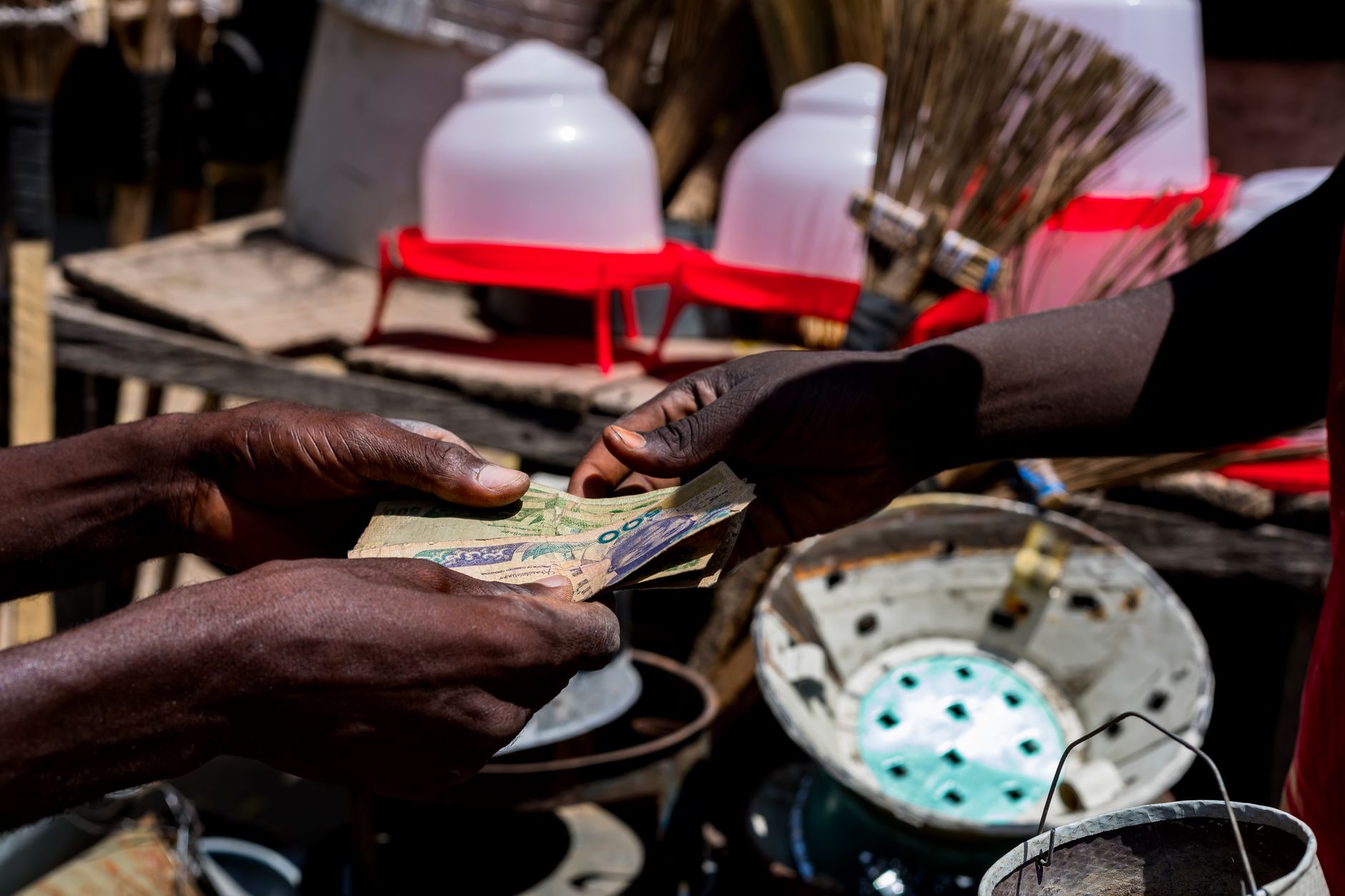
Launched in Kenya in 2007 by Safaricom, M-Pesa is the single most-cited proof that Africa does not wait for Western infrastructure — it builds its own. Today it processes over $314 billion in transactions annually and operates across seven countries. For creators, the practical win is enormous: M-Pesa integrations allow fans to pay for exclusive content, tip creators, and buy digital products without a bank account or a credit card. Any creator selling courses, beats, or digital art to an East African audience who ignores M-Pesa integration is losing real revenue. Learn more about M-Pesa's ecosystem here.
2. Flutterwave — The Payment Layer Powering the African Creator Stack

Nigeria-founded Flutterwave has become the payment backbone for thousands of African digital businesses. Its Storefront feature lets any creator set up a shop and accept payments in multiple African currencies within minutes — no developer needed. The common mistake creators make is building a global audience but only accepting USD via PayPal, which excludes a massive portion of their African fan base. Flutterwave solves that directly. With a valuation exceeding $3 billion, it is not a startup experiment — it is stable infrastructure.
3. Paystack — Frictionless Checkout for African Digital Products

Acquired by Stripe in 2020 for approximately $200 million, Paystack remains the go-to checkout tool for Nigerian and Ghanaian creators selling digital products. Its clean API and low-friction onboarding mean a creator can go from idea to paid product page in under an hour. The trade-off worth knowing: Paystack's geographic coverage is still limited compared to Flutterwave, so creators with pan-African ambitions often run both. For anyone selling e-books, presets, or online workshops to West African audiences, Paystack is non-negotiable.
4. Audiomack — Africa's Streaming Platform Built for Independent Artists

While Spotify and Apple Music dominate Western markets, Audiomack has become the platform of choice for independent African artists — particularly in Nigeria, Ghana, and Tanzania. It offers free unlimited uploads, no paywall for listeners, and a monetisation programme that pays per stream. The key insight most creators miss: Audiomack's algorithm actively surfaces African-language content to diaspora listeners, making it a genuine discovery engine rather than just a hosting tool. Artists who upload consistently and tag content correctly report 3–5× more organic reach than on competing platforms.
5. Boomplay — The Streaming Giant Betting on African Music Ownership
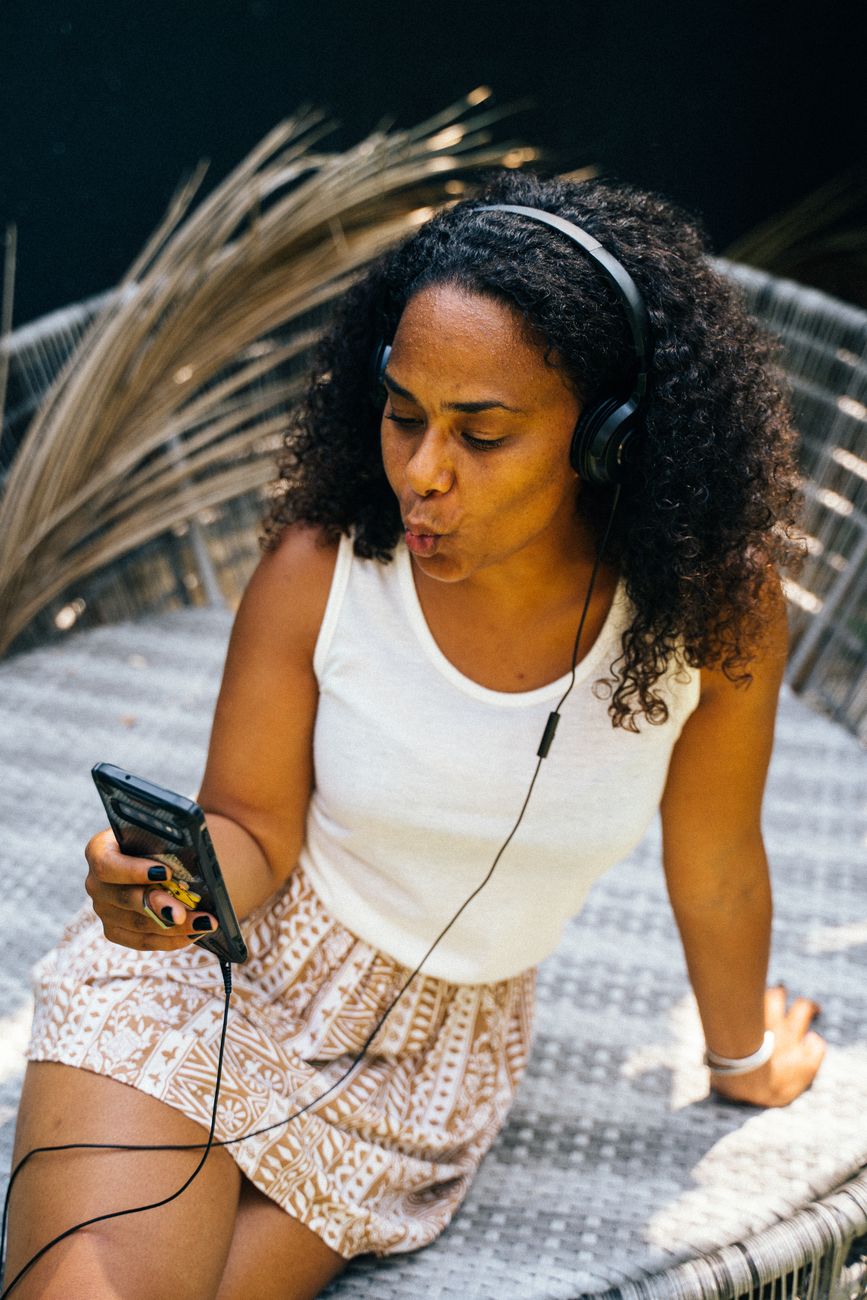
Boomplay, backed by Transsnet Music and NetEase, has surpassed 100 million registered users and is the largest music streaming platform on the continent by active users. What makes it strategically interesting for creators is its direct licensing model — artists can negotiate directly rather than going through aggregators, which means higher per-stream payouts for those who qualify. It also integrates with mobile money, removing the bank-account barrier for fan subscriptions. For African music creators serious about building a sustainable income from streaming, Boomplay deserves a dedicated strategy, not an afterthought upload.
6. Carry1st — Gaming Meets African Creator Commerce

Most people think of gaming and creator economy as separate worlds. Carry1st is collapsing that wall. The Cape Town-based company is Africa's leading mobile games publisher and has built a payments infrastructure — Pay1st — specifically designed for digital goods purchases across Africa. For gaming creators, streamers, and esports commentators, Carry1st represents both a distribution partner and a monetisation layer. Andreessen Horowitz and Google led its Series B, which signals this is not a niche play — it is a foundational piece of Africa's digital entertainment economy.
7. Afrocenchix — Beauty-Tech Proving African Consumer Brands Can Scale Globally

Afrocenchix started as a UK-based brand solving a specific problem: safe, natural hair products for people with Afro-textured hair. It grew into a data-driven beauty-tech company that uses customer feedback loops and ingredient transparency to build trust at scale. For beauty and lifestyle creators, the lesson is concrete: Afrocenchix proved that a hyper-specific African audience problem, solved with rigorous quality, can become a globally competitive brand. Creators in the beauty space who partner with or review brands like Afrocenchix are tapping an audience that is actively searching for trusted voices — not just entertainment.
8. Aza Finance (formerly BitPesa) — Cross-Border Payments for the Creator Diaspora
For African creators in the diaspora — working from London, Toronto, or Houston — getting paid by African brands or paying African collaborators has historically been expensive and slow. Aza Finance uses blockchain-adjacent infrastructure to offer near-instant cross-border transfers at rates far below traditional banks. The practical application: a Nigerian creator based in the UK can receive a brand deal payment from a Lagos company within hours, not days, and at a fraction of the SWIFT fee. That efficiency directly affects how many collaborations are financially viable.
9. Afrobeats to the World — A Cultural Export Engine That Creators Can Ride
This entry is not a single company — it is a deliberate, coordinated movement. Labels like Mavin Records, platforms like TurnTable Charts, and a generation of artist managers have systematically positioned Afrobeats as a global genre. The result: Burna Boy, Wizkid, and Tems have each charted in markets where African music had zero presence a decade ago. For creators, the infrastructure they built — sync licensing pipelines, international tour booking networks, global PR playbooks — is now available to the next generation. See how African artists are landing global collaborations and learn from the blueprint.
10. Nollywood's Streaming Pivot — African Storytelling as a Tech Play
Nollywood produces over 2,500 films per year, making it the world's second-largest film industry by volume. The innovation happening now is not in production volume — it is in distribution tech. Platforms like ShowMax Africa, Netflix Nigeria, and ROK Studios have built recommendation engines, subtitle pipelines, and licensing frameworks tailored to African content. For video creators and filmmakers, this means a genuine path from YouTube shorts to streaming deals. The mistake most emerging filmmakers make is treating streaming as a destination rather than a distribution channel — the savvy ones use it as one layer of a multi-platform strategy. Explore the best African TV shows dominating screens right now.
11. Andela — The Talent Network Reframing African Tech Creators as Global Assets
Andela started by training African software engineers and placing them with global companies. It has since evolved into a full talent marketplace connecting over 175,000 vetted African tech professionals with remote opportunities worldwide. For creator-entrepreneurs who build digital products — apps, SaaS tools, creator platforms — Andela is a direct pipeline to affordable, high-quality African tech talent. The common mistake is assuming you need a Silicon Valley dev team to build a creator tool. You do not. The talent is here, it is world-class, and platforms like Andela make it accessible.
12. Twiga Foods — AgriTech Logistics as a Model for Creator Supply Chains
This one surprises people. Twiga Foods built a B2B mobile platform that connects farmers directly to urban food vendors in Kenya, cutting out exploitative middlemen. Its relevance to creators is structural, not literal. Twiga proved that disintermediation — removing unnecessary layers between producer and consumer — is both technically feasible and financially superior in African markets. Creators who apply this logic to their own work — selling directly to fans via owned channels rather than relying entirely on algorithm-controlled platforms — are following the same playbook. The model works.
13. African Fashion Tech — Designers Using 3D and AI to Go Global
A new generation of African fashion designers is using CLO 3D, Adobe Substance, and AI pattern tools to design, sample, and sell globally without ever shipping a physical prototype to a buyer. Lagos-based designer Kenneth Ize and Accra's Christie Brown have both demonstrated that African aesthetic identity combined with digital production tools can command international fashion week slots and e-commerce revenues. For fashion creators and stylists, the barrier to going global is no longer a factory relationship — it is a design file and a Shopify store. Meet the African fashion creators already redefining global style.
14. uLesson — EdTech Built for African Learners, Monetised by African Creators
uLesson is a Nigerian EdTech platform that delivers curriculum-aligned video lessons to students across Africa, with offline-first functionality designed for low-bandwidth environments. It has raised over $15 million and serves hundreds of thousands of learners. For education creators — tutors, coaches, subject-matter experts — uLesson's success proves there is a massive, paying audience for structured African educational content. The opportunity is not just to consume what uLesson builds, but to create content that feeds platforms like it. See how African EdTech startups are turning social media into classrooms.
15. Topping Africa — Creator Discovery as an Innovation in Itself
Discovery infrastructure is an innovation. The ability for a brand in Berlin or a fan in Baltimore to find a specific African creator — a Swahili-language tech reviewer, a Ghanaian sustainable fashion designer, a Cameroonian comedy writer — is not a given. It requires deliberate platform-building. Topping Africa is building exactly that: a dedicated discovery platform for African creators across every category and country. For creators, being discoverable on a platform built for your audience is not a vanity metric — it is a business development tool. For brands and collaborators, it is the fastest route to authentic African creative partnerships.
How African Innovations Are Reshaping the Creator Economy — Key Takeaways
Across these 15 entries, a clear pattern emerges. African innovation is not reactive — it is not building cheaper versions of Western tools. It is solving real problems for real African contexts, and those solutions are increasingly competitive on a global stage. For creators and entrepreneurs, the strategic implications are direct:
- Payment infrastructure exists: M-Pesa, Flutterwave, and Paystack remove the excuse that you cannot monetise an African audience.
- Distribution platforms are maturing: Audiomack, Boomplay, ShowMax, and Netflix Africa mean your content has a home beyond YouTube.
- Fashion and beauty tech are democratising access: You do not need a Paris showroom to reach a global fashion audience.
- EdTech demand is real and funded: African learners are paying for quality content — creators who produce it will find buyers.
- Gaming and esports are emerging creator verticals: Carry1st is proof that this market is being taken seriously by global capital.
- Discovery platforms are the missing link: Being findable is as important as being talented.
The most common mistake creators make is waiting for global platforms to notice Africa. The smarter move is to build on African infrastructure, grow an African audience, and then go global from a position of strength — exactly the path that Burna Boy, Flutterwave, and Nollywood have each taken in their own domains.
African Innovations and the Creator Opportunity: What to Do Next
Reading a list is not a strategy. Here is how to turn these 15 innovations into concrete next steps:
- Audit your payment stack. If you are not accepting at least one African mobile money method, fix that this week.
- Upload your audio or video content to at least one Africa-first platform — Audiomack or Boomplay — if you have not already.
- Research one African brand in your niche — beauty, fashion, food, tech — and pitch a collaboration or review. The audience overlap is almost always stronger than you expect.
- List your creator profile on a dedicated African creator discovery platform so brands and collaborators can find you.
Africa's creator economy is not waiting for permission. The infrastructure is here, the audiences are here, and the innovations are multiplying fast. The question is whether you are positioned to benefit. Get started by exploring the full range of African creators already building on this momentum at Topping Africa's Explore page — and check out how African influencers are building multi-million dollar brands for the deeper playbook. Also, for external validation of Africa's innovation momentum, the World Economic Forum's analysis of African tech startups is essential reading.
Staff
Contributing writer at Topping Africa.
0 Comments
No comments yet. Be the first to share your thoughts!